What is an Energy Audit?
An energy audit is a comprehensive testing and evaluation of your home’s energy usage. It helps to identify the actual sources of energy waste in your home and reduce the guesswork in home improvement upgrades. The goal of an energy audit is to develop a comprehensive plan to improve comfort and make your home more energy-efficient.
Understanding the concept of an energy audit
During an energy audit, a trained professional will visit your home and conduct a series of tests to assess its energy efficiency. These tests may include a visual inspection, blower door test, thermographic scan, and analysis of your energy bills. The information gathered during the audit provides valuable insights into how your home uses energy and where potential energy savings can be made.
Benefits of conducting an energy audit
Conducting an energy audit on your home offers a range of benefits, including:
- Identifying energy waste: An energy audit helps to identify the actual sources of energy waste in your home. This can include air leaks, inadequate insulation, inefficient heating and cooling systems, and outdated appliances. By pinpointing these energy-wasting areas, you can take targeted steps to address them and reduce your energy consumption.
- Guiding home improvements: The information gathered during an energy audit will help you develop a comprehensive plan to make your home more energy-efficient. This may include recommendations for upgrading insulation, sealing air leaks, replacing inefficient appliances, and optimizing your heating and cooling systems. By implementing these improvements, you can significantly reduce your energy bills and increase the overall comfort of your home.
- Saving money: By identifying and addressing energy waste in your home, you can save money on your energy bills. Energy-efficient upgrades, such as installing insulation or upgrading to ENERGY STAR appliances, can lead to significant long-term savings. Additionally, some energy audits may also provide information on available rebates and incentives for implementing energy-efficient measures.
- Improving comfort: Energy audits not only focus on reducing energy waste but also on improving the comfort of your home. By addressing air leaks and insulation issues, you can create a more comfortable living environment with more consistent temperatures and fewer drafts.
- Contributing to environmental sustainability: Reducing your home’s energy consumption through an energy audit and subsequent improvements can have a positive impact on the environment. By using less energy, you can help reduce greenhouse gas emissions, decrease reliance on fossil fuels, and contribute to a more sustainable future.
Why Should You Get an Energy Audit?
Importance of getting an energy audit for your home
- Identify energy waste: An energy audit helps you identify the actual sources of energy waste in your home. By assessing your home’s energy usage, the audit can pinpoint areas where energy is being wasted, such as drafty windows, inefficient appliances, or poorly insulated walls.
- Reduce guesswork in home improvements: With the information gathered from an energy audit, you can reduce the guesswork when it comes to making home improvement upgrades. Instead of randomly making improvements without knowing the root causes of energy waste, the audit provides you with a comprehensive plan. This means you can prioritize and focus on the areas that will make the most significant impact on reducing energy waste.
- Improve comfort: Energy audits not only help you save energy and money, but they also help improve the comfort of your home. By identifying and addressing the sources of energy waste, you can create a more comfortable living environment with more consistent temperatures and reduced drafts.
Potential cost savings and environmental benefits
- Lower energy bills: One of the main reasons to get an energy audit is to save money on your energy bills. By identifying and addressing energy waste, you can make your home more energy-efficient and reduce your monthly energy costs.
- Eligibility for rebates and incentives: Many utility companies and government programs offer rebates and incentives for making energy-saving improvements to your home. By getting an energy audit, you can identify the upgrades that qualify for these programs and take advantage of the financial benefits.
- Reduce environmental impact: Energy waste contributes to greenhouse gas emissions and environmental degradation. By making your home more energy-efficient through the recommendations provided in an energy audit, you can significantly reduce your carbon footprint and help protect the environment.
Overall, getting an energy audit for your home is a smart investment that can lead to cost savings, improved comfort, and environmental benefits. It provides you with valuable information about your home’s energy usage and helps you make informed decisions about energy-saving upgrades. So why wait? Schedule an energy audit with a trustworthy and knowledgeable contractor today to start enjoying the benefits.
How to Prepare for an Energy Audit
Steps to take before scheduling an energy audit
- Research and find a reputable contractor: Before scheduling an energy audit, it’s essential to find a trustworthy and knowledgeable contractor who specializes in energy assessments. Look for reviews and recommendations from trusted sources, and ensure they are licensed and certified.
- Make a list of concerns and problem areas: Take note of any specific concerns or areas in your home where you suspect energy waste or discomfort. This could include drafty rooms, high energy bills, or inconsistent temperatures. Providing this information to the auditor will help them focus on these specific areas during the assessment.
- Review past utility bills: Gather your past utility bills, preferably from the last 12 months, to provide the auditor with an understanding of your energy consumption patterns. This information can help identify any unusual spikes or trends in energy usage.
Gathering necessary documents and information
- Floor plans and blueprints: If available, gather any floor plans or blueprints of your home. These documents can provide valuable information about the layout, insulation, and HVAC system of your home, helping the auditor in their assessment.
- Maintenance records: If you have any records of past maintenance on your heating and cooling systems, water heaters, or insulation, provide them to the auditor. This documentation can give insights into the condition and efficiency of these systems.
- List of appliances and equipment: Create a list of all the appliances and equipment in your home, including their age and energy consumption ratings. This list will give the auditor a better understanding of the energy usage associated with each item.
- Occupancy and usage patterns: Provide information about the number of occupants in your home, their daily routines, and any specific usage patterns that may impact energy consumption. For example, if you work from home or have frequent guests, this information can help the auditor assess your energy needs accurately.
By taking these steps to prepare for an energy audit, you can ensure a more thorough and effective assessment of your home’s energy usage. This preparation will help the auditor identify energy waste, develop a comprehensive improvement plan, and provide you with valuable recommendations for energy-saving upgrades. Remember, the more information you can provide, the better the audit can address your specific concerns and needs. Schedule your energy audit today and take a proactive step towards a more energy-efficient home.
What to Expect During an Energy Audit
Overview of the energy audit process
During an energy audit, a trained professional will assess your home’s energy usage and identify areas of energy waste. Here’s what you can expect during the process:
- Pre-audit interview: The auditor will start by asking you questions about your home, such as its size, age, and any specific concerns you have regarding energy efficiency. This information helps the auditor tailor the audit to your unique needs.
- Visual inspection: The auditor will conduct a thorough visual inspection of your home, both inside and outside. They will look for signs of energy waste, such as drafty windows and doors, inadequate insulation, and inefficient appliances.
- Diagnostic testing: The auditor will use specialized equipment to test the energy performance of your home. This may include the use of a blower door test to measure air leakage, an infrared camera to detect insulation gaps, and a duct blaster test to assess the efficiency of your HVAC system.
- Data analysis: The auditor will analyze the data collected during the inspection and testing to determine areas of energy waste and recommend energy-saving improvements. This analysis may include calculations of energy usage and potential cost savings.
- Recommendations and report: The auditor will provide you with a comprehensive report that outlines their findings and recommendations. This report will include a prioritized list of energy-saving upgrades, estimated costs, potential savings, and information about available rebates and incentives.
Techniques and equipment used by auditors
Energy auditors use a variety of techniques and equipment to assess your home’s energy performance. Here are some commonly used methods:
- Blower door test: This test involves temporarily sealing off your home’s exterior and depressurizing it with a powerful fan. The auditor then measures the air leakage rate, which indicates how tightly sealed your home is.
- Infrared thermography: An infrared camera is used to detect heat patterns and temperature differences in your home. This helps identify areas of poor insulation, air leaks, and other energy-related issues that may not be visible to the naked eye.
- Duct testing: The auditor will test your HVAC system’s ductwork for leaks and inefficiencies using a duct blaster test. This helps determine if your ducts need sealing, repair, or replacement.
- Energy modeling software: Auditors may use specialized software to simulate your home’s energy usage and calculate potential savings from various energy-saving upgrades. This allows them to estimate the long-term benefits of recommended improvements.
By using these techniques and equipment, auditors can provide you with accurate and detailed information about your home’s energy performance and make specific recommendations for improvement.

Analysis and Evaluation of Energy Usage
Interpreting the results of the energy audit
After completing an energy audit, the next step is to analyze and evaluate the results to determine areas of improvement and energy-saving opportunities within your home. The findings from the audit will provide valuable insights into your home’s energy consumption and waste, allowing you to make informed decisions about efficiency upgrades.
The energy auditor will provide you with a comprehensive report that outlines their findings and recommendations. This report will include detailed information about your home’s energy usage, including calculations of energy usage and potential cost savings. It will also highlight specific areas of energy waste and identify potential causes and solutions.
Identifying areas of improvement and energy-saving opportunities
Based on the results of the energy audit, you can identify areas of improvement and energy-saving opportunities in your home. Here are some common areas where energy waste and inefficiencies may be found:
- Insulation: Inadequate insulation can result in significant energy loss through walls, floors, and roofs. The energy audit will determine if additional insulation is needed and recommend appropriate measures to improve energy efficiency.
- Air leakage: Drafty windows and doors, as well as gaps and cracks in the building envelope, can lead to air leakage and increase energy consumption. The energy auditor will identify these areas and recommend sealing methods to reduce energy waste.
- HVAC system: Heating, ventilation, and air conditioning (HVAC) systems are major energy consumers in most homes. The energy audit will assess the efficiency of your HVAC system and identify potential improvements, such as upgrading to a more efficient model or optimizing the system’s performance.
- Lighting: Inefficient lighting can also contribute to energy waste. The energy audit may include an evaluation of your lighting fixtures and recommend energy-saving alternatives, such as LED bulbs.
- Appliances and electronics: Outdated or inefficient appliances and electronics can consume a significant amount of energy. The energy auditor will evaluate your appliances and recommend energy-efficient replacements or modifications.
By addressing these areas of improvement and implementing the recommended energy-saving measures, you can reduce your energy consumption, save money on utility bills, and contribute to a more sustainable future.
Recommendations and Upgrades for Energy Efficiency
Implementing energy-saving measures based on audit findings
Once you have received your comprehensive energy audit report and recommendations, it’s time to start implementing the suggested upgrades. Here are some common energy-saving measures that may be recommended based on your audit findings:
- Insulation upgrades: Adding or improving insulation in your attic, walls, and floors can greatly reduce heat loss or gain, improving the overall energy efficiency of your home.
- Air sealing: Sealing air leaks in your home’s envelope, such as around windows, doors, and electrical outlets, can help prevent drafts and reduce energy waste.
- HVAC system upgrades: Upgrading your heating, ventilation, and air conditioning (HVAC) system can result in significant energy savings. This may include replacing old equipment with energy-efficient models or adding programmable thermostats to better control temperature settings.
- Lighting upgrades: Switching to energy-efficient LED bulbs can lower your lighting energy consumption and reduce utility costs.
- Efficient appliances and electronics: Upgrading to energy-efficient appliances, such as refrigerators, washing machines, and dishwashers, can help lower your overall energy usage.
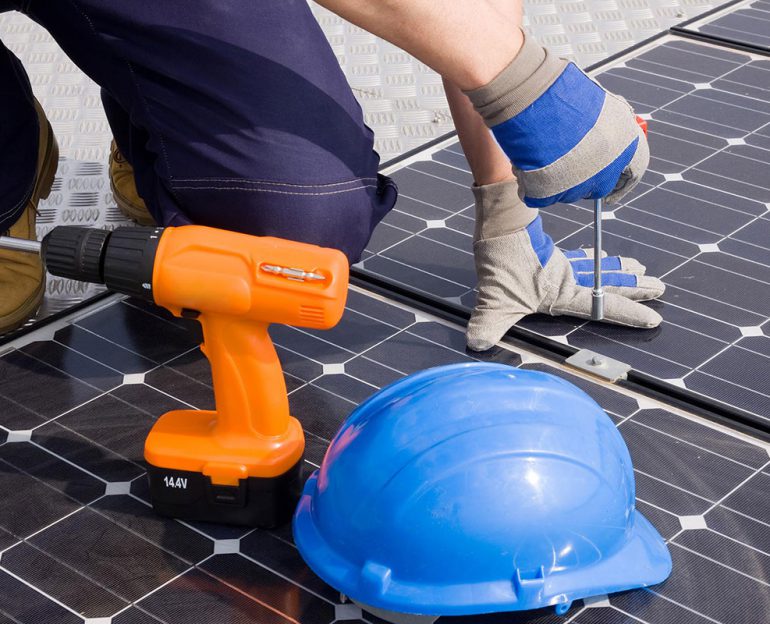
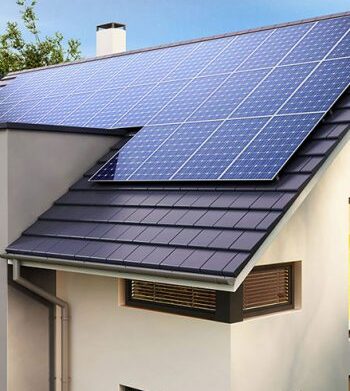
- Renewable energy options: Depending on your location and available resources, installing solar panels or other renewable energy systems may be recommended to offset your energy consumption with clean, sustainable power.
Benefits and payback periods for recommended upgrades
Implementing energy-saving upgrades not only helps reduce your carbon footprint but also provides various benefits for homeowners. Here are some potential benefits you can expect:
- Lower energy bills: By reducing energy waste and improving efficiency, you can expect substantial savings on your monthly utility bills. The exact amount will depend on the extent of the upgrades and your energy consumption patterns.
- Increased comfort: Energy-saving measures such as insulation upgrades and air sealing can help maintain consistent indoor temperatures, minimize drafts, and improve overall comfort in your home.
- Enhanced home value: Energy-efficient homes are in high demand, and investing in energy-saving upgrades can increase your property’s value. This can be especially advantageous if you plan to sell your home in the future.
- Environmental benefits: By reducing energy consumption, you’ll be contributing to a healthier environment by lowering greenhouse gas emissions and preserving natural resources.
While the exact payback period for each energy-saving measure may vary, many upgrades offer a return on investment within a few years. Some improvements, such as lighting upgrades or programmable thermostats, can have short payback periods of around one to two years. On the other hand, more substantial upgrades like solar panel installations may take longer to reach the payback period but can provide significant long-term savings.

Taking Action and Lowering Your Carbon Footprint
Additional steps to save money and reduce energy consumption
Once you have conducted an energy audit and identified areas for improvement, it’s time to take action to lower your carbon footprint and reduce energy consumption. Here are some additional steps you can take:
- Upgrade to energy-efficient appliances: Replace old and inefficient appliances with Energy Star-certified models. These appliances are designed to consume less energy without compromising performance.
- Install programmable thermostats: A programmable thermostat allows you to set specific temperatures for different times of the day, ensuring that your heating and cooling systems operate efficiently and only when needed.
- Seal air leaks: Air leaks around windows, doors, and other openings can cause significant energy waste. Use weatherstripping and caulking to seal these gaps and prevent warm or cool air from escaping.
- Insulate your home: Proper insulation helps maintain a comfortable indoor temperature and reduces the need for excessive heating or cooling. Insulate your attic, walls, and floors to improve energy efficiency.
- Use energy-efficient lighting: Switch to LED or CFL light bulbs, which use significantly less energy and have a longer lifespan compared to traditional incandescent bulbs.
Resources for further information and support
If you’re looking for further information and support on energy efficiency and reducing your carbon footprint, here are some resources to explore:
- Energy Upgrade California: The Energy Upgrade California program provides resources and incentives for homeowners to improve energy efficiency. Visit their website for information on available programs and funding opportunities.
- Local utility providers: Your local utility provider may offer energy-saving programs, rebates, and incentives. Check their website or contact them directly to learn more about the programs available in your area.
- Department of Energy: The U.S. Department of Energy’s website offers a wealth of information on energy efficiency, energy-saving tips, and resources for homeowners. Explore their website for valuable insights and guidance.
- Environmental Protection Agency (EPA): The EPA’s ENERGY STAR program provides information on energy-efficient products, rebates, and strategies to save energy. Visit their website to learn more about energy-saving options for your home.
- Local community organizations: Many local community organizations, non-profits, and environmental groups offer workshops, events, and resources focused on energy efficiency and sustainability. Check with your local community center or environmental organization for opportunities to learn and get involved.
By taking action to reduce your carbon footprint and improve energy efficiency in your home, you can save money on energy bills and contribute to a more sustainable future. Use the resources and information available to make informed decisions and take steps towards a more energy-efficient lifestyle. Remember, every small action counts in the collective effort to combat climate change.