Importance of reducing carbon footprints
Reducing our carbon footprint is crucial to combat climate change and its associated consequences. Carbon dioxide (CO2) is a greenhouse gas that contributes to the trapping of heat in the atmosphere, leading to global warming. The burning of fossil fuels, such as coal and oil, is a major source of CO2 emissions. By adopting sustainable energy solutions, we can reduce our reliance on fossil fuels and minimize the release of harmful greenhouse gases.
Understanding the Carbon Footprint
What is a carbon footprint?
The carbon footprint refers to the total amount of greenhouse gas emissions, particularly carbon dioxide (CO2), released into the atmosphere as a result of human activities. It is a measure of the impact that our actions have on the environment in terms of contributing to climate change and global warming. Understanding our carbon footprint is essential to assessing our environmental impact and finding ways to reduce it.
Calculating your carbon footprint
Calculating your carbon footprint involves determining the amount of greenhouse gases emitted from various aspects of your lifestyle, such as energy consumption, transportation, and waste. Here are some key factors to consider when calculating your carbon footprint:
1. Energy consumption: Calculate the emissions from your electricity usage by considering the source of your energy. Renewable energy sources, such as solar and wind power, have lower emissions compared to fossil fuels.
2. Transportation: Assess the emissions from your daily commute and travel. Vehicles powered by fossil fuels contribute significantly to carbon emissions. Consider using public transport, carpooling, or cycling as greener alternatives.
3. Food consumption: The production and transportation of food contribute to carbon emissions. Opt for locally sourced and seasonal produce to reduce the carbon footprint associated with your diet.
4. Waste management: The decomposition of waste in landfills produces methane, a potent greenhouse gas. Proper waste management, such as recycling and composting, can help reduce emissions.
Solar Energy Basics
How does solar energy work?
Solar energy is a renewable energy source that is harnessed by the sun’s radiation. The process begins with solar panels, which are made up of photovoltaic cells. These cells convert sunlight into direct current (DC) electricity. An inverter then converts this DC electricity into alternating current (AC), which is the type of electricity used in homes and businesses. Finally, the inverter sends this AC electricity to the electrical grid or stores it in batteries for later use.
There are various types of solar energy systems available.
There are two main types of solar energy systems: grid-connected and off-grid systems.
1. Grid-connected systems: The most common systems are connected to the electrical grid. When the solar panels produce more electricity than is being used, the excess power is sent back to the grid, earning credits or reducing electricity bills through net metering. If the solar panels do not produce enough electricity, the system draws power from the grid.
2. Off-grid systems: Off-grid solar energy systems operate independently from the electrical grid and are utilized in areas with limited access to electricity. These systems require batteries to store excess electricity generated during the day for use at night or during cloudy weather. These systems are often utilized in remote locations or situations where electricity is required for specific purposes, such as powering a water pump or a small cabin.
Generating electricity from solar energy has several benefits:
1. Renewable and sustainable: Solar energy is a renewable energy source, meaning it will not deplete or run out. As long as the sun continues to shine, we can harness its energy.
2. Reduced carbon emissions: Solar energy produces electricity without emitting greenhouse gases or other pollutants. By using solar panels, we can significantly reduce our carbon footprint and contribute to mitigating climate change.
3. Cost savings: Once installed, solar panels can generate free electricity, which can lead to significant cost savings on energy bills over time. The payback period for solar panel installation varies, but it often ranges from 5 to 20 years.
4. Job creation: The growth of the solar industry has led to the creation of numerous jobs in installation, manufacturing, and maintenance. This contributes to economic growth and employment opportunities in local communities.

Benefits of Solar Energy
Environmental benefits of solar energy
Switching to solar energy has several significant environmental benefits. Here are a few key advantages:
1. Reduced carbon emissions: Solar panels generate electricity by harnessing the power of the sun, which produces zero greenhouse gas emissions. By using solar energy instead of fossil fuel-based electricity, you can significantly reduce your carbon footprint and help combat climate change.
2. Cleaner air and water: Unlike traditional energy sources like coal or natural gas, solar power does not produce harmful air pollutants or release toxic chemicals into the environment. This leads to cleaner air quality and healthier communities. Solar energy systems also require less water for operation compared to other power generation methods, conserving this valuable resource.
3. Conservation of natural resources: By relying more on solar power, we can reduce our dependence on finite fossil fuels and preserve these resources for future generations. By relying more on solar power, we can reduce our dependence on finite fossil fuels and preserve these resources for future generations.
The financial benefits of going solar
In addition to the positive impact on the environment, there are several financial benefits to installing solar panels on your property:
1. Lower energy bills: Solar panels generate electricity that can supplement or even replace electricity from the grid. By using solar energy, you can reduce your monthly energy bills, especially during peak usage periods. Over time, the savings on your utility bills can offset the initial cost of installing solar panels.
2. Return on investment: Solar panels are a long-term investment that can provide a return on investment (ROI) over their lifespan. The cost of solar panels has decreased significantly in recent years, making them more accessible. Additionally, many governments and utilities offer financial incentives, such as tax credits and rebates, to support the adoption of solar energy.
3. Increased property value: Homes equipped with solar panels tend to have higher property values and sell faster than homes without solar installations. This can be an attractive feature for potential buyers who are looking for energy-efficient and environmentally friendly properties.
4. Energy independence: By generating your electricity with solar panels, you become less reliant on the grid and susceptible to rising energy prices. This provides a sense of energy independence and stability, especially during times of power outages or disruptions.
Installing solar panels
Choosing the right solar panel system
When it comes to installing solar panels, it’s important to choose the right system that suits your needs. Here are a few factors to consider:
1. Energy requirements: Determine how much energy your household consumes on average. This will help you determine the size of the solar panel system you need to install. Consider factors such as the number of household members, energy-efficient appliances, and future energy needs.
2. Roof suitability: Assess the suitability of your roof for solar panel installation. Factors such as roof orientation, tilt, shading, and available space will affect the efficiency and output of your solar panels. Consult with a professional installer to evaluate your roof’s potential for solar energy generation.
3. Solar panel type: There are different types of solar panels available, including monocrystalline, polycrystalline, and thin-film panels. Each type has its own advantages and disadvantages in terms of efficiency, cost, and aesthetic appeal. Research and compare the different options to find the best fit for your requirements.
4. Warranty and quality: Ensure that the solar panels you choose come with warranty coverage and are of high quality. Quality panels tend to have a longer lifespan and better performance, providing a higher return on investment. Look for certifications from organizations such as the International Electrotechnical Commission (IEC) and Underwriters Laboratories (UL) to ensure product reliability.
Understanding the installation process
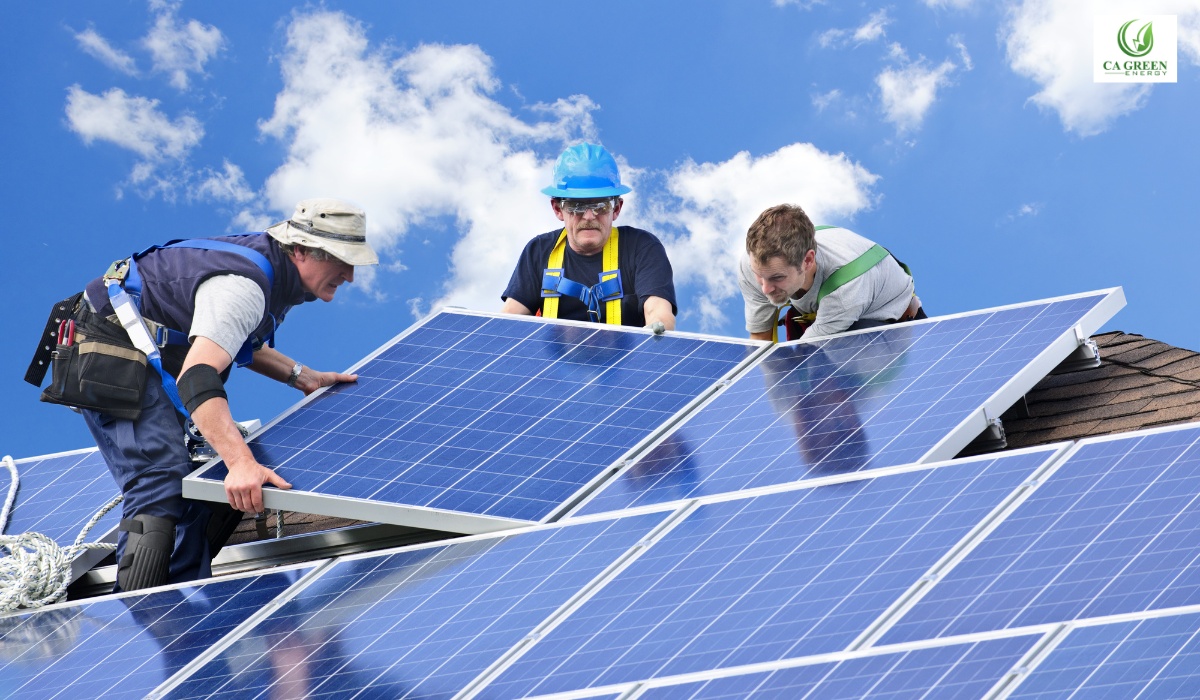
Installing solar panels requires professional expertise and adherence to safety guidelines. Here’s an overview of the installation process:
1. Site assessment: A solar installer will visit your property to assess its suitability for solar panel installation. They will evaluate factors such as roof condition, shading, and electrical infrastructure to determine the optimal design and placement of the panels.
2. Permitting and paperwork: The installer will handle the necessary paperwork, including obtaining permits and approvals from local authorities. This ensures compliance with building codes and regulations.
3. Panel installation: Our team will securely mount the solar panels on your roof using specialized equipment and techniques. The installer will ensure proper positioning and alignment to maximize solar exposure.
4. Electrical connections: After installing the panels, the installer will connect them to your electrical system through an inverter. The inverter converts the DC power generated by the panels into usable AC power for your home.
5. System testing and activation: After installation, the system will undergo thorough testing to verify its performance and safety. Once we deem the system functional, we will activate it, and you can start benefiting from solar energy generation.
6. Ongoing maintenance: Solar panels are generally low-maintenance, but regular inspections and cleaning may be required to ensure optimal performance. Furthermore, installing monitoring systems can track energy production and promptly identify any issues.
Maximizing energy efficiency
Energy-efficient practices for reducing carbon footprints
When it comes to maximizing energy efficiency and reducing your carbon footprint, there are several simple practices you can adopt:
Unplug unused devices: Many electronic devices continue to consume energy even when they are turned off. By unplugging unused devices or using power strips with switches, you can eliminate this “vampire energy” and save electricity.
Upgrade to energy-efficient appliances: When it’s time to replace your appliances, opt for energy-efficient models. Look for products with the Energy Star label, which indicates that they meet strict energy efficiency standards. These appliances not only save energy but can also save you money on your utility bills in the long run.
Seal air leaks: Air leaks in your home can cause drafts and energy waste. By identifying and sealing these leaks, you can improve insulation and reduce the amount of energy needed to heat or cool your home. Common areas to check for air leaks include windows, doors, electrical outlets, and plumbing penetrations.
Use energy-saving settings: Take advantage of energy-saving settings on your electronics and appliances. For example, adjust your thermostat to a comfortable but energy-efficient temperature, enable power-saving options on your computer, and use the “eco” or “energy-saving” mode on your dishwasher and washing machine.
Combining solar energy with energy-saving solutions
While switching to solar energy is a significant step towards reducing your carbon footprint, combining it with energy-saving solutions can further enhance your efficiency and sustainability. Here are a few ways to achieve this:
Install energy-efficient lighting: Replace traditional incandescent light bulbs with energy-efficient LED or CFL bulbs. These bulbs consume less energy and have a much longer lifespan, reducing your electricity usage and maintenance costs.
Implement smart home technology: Smart home devices, such as programmable thermostats and motion-sensing lights, can optimize energy usage based on your daily routines and occupancy. This can help you save energy by automatically adjusting settings when you’re away or during non-peak hours.
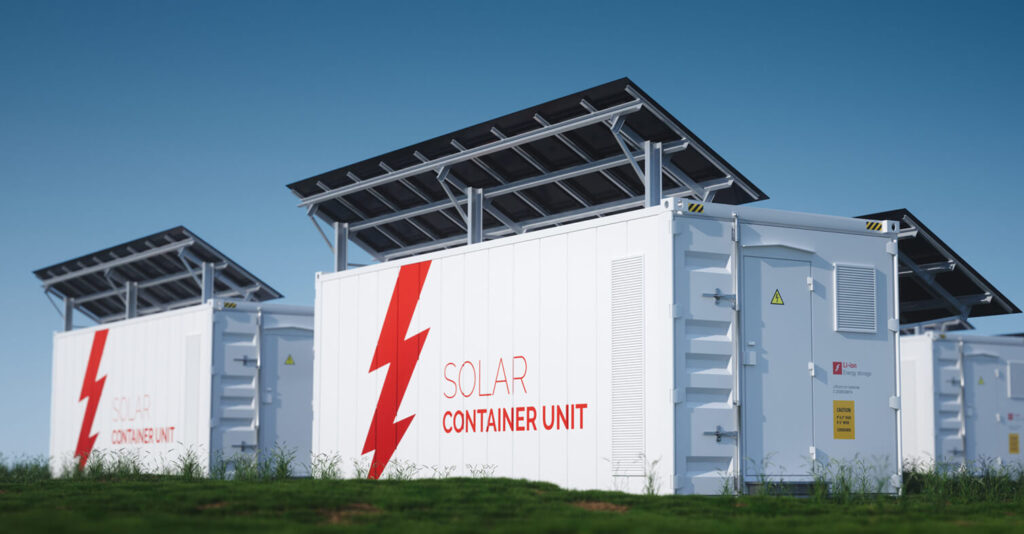
Invest in energy storage systems: Combining solar panels with energy storage systems, such as batteries, allows you to store excess energy for use during peak demand periods or when the sun is not shining. This maximizes your solar energy utilization and reduces your reliance on the grid.
Practice energy conservation habits: Encourage energy conservation habits within your household, such as turning off lights and appliances when they’re not in use, using natural lighting whenever possible, and reducing water consumption. These simple actions can have a significant impact on energy savings and contribute to a more sustainable lifestyle.
Government Incentives and Policies
Available incentives for installing solar panels
Installing solar panels can be a significant financial investment, but there are various government incentives and programs available that can help offset the cost and make renewable energy more accessible. Some of these incentives include:
Federal Solar Investment Tax Credit (ITC): The ITC allows homeowners and businesses to deduct a percentage of the cost of installing solar panels from their federal taxes. In 2021, the tax credit stands at 26% of the total installation cost. However, it is important to note that the ITC is set to gradually decrease in the coming years, so it’s advisable to take advantage of it as soon as possible.
State-level incentives: Many states offer additional incentives for solar panel installations, such as grants, rebates, and tax credits. It is recommended to research what programs are available in your area, as these incentives vary widely depending on the state.
Net metering: Net metering allows solar panel owners to sell excess electricity generated by their panels back to the grid. This means that when your solar panels produce more energy than your household consumes, you can earn credits on your electricity bill. Net metering policies differ by state, so it’s important to familiarize yourself with the specific regulations in your area.
Government policies play a crucial role in supporting the development and adoption of renewable energy sources.
Governments around the world are recognizing the importance of transitioning to renewable energy sources and are implementing policies to support this transition. Some of these policies include:
Renewable Portfolio Standards (RPS): RPS policies require utilities to obtain a certain percentage of their energy from renewable sources. These standards vary by state and country but provide a strong incentive for utilities to invest in renewable energy infrastructure.
Feed-in Tariffs (FiTs): FiTs are policies that guarantee a fixed payment rate for renewable energy producers for a specified period. These rates are typically higher than the market price for electricity and provide a stable income stream, making renewable energy projects more financially viable.
Renewable Energy Certificates (RECs): RECs are tradable certificates that represent one unit of renewable energy production. Companies or individuals wanting to offset their carbon emissions and promote renewable energy can purchase these certificates. By creating a market for RECs, governments encourage the development of renewable energy projects.
Research and development funding: Governments often allocate funding to research institutions and businesses to support the development of new renewable energy technologies and improve existing ones. This funding helps drive innovation and drive down the costs of renewable energy technologies over time.
Real-life experiences of solar energy users
Individuals and organizations alike have had positive experiences with the transition to solar energy. Here are some real-life stories from solar energy users:
Joe, a homeowner: Joe wanted to reduce his carbon footprint and save money on his electric bills. He installed solar panels on his roof and now generates most of his electricity from the sun. Joe feels great knowing that he is contributing to a cleaner environment and has significantly lowered his energy expenses.
Sara, a small business owner: Sara runs a local restaurant and is concerned about the environmental impact of her business. She decided to switch to solar energy and installed solar panels on the roof of her restaurant. Not only has she reduced her carbon emissions, but she has also attracted environmentally conscious customers who appreciate her sustainability efforts.
Greenfield Community: In the Greenfield Community, residents came together to create a solar-powered neighborhood. Through a collective effort, they installed solar panels on their homes and shared the clean energy generated. This community-driven initiative has not only reduced their carbon footprint but has also fostered a strong sense of community and environmental stewardship.
By incorporating solar energy into our daily lives, we can significantly reduce our carbon footprint and contribute to a more sustainable future. Whether it’s through individual efforts or collective initiatives, solar power has shown great potential for combating climate change and reducing our reliance on fossil fuels. Let’s continue to explore the possibilities offered by solar energy and embrace a cleaner, greener future for all.