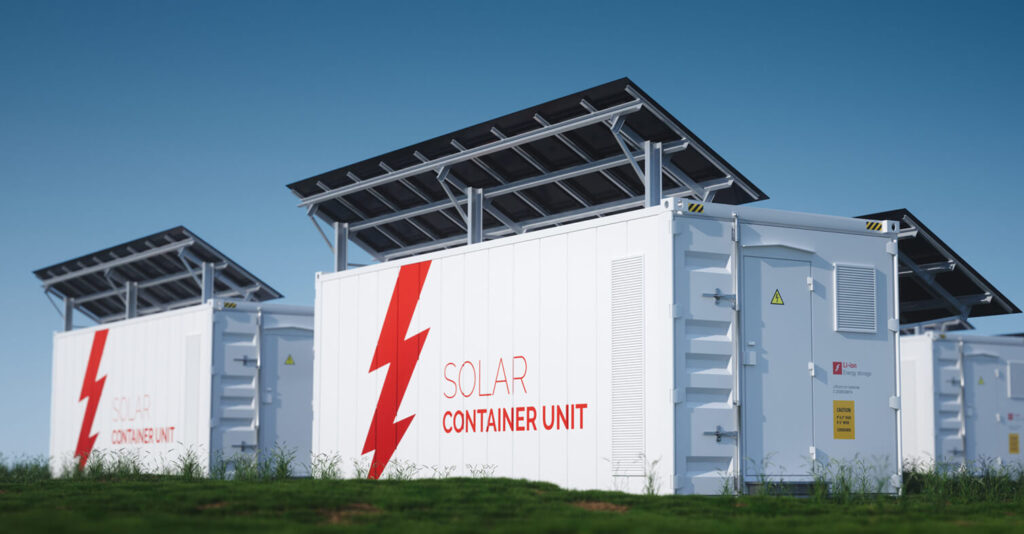
Role of Solar Energy
Solar energy is a renewable resource that has the potential to play a significant role in reducing GHG emissions. It is available in every part of the United States, making it accessible and widely applicable. Unlike fossil fuels, solar energy produces no carbon emissions during operation, making it a clean and environmentally friendly option.
Here are some key advantages of solar energy:
Renewable and Sustainable: Solar energy relies on sunlight, which is a never-ending resource. As long as the sun is shining, we can harness its power to generate electricity.
Reduced GHG Emissions: Solar energy is a carbon-free source of electricity, meaning that its use helps mitigate climate change by reducing the amount of greenhouse gases released into the atmosphere.
Diverse Applications: Solar energy can be utilized in various ways, from generating electricity to heating water and powering vehicles. This versatility makes it a flexible and adaptable solution for different needs.
- Cost-Effective: Solar power is becoming increasingly affordable, with the cost of installing solar panels decreasing over time. The long-term savings on electricity bills can outweigh the initial investment required.
Job Creation: The solar industry has the potential to create numerous jobs, both in installing and maintaining solar systems. This can contribute to economic growth and provide employment opportunities.
Minimal Environmental Impact: Solar energy production has minimal negative effects on the environment compared to other forms of energy generation, such as burning fossil fuels or nuclear power.
By harnessing the power of solar energy, we can reduce our reliance on fossil fuels and make significant progress in combating climate change. Investing in the development and implementation of solar technologies is not only crucial for the environment but also paves the way for a clean, affordable, and sustainable future.
Understanding solar energy
Solar energy as a renewable resource
Solar energy is a type of renewable energy that is harnessed by the sun. It is considered renewable because it does not deplete natural resources and can be continuously replenished.
The sun is an abundant source of energy, providing more energy in one hour than the entire world consumes in a year.
Solar energy is available in every geographic region of the U.S., making it a viable option for generating power nationwide.
Unlike fossil fuels, which are finite resources that can be depleted, solar energy will continue to be available as long as the sun shines.


Potential to Reduce GHG Emissions
One of the main advantages of solar energy is its potential to significantly reduce greenhouse gas (GHG) emissions, which are the main drivers of climate change.
Solar energy systems produce electricity with zero carbon emissions. This means that using solar power for electricity generation can help reduce the reliance on fossil fuels, which emit significant amounts of carbon dioxide and other GHGs when burned.
By shifting to solar energy, we can reduce the amount of carbon dioxide, methane, and other GHGs released into the atmosphere, helping to mitigate climate change.
According to the U.S. Department of Energy, every megawatt-hour (MWh) of solar electricity generated can offset approximately 1,500 pounds of carbon dioxide emissions, equivalent to the emissions from burning 77 gallons of gasoline.
Comparing Solar Energy to Other Renewable Energy Sources
When it comes to renewable energy sources, solar energy has several advantages over other options.
| Energy Source | Advantages | Disadvantages |
|---|---|---|
| Solar Energy | abundant resource can be installed at various scales. modular and flexible |
requires sunlight the initial cost of installation – Weather-dependent |
| Wind Energy | abundant resource Mature technology Low operating costs |
requires specific wind conditions. Visual and noise impacts Limited geographic availability |
| Hydropower | large-scale generation capacity non-intermittent power source |
Limited geographic availability negative impacts on ecosystems and fish populations |
| Biomass | utilizes organic waste. can provide continuous power |
limited availability of waste sources High emissions during combustion |
Conclusion
Solar energy is a renewable resource with the potential to significantly reduce GHG emissions. It is a versatile and abundant energy source that can be harnessed in every part of the U.S. By investing in solar energy, we can move towards a clean, affordable economic future while mitigating climate change.
Benefits of Solar Energy
Carbon-Free and Clean Energy Source
When it comes to addressing climate change and reducing greenhouse gas (GHG) emissions, solar energy is a crucial solution. Solar energy systems produce electricity without emitting any carbon dioxide or other GHGs, unlike fossil fuel-based power generation. This means that using solar power can play a significant role in reducing our reliance on fossil fuels, which are major contributors to climate change. By shifting towards solar energy, we can help mitigate climate change by reducing the amount of carbon dioxide, methane, and other GHGs released into the atmosphere.
Availability in Every Geographic Region of the U.S.
Solar energy is a viable option for generating power in any geographic region of the U.S. Solar energy’s ability to be harnessed throughout the country sets it apart from other renewable energy sources that require specific conditions or locations. This widespread availability makes solar energy an attractive option for powering homes, businesses, and communities across the nation. By tapping into the power of the sun, we can unlock the potential of solar energy in every part of the country and contribute to a cleaner and more sustainable future.
Comparing Solar Energy to Other Renewable Energy Sources
Solar energy has several advantages over other renewable energy sources. Let’s take a closer look at how solar energy compares to other options:
| Energy Source | Advantages | Disadvantages |
|---|---|---|
| Solar Energy | abundant resource can be installed at various scales. modular and flexible |
requires sunlight the initial cost of installation – Weather-dependent |
| Wind Energy | abundant resource Mature technology Low operating costs |
requires specific wind conditions. Visual and noise impacts Limited geographic availability |
| Hydropower | large-scale generation capacity non-intermittent power source |
Limited geographic availability negative impacts on ecosystems and fish populations |
| Biomass | utilizes organic waste. can provide continuous power |
limited availability of waste sources High emissions during combustion |
In conclusion, solar energy is a renewable and clean energy source that offers significant benefits. Its widespread availability in every part of the U.S. makes it a viable option for reducing GHG emissions and mitigating climate change. By investing in solar energy, we can move towards a clean and sustainable future while creating economic opportunities for all.
Solar Energy Technologies
Solar Photovoltaic (PV) Systems
Solar photovoltaic (PV) systems are the most common and widely used technology for harnessing solar energy. These systems use solar panels to convert sunlight directly into electricity. Here are some key points about solar PV systems:
Solar PV systems consist of solar panels made up of multiple photovoltaic cells. Semiconductor materials, usually silicon, absorb sunlight and generate electricity through the photovoltaic effect in these cells.
Solar PV systems can be installed on rooftops or as ground-mounted arrays, making them suitable for both residential and commercial applications.
The electricity generated by solar PV systems can be used directly in the building or fed into the grid to offset electricity consumption.
Solar PV systems have a long lifespan, typically around 25–30 years, and require minimal maintenance. They can continue to generate electricity even on cloudy days, although their efficiency may be reduced.


Concentrated Solar Power (CSP) Systems
Concentrated Solar Power (CSP) systems use mirrors or lenses to concentrate sunlight onto a receiver, which converts the light into heat. This heat can then be used to generate electricity using a steam turbine or engine. Here are some key points about CSP systems:
CSP systems are typically used for large-scale power generation. They require large areas of land and are often built in areas with high solar radiation, such as deserts.
CSP systems use different technologies to concentrate sunlight, including parabolic troughs, power towers, and dish collectors.
CSP systems can provide dispatchable power, meaning that they can generate electricity on demand. This makes them a reliable source of renewable energy, capable of supplying electricity even during periods of high demand.
Comparing Solar PV and CSP Systems:
When comparing solar PV and CSP systems, there are some key differences to consider.
| Criterion | Solar PV systems | CSP Systems |
|---|---|---|
| Technology | Direct conversion of sunlight into electricity using solar panels | Indirect conversion of sunlight into heat, which is then used to generate electricity |
| Scale | Can be installed at various scales, from small residential systems to large utility-scale projects. | Typically used for large-scale power generation |
| Efficiency | Efficiency can vary depending on factors such as sunlight intensity and panel quality. | Efficiency can be higher due to the ability to concentrate sunlight. |
| Storage Capability | Does not have built-in storage capability. | Can incorporate thermal energy storage for dispatchable power |
In conclusion, solar PV systems and CSP systems are both important technologies for harnessing solar energy. While solar PV systems are more commonly used for decentralized power generation, CSP systems offer the advantage of dispatchable power and the ability to store heat for electricity generation when the sun is not shining. Both solar PV and CSP systems play a crucial role in transitioning to a clean, sustainable energy future.
Policies for Solar Energy Development
Market and Policy Proposals
To address the urgent need for reducing greenhouse gas emissions and transitioning to a clean energy future, it is essential to implement market and policy proposals that promote the development of solar energy. Here are some key considerations in designing effective policies:
Incentives and Tax Credits: Providing financial incentives and tax credits can encourage individuals and businesses to invest in solar PV and CSP systems. These incentives can help offset the upfront costs of installation and make solar energy more affordable.
Renewable Portfolio Standards: Implementing renewable portfolio standards requires utilities to generate a certain percentage of their electricity from renewable sources like solar energy. These standards create a market demand for solar energy and can drive significant investment in solar projects.
Net Metering: Net metering policies allow customers with solar PV systems to receive credits for the excess electricity they generate and feed back into the grid. This encourages greater adoption of solar energy and provides an economic incentive for individuals and businesses to invest in solar systems.
Powering a Clean and Affordable Economic Future
The significant development of solar and other clean energy technologies is crucial for powering a clean and affordable economic future. Here are some key reasons why solar energy should be a central focus of market and policy proposals:
Greenhouse Gas Emissions Reduction: Solar energy is a renewable, carbon-free resource that can play a major role in reducing greenhouse gas emissions. By transitioning from fossil fuel-based sources to solar energy, we can significantly decrease our dependence on carbon-intensive energy sources and mitigate the impacts of climate change.
Technological Innovation and Advancement: Investing in solar energy promotes technological innovation and advancement. Continued research and development in the solar industry can lead to improvements in solar panel efficiency, energy storage capabilities, and overall system performance.
In conclusion, solar energy is a vital component in addressing climate change and achieving a clean and affordable economic future. By implementing market and policy proposals that encourage the development of solar energy, we can create jobs, reduce greenhouse gas emissions, enhance energy security, and foster technological innovation. We must prioritize solar energy as a key solution in our efforts to transition to a sustainable and resilient energy system.
Impact on Wildlife and the Environment
Environmental Benefits of Solar Energy
Solar energy systems have several environmental benefits that make them a desirable form of renewable energy:
Reduction of greenhouse gas emissions: Solar energy systems do not emit greenhouse gases during operation, contributing to the reduction of harmful emissions that contribute to climate change.
Conservation of water resources: Unlike conventional power plants, solar energy systems do not require the use of water for cooling, reducing water consumption and preserving scarce water resources.
Considerations for Wildlife Conservation
As solar energy development expands, it is crucial to consider its potential impact on wildlife and take steps to minimize negative effects.
Habitat fragmentation: Large-scale solar farms can fragment habitats, disrupting wildlife migration patterns and limiting access to food and water sources. Developers should aim to minimize habitat fragmentation by strategically locating solar installations and preserving wildlife corridors when possible.
Collisions and habitat displacement: Solar panels and other infrastructure can pose risks to birds and bats, which may collide with them or have their habitats disrupted. Appropriate site selection, careful design, and ongoing monitoring can help reduce these risks.
In conclusion, while solar energy offers significant environmental benefits, it is important to carefully consider its impact on wildlife and ecosystems. By implementing appropriate site selection, design, and mitigation measures, solar energy development can coexist with wildlife and contribute to a more sustainable future. Ongoing research and collaboration between the renewable energy sector, conservation organizations, and regulatory agencies are essential for ensuring that solar energy development is carried out in an environmentally responsible manner.
Overcoming Challenges
Integration into Existing Energy Infrastructure
The integration of solar energy into existing energy infrastructure presents a unique set of challenges that need to be addressed:
Grid compatibility: Solar energy systems need to be compatible with the existing electrical grid to ensure smooth integration. This may require upgrades and modifications to the grid infrastructure to accommodate the intermittent nature of solar power.
Storage and backup solutions: Solar energy is generated only when the sun is shining, making storage and backup solutions crucial for ensuring a consistent and reliable power supply. Advancements in battery technology and the development of energy storage systems can help overcome this challenge
Addressing Cost and Efficiency Concerns
Cost and efficiency are key considerations when it comes to the widespread adoption of solar energy.
Economies of scale: As solar energy production scales up, the cost of photovoltaic panels and other components is expected to decrease. This will make solar energy more affordable and competitive with traditional energy sources.
By addressing integration, cost, and efficiency concerns, solar energy can become an integral part of our energy mix, contributing to a more sustainable and resilient energy future. With continued advancements and support, solar energy has the potential to meet a significant portion of our energy needs while reducing our impact on the environment and mitigating climate change.