Why solar energy is important for a greener future
1. Clean and Renewable Energy Source
Solar energy is derived from the sun’s rays and does not produce harmful pollutants or greenhouse gases like fossil fuels.
Unlike fossil fuels, solar energy is a renewable resource that will never run out as long as the sun shines.
2. Reduces Climate Change and Global Warming
The use of solar energy helps reduce the emission of greenhouse gases, which are major contributors to climate change and global warming.
By switching to solar power, we can significantly reduce our carbon footprint and mitigate the effects of global warming.
3. Sustainable and Environmentally Friendly
Solar energy is a sustainable and environmentally friendly alternative to conventional energy sources.
Unlike fossil fuels, which require extensive mining and drilling operations, solar panels only need sunlight to generate electricity.
Solar power does not contribute to deforestation or habitat destruction, making it a more sustainable choice for the planet.
4. Energy Independence and Security
Solar energy provides individuals and communities with energy independence and security.
By generating their own electricity through solar panels, households and businesses can reduce their reliance on the grid and potentially save money on energy bills.
Solar power can also provide uninterrupted power supply in remote areas or during power outages.
5. Economic Benefits
The solar industry is rapidly growing and creating jobs worldwide.
Investing in solar energy can stimulate economic growth, create job opportunities, and attract investment in the green energy sector.
Solar power can also reduce energy costs for consumers and businesses in the long run.

How Solar Energy is Produced
Sunlight Conversion
Solar panels, also known as photovoltaic panels, are the key component in harnessing solar energy.
These panels are made up of multiple solar cells, which capture sunlight and convert it into electricity through the photovoltaic effect.
The solar cells are made from semiconductor materials, such as silicon, that absorb photons from the sunlight.
Direct Current (DC) Electricity
When sunlight hits the solar cells, it knocks electrons loose from their atoms, creating a flow of direct current (DC) electricity.
The DC electricity generated by the solar panels needs to be converted into alternating current (AC) electricity for use in homes and businesses.
Inverters
Inverters are used to convert the DC electricity from the solar panels into AC electricity that can be used to power appliances, lights, and other electrical devices.
These inverters also regulate the amount of electricity being produced and ensure that it matches the appropriate voltage and frequency needed for consumption.
Net Metering
Net metering is a system that allows excess solar energy generated during the day to be sent back to the grid.
When a solar system produces more electricity than is needed, the surplus energy is fed back into the grid and credited to the consumer’s account.
This allows consumers to offset their electricity bills with the excess energy they have generated.
Battery Storage
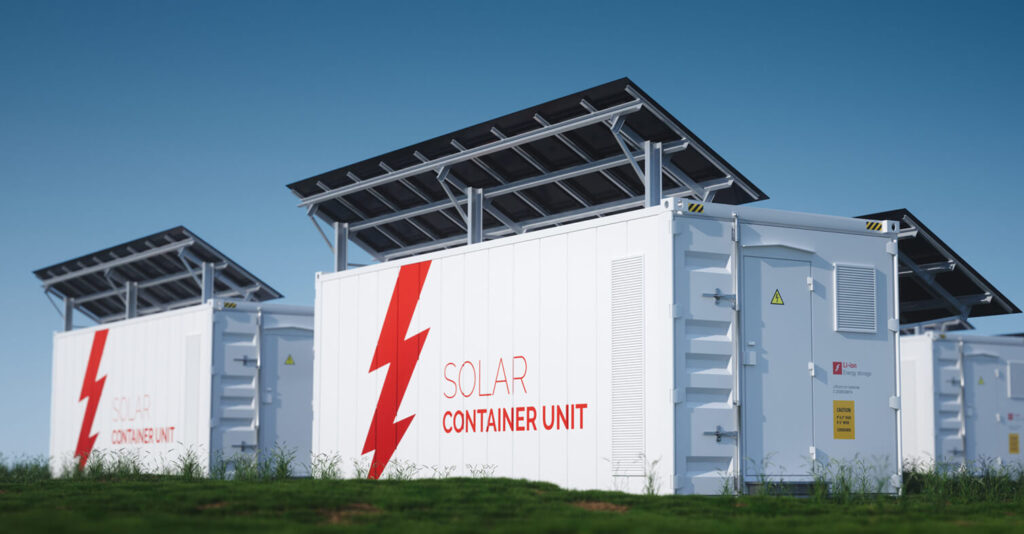
Some solar power systems also include battery storage to store excess energy for later use, such as during nighttime or cloudy periods.
This allows for continuous power supply even when the sun is not shining.
Battery storage systems are becoming more advanced and affordable, making them a viable option for increasing energy independence.
Monitoring and maintenance
Solar energy systems require regular monitoring and maintenance to ensure optimal performance.
This includes cleaning the solar panels to remove dirt or debris that may hinder sunlight absorption.
Checking the performance of the inverters, batteries, and other components is also important to ensure efficient operation.
Harnessing solar energy involves a series of processes that convert sunlight into usable electricity. From capturing sunlight with solar panels to converting DC electricity into AC electricity, each step plays a vital role in producing clean and renewable energy. Through advancements in technology, solar energy systems have become more efficient and affordable, making them a viable option for individuals, communities, and businesses. By embracing solar energy, we can reduce our reliance on fossil fuels and contribute to a greener and more sustainable future.

Advantages of Solar Energy
Clean and renewable energy sources
Solar energy is derived from the sun’s rays and does not produce harmful pollutants or greenhouse gases like fossil fuels. It is a clean and renewable resource that will never run out as long as the sun shines.
Reduces climate change and global warming
By using solar energy, you can significantly reduce the emissions of greenhouse gases, which are major contributors to climate change and global warming. Making the switch to solar power helps to mitigate the effects of global warming and decrease your carbon footprint.
Sustainable and environmentally friendly
Solar energy is a sustainable and environmentally friendly alternative to conventional energy sources. Unlike fossil fuels, which require extensive mining and drilling operations, solar panels only need sunlight to generate electricity. By choosing solar power, you are helping to preserve the planet for future generations.
Energy independence and security
By harnessing solar energy, you can achieve energy independence and security. Generating your own electricity through solar panels reduces reliance on the grid and potential energy cost savings. Solar power can provide uninterrupted power supply in remote areas or during power outages.
Economic Benefits
Investing in solar energy stimulates economic growth and creates job opportunities in the rapidly growing solar industry. By installing solar panels, you can also reduce your energy costs in the long run.
Technological Advancements and Affordability
Solar technology advancements have made solar power more efficient and affordable. The cost of solar energy has significantly decreased over the years, making it accessible to a wider range of consumers. You can also take advantage of incentives such as tax credits and government subsidies to further reduce the upfront costs of installing solar panels.
Energy Freedom and Community Resilience
Solar energy allows you and your community to take control of your energy production and be less reliant on centralized power systems. By embracing solar power, you can contribute to community resilience in the face of natural disasters or grid failures, ensuring a continuous supply of electricity.
By harnessing the power of the sun, you can enjoy the numerous benefits of solar energy. It is a clean, renewable, and sustainable source of energy that can help reduce climate change, provide energy independence, and create economic growth. With advancements in technology and affordability, solar power is now more accessible than ever before. Embrace solar energy and be a part of building a greener and more sustainable future.
Types of Solar Panels
Monocrystalline solar panels
Monocrystalline solar panels are made from a single crystal structure, typically silicon. They are known for their high efficiency and sleek design. Monocrystalline panels have a uniform black color and are often considered the most aesthetically pleasing option.
Polycrystalline solar panels
Polycrystalline solar panels are made from multiple silicon crystals. They are less efficient than monocrystalline panels but are more affordable. Polycrystalline panels have a blue hue and are a popular choice for residential installations.
Thin-film solar panels
Thin-film solar panels are made from various materials, such as amorphous silicon or cadmium telluride. They are lightweight, flexible, and can be integrated into different surfaces, making them suitable for curved or irregular structures. However, thin-film panels have lower efficiency compared to crystalline panels.
Bifacial Solar Panels
Bifacial solar panels can generate electricity from both sides by capturing sunlight reflected from the ground or surrounding surfaces. They have transparent back sheets or glass layers to allow light penetration. Bifacial panels can increase energy production by up to 30% compared to traditional panels.
Solar Roof Tiles
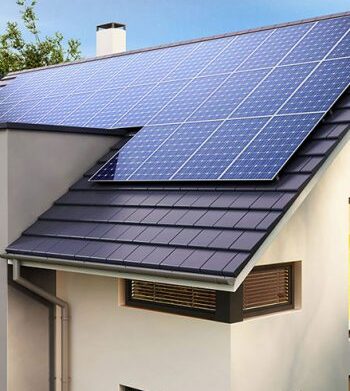
Solar roof tiles, also known as solar shingles, are designed to resemble traditional roofing materials. They integrate solar cells into the roofing system, providing a seamless look. Solar roof tiles are a popular choice for homeowners who prioritize aesthetics but still want to harness the power of the sun.
Building-Integrated Photovoltaics (BIPV)
BIPV systems are designed to replace conventional building materials, such as windows, facades, or skylights, with solar panels. By incorporating solar cells into the building’s elements, BIPV can maximize energy generation while maintaining the building’s functionality and design.
Comparing Solar Panel Types
Here is a comparison table highlighting the main characteristics of different solar panel types:
| Solar Panel Type | Efficiency | Cost | Appearance | Versatility | |
| Monocrystalline | High | Sleek | Limited | ||
| Polycrystalline | Moderate | Low | Blue | Medium | |
| Thin-Film | Low | Low | Flexible | High | |
| Bifacial | High | Similar to traditional panels | Medium | ||
| Solar Roof Tiles | Varies | Varies | Resemble traditional roofing materials | Limited | |
| BIPV | Varies | Varies | Integration into building elements | High |
Each type of solar panel has its own advantages and disadvantages. The choice of solar panel type depends on various factors, such as budget, efficiency requirements, visual appeal, and installation options. Consulting with a solar energy professional can provide personalized recommendations based on your specific needs and goals.
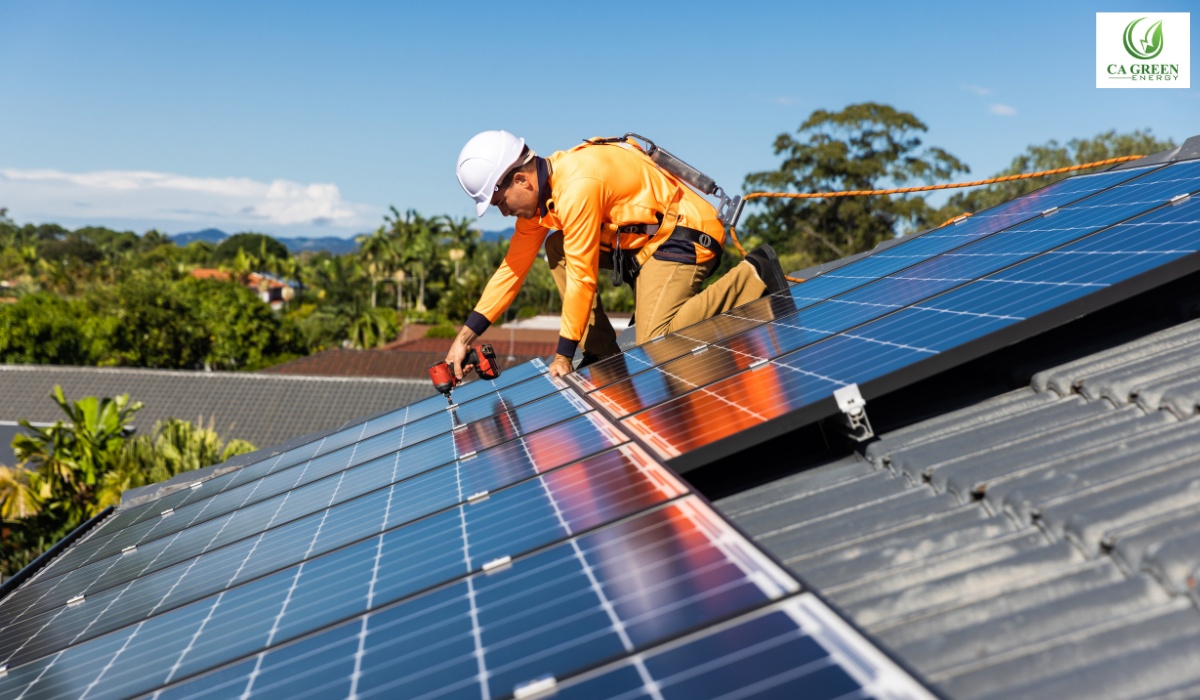
Installing solar panels
Choose the right location.
When installing solar panels, it’s crucial to select the right location to maximize sunlight exposure and ensure optimal performance. Here are a few considerations to keep in mind:
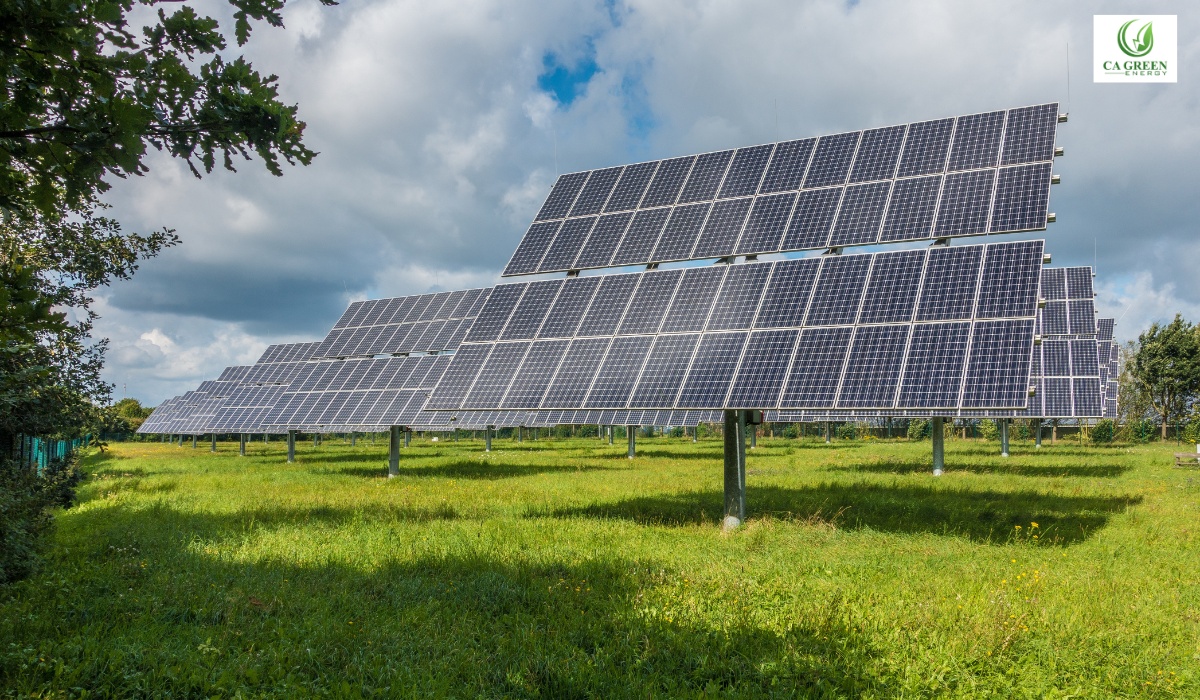
Orientation: Solar panels should ideally face south in the northern hemisphere and north in the southern hemisphere to receive the most sunlight throughout the day.
Tilt angle: The tilt angle of the panels should be optimized based on the latitude of your location to capture the maximum amount of sunlight.
Shading: Avoid installing solar panels in areas with significant shading, such as near tall buildings or trees, as it can reduce the efficiency of the system.
Hire a professional installer.
While DIY installation may be tempting, it’s advisable to hire a professional solar panel installer. They have the necessary expertise and experience to ensure a safe and efficient installation process. A professional installer will also help you navigate any permits or regulations that may be required for your area.
Consider your energy needs.
Before installing solar panels, it’s essential to evaluate your energy needs to determine the right system size. Consider factors such as your average electricity consumption, future energy needs, and any energy-saving measures you plan to implement.
Understand the financials
While solar panels offer long-term energy savings, they do involve an upfront cost. It’s crucial to understand the financial aspects of solar panel installation, including:
Cost: Get quotes from different installers to compare prices and find the best deal. Consider any available incentives or rebates offered by the government or utility companies.
Payback period: Calculate the payback period to assess how long it will take for the energy savings to offset the initial installation cost. This will help you determine the financial feasibility of installing solar panels.
Maintenance and monitoring
To ensure the optimal performance of your solar panel system, proper maintenance is essential. Here are a few maintenance tasks to keep in mind:
Regular cleaning: Clean the solar panels regularly to remove any dirt or debris that may reduce their efficiency. Consult the manufacturer’s guidelines for the recommended cleaning methods.
System monitoring: Install a monitoring system to track the performance of your solar panel system. This will help you identify any issues or inefficiencies promptly.
Solar panel efficiency improvements
Efficiency improvements through emerging technologies
Researchers and scientists are consistently working on developing emerging technologies that can further enhance solar panel efficiency. These include:
Tandem solar cells: Tandem solar cells combine multiple layers of different materials to capture and utilize a wider range of the solar spectrum, resulting in higher conversion efficiencies.
Perovskite solar cells: Perovskite-based solar cells have shown great promise due to their high-efficiency potential and low manufacturing costs. Ongoing research aims to improve their stability and durability, making them a viable option for commercial deployment.
Concentrated photovoltaics: Concentrated photovoltaics utilize lenses or mirrors to concentrate sunlight onto solar cells, increasing the amount of energy captured and improving overall system efficiency.
Cost reductions
As solar panel technology continues to evolve, the cost of solar energy generation has significantly decreased. The mass production of solar panels, improvements in manufacturing processes, and economies of scale have all contributed to cost reductions. This has made solar energy more accessible and affordable for a wider range of consumers, further accelerating its adoption.
The future of solar energy
With ongoing advancements in solar panel efficiency, it is clear that the future of solar energy is bright. As technology continues to improve and costs decrease, solar energy will become even more competitive with traditional forms of energy generation. This will not only benefit individual consumers by reducing their energy bills but also contribute to a cleaner and more sustainable energy future for all.
In conclusion, the past few decades have seen remarkable progress in solar panel efficiency. Higher conversion rates, enhanced durability, emerging technologies, and cost reductions have all played a role in driving the growth of solar energy. As we look to the future, it is evident that solar energy will continue to play a significant role in meeting our energy needs while mitigating the effects of climate change.