Heat Pump Cost in California
Regarding the cost of heat pumps in California, several factors can impact the overall price. These factors include the size of the home, the type of heat pump system, rebates available in the state, and the electrical panel setup.
According to our survey and other data analysis, California homeowners can expect the cost of a heat pump installation to range between $3,500 and $20,000. The average cost is around $14,000 after considering any available rebates. However, it’s important to note that these numbers can vary depending on each homeowner’s specific circumstances.
Benefits of Installing a Heat Pump in California Homes
Despite the costs associated with heat pump installation, several benefits make it a worthwhile investment for homeowners in California. Some of these benefits include:
1. Energy efficiency: Heat pumps are known for their energy efficiency, especially when compared to traditional heating and cooling systems. Using renewable energy sources, such as the air or ground, heat pumps can provide efficient heating and cooling for your home while reducing your carbon footprint.
2. Cost savings: While the upfront cost of a heat pump installation may seem high, homeowners can benefit from lower energy bills in the long run. Heat pumps are known to be more energy efficient, which means you can save on your monthly energy expenses.
3. Versatility: Heat pumps can provide heating and cooling for your home, making them versatile. This eliminates the need for separate heating and cooling systems, saving space and reducing maintenance costs.
4. Environmental sustainability: Heat pumps are considered more environmentally friendly than traditional heating and cooling systems. Using renewable energy sources, heat pumps can help reduce greenhouse gas emissions and contribute to a more sustainable future.
Factors Affecting Heat Pump Costs
Size and Efficiency of the Heat Pump
The size and efficiency of the heat pump are significant factors that can impact the installation cost. The larger your home, the larger the heat pump you need, which can increase the cost.
Similarly, more energy-efficient heat pumps tend to have higher upfront costs but can save you money on energy bills in the long run. When selecting the size and efficiency of your heat pump, it is essential to consider your specific heating and cooling needs.
Type of Heat Pump (Air-Source or Ground-Source)
The type of heat pump you choose can also affect the cost. Air-source heat pumps are typically more affordable than ground-source heat pumps.
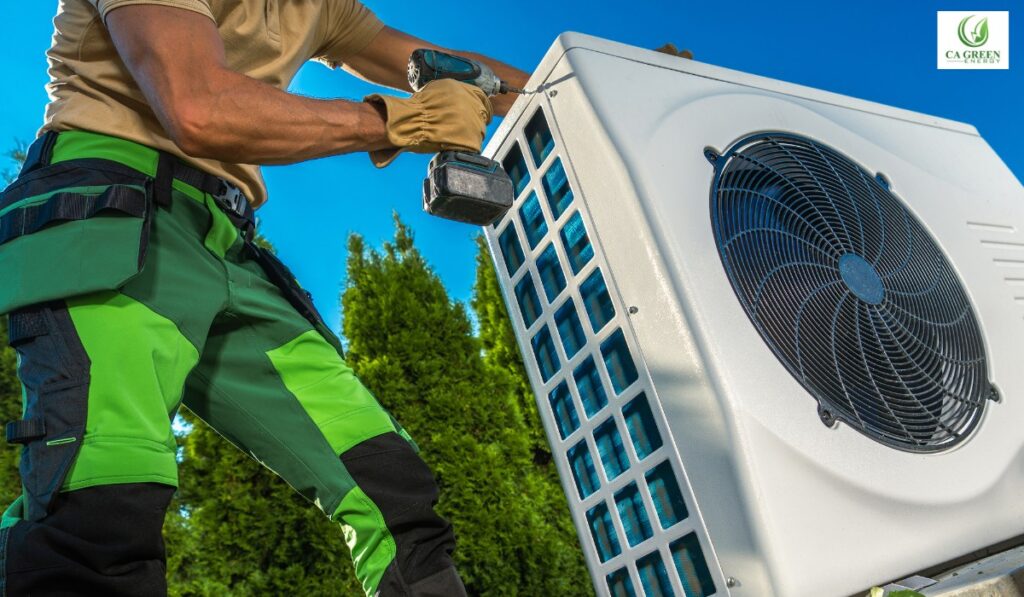
Air-source heat pumps work by extracting heat from the air outside and transferring it indoors, while ground-source heat pumps use the ground’s stable temperature to provide heating and cooling. Ground-source heat pumps require more complex installation procedures and may require drilling into the ground, which can add to the overall cost.
Installation and Labor Costs
The installation and labor costs associated with heat pump installation can vary depending on the complexity of the project and the location of your home. Factors that can affect installation costs include:
- The need for ductwork installation or modification.
- Electrical panel upgrades.
- The accessibility of your home for the installation team.
Average Heat Pump Costs in California
Cost Range for Different Sizes of Homes
For homeowners in California, the average installation cost of a heat pump is $17,287. However, it’s important to note that the cost can vary depending on the size of your home. Here’s a breakdown of the average costs based on square footage:
- Homes up to 1,000 square feet: $4,308
- Homes between 1,001 and 1,500 square feet: $10,818
- Homes between 1,501 and 2,000 square feet: $21,756
- Homes between 2,001 and 2,500 square feet: $20,796
- Homes larger than 2,500 square feet: $26,214
These figures give you a general estimate of what you can expect to pay based on the size of your home.
Choosing the Right Heat Pump for Your Home
Factors to Consider When Selecting a Heat Pump
When it comes to choosing a heat pump for your home, there are several factors that you should consider. These factors will help you determine the size and efficiency of the right heat pump for your needs. Here are some key factors to keep in mind:
1. Size of your home: The size of your home will play a significant role in determining the size of the heat pump you need. A larger home will require a larger heat pump, while a smaller home may only require a smaller unit. It’s essential to consider the square footage of your home when discussing options with a professional.
2. Efficiency rating: Heat pumps have an efficiency rating known as the Seasonal Energy Efficiency Ratio (SEER). The higher the SEER rating, the more efficient the heat pump. A more efficient heat pump will save you money on energy bills in the long run, but it may come with a higher upfront cost.
3. Type of heat pump: Different types of heat pumps are available, including air-source heat pumps and ground-source heat pumps. Air-source heat pumps are more common and work by extracting heat from the air outside your home. Ground-source heat pumps, also known as geothermal heat pumps, extract heat from the ground. The type of heat pump you choose will depend on accessibility and available space.
4. Climate: The climate in your area will also impact the heat pump’s performance and efficiency. If you live in a region with colder winters, you may need a heat pump with a higher heating capacity. Conversely, if you live in a region with hot summers, you may need a heat pump with a higher cooling capacity.
Consulting with a Professional for Recommendations
With so many factors to consider, consulting with a professional HVAC contractor or heat pump specialist is highly recommended. They assess your specific needs and make recommendations based on factors such as the size of your home, climate, budget, and personal preferences.
Remember to obtain multiple quotes from reputable contractors and compare their recommendations to make an informed decision. A professional will guide you through the process and ensure that your chosen heat pump is the right fit for your home.
Additional Costs to Consider
Maintenance and Repairs
Once you have your heat pump installed, it’s essential to consider the maintenance and repair costs that may arise. Like any other HVAC system, heat pumps require regular maintenance to ensure optimal performance.
This can involve cleaning or replacing air filters, checking and repairing ductwork, and inspecting and lubricating moving parts. Hiring a professional HVAC technician to perform these maintenance tasks is recommended, and they usually cost between $100 and $200 per visit.
Energy Usage and Monthly Expenses
Generally, homeowners can expect their energy usage and monthly expenses to be lower with a heat pump than traditional heating systems. According to the United States Department of Energy, heat pumps can reduce energy usage by up to 50% compared to electric resistance heating systems.
When considering the cost of a heat pump, it’s essential to consider additional factors such as maintenance and repair costs, potential energy usage, and monthly expenses. While these additional costs may arise, a heat pump’s overall energy savings and long-term benefits make it a worthwhile investment for many homeowners.
Tips for Reducing Heat Pump Costs
Increasing the Energy Efficiency of Your Home
- Improve insulation: Properly insulating your home can reduce lost or gained heat, allowing your heat pump to operate more efficiently. Make sure your walls, floors, and attic are well-insulated.
- Seal air leaks: Air leaks around windows, doors, and other areas can cause drafts, making your heat pump work harder to maintain a comfortable temperature. Seal these leaks with weatherstripping or caulk to improve energy efficiency.
- Upgrade windows: If your windows are old or inefficient, consider upgrading to energy-efficient windows. These can help prevent heat loss in winter and heat gain in summer, reducing the workload on your heat pump.
- Use window coverings: Close curtains or blinds during hot summer days to block the sun’s heat. Open them during the day in winter to allow sunlight to naturally warm your home.
Additional Costs to Consider
Maintenance and Repairs
Heat pumps can experience refrigerant leaks, compressor failure, or electrical component malfunctions. The cost of repairs can vary depending on the nature of the problem. Minor repairs typically range from $300 to $800, while major repairs cost $2,000 or more. It is crucial to have a trusted HVAC technician inspect and repair any issues promptly to prevent further damage and ensure the longevity of your heat pump.
Energy Usage and Monthly Expenses
One of the significant advantages of heat pumps is their energy efficiency, leading to potential savings on your monthly energy bills. Heat pumps use electricity to transfer heat instead of generating it, making them more efficient than traditional heating systems.
However, it’s important to note that energy usage and monthly expenses associated with a heat pump can vary based on factors such as climate, size and efficiency, and personal heating and cooling preferences.