Attic insulation is crucial to maintaining a comfortable and energy-efficient home in California. Proper insulation helps homeowners save on heating and cooling costs, reduces the carbon footprint, and contributes to a cleaner environment. This blog will discuss the importance of attic insulation and the advantages of choosing California green energy solutions.
Understanding Attic Insulation
What is Attic Insulation?
Attic insulation is a crucial component of a well-insulated home. It helps to prevent heat transfer between your living spaces and the outside environment, keeping your home cooler in the summer and warmer in the winter. Attic insulation is typically installed between the joists or on the attic floor, providing a barrier that reduces the heat that enters or escapes your home through the attic.
Types of Insulation Materials
Several different types of insulation materials can be used in an attic. Each material has its advantages and considerations to keep in mind when choosing the right one for your home:
- Fiberglass Insulation: Fiberglass insulation is one of the most commonly used types of insulation. It comprises fine glass fibers and is available in batts or rolls. Fiberglass insulation is easy to install and provides good thermal performance.
- Cellulose Insulation: Cellulose insulation is made from recycled paper products and treated with fire retardant. It is blown into the attic using special machinery and provides excellent resistance to airflow, reducing energy loss.
- Spray Foam Insulation: Spray foam insulation is famous for attics because it expands to fill gaps and cracks, providing an airtight seal. It also offers superior thermal performance and can help to reduce noise transmission.
- Radiant Barrier Insulation: Radiant barrier insulation is designed to reflect radiant heat. It is installed on the underside of the roof rafters, reducing heat transfer into the attic space.
Benefits of Attic Insulation
Improved Energy Efficiency
Properly insulating your attic can have a significant impact on the energy efficiency of your home. When your attic is insulated, it helps create a barrier that prevents heat transfer between your living spaces and the outside environment. This means that less hot air will enter your home in the summer, reducing the need for air conditioning. Similarly, in the winter, the insulation keeps warm air inside, reducing the need for heating. As a result, your HVAC system will not have to work as hard, leading to lower energy consumption and reduced utility bills.
Enhanced Comfort and Air Quality
Insulating your attic also improves the comfort level of your home. Proper insulation allows you to maintain a more consistent and comfortable temperature throughout your living spaces. Cold drafts and hot spots will be minimized, ensuring that every room is comfortable, regardless of the weather outside. Additionally, insulation helps to reduce the infiltration of outside air, limiting the amount of dust, pollutants, and allergens that can enter your home. This leads to better indoor air quality, which is especially beneficial for individuals with respiratory conditions or allergies.
The Next Steps
Now that you understand the importance and benefits of attic insulation, you may be wondering what the next steps are. Here are a few things to consider:
- Assess Your Current Insulation: Start by evaluating the current insulation in your attic. Look for any signs of damage or wear, and check if it meets the recommended R-value for your climate zone. It may be time for an upgrade if your insulation is old or insufficient.
- Choose the Right Insulation Material: Consider the insulation materials mentioned earlier – fiberglass, cellulose, spray foam, and radiant barrier – and determine which best suits your needs and budget. Remember to consider factors such as thermal performance, installation process, and any specific requirements or considerations for your home.
- Consult with a Professional: It is highly recommended to consult with a knowledgeable insulation contractor or energy auditor. They can assess your attic’s insulation needs, determine the most suitable solution, and provide expert guidance tailored to your home. They will ensure the insulation is installed correctly, maximizing its effectiveness and energy-saving potential.
Investing in attic insulation is an innovative, energy-efficient choice that offers long-term benefits for your home and the environment. By reducing energy waste, improving comfort, and enhancing indoor air quality, you can enjoy a more sustainable and comfortable living space while saving on energy bills. Take the necessary steps to properly insulate your attic and start reaping the rewards.
Professional Installation Process
When insulating your attic, hiring a professional insulation contractor with expertise in energy efficiency and building science is essential. A knowledgeable contractor will ensure that the installation process is carried out correctly and efficiently, maximizing the benefits of attic insulation for your home.
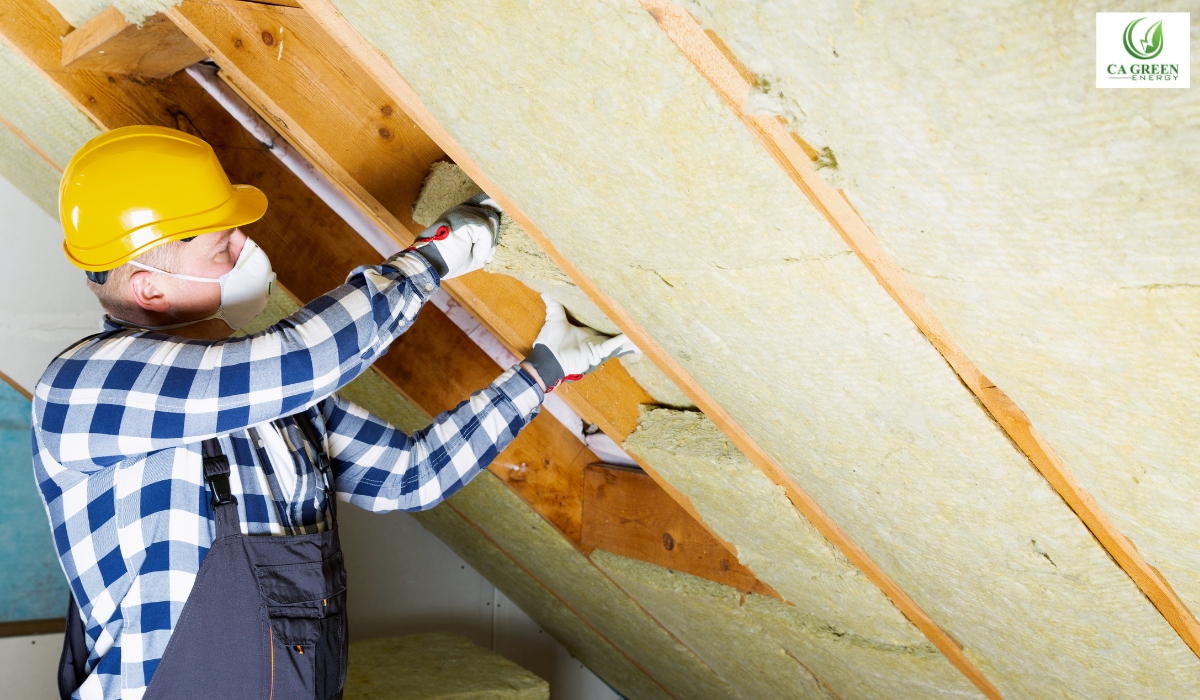
During installation, the contractor will assess your attic to determine the best insulation materials and techniques to use. They will then remove any existing insulation that may be damaged or ineffective. Once the attic is prepared, the chosen insulation material will be installed, ensuring proper coverage and sealing gaps or cracks.
The professional installation process includes the following steps:
- Assessment: The insulation contractor will evaluate the current state of your attic and discuss your energy efficiency goals and budget with you.
- Preparation: Any damaged or insufficient existing insulation will be removed for the new insulation.
- Installation: The chosen insulation material, whether fiberglass, cellulose, spray foam, or radiant barrier insulation, will be installed. The contractor will ensure proper coverage and airtight sealing.
- Cleanup: Once the installation is complete, the contractor will clean up any debris or mess created during the process, leaving your attic clean and ready for use.
High-Quality Insulation Products Used
When you hire a professional insulation contractor for your attic insulation needs, they will use high-quality insulation products. These products are designed to provide optimal thermal performance and energy efficiency, ensuring your home remains comfortable year-round.
The insulation contractor will recommend the best insulation material for your specific needs, considering budget, energy efficiency goals, and any special considerations. Here are some of the high-quality insulation products commonly used:
By using high-quality insulation products, you can rest assured that your attic insulation will be effective and long-lasting.
Cost Savings through Attic Insulation
Reduced Energy Bills
By improving the insulation in your attic, you can significantly reduce your energy bills. Properly installed insulation helps to create a barrier between your home and the outdoor elements, preventing heat from escaping in the winter and seeping in during the summer. This means your HVAC system doesn’t have to work as hard to maintain a comfortable indoor temperature, resulting in lower energy usage and cost savings on your heating and cooling bills.
Potential Tax Rebates and Incentives
In addition to the long-term savings on your energy bills, tax rebates, and incentives may be available for upgrading your home insulation. Many states, including California, offer incentives for energy-efficient upgrades as part of their commitment to reducing greenhouse gas emissions and promoting clean energy. These incentives can help offset the insulation installation cost and provide further financial benefits.
By taking advantage of these incentives, you can save on your energy bills and recoup a portion of your investment in attic insulation. It’s essential to check with your local government or utility company to see if there are any available programs that you can benefit from.
The Risks of Insufficient Attic Insulation
Heat Loss and Energy Waste
Insufficient attic insulation can lead to significant heat loss, resulting in higher energy bills and decreased comfort in your home. Heat can easily escape through the attic without proper insulation, especially during the colder months. This means that your heating system needs to work harder to maintain a comfortable temperature, leading to increased energy consumption and costs.
In addition to heat loss, insufficient insulation can also result in energy waste. When your home is not adequately insulated, cool air from your air conditioning system can escape through the attic during the hotter months. This means that your cooling system must work harder to keep your home cool, resulting in higher energy bills.
Potential Moisture Problems
Insufficient attic insulation can also lead to moisture problems in your home. Warm air inside your home can rise up and reach the cold attic space without proper insulation. When warm air comes into contact with the cold surfaces in the attic, it can condense and create moisture.
This moisture can lead to various issues, including mold growth, wood rot, and structural damage. Mold growth can damage your home and pose health risks to you and your family. Additionally, wood rot caused by moisture can weaken the structure of your home over time.
How to Decide on the Right Insulation Level
Factors to Consider
When deciding on the proper insulation level for your attic, there are several factors to consider:
- Climate: The climate in your area plays a significant role in determining the insulation level you need. A higher insulation level is typically recommended in colder climates to combat heat loss. In warmer climates, insulation helps to keep cool air inside your home.
- Energy Efficiency Goals: When deciding on the insulation level, consider your energy efficiency goals. If you want to reduce your energy consumption and lower utility bills, investing in a higher insulation level may be beneficial.
- Existing Insulation: If you already have some insulation in your attic, consider it when determining the right insulation level. You may be able to add more insulation to improve energy efficiency without completely replacing the existing insulation.
- Budget: Your budget is another essential factor to consider. While increasing the insulation level can provide energy savings in the long run, choosing a level that fits your budget is essential.
Consulting with a Professional
Consult a professional contractor to ensure you choose the right insulation level for your attic. They have the expertise and knowledge to assess your situation and provide personalized recommendations.
A professional insulation contractor will consider factors such as your climate, energy efficiency goals, existing insulation, and budget to guide you in selecting the appropriate insulation level. They can also provide information about different insulation materials and their benefits.
Additionally, a professional insulation contractor can accurately measure the amount of existing insulation in your attic and identify any gaps or areas in need of improvement. This comprehensive assessment will help you decide on the proper insulation level for your home.
Attic Insulation Maintenance and Upkeep
Inspection and Maintenance Tips
Regular inspection and maintenance are essential to ensure that your attic insulation continues to perform effectively. Here are some tips to help you keep your attic insulation in optimal condition:
- Inspect your attic regularly: Schedule regular inspections to check for any signs of damage to the insulation. Look for wet spots, mold growth, or any signs of pests that could have compromised the insulation.
- Seal air leaks: Air leaks can undermine the effectiveness of your attic insulation. Look for gaps or cracks in the attic walls, ceilings, or floors and seal them with caulk or weatherstripping to prevent air from entering or escaping.
- Add additional insulation if needed: Over time, insulation may settle or become damaged, reducing effectiveness. If you find areas in your attic with thin or damaged insulation, consider adding additional insulation to ensure optimal thermal performance.
- Clear any obstructions: Make sure no objects, such as storage boxes or deobjects, block your attic insulation. These obstructions prevent proper airflow and lead to insulation issues.
- Maintain proper ventilation: Good ventilation is crucial to prevent excessive moisture buildup in your attic. Ensure that your attic vents are not blocked and air can circulate freely. This will help prevent mold growth and protect your insulation from moisture-related damage.
Signs of Insulation Issues
It’s essential to be aware of the signs that indicate potential insulation problems in your attic. Look out for the following signs that indicate your attic insulation may need attention:
- Inconsistent indoor temperatures: If you notice significant temperature differences between rooms or floors in your home, it could be a sign that your attic insulation is not adequately distributing the heated or cooled air.
- High energy bills: Increased energy costs without a reasonable explanation could indicate that your attic insulation is not performing efficiently.
- Pest infestations: If you discover signs of pests, such as rodents or insects, in your attic, it’s crucial to inspect your insulation for any damage or disturbances.
- Water damage or leaks: Any signs of moisture or water damage in your attic, such as stains or mildew, could indicate insulation issues.
- Drafts or air leaks: If you feel drafts or notice cold spots in your home, it could be a sign that your attic insulation is not adequately sealing your living space.
By addressing these signs promptly and taking necessary action, you can prevent further damage and maintain the performance of your attic insulation.
Contact California Green Energy for a Free Consultation
If you have any concerns about the condition or performance of your attic insulation, it’s essential to seek professional advice. California Green Energy is here to help. As a trusted and experienced insulation contractor, we specialize in energy efficiency and offer services to improve your home’s comfort and reduce its environmental impact.
Contact us today for a free consultation and let our experts assess your attic insulation needs. We can provide tailored solutions to address any issues and ensure your home remains adequately insulated for maximum energy efficiency and comfort. Don’t wait – take the necessary steps to preserve your home’s insulation and enjoy the benefits for years.