Clean Energy Program in California
The Clean Energy Program in California is a comprehensive initiative aimed at promoting the development and adoption of renewable energy sources. The program includes a range of policies, regulations, and incentives that encourage the use of clean energy technologies. These include:
- Renewable Portfolio Standard (RPS): California has set a target of generating 100 percent of its electricity from renewable sources by 2045. The RPS requires utilities to gradually increase the percentage of renewable energy in their portfolios over time.
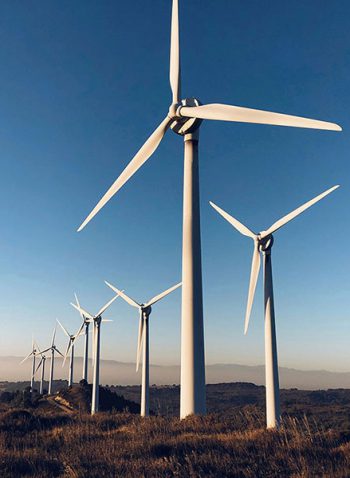
- Feed-in Tariffs: The state offers feed-in tariffs to incentivize the production of renewable energy by individual homeowners and businesses. This encourages the installation of solar panels and wind turbines, among other technologies.
- Net Energy Metering (NEM): NEM allows customers with renewable energy systems, such as solar panels, to receive credits for the excess electricity they generate and feed back into the grid. This helps promote the adoption of distributed renewable energy generation.
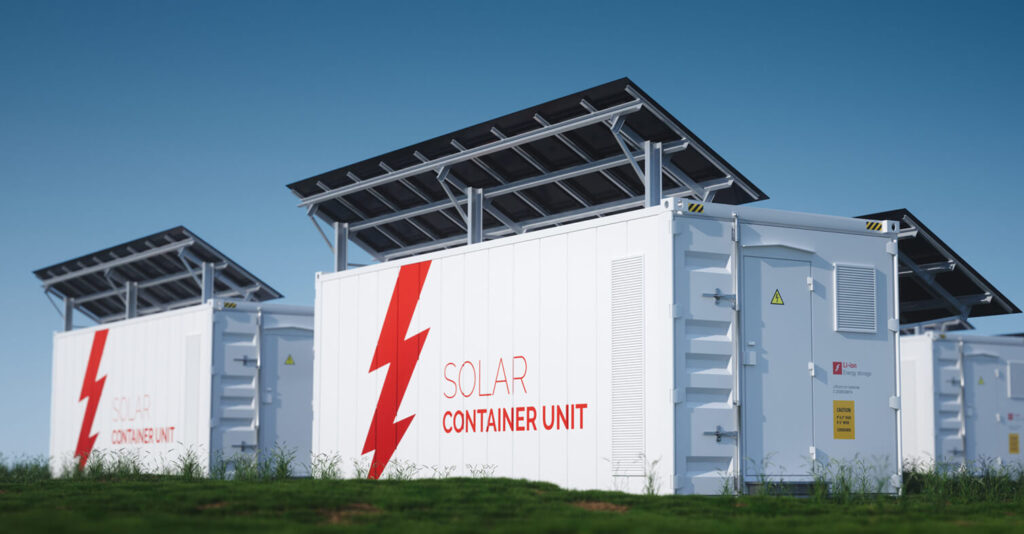
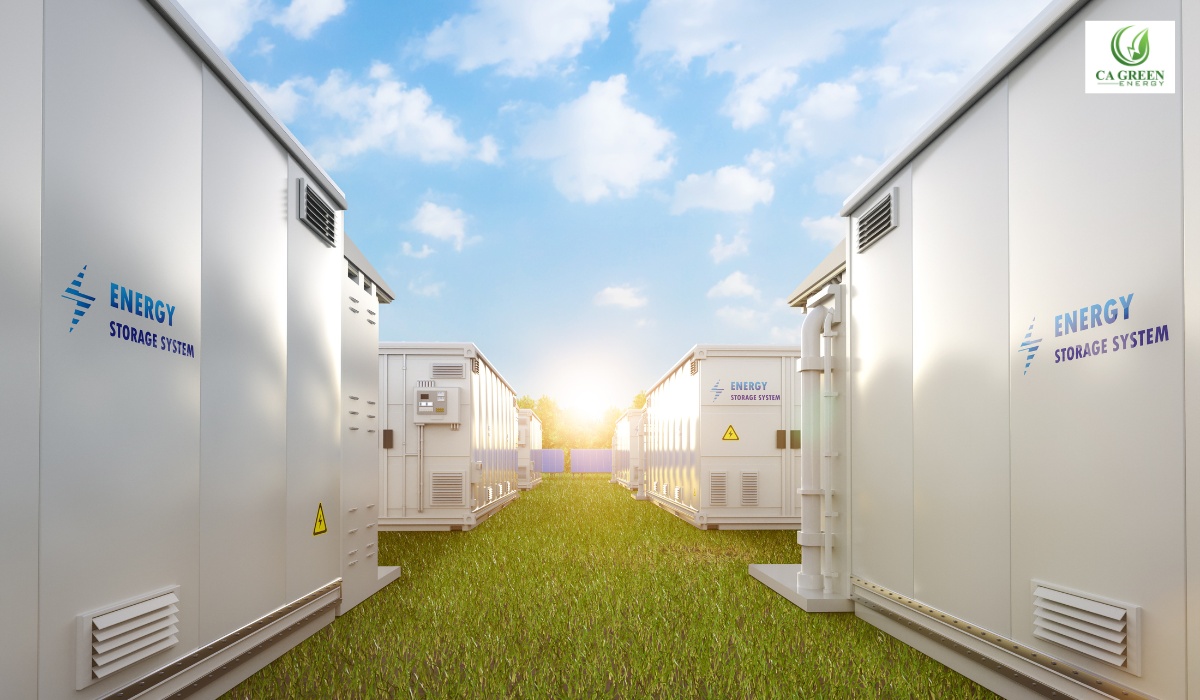
- Energy Storage Initiatives: California is also investing in energy storage technologies to complement renewable energy sources and ensure a reliable and resilient clean energy grid. These initiatives involve the deployment of batteries and other storage systems to store excess energy generated from renewable sources.
The importance of clean energy in California’s sustainability goals
Clean energy plays a critical role in California’s sustainability goals and efforts to combat climate change. Here are some key reasons why clean energy is important for the state:
- Reduced greenhouse gas emissions: Renewable energy sources produce little to no greenhouse gas emissions, unlike fossil fuels. By transitioning to clean energy, California can significantly reduce its carbon footprint and contribute to global efforts to mitigate climate change.
- Energy independence: Developing renewable energy sources helps reduce reliance on imported fossil fuels and enhances energy security for the state. It also promotes local job creation and economic growth in the clean energy sector.
- Improved air quality: The use of clean energy technologies, such as solar and wind power, helps reduce air pollution by eliminating the emissions associated with fossil fuel combustion. This has significant health benefits for Californians, particularly in areas affected by high levels of pollution.
- Innovative solutions: California’s commitment to clean energy has fostered innovation in the renewable energy sector. The state is a hub for research, development, and deployment of new technologies, driving the advancement of clean energy solutions for a sustainable future.
The Energy Commission’s Role
Mandate and Responsibilities of the Energy Commission
- The Energy Commission plays a pivotal role in California by developing and mandating programs that promote the use of renewable energy and address climate change.
- The Commission is responsible for ensuring that efforts to promote clean energy benefit all Californians.
- It also plays a role in providing incentives for energy technology installation, such as solar panels, to encourage the use of renewable energy sources.
- The Commission oversees renewable energy grants to support the development and implementation of renewable energy projects in the state.
- Its mandate includes regulating the energy sector, setting efficiency standards, and promoting sustainable practices.
Development and implementation of clean energy programs
- The Energy Commission is at the forefront of California’s push towards a 100 percent clean energy future.
- It is responsible for developing and implementing programs that promote the use of renewable energy sources.
- These programs aim to increase the adoption of renewable energy technologies, such as solar, wind, and geothermal power.
- The Commission offers funding programs to assist local governments in establishing online solar permitting, making it easier for residents to install solar panels.
- It also works to develop rules and regulations that promote the integration of renewable energy into the existing energy grid.
- The Commission collects and analyzes data to monitor progress towards clean energy goals and inform policy decisions.
Overall, the Energy Commission is an essential entity in California’s efforts to transition to a clean energy future. Its mandate and responsibilities include developing and mandating programs, providing incentives, and overseeing grants to promote the use of renewable energy sources. Through its efforts, the state is leading the way in addressing climate change and ensuring a sustainable future for all Californians.
Renewable Energy Incentives
Overview of renewable energy incentives provided by the program
The California Energy Commission offers a range of incentives and programs to encourage the adoption of renewable energy technologies and promote a clean energy future. These incentives are designed to make clean energy technologies more accessible and affordable for Californians and to support the state’s ambitious renewable energy goals.
Some of the key incentives provided by the program include:
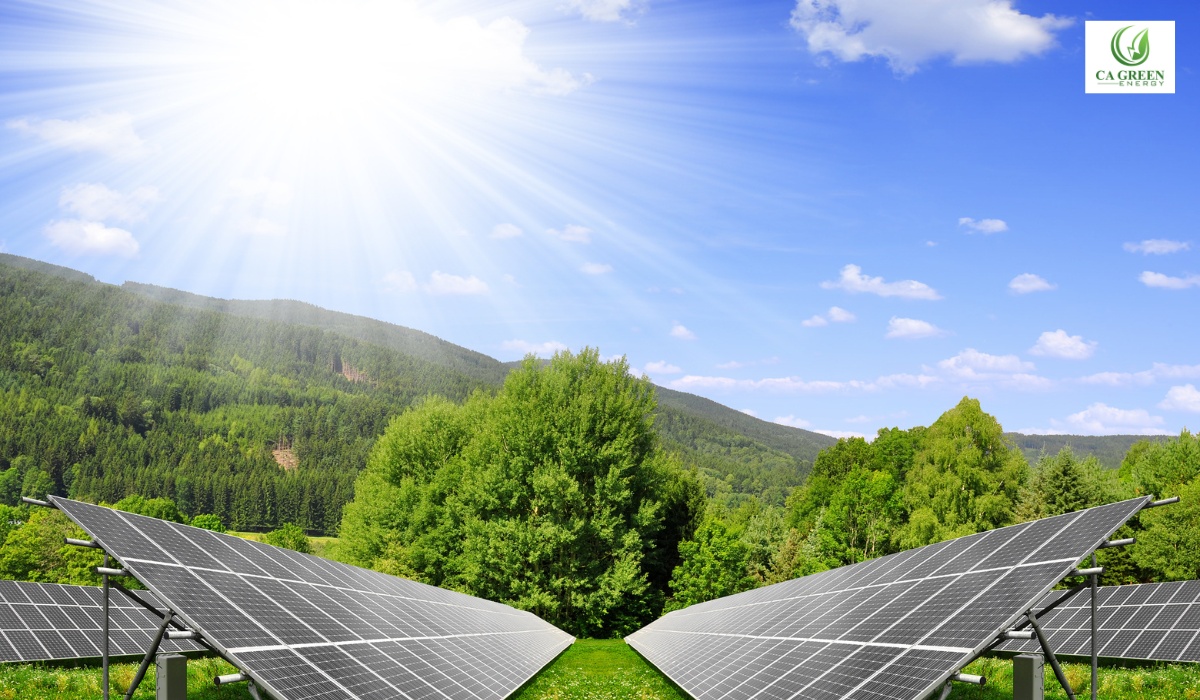
- Solar Energy Incentives: The Energy Commission offers financial incentives, such as rebates and tax credits, to residential and commercial property owners who install solar panels. These incentives help reduce the upfront costs of solar installations and make solar energy more affordable for consumers.
- Wind Energy Incentives: California has excellent wind resources, and the Energy Commission provides incentives to promote the development of wind energy projects. These incentives include grants, low-interest loans, and tax credits for wind farm developers.
- Energy Storage Incentives: To support the integration of renewable energy into the grid, the Energy Commission offers incentives for the deployment of energy storage technologies, such as batteries. These incentives help increase the reliability and resilience of the grid and enable more efficient use of renewable energy.
- Electric Vehicle Incentives: In line with California’s efforts to promote electric vehicles (EVs), the Energy Commission provides incentives for the purchase and installation of EV charging stations. These incentives help expand the EV charging infrastructure and encourage the adoption of zero-emission vehicles.
Financial and non-financial incentives for adopting clean energy technologies
The Energy Commission’s incentives for adopting clean energy technologies go beyond financial support. The program also offers non-financial incentives, which include:
- Streamlined Permitting Processes: The Energy Commission works with local governments to establish online solar permitting systems, making it easier and faster for residents to install solar panels. Streamlined permitting processes reduce administrative burdens and make clean energy installations more convenient for consumers.
- Technical Assistance: The program provides technical assistance and resources to businesses, local governments, and individuals interested in adopting renewable energy technologies. This assistance includes guidance on project development, best practices, and access to training and educational materials.
- Research and Development Funding: The Energy Commission invests in research and development to advance clean energy technologies and address technical challenges. This funding supports innovation and helps bring new and improved renewable energy technologies to the market.
- Collaboration and Networking Opportunities: The program facilitates collaboration and networking among stakeholders in the clean energy sector. This includes organizing workshops, conferences, and industry events to foster knowledge exchange and partnerships.
Funding Programs
Description of funding programs available for clean energy projects
- The Energy Commission offers various funding programs to support the development and implementation of clean energy projects in California.
- These programs provide financial incentives and assistance to eligible entities to encourage the adoption of renewable energy technologies.
- One such program is the Geothermal Grant and Loan Program, which provides funding for the planning and development of waterfront facilities for offshore wind projects.
- The program aims to accelerate the deployment of offshore wind energy in California, contributing to the state’s clean energy goals.
- Another funding program is the Renewable Energy for Agriculture Program, which offers grants to encourage the installation of renewable energy technologies in the agriculture sector.
- This program recognizes the importance of sustainable agriculture practices and supports the integration of clean energy solutions.
Assistance for local governments and organizations in implementing clean energy initiatives
- The Energy Commission also provides assistance to local governments and organizations in implementing clean energy initiatives.
- One example is the funding programs offered to local governments to establish online solar permitting.
- Streamlining the solar permitting process makes it easier for residents to install solar panels, promoting the adoption of renewable energy at the community level.
- The Commission works closely with local governments to develop rules and regulations that promote the integration of renewable energy into the existing energy grid.
- By providing technical assistance and guidance, the Commission helps local governments overcome barriers and challenges in implementing clean energy projects.
- This support enables local communities to become active participants in California’s clean energy future.
Benefits for Californians
How Californians can benefit from the Clean Energy Program
- The Clean Energy Program implemented by the Energy Commission in California offers numerous benefits to the residents of the state.
- By promoting the adoption of renewable energy technologies, the program helps reduce reliance on fossil fuels, leading to cleaner air and a healthier environment.
- Californians can benefit from improved air quality, which contributes to better respiratory health and overall well-being.
- The program also helps reduce greenhouse gas emissions, mitigating the impacts of climate change and ensuring a more sustainable future for California.
- By transitioning to renewable energy sources, the state can become more resilient to energy price fluctuations and volatility, ensuring reliable and affordable energy for its residents.
Job creation, economic growth, and environmental impact
- The Clean Energy Program not only benefits the environment but also has a positive impact on the economy and job creation.
- The adoption of renewable energy technologies creates new job opportunities in sectors such as solar, wind, and geothermal energy.
- These industries require skilled workers for installation, maintenance, and operation, contributing to job growth and economic development in California.
- The program also encourages the growth of clean-energy businesses and startups, fostering innovation and entrepreneurship in the state.
- By supporting clean energy projects, the program attracts investment and stimulates economic activity, benefiting local communities and the overall state economy.
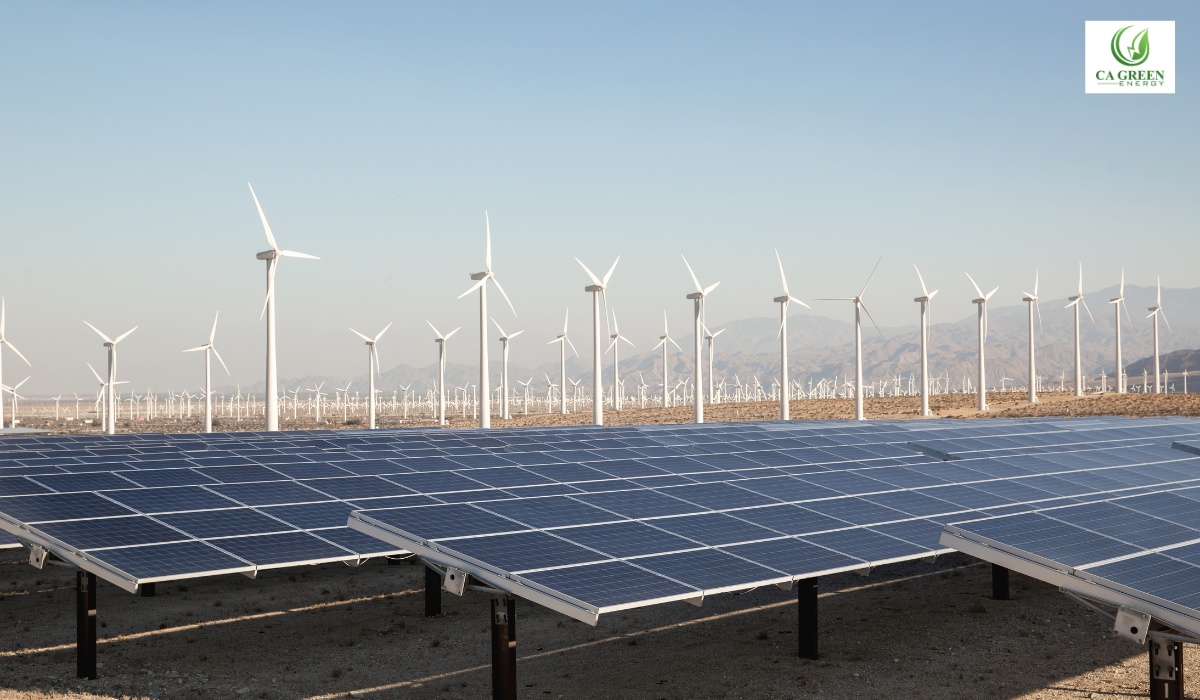
Opportunities to join the clean energy industry in California
- California’s clean energy industry offers exciting career opportunities for individuals passionate about creating a clean and sustainable future. Here are some ways you can be part of the clean energy movement:
- Solar Energy: Join the solar energy sector and contribute to the installation and maintenance of solar panels to harness the power of the sun.
- Wind Energy: Work in the wind energy industry and help harness the power of the wind by working on wind turbine installation and maintenance.
- Geothermal Energy: Explore careers in geothermal energy and contribute to projects that tap into the Earth’s heat to generate clean and renewable energy.
- Energy Efficiency: Contribute to energy conservation efforts by working in energy efficiency roles, helping individuals and businesses reduce their energy consumption.
- By being part of the clean energy industry, you can make a difference in mitigating climate change, improving air quality, and creating a sustainable future. Join the dedicated professionals already working towards a clean, modern, and thriving California.
- by exploring job listings from clean energy companies and organizations focused on sustainable practices. Consider gaining relevant skills and certifications through specialized training programs or higher education institutions focused on renewable energy.
- Join this exciting industry and be part of shaping a better future for California and the planet as a whole. Your contribution to the clean energy movement will have a positive impact on the environment, the economy, and the well-being of future generations. Embrace the opportunity to make a difference and create a greener, more sustainable California.
Future prospects and opportunities in clean energy advancements
- The clean energy industry in California offers promising prospects for individuals interested in pursuing careers in renewable energy. With the increasing adoption of clean energy technologies, there is a growing demand for skilled workers in sectors such as solar, wind, geothermal, and energy efficiency.
- The clean energy industry not only contributes to environmental sustainability but also provides economic benefits. It offers opportunities for job growth, innovation, and investment in the state.
- Individuals with diverse educational backgrounds and skill sets can find valuable roles in the clean energy sector. Whether you have a technical background in engineering or a policy-focused skill set, there are numerous career paths available.
- To pursue a career in the clean energy industry, you can start by exploring job opportunities from clean energy companies and organizations. Consider enhancing your knowledge and skills through specialized training programs or higher education in renewable energy.
- By joining the clean energy industry, you can actively contribute to building a cleaner future for California and the world. Your work can have a positive impact on reducing greenhouse gas emissions, improving air quality, and promoting sustainable development.
- The Clean Energy, Jobs, and Affordability Act of 2022 sets ambitious goals for California’s transition to clean and renewable energy. With the commitment of individuals, businesses, and policymakers, California can continue to lead the way in clean energy advancements and create a sustainable and prosperous future for all.