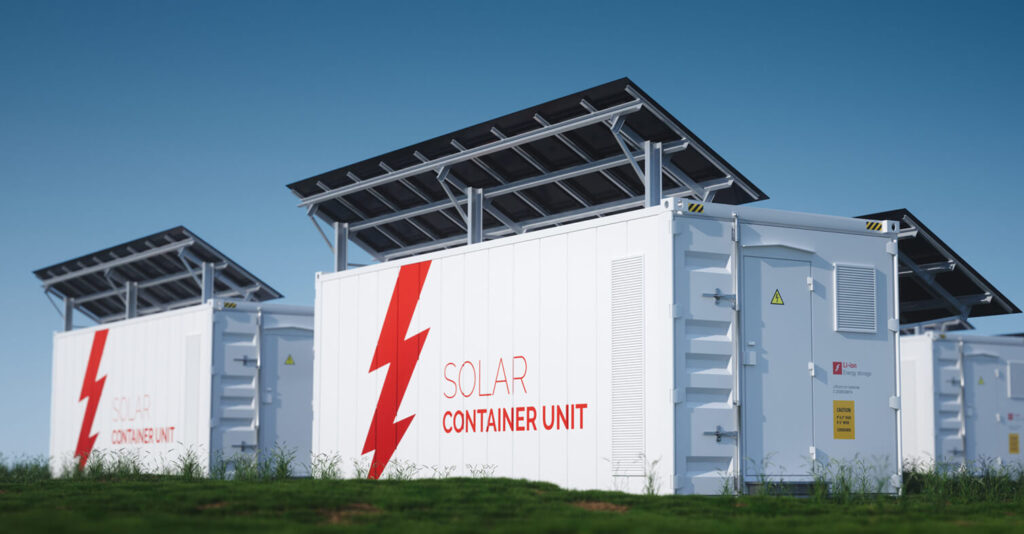
Overview of California’s commitment to clean and renewable energy
California is leading the way in the United States regarding clean and renewable energy. The state has set a goal of generating 100% of its electricity from clean and renewable sources by 2045. To achieve this target, California offers various incentives and tax credits to encourage homeowners to embrace solar energy. These incentives are among the best in the country, making California an attractive place for homeowners to install solar panels.
Importance of solar energy in California’s energy landscape
Solar energy plays a vital role in California’s energy landscape for several reasons.
1. Environmental benefits: Solar energy is a clean and renewable energy source. By installing solar panels, homeowners can reduce their reliance on fossil fuels, which helps to reduce greenhouse gas emissions and combat climate change. Solar energy does not produce air or water pollution, making it a sustainable environmental choice.
2. Energy independence: Homeowners can become more independent by generating electricity through solar panels. With rising electricity prices and potential power grid outages, solar panels and battery storage allow homeowners to have a reliable source of electricity, especially during times of high demand or emergencies.
3. Cost savings: Solar energy can help homeowners save money on electricity bills. By generating their clean energy, homeowners can offset a significant portion of their electricity usage, resulting in lower monthly energy costs. Moreover, California offers cash rebates for residential solar installations, further incentivizing homeowners to go solar and realize long-term cost savings.
4. Job creation and economic growth: The solar industry has been a significant driver of job creation in California. By choosing solar energy, homeowners contribute to the growth of the renewable energy sector and support local jobs in installation, maintenance, and manufacturing. This helps stimulate the economy and provide opportunities for individuals in the clean energy industry.
In conclusion, California’s commitment to clean and renewable energy and its generous solar incentives make it an ideal place for homeowners to embrace solar energy. By installing solar panels, homeowners can contribute to a cleaner environment, achieve energy independence, save on electricity costs, and support job creation in the solar industry. With the state’s sunny climate, going solar in California is an innovative and sustainable choice.

California Solar Initiative (CSI) Program
Details of the California Solar Initiative (CSI) program
The California Solar Initiative (CSI) General Market Program officially closed on December 31, 2016. This program aimed to incentivize the adoption of solar energy in residential and commercial buildings. However, due to significant drops in equipment prices and the increasing affordability of solar energy solutions, direct incentives are no longer necessary.
While the CSI program has ended, California remains committed to supporting clean and renewable energy, especially solar power. Market transformation has made solar energy more accessible and cost-effective for homeowners throughout the state. As a result, new approaches are being adopted to encourage the use of solar energy without relying solely on direct incentives.
Cash rebates for residential solar installations
One significant incentive California offers homeowners in 2023 is the cash rebate for residential solar installations. This incentive encourages homeowners to embrace solar energy by providing financial support for installing solar panels on residential properties.
The cash rebate program allows homeowners to receive a certain amount back after installing solar panels. This rebate helps offset the initial cost of installation, making solar energy more affordable for homeowners.
It is essential for homeowners considering solar energy to research and understand the available incentives and tax credits. By taking advantage of these programs, homeowners can reduce their reliance on traditional power sources and contribute to a cleaner and more sustainable future.
In conclusion, the California Solar Initiative (CSI) program has played a crucial role in promoting solar energy adoption in the state. While the program has officially closed, homeowners can still access a range of incentives, including cash rebates, to encourage the installation of solar panels. By embracing solar energy, homeowners can save money and contribute to a more sustainable and environmentally friendly future.
Federal Solar Investment Tax Credit (ITC)
Explanation of the Federal Solar Investment Tax Credit (ITC)
The Federal Solar Investment Tax Credit (ITC) is a federal income tax credit that allows homeowners and businesses to claim 30% of the cost of installing a solar energy system as a nonrefundable tax credit. If you install a solar panel system for $10,000, you can receive a tax credit of $3,000.
The ITC was introduced in 2005 and has been a significant driver of the adoption of solar energy across the country. Reducing the system’s overall cost has helped make solar installation more affordable for homeowners and businesses.
To be eligible for the ITC, the solar energy system must be installed on a taxpayer-owned property. It should also generate electricity for the property’s use rather than resale.
Financial incentives for residential and commercial solar projects
The ITC is available for both residential and commercial solar projects. However, the tax credit percentage may vary for commercial projects depending on certain factors. Here is a breakdown of the ITC percentage for different installation phases:
– Projects commenced by December 31, 2019: 30% tax credit
– Projects commenced in 2020: 26% tax credit
– Projects commenced in 2021: 22% tax credit
Projects commenced in 2022 and beyond the 10% tax credit (for commercial projects only)
It’s important to note that the ITC is a one-time credit. Once you claim the tax credit, you won’t be eligible for further credits in subsequent years.
The ITC is a significant incentive that can help homeowners and businesses offset the upfront costs of installing a solar energy system. Reducing reliance on fossil fuels helps save money and contributes to a cleaner and more sustainable future.
The Federal Solar Investment Tax Credit (ITC) is a valuable financial incentive for residential and commercial solar projects. By claiming the ITC, homeowners, and businesses can reduce the cost of installing a solar energy system and take a significant step toward a greener future.
Net Energy Metering (NEM) Program
Overview of the Net Energy Metering (NEM) program
The Net Energy Metering (NEM) program in California is designed to incentivize homeowners to invest in solar energy systems by offering credits for excess electricity generated by their solar panels. This program allows homeowners to earn credits on their electric bills for the surplus energy they produce and send back to the grid.
Under the NEM program, homeowners with solar panels can offset their electricity consumption when their panels are not producing enough energy, such as during nighttime or cloudy days. The excess energy sent back to the grid is credited to the homeowner’s account, reducing their reliance on traditional power sources.
Credit for excess electricity generated by solar panels
One of the main benefits of the NEM program is the ability to earn credits for the excess electricity your solar panels generate. When your panels produce more energy than your household needs, the surplus is returned to the grid, and you receive credits on your electric bill.
These credits can offset the electricity you draw from the utility company when your solar panels do not produce enough energy. This can significantly reduce your energy costs and help you save money on your electric bill.
The NEM program is available to customers of Pacific Gas and Electric (PG&E), Southern California Edison (SCE), San Diego Gas & Electric (SDG&E), and other utility companies in California. It is important to note that each utility company may have slightly different rules and regulations regarding the NEM program, so homeowners should familiarize themselves with the specific details of their utility’s program.
In conclusion, the Net Energy Metering (NEM) program in California offers homeowners with solar panels the opportunity to earn credits for the excess energy they generate. This program helps homeowners save money on their electric bills and promotes the use of clean and renewable energy sources. By taking advantage of the NEM program, homeowners can contribute to a more sustainable and environmentally friendly future while enjoying the financial benefits of solar energy.
Property Tax Exclusion for Solar Energy Systems
Details of the Property Tax Exclusion for Solar Energy Systems
The Property Tax Exclusion for Solar Energy Systems is another incentive provided by the state of California to encourage homeowners to switch to renewable energy sources. This program allows homeowners to exclude the added value of their rooftop solar system from their property tax assessment.
Exemption from property taxes for solar installations
Homeowners who invest in rooftop solar systems are typically concerned about the potential increase in property taxes due to the added value of the solar installation. However, with the Property Tax Exclusion for Solar Energy Systems, homeowners can rest assured that their property taxes will not be affected by their decision to go solar.
It is important to note that the Property Tax Exclusion program applies only to residential properties, specifically single-family homes. Other types of properties, such as commercial or multi-unit residential buildings, may not qualify for this exclusion.
To qualify for the Property Tax Exclusion, homeowners must meet specific criteria set by the state. These criteria may vary slightly depending on the county or jurisdiction, so homeowners need to familiarize themselves with the specific requirements in their area.
In conclusion, the Property Tax Exclusion for Solar Energy Systems in California assures homeowners that their property taxes will not increase due to installing a rooftop solar system. This program eliminates one of the potential barriers to going solar, making renewable energy more accessible and affordable for homeowners. By taking advantage of this program, homeowners can save money on their energy bills and contribute to a greener and more sustainable future.
California Solar Rebates and Incentives Database
Information on the California Solar Rebates and Incentives Database
The California Solar Rebates and Incentives Database is a valuable resource for homeowners looking to take advantage of the various solar incentive programs available in the state. This database provides comprehensive information on the cash rebates, tax credits, and other incentives offered by the state and local utility companies to promote the adoption of solar energy.
By accessing the California Solar Rebates and Incentives Database, homeowners can easily find detailed information about the available incentives for which they may be eligible. The database includes specific requirements, application procedures, and deadlines for each incentive program. It allows homeowners to quickly navigate the various options and determine which incentives best suit their needs.
A searchable database for available solar incentives
One key feature of the California Solar Rebates and Incentives Database is its user-friendly search function. Homeowners can input their location, utility company, or specific criteria to narrow the search results and find the incentives that apply to their situation. This saves homeowners time and effort researching and identifying the incentives they may qualify for.
The database also provides detailed descriptions of each incentive, including the amount of the rebate or credit, eligibility requirements, and any additional information that homeowners should be aware of. This ensures homeowners have all the necessary information to decide which incentives to pursue.
Furthermore, the California Solar Rebates and Incentives Database is regularly updated to reflect any changes or additions to the incentive programs. This ensures that homeowners have access to the most up-to-date information and can take advantage of any new incentives that may become available.
In conclusion, the California Solar Rebates and Incentives Database is a valuable tool for homeowners interested in installing solar panels and maximizing their financial benefits. This database allows homeowners to easily find and apply for the various incentives offered by the state and local utility companies, helping them save money and contribute to a more sustainable future.

California Solar Energy Storage Incentive
Explanation of the California Solar Energy Storage Incentive
The California Solar Energy Storage Incentive program encourages homeowners to install energy storage systems in addition to their solar panels. This incentive promotes clean, renewable energy and helps homeowners maximize their energy savings.
Energy storage systems, such as batteries, allow homeowners to store excess electricity generated by their solar panels during the day and use them during peak demand or when the sun is not shining. This helps reduce reliance on the grid and ensures a constant clean energy supply.
Financial support for solar energy storage systems
Through this incentive program, homeowners can receive financial support to offset energy storage system costs. The exact amount of the incentive varies depending on factors such as the storage system’s capacity and the customer’s eligibility.
The California Solar Energy Storage Incentive is administered by the California Public Utilities Commission (CPUC) and is funded by the state’s investor-owned utilities. The program aims to make energy storage more accessible and affordable for homeowners across the state.
By installing a solar energy storage system and taking advantage of this incentive, homeowners can further reduce their reliance on the grid and potentially even achieve energy independence. In addition to cost savings, they can contribute to a cleaner environment by reducing their carbon footprint.
In conclusion, the California Solar Energy Storage Incentive provides financial support to homeowners installing energy storage systems and solar panels. This incentive encourages the adoption of clean, renewable energy and helps homeowners maximize their energy savings. By taking advantage of this program, homeowners can reduce their electricity bills and contribute to a more sustainable future for California.
Sonoma Clean Power’s Solar Incentive Program
Details of Sonoma Clean Power’s Solar Incentive Program
Sonoma Clean Power (SCP) is a community choice aggregation program that provides electricity services to customers in Sonoma County, California. SCP offers a Solar Incentive Program to encourage homeowners to install solar panels and generate clean energy.
The SCP Solar Incentive Program offers financial incentives to offset the installation costs of solar systems. These incentives are available to residential, commercial, and agricultural customers who install solar photovoltaic (PV) systems on their properties. The program aims to reduce greenhouse gas emissions, promote renewable energy, and support the local economy.
Incentives provided by Sonoma Clean Power for solar installations
The SCP Solar Incentive Program offers several financial incentives to help homeowners go solar and reap the benefits of clean, renewable energy. Here are some of the main incentives provided:
1. Cash Rebates: SCP offers cash rebates based on the solar PV system installed size. The rebate amounts vary depending on the system’s capacity, with higher incentives offered for larger systems. These cash rebates help offset the upfront solar installation costs and make it more affordable for homeowners.
2. Performance-Based Incentives: SCP provides performance-based incentives to solar system owners. These incentives are based on the solar system’s electricity production and are paid annually. The amount of the performance-based incentive depends on the system’s size and the amount of electricity generated.
3. Net Energy Metering: SCP’s solar incentive program includes net energy metering, which allows homeowners to earn credits for the excess electricity their solar systems produce. These credits can offset future electricity charges when the solar panels are not generating enough power. Net energy metering provides homeowners additional financial benefits by reducing their electricity bills.
In conclusion, Sonoma Clean Power’s Solar Incentive Program provides homeowners in Sonoma County with valuable incentives to go solar. By taking advantage of these incentives, homeowners can switch to clean, renewable energy and enjoy its financial and environmental benefits. So, if you’re considering installing solar panels, explore the incentives offered by Sonoma Clean Power and start your journey toward a cleaner and greener future.
Importance of taking advantage of California’s solar energy incentives
Homeowners in California must take advantage of the state’s solar energy incentives. By installing solar panels and participating in solar incentive programs like Sonoma Clean Power’s Solar Incentive Program, homeowners can enjoy numerous benefits, including:
1. Cost Savings: Solar energy offers significant long-term cost savings by reducing or eliminating monthly electricity bills. The financial incentives provided by programs like Sonoma Clean Power’s Solar Incentive Program make solar installation more affordable and help homeowners recoup their investments faster.
2. Environmental Impact: By switching to solar energy, homeowners can significantly reduce their carbon footprint and contribute to a cleaner and greener environment. Solar energy is a clean, renewable resource that does not produce harmful greenhouse gas emissions or air pollutants.
3. Energy Independence: Generating clean energy with solar panels allows homeowners to become less reliant on traditional utility companies and volatile energy prices. Solar power provides a stable and reliable electricity source, thus offering homeowners energy independence.
The future of solar power in California’s energy transition
As California aims to generate 100% of its electricity from clean and renewable energy sources by 2045, the future of solar power in the state looks promising. The continued development and expansion of solar energy technologies, coupled with the incentives and support provided by programs like Sonoma Clean Power’s Solar Incentive Program, will be crucial in achieving this goal.
In conclusion, California’s solar energy incentives, such as Sonoma Clean Power’s Solar Incentive Program, provide homeowners valuable opportunities to transition to clean and renewable energy. By taking advantage of these incentives, homeowners can save money, reduce their environmental impact, and contribute to California’s clean energy future. So, if you’re considering going solar, explore the incentives available and take the first step towards a sustainable and brighter future for California.