Solar panel efficiency and its importance
Solar panel efficiency plays a crucial role in determining a solar energy system’s overall performance and effectiveness. Here are some key points to understand:
1. Maximizing electricity production: Solar panels with higher efficiency ratings will generate more electricity, especially for those looking to offset a significant portion of their energy consumption with solar power. With more efficient panels, you can generate more electricity and reduce your reliance on the grid.
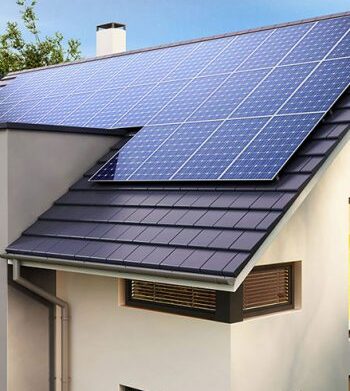
2. Space optimization: High-efficiency solar panels are ideal for installations with limited roof space. Since they generate more electricity within a smaller footprint, you can install fewer panels to achieve the desired energy output. This can be particularly beneficial for small rooftops or areas with space constraints.
3. Cost savings: While high-efficiency solar panels may have a higher upfront cost, they can result in long-term cost savings. With more electricity generated, you can offset a significant portion of your electricity bill and potentially earn greater returns from solar panel installations.
Factors Affecting Solar Panel Efficiency
Several factors can impact the efficiency of solar panels. It’s essential to be aware of these factors when considering the best solar panel options for your specific needs:
1. Material quality: The materials used in manufacturing solar panels can significantly affect their efficiency. High-quality materials with superior light absorption and low electron recombination rates can increase conversion efficiency.
2. Temperature coefficient: Solar panels are less efficient at higher temperatures. Panels with a lower temperature coefficient perform better in hot climates, maintaining higher efficiency levels even in high-temperature conditions.
3. Installation and orientation: Proper installation and orientation of solar panels can also impact their efficiency. Panels should be positioned at the optimal angle for maximum sunlight throughout the day. Additionally, shading from nearby buildings or trees should be minimized to maximize sunlight exposure.
Monocrystalline Solar Panels
Definition and characteristics of monocrystalline solar panels
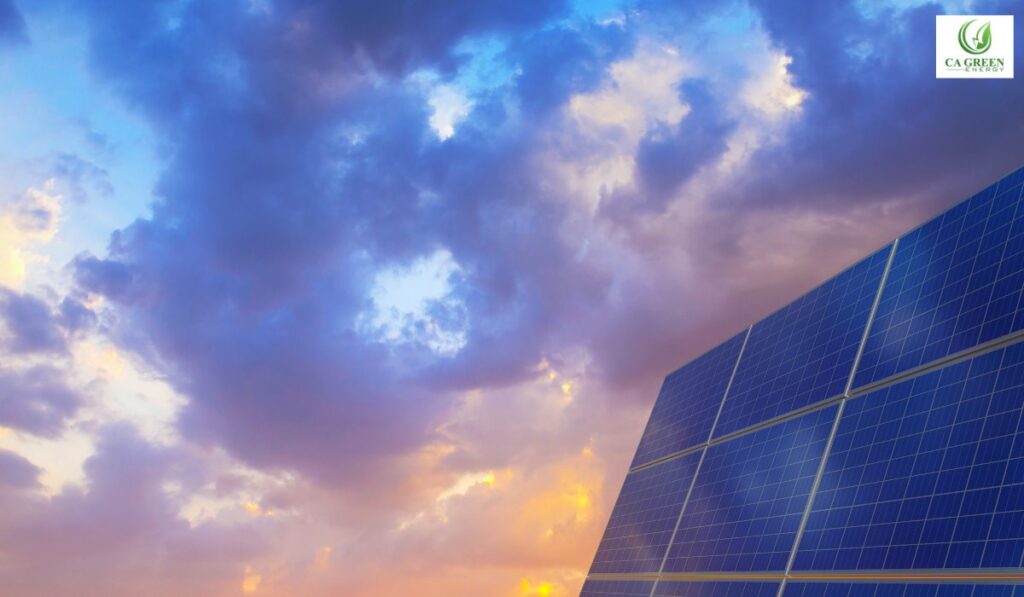
Monocrystalline solar panels are one of the most popular types available today. We are composed of a single crystal structure, which gives them a sleek black appearance. The manufacturing process involves slicing a cylindrical ingot made from pure silicon into thin wafers, which are then assembled into solar cells.
Here are some critical characteristics of monocrystalline solar panels:
- Efficiency: Monocrystalline solar panels are known for their high-efficiency rates. They are among the most efficient options, with up to 22.8% maximum efficiency ratings. This means that they can convert a more significant percentage of sunlight into electricity than other solar panels.
- Space efficiency: Monocrystalline solar panels also have an advantage regarding space efficiency. Due to their high conversion efficiency, they require less surface area to generate the same amount of electricity as other panels. This makes them ideal for installations with limited space.
- Durability: Monocrystalline solar panels are built to last. They resist harsh weather conditions, including snow, rain, and high temperatures. They usually come with extended warranties, ensuring they will continue performing efficiently for many years.

Polycrystalline Solar Panel
Definition and characteristics of polycrystalline solar panels
Polycrystalline solar panels are another popular option in the solar panel market. Unlike monocrystalline panels, which are made from a single crystal structure, polycrystalline panels are made from multiple silicon crystals.
Comparison of polycrystalline solar panel efficiency with other types
Here is a comparison of polycrystalline solar panel efficiency with other commonly used types:
Monocrystalline solar panels: Monocrystalline panels have higher efficiency rates, often up to 22.8%. This means they can convert a more significant percentage of sunlight into electricity than polycrystalline panels. However, monocrystalline panels are usually more expensive than polycrystalline panels.
Thin-film solar panels: Thin-film panels generally have lower efficiency rates than monocrystalline and polycrystalline panels, ranging from 10% to 12%. They are lightweight and flexible, which can be advantageous for specific applications, but they require larger surface areas to generate the same amount of electricity as other panel types.
Effect of shading and obstructions on solar panel efficiency
Shading and obstructions can significantly impact the efficiency of solar panels. When a solar panel is shaded or partially blocked, it receives less sunlight, decreasing electricity production. Here’s how shading and obstructions affect solar panel efficiency:
Series-connected cells: Most solar panels have multiple solar cells connected in series. When one cell is shaded or obstructed, it can limit the current flowing through the whole panel, reducing output. Even a tiny amount of shade on a single cell can significantly impact the performance of the entire panel.
Bypass diodes: Some solar panels are equipped with bypass diodes that help mitigate the impact of shading. Bypass diodes allow current to flow around shaded cells, minimizing the decrease in electricity production.
Orientation and tilt: Properly orienting and tilting solar panels can reduce shading from nearby objects, such as trees or buildings. Maximizing the amount of direct sunlight the panel receives throughout the day can improve its efficiency.
Regular cleaning: Keeping solar panels clean and free from dirt, debris, and bird droppings is essential to maintain efficiency. Even a tiny amount of dirt or shading can noticeably affect electricity production.
Impact of local environmental conditions on solar panel performance
Apart from the factors mentioned above, local environmental conditions can also influence the performance of solar panels. Here are some considerations regarding solar panel performance in different environments:
1. Latitude and Sun Exposure: The amount of sunlight received at a particular location can vary based on latitude. Regions closer to the equator generally receive more direct sunlight throughout the year, resulting in higher solar panel performance. On the other hand, regions with higher latitudes or frequently cloudy weather may experience lower solar panel efficiency.
2. Climate: Climate conditions like temperature and humidity can affect solar panel performance. Extreme temperatures can impact the panels’ efficiency, while high humidity can reduce their overall performance. It is essential to select solar panels suitable for the specific climate in which they will be installed.
3. Air Quality: Air pollution can affect the amount of sunlight reaching solar panels. Areas with high levels of air pollution can experience reduced solar panel efficiency due to reduced sunlight penetration. Regular maintenance and cleaning can mitigate the impact of air pollution on solar panel performance.
Importance of choosing the right solar panel for maximum efficiency
When selecting solar panels, it is crucial to consider your specific requirements and consult with a solar professional. While efficiency is important, other factors such as cost, available space, and installation requirements significantly determine the most suitable option for your needs. Choosing the right solar panel will ensure maximum efficiency and optimize your investment in solar energy.