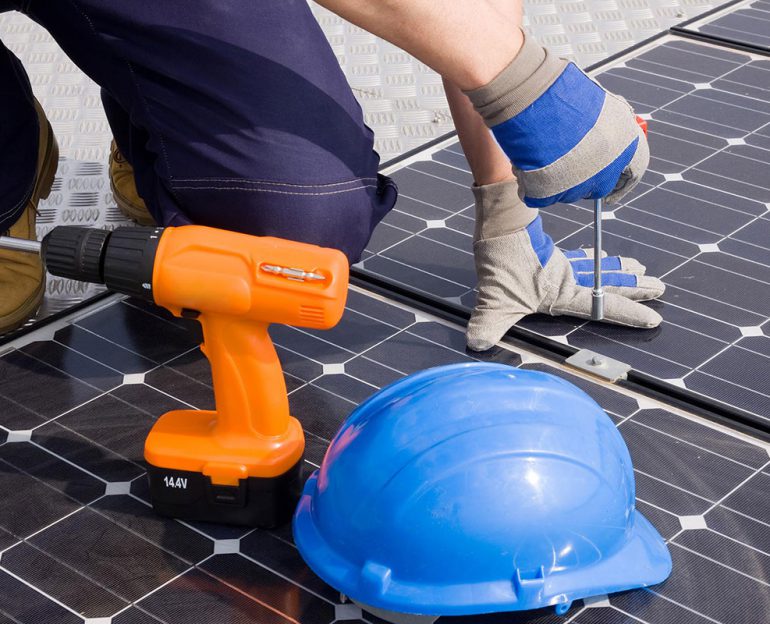
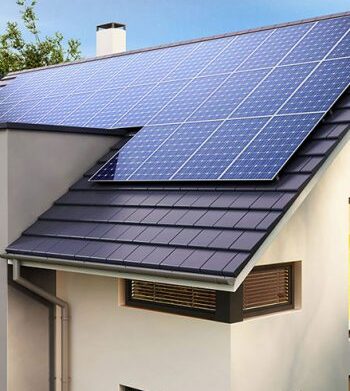
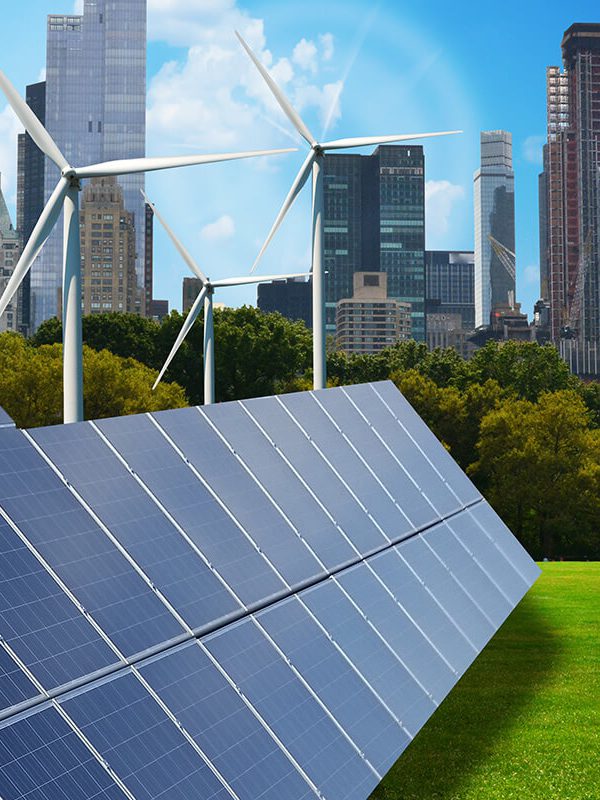
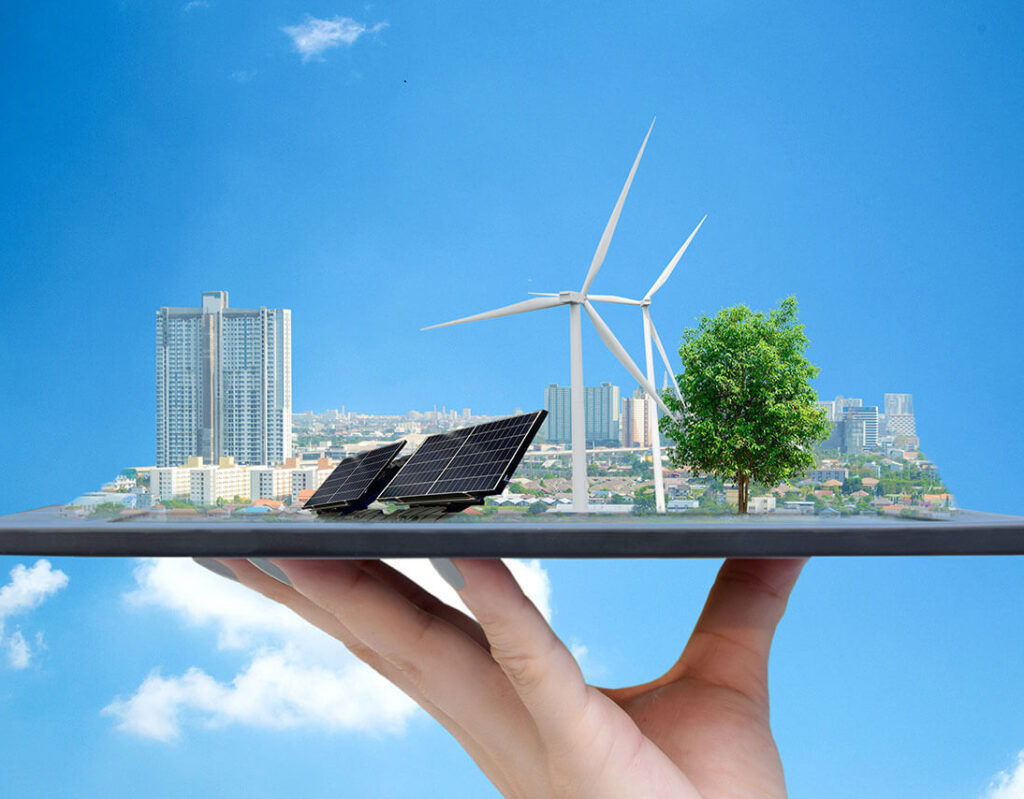
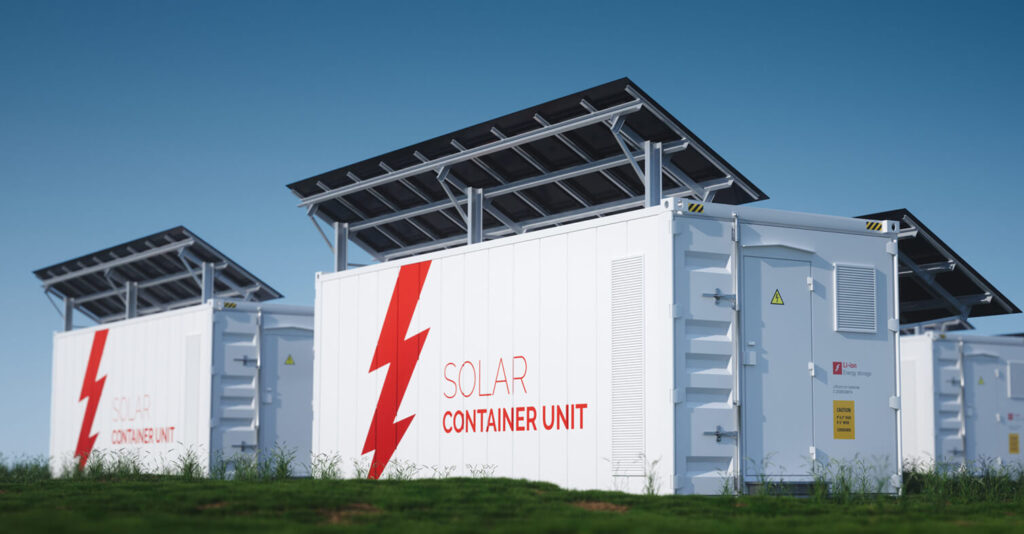
Solar panels are crucial in harnessing clean and renewable energy from the sun. They are installed on rooftops or open areas to capture the sun’s rays and convert them into electricity. The electricity generated by solar panels is then used to power homes, businesses, and even entire communities. Solar panels have become increasingly popular with the increasing demand for sustainable energy sources.
Benefits of Regular Cleaning
Regular cleaning and maintenance of solar panels are essential to ensure their optimal performance and longevity. Here are some key benefits of keeping your solar panels clean:
1. Maximizes energy production: Dust, dirt, and other debris can accumulate on the surface of solar panels over time. This buildup reduces the sunlight reaching the solar cells, decreasing their efficiency. Regular cleaning helps to remove these obstructions and allows the panels to absorb maximum sunlight, resulting in higher energy production.
2. Prevents shading issues: Shading can significantly impact the performance of solar panels. Over time, tree branches, leaves, or nearby structures can cast shadows on the panels, reducing their energy output. By cleaning the panels regularly, you can promptly identify and address any shading issues, ensuring your system operates at its optimal capacity.
3. Improves efficiency: Solar panels free from dirt and debris can better convert sunlight into electricity. Clean panels can operate at their maximum efficiency, allowing you to maximize the return on your investment.
4. Extends lifespan: Proper maintenance, including regular cleaning, can help extend the lifespan of your solar panels. Removing dirt, grime, and other contaminants can prevent long-term damage and ensure that your panels generate clean energy for years.
5. Saves money: When solar panels operate at their highest efficiency, they can save you significant amounts of money. Regular cleaning helps maintain optimal performance and ensures you get the most out of your solar system.
What NOT to do
To avoid damaging your panels while cleaning them yourself, make sure you adhere to the following:
1. Use the proper supplies: Avoid using abrasive materials such as steel wool, scouring pads, or harsh chemicals that can scratch or damage the surface of the panels. Instead, gently clean the panels with a soft cloth or sponge and a mild, non-abrasive detergent.
2. Avoid excessive force: Solar panels are made to withstand various weather conditions, but excessive pressure or force during cleaning can damage the glass or the protective coating. Be gentle when cleaning and avoid applying unnecessary pressure.
3. Avoid cleaning during peak sunlight hours: Cleaning your solar panels during peak sunlight hours can be dangerous. The panels can become very hot, and water or cleaning solutions can evaporate quickly, leaving behind residues that can cause damage. It is best to clean your panels early in the morning or late in the afternoon when they are more relaxed.
4. Do not use high-pressure water or steam cleaners: While these may seem quick and efficient ways to clean solar panels, they can cause damage. The force of the water or steam can crack or dislodge the panels’ delicate components. Stick to gentle cleaning methods using regular tap water.
Gathering Tools and Materials
You must gather a few tools and materials to clean your solar panels correctly. Here are the essential items you will need:
Tools and materials required for solar panel cleaning
- Soft-bristle brush or sponge: Choose a brush or sponge with soft bristles to avoid scratching the surface of your panels.
- Bucket of warm water: Fill a bucket with warm water for your cleaning solution.
- Dish soap: Use a mild dish that does not contain harsh chemicals or detergents. Avoid using strong detergents or soaps that can be corrosive to the solar panel surface.
- Microfiber cloth: Use a microfiber cloth to dry the panels after cleaning, as it is gentle and won’t leave any scratches.
- Extension pole or ladder: Depending on the height of your panels, you may need an extension pole or a ladder to reach them safely.
Safety Equipment and Precautions
While cleaning your solar panels, it is essential to take some safety precautions to avoid accidents. Here are a few tips to keep in mind:
1. Turn off the power: Before starting cleaning, turn off the power to your solar panels. This will ensure your safety and prevent any electrical shocks.
2. Wear protective gear: Wear gloves and safety goggles to protect your hands and eyes from any chemicals or debris on the panels.
3. Secure yourself: If you use a ladder, ensure it is stable and placed on a flat surface. Always maintain three points of contact (two hands and one foot or two feet and one hand) while climbing.
4. Avoid standing on the panels: Never step or stand on your solar panels, as this can cause them to crack or break. Always clean them from a stable platform such as a ladder or an extension pole.
5. Check for damages: Inspect your solar panels for damages or loose connections before starting the cleaning process. Contact a professional to assess and fix the issue if you notice anything unusual.
6. Clean in the morning or evening: You should clean your solar panels either early in the morning or during the evening when they are excellent and not exposed to direct sunlight. This will prevent any water or cleaning solution from drying quickly and leaving streaks.
Remember, these are general guidelines for cleaning solar panels. Always consult the manufacturer’s instructions or contact a professional for specific advice on cleaning and maintaining your solar panels.
Preparing the Cleaning Solution
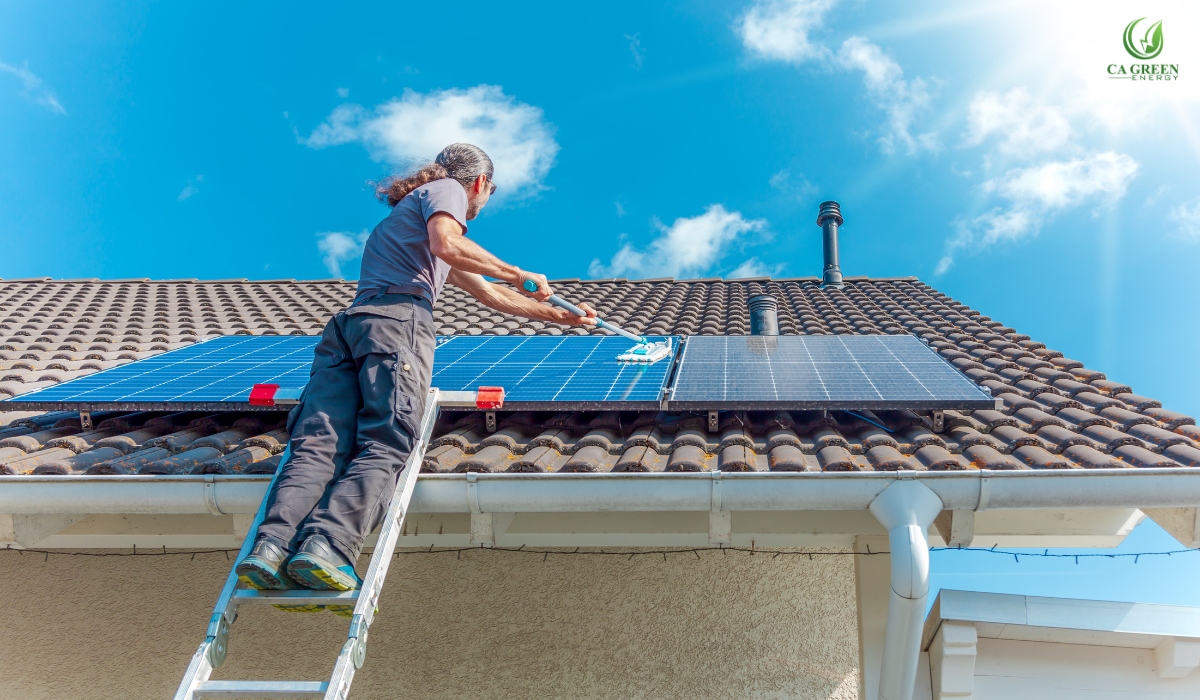
Creating a mild soap and water cleaning solution
You must prepare a mild soap and water cleaning solution to clean your solar panels effectively. Follow these steps to create the solution:
- Fill a bucket with warm water: Start by filling a bucket with warm water. The warm water will help loosen any dust or debris on the panels.
- Add a small amount of mild dish soap: Add a small amount of mild dish soap to the bucket of warm water. Make sure to use a soap that does not contain harsh chemicals or detergents, as these can damage the surface of your solar panels.
Recommended Proportion and Mixing Instructions
The correct proportion of soap to water ensures an effective cleaning solution. The recommended proportion is approximately one tablespoon of soap for every gallon of water. This ratio will help create a mild, gentle solution on the panels.
To mix the solution, stir gently with a clean sponge or brush until the soap fully dissolves. Avoid creating excessive suds, as this can make rinsing more difficult.
Once the solution is mixed, you can start cleaning your solar panels.
Cleaning Your Solar Panels
Now that you have gathered the necessary tools and materials and prepared the cleaning solution, it’s time to clean your solar panels. Follow these steps to ensure a proper and safe cleaning process:
1. Start by rinsing the panels: Use a hose or sprayer to rinse the panels gently with water before applying the cleaning solution. This will help to remove any loose dirt or debris.
2. Apply the cleaning solution: Next, dip your soft-bristle brush or sponge into the cleaning solution and gently scrub the surface of your panels. Be sure to apply light pressure and avoid using abrasive materials, which can scratch the panels.
3. Rinse off the cleaning solution: After scrubbing, rinse off the cleaning solution using a hose or sprayer. Make sure to rinse each panel thoroughly to remove any soap residue.
4. Dry the panels: Once they are rinsed, gently dry them with a clean microfiber cloth. Wipe in a gentle, circular motion to avoid leaving any streaks.
5. Inspect for streaks or spots: After drying, inspect the panels for any streaks or spots. If you notice any, you can gently buff them with a clean, dry microfiber cloth.
Always follow the manufacturer’s instructions or consult a professional for specific advice on cleaning and maintaining your solar panels. Regular cleaning and maintenance will help to ensure optimal performance and prolong the lifespan of your solar panels.
Clearing Debris and Assessing Cleaning Needs
Removing leaves and large debris from solar panels
Before starting the cleaning process, clearing away any leaves, branches, or other large debris that may have accumulated on your solar panels is crucial. This debris can block sunlight and reduce the efficiency of your panels. Here’s what you need to do:
1. Inspect the surface: Carefully examine the surface of your solar panels and look for any visible debris. Use a soft-bristle brush or broom to gently sweep away leaves, sticks, or other large particles.
2. Be cautious while clearing debris: Take extra care when removing debris to avoid accidentally scratching or damaging the surface of your panels. Use gentle brushing or sweeping motions and avoid applying excessive pressure.
3. Use a non-abrasive tool: If stubborn debris or dirt cannot be easily removed with a brush or broom, use a plastic scraper or rubber spatula to scrape it off gently. Avoid using metal tools or abrasive materials that can scratch the surface.
Identifying Specific Cleaning Problems that Need Attention
While cleaning your solar panels, you may encounter specific problems requiring more attention. Here are a few common issues and what you can do to address them:
1. Bird droppings: Bird droppings can accumulate on solar panels and create a film that reduces their efficiency. To remove bird droppings, first, spray water on the affected area to soften it. Then, use a soft cloth soaked in mild, soapy water to gently wipe away the droppings, making sure not to scrub too hard or use abrasive materials.
2. Hard water stains: If you live in an area with hard water, you may notice mineral deposits or white spots on your solar panels. Mix vinegar with water in a 1:1 ratio to remove hard water stains and apply the solution to the affected areas. Let it sit for a few minutes, then gently scrub it with a soft brush or sponge. Rinse thoroughly with clean water and dry with a microfiber cloth.
3. Grease or oil marks: If your solar panels are near a grease or oil source, such as a BBQ grill or kitchen exhaust vent, they may get dirty with grease or oil marks. Use a mild dish soap and warm water solution to remove these marks. Apply the soapy water to the affected areas and gently scrub with a soft sponge or cloth. Rinse thoroughly and dry with a microfiber cloth.
Always take necessary safety precautions, refer to the manufacturer’s instructions, or consult a professional for specific advice on cleaning and maintaining your solar panels. Regular cleaning will help ensure your solar panels operate efficiently and generate maximum electricity.
Cleaning Process Steps
Step-by-step instructions for cleaning solar panels
Cleaning your solar panels regularly is essential to ensure their optimal performance. Here’s a step-by-step guide to help you clean your solar panels effectively:
- Gather your cleaning supplies: Before you begin cleaning, gather all the necessary supplies. You will need a soft sponge or brush, mild dish soap, warm water, a plastic scraper or rubber spatula, vinegar, a soft cloth, and a microfiber cloth for drying.
- Start with debris removal: Before applying any cleaning solution, remove any leaves, branches, or large debris that may have accumulated on the surface of your solar panels. Use a soft-bristle brush or broom to sweep away the debris gently. Be cautious to avoid scratching the panels.
- Prepare a cleaning solution: Mix a small amount of mild dish soap with warm water to create a soapy solution. Avoid using harsh chemicals or abrasive cleaners that can damage the panels.
- Scrub gently: Dip a soft sponge or brush into the soapy water and gently scrub the surface of the solar panels. Use circular motions and apply light pressure to remove dirt, dust, and grime. Be careful not to scrub too hard to avoid scratching the panels.
- Address specific cleaning problems: If you encounter specific cleaning issues, such as bird droppings, hard water stains, or grease marks, follow the instructions in the section above to tackle each problem effectively.
- Rinse thoroughly: After scrubbing, rinse the panels thoroughly with clean water. Make sure to remove all traces of soap or cleaning solution. Use a hose or a bucket of clean water to rinse the panels.
- Remove excess water: To avoid water spots, use a lint-free cloth or squeegee to remove excess water from the solar panel’s surface. Start from the top and work your way down, gently wiping away the water.
- Dry the panels: After removing excess water, use a microfiber cloth to dry the panels completely. This will help prevent streaks or water spots from forming.
When to Seek Professional Services
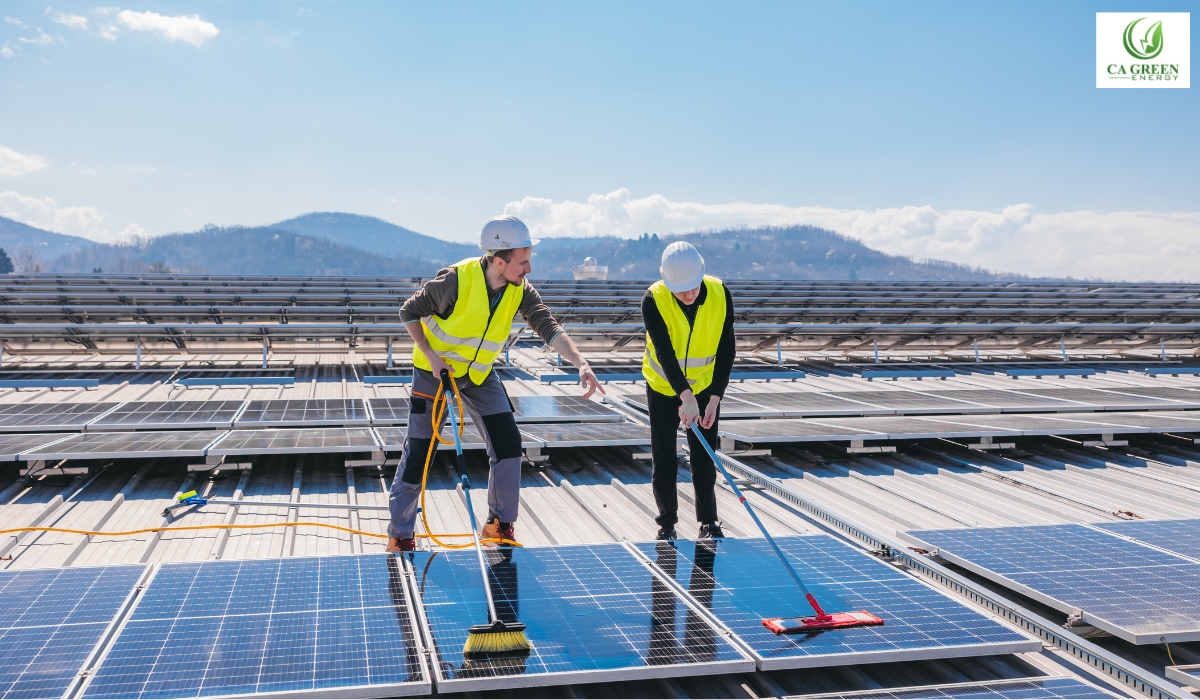
Cleaning solar panels can be a straightforward task, but there may be circumstances where it is best to seek professional help. Consider contacting a professional in the following situations:
- Complex cleaning issues: If you encounter complex cleaning issues that require specialized knowledge or equipment, it is recommended that you consult a professional. They will have the expertise to address these problems effectively and safely.
- Height and accessibility challenges: If your solar panels are located in hard-to-reach areas or at dangerous heights, it is best to leave the cleaning to professionals trained to handle such situations.
Remember, proper maintenance and regular cleaning will ensure that your solar panels perform optimally and continue to generate maximum electricity. By following safety precautions and seeking professional assistance when necessary, you can keep your solar panels in top condition and enjoy the benefits of clean, efficient energy production.
Benefits of Professional Solar Panel Cleaning Services
Hiring professional solar panel cleaning services can provide a range of benefits for maintaining the efficiency and longevity of your solar panels. Here are some advantages to consider:
1. Expert knowledge and experience: Professional cleaners specialize in solar panel cleaning and have extensive knowledge of the best cleaning techniques and products. They understand the delicate nature of solar panels and how to clean them effectively without causing damage.
2. Time-saving: Cleaning solar panels can be time-consuming, especially if you have a large installation or hard-to-reach panels. By hiring professionals, you can save time and focus on other important tasks while the experts handle the cleaning for you.
3. Safety assurance: Professionals have the necessary safety equipment, training, and experience to ensure a safe cleaning process. They are equipped to handle potential hazards and minimize the risk of accidents or injuries during cleaning.
4. Enhanced productivity: Clean solar panels perform optimally and generate maximum electricity. Professional cleaning services can remove dirt, dust, and debris that may hinder your panels’ performance, thus maximizing their efficiency and output.
Tips for Maintaining and Prolonging the Life of Solar Panels
To ensure the longevity and efficiency of your solar panels, it is essential to follow proper maintenance practices. Here are some tips to help you take care of your solar panels:
1. Regular inspections: Schedule regular inspections of your solar panels to check for any signs of damage or issues. Look for cracks, loose connections, or discoloration. If you notice any problems, address them promptly to prevent further damage.
2. Keep the panels clean: Regularly clean your solar panels to remove dirt, dust, and debris affecting their performance. Use a soft brush or cloth with soap and water to gently clean the surface. Avoid using abrasive materials or harsh chemicals that may cause scratches or damage.
3. Trim surrounding vegetation: Ensure no overhanging branches or vegetation can block sunlight from reaching your solar panels. Trim any nearby trees or plants that may cast shadows on the panels, as this can reduce their efficiency.
4. Monitor performance: Monitor your solar panels’ performance to ensure they generate the expected amount of electricity. If you notice a significant decrease in energy production, it may indicate a problem that requires professional attention.
Regularly cleaning and maintaining your solar panels is crucial for longevity and efficiency. It helps remove dirt, dust, and debris hindering their performance and allows you to identify and address any potential issues promptly. By following the proper cleaning and maintenance practices, you can maximize the lifespan of your solar panels and ensure they continue to provide clean, renewable energy for years to come.