Solar panels are an excellent investment for homeowners looking to save money on their energy bills and reduce their carbon footprint. However, like any other technology, solar panels can sometimes experience issues. That’s why it’s essential to know how to diagnose and resolve common problems independently. By troubleshooting solar panel issues, you can ensure that your panels function optimally and enjoy the benefits of clean, renewable energy.
Common Issues Faced by Solar Panel Owners
Here are some common problems that solar panel owners may encounter:
1. Low power or no power output: If your solar panels are not generating the expected amount of electricity or not producing any power, there may be an issue with the system.
2. Faulty wiring or connections: Poorly installed or loose connections can decrease power output or cause the system to shut down completely.
3. Inverter issues: The inverter converts the DC power generated by the solar panels into AC power that can be used in your home. If the inverter is not functioning correctly, it can affect the overall performance of your solar panel system.
4. Shading: Trees, buildings, or other obstructions that cast shadows on your solar panels can significantly reduce efficiency. It’s important to regularly trim trees or address any shading issues to ensure optimum power generation.
5. Dirt or debris on the panels: Accumulated dirt, leaves, or bird droppings can impact the performance of your solar panels. Regular cleaning and maintenance can help prevent these issues.
How to Diagnose Solar Panel Problems in 5 Easy Steps
Now that you understand the common issues faced by solar panel owners let’s dive into the steps you can take to diagnose and resolve these problems on your own:
1. Check your breaker switches: Check the breaker switches in your electrical panel. Ensure the solar panel system switches are in the “on” position. Sometimes, these switches can be accidentally turned off, causing a loss of power.
2. Examine the wiring and connections: Inspect the wiring and connections of your solar panel system. Look for loose wires or connections that could impact the system’s performance. Tighten any loose connections or consider contacting a professional for further assistance.
3. Monitor the inverter: Check the display or indicators on your inverter to see if there are any error codes or messages. Refer to the manufacturer’s manual for troubleshooting steps specific to your inverter model. If the issue persists, contacting a professional for repairs or replacement may be necessary.
4. Assess shading issues: Look at your solar panels at different times of the day to see if any shading is present. If you notice obstructions casting shadows on the panels, consider trimming trees or addressing the issue by repositioning the panels.
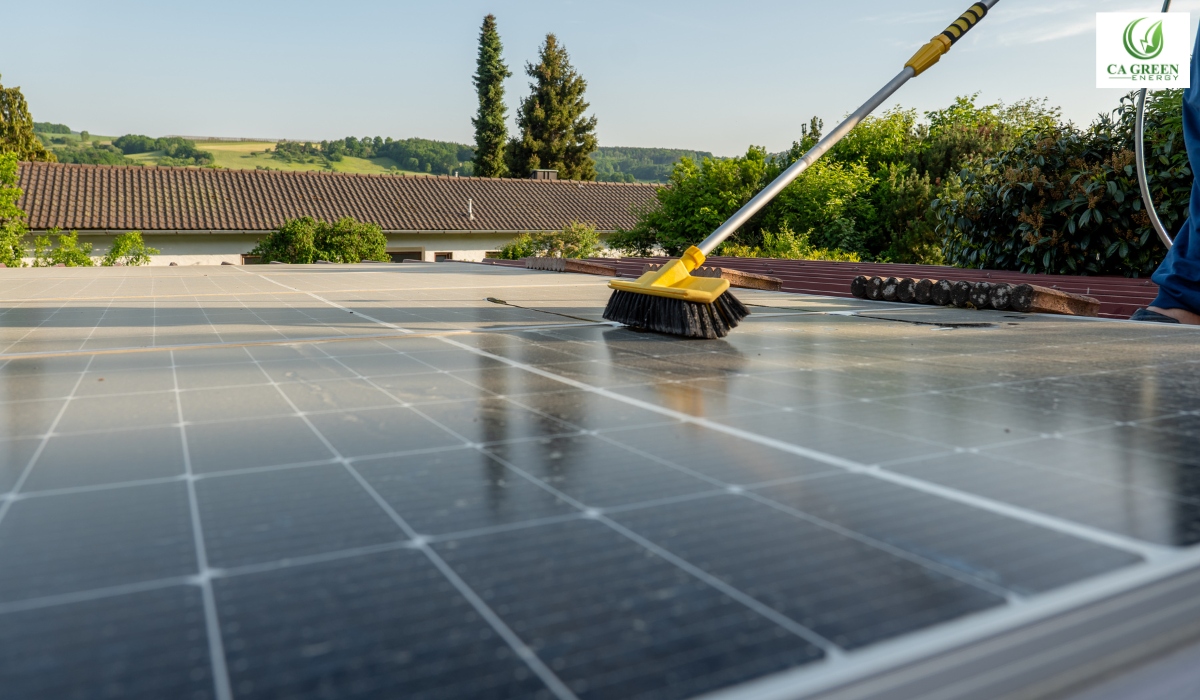
5. Clean the panels: Inspect the surface of your solar panels for dirt, debris, or any other buildup that could affect their performance. Use a soft brush or sponge with mild, soapy water to clean the panels gently. Avoid using abrasive materials or harsh chemicals, as they can damage the panels.
By following these five steps, you can quickly identify and resolve common solar panel problems. However, it’s essential to prioritize your safety throughout the troubleshooting process. If you feel uncomfortable or unsure about any step, it’s best to consult a professional who can provide expert guidance.
Visual Inspection
Inspecting for physical damage and debris
Inspecting your solar panels for physical damage or debris is the first step in diagnosing any potential problems. Here’s how you can perform a visual inspection:
- Check for cracks or chips: Scrutinize each panel to see any visible cracks or chips on the surface. These damages can affect the panel’s performance and require professional repair or replacement.
- Look for loose connections: Inspect the connections between the panels and the mounting racks to ensure they are secure. Loose connections can cause power interruptions and reduce overall system efficiency.
- Clear away debris: Remove fallen leaves, dirt, or other debris covering the panels’ surface. This can obstruct sunlight and reduce their efficiency.
Checking the Condition of the Wiring
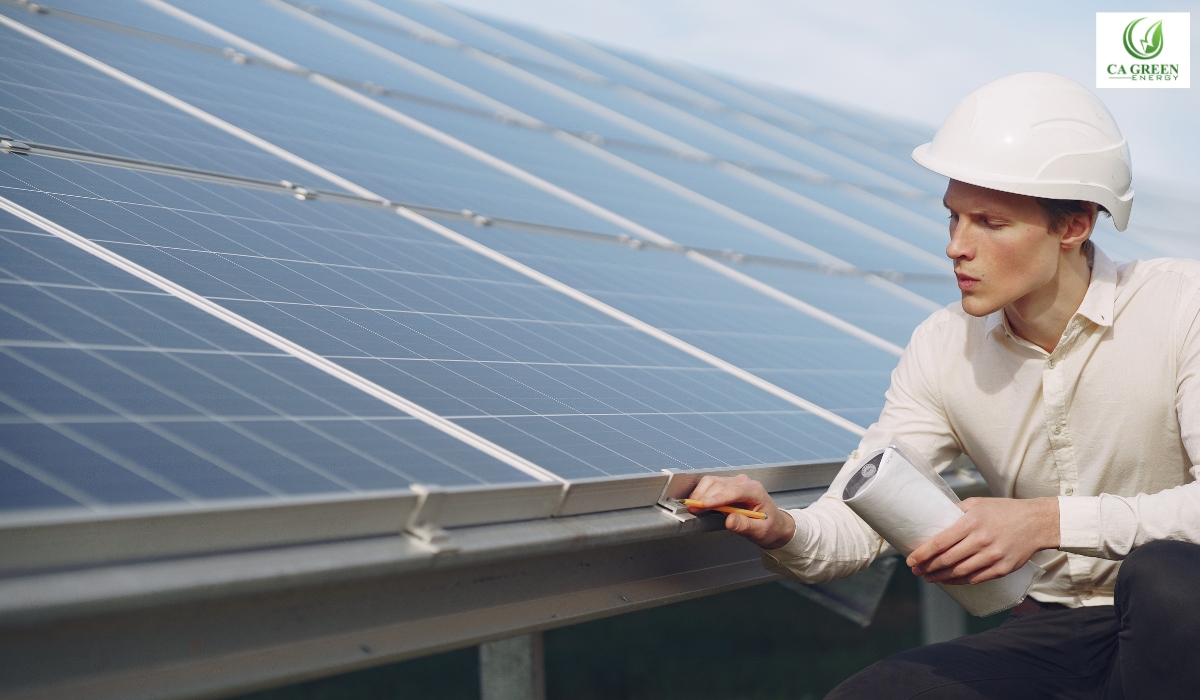
Next, you’ll want to check the condition of the wiring connected to your solar panels. Faulty wiring can lead to electrical issues and decrease the system’s performance. Here’s what you should do:
- Inspect the wiring connections: Carefully examine the connections between the panels, inverters, and battery storage (if applicable). Look for any signs of loose or damaged connections, such as exposed wires or corrosion.
- Check for rodent damage: Rodents can sometimes chew through wiring insulation, causing electrical shorts or disruptions. Look for any signs of rodent activity near your panels and inspect the wiring for any chew marks or exposed sections.
- Ensure proper insulation: Inspect the wiring insulation to ensure it is intact and not damaged. Damaged insulation can lead to electrical hazards and system malfunctions.
By performing a thorough visual inspection and checking the condition of the wiring, you can identify any physical damages or electrical issues that may be affecting the performance of your solar panels. Remember, if you’re unsure about anything or notice any significant issues, it’s best to consult a professional solar technician for further assistance.
Monitoring System Readings
Analyzing solar panel output and performance
Once you have finished inspecting your solar panels visually, the next step is to analyze the system’s reading and performance data. This will give you a better understanding of how well your panels are functioning and whether any issues should be addressed. Here’s what you can do:
- Check the energy production readings: Look at your solar monitoring system or inverter for real-time energy production readings. Ensure the numbers are within the expected range based on weather conditions and the time of day.
- Compare past and present readings: Compare the current energy production readings with the historical data available in your monitoring system. Look for any significant decreases or fluctuations that may indicate a problem with the panels or the overall system.
- Monitor individual panel performance: Some monitoring systems provide data on each panel’s output. Check if any panels are underperforming compared to the others. This could be a sign of shading, damaged cells, or other issues.
Identifying Irregularities in Energy Production
In addition to analyzing the overall performance data, looking for any irregularities or anomalies in your energy production is essential. Here are a few key indicators to consider:
- Sudden drop in energy production: If you notice a sudden and significant decrease in your energy production, it could be a sign of a faulty panel, inverter, or wiring issue. Investigate further to pinpoint the cause.
- Inconsistent output patterns: Look for patterns in your energy production data. Ideally, you should see a consistent daily output curve. If you notice sudden dips, spikes, or inconsistent patterns, it may indicate an underlying problem.
- Abnormal system alerts or error codes: Pay attention to any system alerts or error codes displayed by your solar monitoring system or inverter. These alerts are designed to notify you of potential problems, such as a fault in the system or a malfunctioning component.
Inverter Issues
In a solar panel system, the inverter is a critical component that converts the solar panels’ direct current (DC) electricity into alternating current (AC) electricity that can be used in your home. If your solar panels are not working, consider the possibility that the inverter may be the culprit.
The inverter serves as the heart of your solar panel system. It not only converts the DC electricity into usable AC electricity but also manages the flow of power between your solar panels, the utility grid, and your home. It ensures that your system operates safely and efficiently.
Troubleshooting Common Inverter Problems
If you suspect that the inverter is causing issues with your solar panel system, here are some common problems to look out for and possible solutions:
- No AC output: If you’re not getting any AC output from your inverter, it could indicate a power or connection issue. Ensure the inverter is correctly connected to the solar panels and the utility grid. Check the circuit breakers and reset them if necessary. If the problem persists, consult a professional solar technician.
- Faulty display: If the inverter’s display is not functioning or displaying error messages, try rebooting it. Disconnect the power supply and wait for a few minutes before reconnecting it. If the problem persists, refer to the manufacturer’s manual for troubleshooting steps or contact technical support.
- Overheating: Inverters can sometimes overheat, especially in hot climates or if they are installed in areas with poor ventilation. Ensure that there is adequate airflow around the inverter and that it is not obstructed by debris or other objects. If the inverter continues to overheat, it may require professional servicing.
- Grid disconnection: Certain inverter models are designed to disconnect from the grid during a power outage or maintenance. If your solar panels stop generating electricity during these instances, the inverter is likely operating normally. Check the inverter’s manual or contact the manufacturer for more information.
- Inverter failure: In rare cases, the inverter may experience a complete failure. This could be due to manufacturing defects or other technical issues. If you suspect your inverter is faulty, contact the manufacturer or a professional solar technician for diagnosis and potential replacement.
Remember, while these troubleshooting steps can help you identify and potentially resolve inverter issues, it’s always best to consult a professional if you’re unsure or the problem persists. A trained solar technician can provide expert advice and assistance to ensure the optimal performance of your solar panel system.
Battery Malfunctions
Examining battery performance and capacity
Batteries are often included in solar panel systems to store excess solar energy for later use. If you suspect your solar panels are not working correctly, consider whether a battery malfunction could be the cause. Here’s what you need to know about battery performance and how to troubleshoot any related issues.
First, you should examine the performance and capacity of your solar panel system’s battery. Check the battery’s state of charge to ensure it has enough power. You may need to consult the battery’s user manual for instructions on how to do this properly. Additionally, check the battery’s voltage and compare it to the recommended range. If the voltage is too low, it could indicate a malfunction.
If the battery is not holding a charge or its capacity has significantly decreased, it may be time to consider replacing it. Over time, batteries can degrade and lose their ability to store energy effectively. Consult a professional solar technician to determine the best action and ensure the new battery is compatible with your solar panel system.
Resolving Battery-Related Issues
If you suspect that your battery is experiencing issues, the following troubleshooting tips may help:
- Check connections: Ensure all connections between the battery and the solar panels are secure and corrosion-free. Loose or damaged connections can affect the flow of energy and decrease performance.
- Inspect for damage: Check the battery for any signs of physical damage, such as cracks or leaks. Damaged batteries may need to be replaced to ensure safe and efficient operation.
- Clean the battery: Over time, dust and debris can accumulate on the battery and hinder its performance. Use a soft cloth or brush to clean the battery, avoiding any contact with liquid gently. Be sure to follow any cleaning instructions provided by the battery manufacturer.
- Consider temperature: Extreme temperatures can affect the performance and lifespan of the battery. If your solar panel system is in an area with high temperatures, consider implementing cooling measures to protect the battery and improve its overall performance.
- Follow maintenance guidelines: Regular maintenance is essential to keep your battery functioning optimally. Follow the guidelines provided by the battery manufacturer, including recommendations for periodic inspections and maintenance tasks.
Shading and Obstructions
Recognizing the impact of shading on solar panel efficiency
Shading can significantly affect the performance of your solar panels by blocking out sunlight and reducing the amount of energy they can generate. Understanding the impact of shading on your solar panel efficiency is essential. Here are some key points to consider:
- Shading on even a tiny part of a solar panel can significantly decrease power output.
- Shading can come from various sources, including trees, buildings, chimneys, or nearby structures.
- Seasonal changes in the position and angle of the sun can also cause shading issues, as the intensity and direction of sunlight vary throughout the year.
Implementing Strategies to Minimize Obstructions
To ensure optimal performance of your solar panel system, minimizing obstructions that can cause shading is essential. Here are some strategies you can implement:
- Regular tree maintenance: Trim or remove any trees that cast shadows on your solar panels, especially during the peak hours of sunlight. This will help maximize the amount of sunlight they receive.
- Consider alternative panel placement: If you anticipate shading issues due to nearby structures or trees, consider adjusting the placement of your solar panels. Consult a professional to determine the best orientation and angle to minimize daily shading.
- Use shade analysis tools: Online tools and mobile apps are available to help you analyze potential shading issues. These tools use satellite imagery and advanced algorithms to simulate shading patterns and optimize the placement of your solar panels.
- Install shade mitigation devices: If shading is unavoidable, you can install shade mitigation devices such as bypass diodes or module-level power optimizers. These devices can help minimize the impact of shading by redirecting the flow of electricity and maximizing the power output of each panel.
- Regular cleaning and maintenance: Keep your solar panels clean and free from debris that can obstruct sunlight. Regularly inspect and clean the panels to ensure they are operating efficiently.
Implementing these strategies can minimize the impact of shading and obstructions on your solar panel system. Regular maintenance and monitoring are crucial to ensuring optimal performance and maximizing energy savings.
Environmental Factors
Addressing issues related to extreme weather conditions
Extreme weather conditions can impact the performance and durability of your solar panels. Here are some steps you can take to address issues related to extreme weather conditions:
- Snow removal: If you live in an area that receives heavy snowfall, removing snow from your solar panels is essential. Accumulated snow can block sunlight and prevent the panels from generating electricity. Use a soft broom or a snow rake with a non-abrasive head to gently remove the snow. Avoid using sharp objects or abrasive materials that can scratch or damage the panels’ surface.
- Protect against hail: Hailstorms can cause significant damage to solar panels. Investing in panels tested and certified for hail resistance can help mitigate this risk. You can also consider installing a hail protection system, such as a mesh or netting, to shield your panels from hail damage.
- Secure panels in high winds: Strong winds can dislodge or damage solar panels. Ensure your panels are securely mounted and adequately anchored to withstand high winds. Check for loose or damaged mounting hardware and tighten or replace it as needed.
Protecting Solar Panels from Environmental Damage
Apart from extreme weather conditions, other environmental factors can affect the performance and lifespan of solar panels. Here are some steps you can take to protect your panels:
- Regular cleaning: Regularly clean your solar panels to remove dirt, dust, bird droppings, and other debris that can accumulate on the surface. Use a soft cloth or sponge and a mild detergent to clean the panels gently. Avoid using abrasive cleaners or scrub brushes, which can scratch or damage the panels.
- Trim trees and vegetation: Overhanging branches or foliage can cast shadows on your panels and reduce efficiency. Trim any trees or vegetation that may shade your panels during peak sunlight hours. This will ensure that your panels receive maximum sunlight and produce optimal electricity.
- Prevent pest damage: Birds, squirrels, and other pests may be attracted to your solar panels and can cause damage to the wiring or other components. Install bird spikes or wire mesh around your panels to deter birds from nesting or perching on them. Check regularly for signs of pest activity and address any issues promptly.
- Protect against corrosive environments: If you live in an area with high levels of salt or pollutants in the air, the exposed metal components of your solar panels may be prone to corrosion. Regularly inspect the panels for signs of corrosion and apply a protective coating if necessary. Consult a professional for guidance on the best protective measures for your specific environment.
Tips for Ongoing Maintenance and Preventing Future Problems
To maintain the performance and longevity of your solar panels, consider the following tips:
- Regularly clean your panels to remove debris and dirt.
- Trim trees or vegetation that may cast shadows on the panels.
- Protect against pests by installing bird spikes or wire mesh.
- Inspect for signs of corrosion and apply protective coatings if necessary.
- Schedule regular maintenance and inspections with a professional.
By following these maintenance tips and performing routine checks, you can identify and resolve solar panel issues early, preventing further damage and ensuring optimal performance for years. Remember, solar panel maintenance is critical to maximizing your savings and the benefits of your solar energy system.