Solar Power Systems
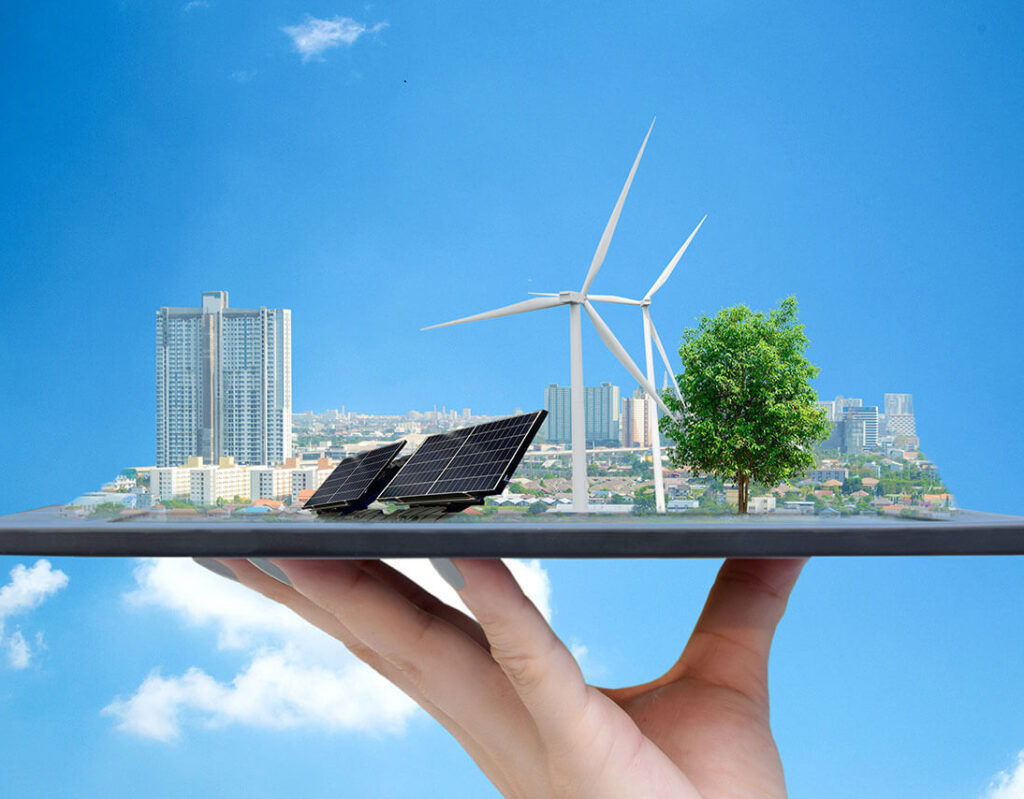
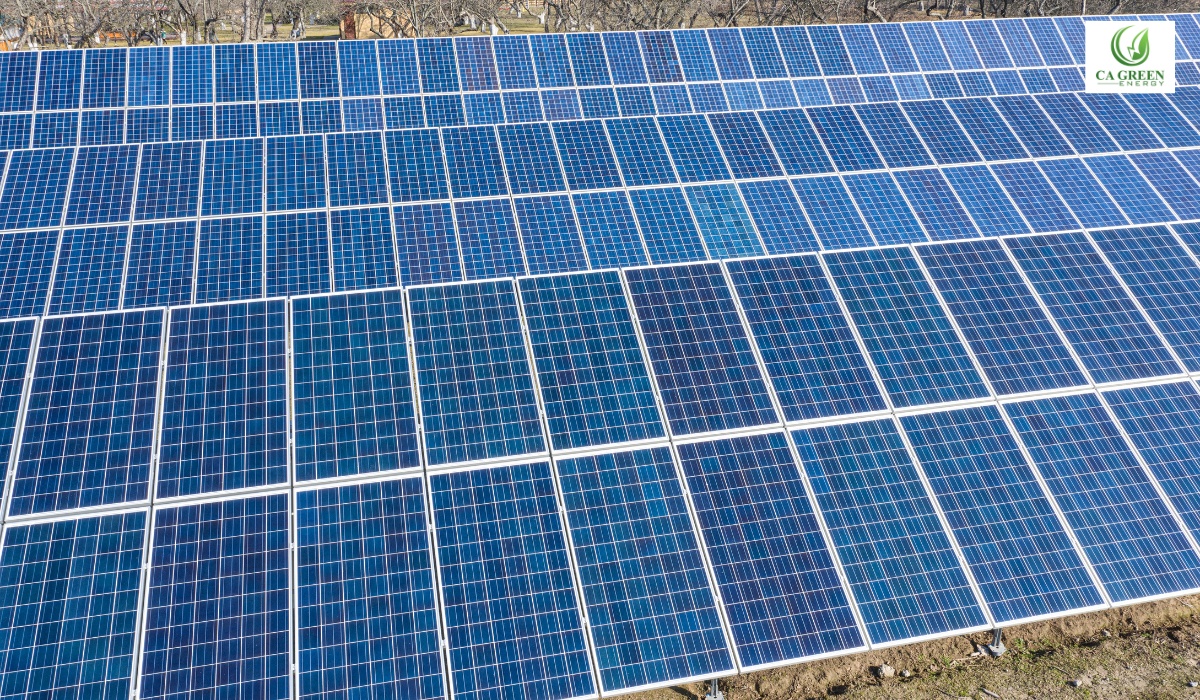
In recent years, solar power systems have gained significant attention and popularity in California. This renewable energy source harnesses the power of the sun to generate electricity, providing a clean and sustainable alternative to traditional energy sources. Solar panels are installed on rooftops or in open spaces to capture sunlight and convert it into usable energy.
Benefits of Solar Power Systems in California
There are several benefits to installing solar power systems in California:
- Cost Savings: Solar power can significantly reduce electricity bills. By generating your electricity, you can save on monthly utility expenses.
- Environmentally Friendly: Solar power is a clean and renewable energy source that reduces greenhouse gas emissions. By using solar energy, you contribute to the fight against climate change.
- Federal and State Incentives: California offers several incentives to encourage the adoption of solar power systems. These include rebates, tax credits, and net metering programs, which allow you to sell excess energy back to the grid.
- Energy Independence: Solar power systems provide a reliable source of energy, reducing dependence on the grid. This is particularly beneficial during power outages or emergencies.
- Increased Home Value: Installing solar panels can increase the value of your property. Many homebuyers are willing to pay a premium for homes with solar power systems already in place.
Types of Solar Power Systems
On-Grid Solar Power Systems in California
On-grid solar power systems, also known as grid-tied systems, are the most common and popular type of solar installation in California. These systems are connected to the local utility grid, allowing you to both generate and consume electricity from the grid as needed. Here are some key points about on-grid solar power systems in California:
- Advantages:
- You can take advantage of net metering, which allows you to earn credits for excess electricity generated by your solar panels and feed it back into the grid.
- You can reduce your electricity bills by offsetting your consumption with solar energy.
- On-grid systems require little to no maintenance, as the utility grid acts as a backup power source.
- Considerations:
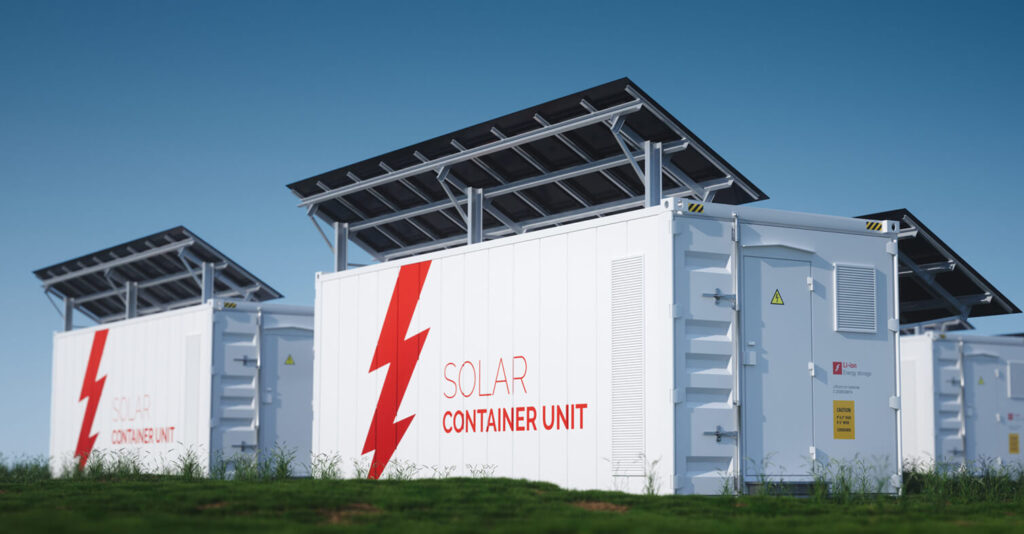
- If there is a power outage, on-grid systems will not continue to provide electricity unless you have a separate backup power source, such as a battery storage system.
- The net metering rules in California have recently changed, potentially reducing the financial benefits for homeowners who install solar panels.
Off-grid solar power systems in California
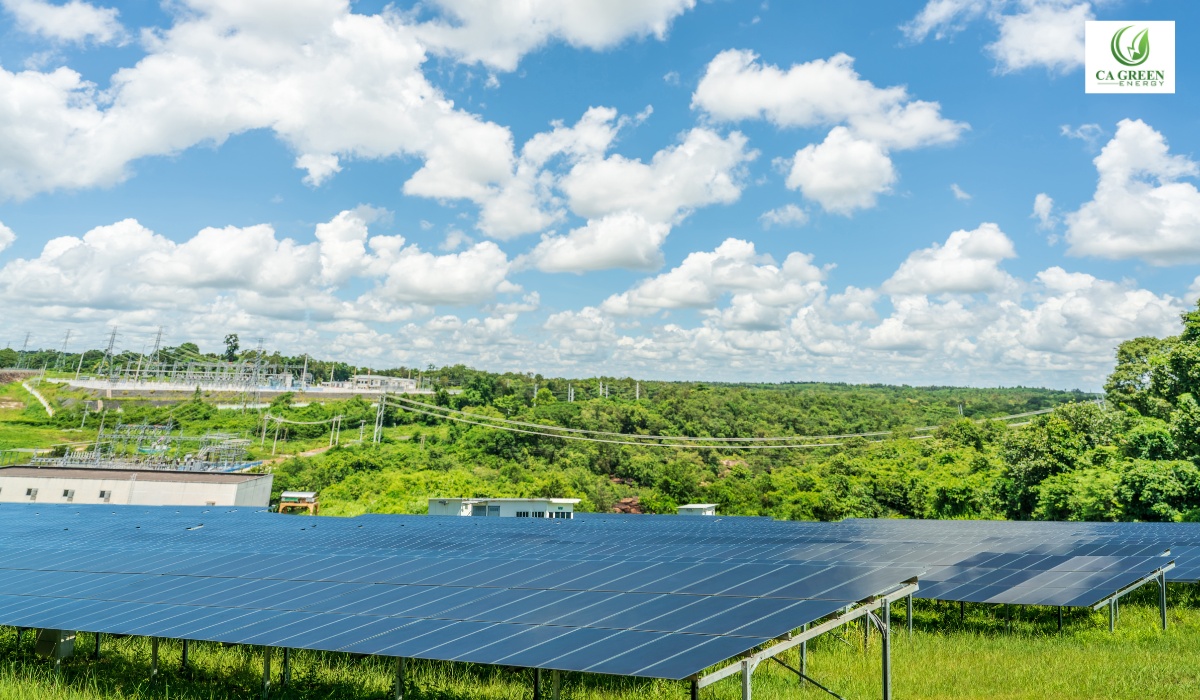
Off-grid solar power systems, also known as standalone systems, are not connected to the utility grid. These systems are designed to provide electricity independently, typically in remote or rural areas where grid connections are not available. Here are some key points about off-grid solar power systems in California:
- Advantages:
- You can achieve complete energy independence and have control over your own electricity generation and consumption.
- Off-grid systems are not affected by changes in net metering rules or utility pricing changes.
- These systems can be installed in areas without access to the utility grid, expanding solar energy options to more locations.
- Considerations:
- Off-grid systems require battery storage to store excess energy for use during nights or cloudy days, increasing the upfront cost of installation.
- These systems require more careful planning and sizing to ensure they can meet your electricity demands, as there is no backup power from the grid.
In summary, both on-grid and off-grid solar power systems have their advantages and disadvantages. The choice between the two depends on factors such as your location, energy needs, and budget. It is important to consult with a reputable solar installation company in California to determine the best type of system for your specific situation.
Installing Solar Power Systems
Factors to Consider When Installing Solar Power Systems in California
When it comes to installing solar power systems in California, there are several factors to consider to ensure you make the right choice for your energy needs. Here are some important considerations:
- Sunlight Availability: California is known for its abundant sunshine, but the amount of sunlight your location receives can vary. It is important to assess the orientation and shading of your property to determine the optimal placement for solar panels.
- Roof Condition: The condition and durability of your roof are another crucial factor. Solar panels are typically installed on rooftops, so it is important to evaluate whether your roof can support the weight of the panels and if any repairs or reinforcements are needed.
- Permitting and Regulations: California has specific regulations and permitting requirements when it comes to solar panel installations. It is essential to work with a reputable solar installation company that is familiar with the local regulations and can assist you with the necessary paperwork.
- Budget: Solar panel installations can vary in cost depending on factors such as the size of the system and the quality of the panels. It is important to determine your budget and explore financing options, such as solar loans or leasing programs, to make the investment more affordable.
Choosing the Right Solar Power System Size
Selecting the appropriate size for your solar power system is crucial to ensuring it meets your energy needs. Here are some guidelines to consider:
- Energy Consumption: Start by assessing your household’s average energy consumption. This can be determined by examining your electricity bills and identifying peak usage periods. This information will help you determine how many solar panels and what size system you need.
- Available Roof Space: Evaluate the available roof space you have for solar panel installation. The size of your system will depend on the number of panels that can fit on your roof and the orientation that maximizes their exposure to sunlight.
- Future Needs: Consider your future energy needs when choosing the system size. Will you be adding more appliances or electric vehicles in the coming years? It may be wise to install a slightly larger system to accommodate potential increases in energy consumption.
- Financial Considerations: The size of your system will impact the upfront cost of installation. It is important to find the right balance between your budget and the amount of electricity you want your system to generate.
By carefully considering these factors and working with a reputable solar installation company in California, you can ensure that your solar power system is properly sized and installed, maximizing the benefits of renewable energy for your home or business.
Government Incentives and Rebates for Solar Power Systems
Federal Tax Credit for Solar Power Systems in California
One of the major incentives for installing a solar power system in California is the federal tax credit, known as the Investment Tax Credit (ITC). Here are some key points about the federal tax credit for solar power systems:
- The ITC allows homeowners to claim a percentage of their solar system’s cost as a tax credit on their federal income tax return. Currently, the credit is set at 26% of the system’s cost for installations completed in 2021 and 2022.
- The tax credit is applied to the homeowner’s tax liability, reducing the amount of taxes owed. If the credit exceeds the amount owed, it can be carried forward to future years.
- To be eligible for the federal tax credit, the solar power system must be installed on a home that is owned and used as a residence. Leased systems are not eligible for the credit.
- It is important to consult with a tax professional or accountant to ensure you meet all the requirements and can properly claim the federal tax credit.
State and Local Incentives for Solar Power Systems in California
In addition to the federal tax credit, California offers various state and local incentives to promote solar power adoption. Here are some key incentives and rebates in California:
- Net Energy Metering (NEM): Under NEM, homeowners with solar power systems can receive credits for excess energy they generate and feed back into the grid. These credits can offset future energy bills when the solar panels do not produce enough electricity.
- California Solar Initiative (CSI): The CSI offers cash rebates for solar power installations, with higher incentives for systems installed in low-income communities and for projects that utilize approved modules and inverters.
- Property Tax Exemption: Installing a solar power system in California will not increase your property taxes. The added value to your property is exempt from reassessment under the state’s Property Tax Exclusion for Solar Energy Systems.
- Local Utility Rebates: Some utility companies in California offer additional rebates and incentives for installing solar power systems. These programs can vary by utility and may have specific requirements.
It is important to research and understand the eligibility criteria and application process for these incentives and rebates. Some incentives may have limited funds available and could change over time, so it is advisable to take advantage of them while they are still available. Consulting with a solar installation company or contacting your local utility provider can provide more information on the available incentives in your area.
Overall, the combination of federal, state, and local incentives can significantly reduce the cost of installing a solar power system in California and provide additional financial benefits for homeowners.
Monitoring and Maintaining Solar Power Systems
How to Monitor the Performance of Solar Power Systems in California
Monitoring the performance of your solar power system is important to ensure that it is operating efficiently and generating the expected amount of electricity. Here are some tips on how to monitor the performance of solar power systems in California:
- Check your system’s monitoring software. Most solar power systems come with monitoring software that allows you to track the energy production of your system. This software provides real-time data on the amount of electricity generated, as well as historical data that can help identify any potential issues. Make sure to regularly check your monitoring software to ensure everything is functioning properly.
- Monitor your electricity bills. Another way to track the performance of your solar power system is by monitoring your electricity bills. A properly functioning solar power system should significantly reduce your electricity costs. If you notice a sudden increase in your bills or a decrease in the amount of electricity generated, it may indicate a problem with your system that needs to be addressed.
- Keep an eye on weather conditions. Solar power systems are dependent on sunlight to generate electricity, so monitoring weather conditions can give you an idea of how your system is performing. Cloudy or rainy days may result in lower energy production, while sunny days should result in higher production. Tracking this information can help you gauge the efficiency of your system.
Tips for Maintaining Solar Power Systems in California
Regular maintenance is necessary to ensure the longevity and optimal performance of your solar power system. Here are some tips for maintaining solar power systems in California:
- Clean your solar panels: Dust, dirt, and other debris can accumulate on the surface of your solar panels, reducing their efficiency. Regularly clean the panels using a soft brush or a hose to remove any buildup. Avoid using abrasive materials or harsh chemicals that can damage the panels.
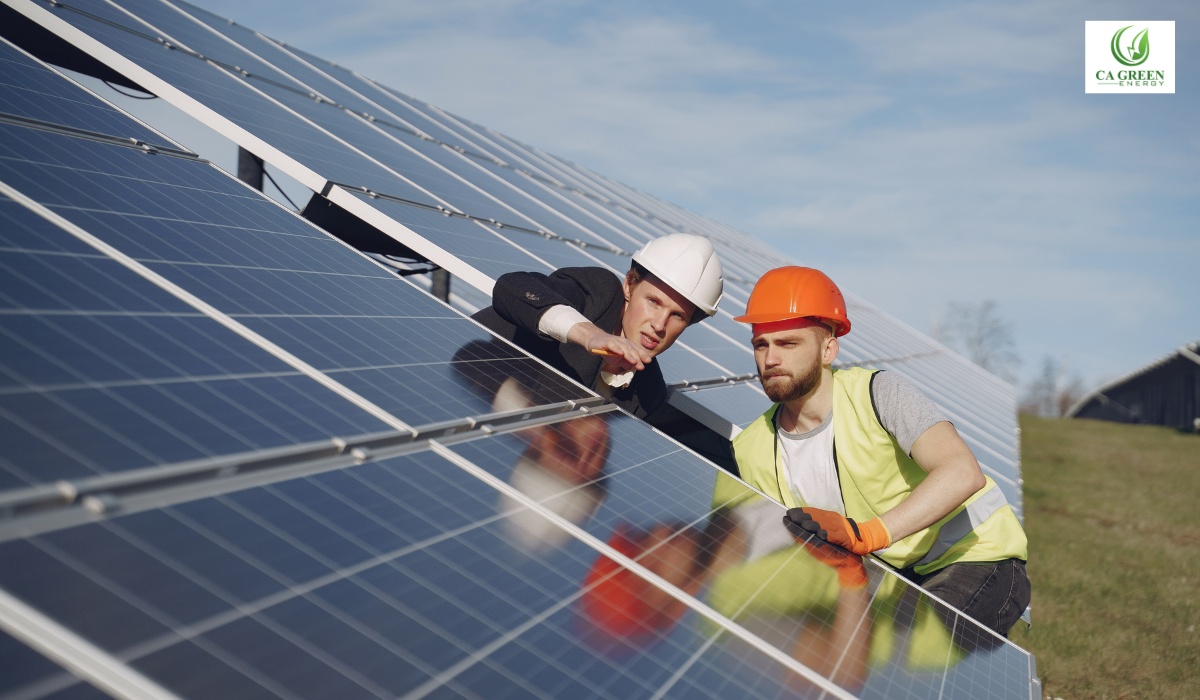
- Inspect for damage: Periodically inspect your solar panels for any signs of damage, such as cracks or loose connections. Repair or replace any damaged components to prevent further issues. If you are unsure about how to perform these inspections, it is recommended that you hire a professional solar technician.
- Trim nearby trees: Trees or branches that shade your solar panels can impact their efficiency. Trim any nearby trees or branches that may obstruct sunlight from reaching your panels. This will ensure that your system can generate the maximum amount of electricity.
- Schedule regular maintenance checks. It is advisable to have your solar power system professionally inspected and maintained regularly. These maintenance checks can identify any potential issues early on and address them before they cause significant problems.
Remember that proper monitoring and maintenance are essential for the optimal performance and longevity of your solar power system. If you are unsure about any aspect of monitoring or maintaining your system, it is best to consult with a professional solar power provider or technician. They can provide guidance and assistance in ensuring that your system operates efficiently and effectively.
Financing Options for Solar Power Systems in California
Financing a solar power system in California can be done through several options. Here are some common financing options to consider:
- Cash purchase: Paying for the system upfront with cash is the most straightforward option. While this may require a significant initial investment, it eliminates the need for monthly loan payments and can provide the highest long-term financial return.
- Solar loans: Many financial institutions offer specialized loans for solar power systems. These loans typically have favorable interest rates and terms specifically designed for solar installations. Consider shopping around to compare loan options and choose one that suits your financial needs.
- Leases and power purchase agreements (PPAs): Leasing a solar power system or entering into a PPA allows you to benefit from solar energy without the upfront cost of purchasing the system. With a lease, you pay a fixed monthly amount to lease the system, while with a PPA, you pay for the electricity generated by the system at a set rate. Both options allow you to reduce your monthly electricity bills.
- Property Assessed Clean Energy (PACE) financing: PACE financing allows homeowners to borrow money for home improvements, including solar power systems, and repay the loan through their property taxes over a set period of time. PACE financing is often available at favorable interest rates and can be transferred to new owners if you sell your home.
When considering financing options, it’s important to evaluate the terms, interest rates, and potential savings to determine which option is most suitable for your financial situation.