You are making your home more energy efficient, benefiting the environment and your wallet. One crucial area of the house is the attic. Properly sealing your attic can prevent the loss of conditioned air, reduce energy consumption, and save on utility bills.
Air sealing is identifying and sealing air leaks in your home. These leaks occur when air escapes or enters your home through cracks, gaps, and openings in your walls, windows, doors, and other areas. By sealing these air leaks, we can prevent air from escaping or entering your home, which can help improve energy efficiency and reduce utility costs.
Importance of Air Sealing in Attics
The attic is often one of the least insulated areas in a home, making it susceptible to air leaks. These leaks allow conditioned air to escape and outside air to infiltrate, leading to energy loss and increased energy consumption. You can address these issues by air-sealing your attic and creating a more comfortable and energy-efficient living space.
Air sealing involves identifying and sealing any openings, gaps, or cracks that allow air to pass through. This includes sealing around vents, light fixtures, and electrical outlets and sealing gaps between the attic floor and walls. In addition to reducing energy loss, air sealing helps improve indoor air quality by preventing dust, pollutants, and moisture from entering living areas.
Benefits of Air Sealing for Energy Efficiency in California Homes
In California, where HVAC energy costs can be significant, air sealing your attic can have various benefits for energy efficiency. Here are some of the key advantages:
- Energy savings: Simulated site-HVAC energy savings for sealed versus vented attics averaged 18 percent across California climate regions. By preventing air leakage, you can reduce the energy needed to heat or cool your home, resulting in significant energy savings.
- Reduced heating energy: Most energy savings from attic air sealing come from reducing heating energy. By preventing warm air from escaping during the colder months, you can keep your home warm and comfortable while using less energy.
- Improved cooling efficiency: While cooling savings may be less than heating, air sealing can still improve cooling efficiency. By sealing air leaks and reducing the entry of hot outdoor air, your air conditioning system will not have to work as hard to maintain a comfortable indoor temperature, leading to potential energy savings.
- Moisture control: Moisture control is another crucial aspect of attic air sealing. By sealing air leaks, you can prevent the entry of humid outdoor air, which can cause moisture issues such as condensation and mold growth. Proper attic ventilation and moisture management are crucial for maintaining a healthy and comfortable indoor environment.
Common Air Leakage Points in Attics and Crawl Spaces
Attics and crawl spaces are common areas where air leaks occur. These spaces are often overlooked and not adequately insulated, leading to energy loss and reduced comfort. Here are some common air leakage points in attics and crawl spaces:
- Gaps around pipes and vents: Vents and pipes that pass through attic or crawl space walls often have gaps around them, allowing air to leak in or out. Sealing these gaps can help prevent energy loss.
- Gaps around recessed lighting: Recessed lights installed in the ceiling below the attic can create openings for air leaks. Properly sealing and insulating around these lights can help improve energy efficiency.
- Gaps between walls and attic or crawl space access doors: Access doors to attics and crawl spaces are often not adequately sealed, leading to air leakage. Weatherstripping or sealing these gaps can help prevent energy loss.
- Gaps around ductwork: Ductwork that passes through the attic or crawl space can have gaps and leaks, causing air to escape or enter the system. Sealing these gaps and insulating the ductwork can help improve energy efficiency.
The California Green Energy Approach
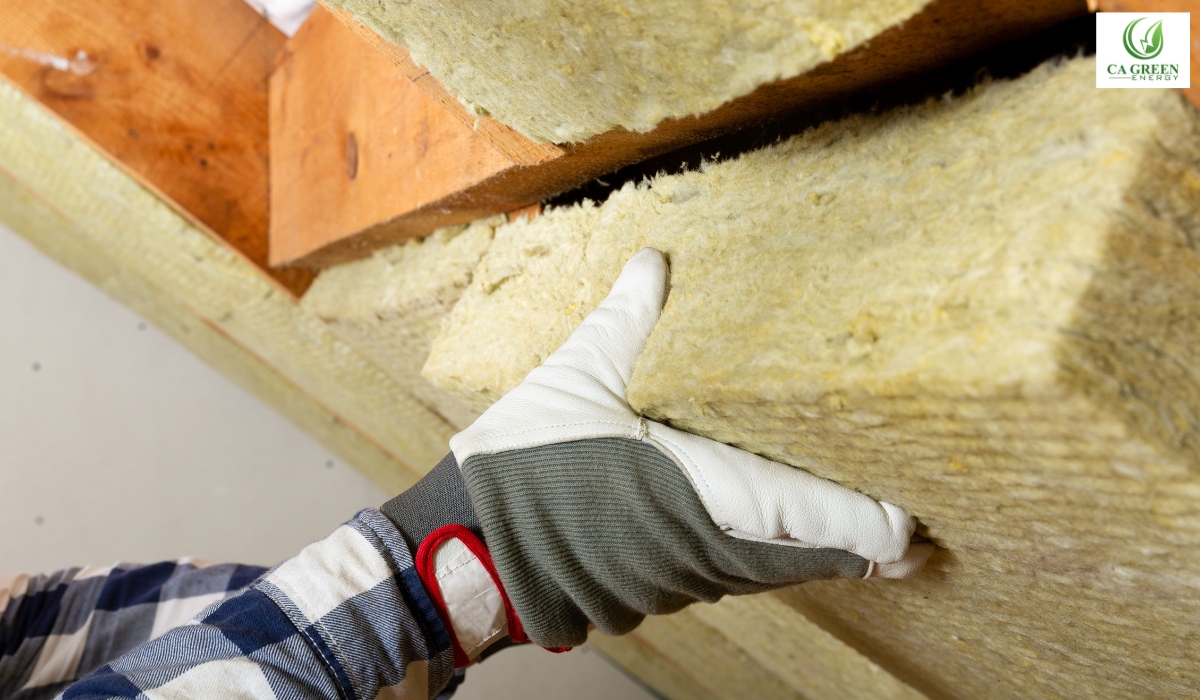
Expertise in air sealing and energy efficiency solutions
California Green Energy is the name you can trust regarding air sealing and improving energy efficiency in your home. Our team comprises seasoned professionals with extensive knowledge of attic services and energy efficiency. We have years of experience identifying and sealing air leaks to help homeowners achieve optimal energy savings.
We understand that each home is unique and requires a customized approach. Our experts will thoroughly inspect your attic and crawl spaces to identify potential air leakage points. We use advanced techniques and equipment to detect even the most minor air leaks, ensuring no energy loss goes unnoticed.
Benefits of choosing California Green Energy for Air Sealing Services
Choosing us for your air sealing needs comes with numerous benefits. Here’s why you can trust us to improve your home’s energy efficiency:
1. Experienced Professionals: Our team comprises experienced professionals with in-depth knowledge of air sealing and energy efficiency solutions.
2. Quality Workmanship: We take pride in our workmanship and maintain high-quality standards in every project. We strive for excellence and ensure that our air sealing services are performed with utmost precision and attention to detail.
3. Timely Service Delivery: We understand the importance of timely service delivery and prioritize efficiency and promptness in every project. Our team will work diligently to complete the air-sealing process within the agreed-upon timeframe, ensuring minimal disruption to your daily routine.
4. Eco-Friendly Practices: Sustainability is at the core of our values. We are committed to eco-friendly practices and use environmentally friendly materials and techniques in all our services. You can contribute to a greener and more sustainable future by choosing us.
The Process of Air Sealing
Step-by-step guide to the air sealing process
Here at our company, we follow a systematic process to ensure adequate air sealing in your home. Our experts are trained to identify and seal air leaks using the appropriate techniques and materials. Here’s a step-by-step guide to the air-sealing process:
1. Inspection: Our team will thoroughly inspect your home to identify areas with air leaks. We will use thermal imaging cameras and smoke pencils to detect temperature differences and drafty areas.
2. Draft sealing: We will start by sealing the more significant air leaks around windows and doors. We will use weatherstripping, caulk, or expanding foam to seal these gaps and prevent air leakage.
3. Insulation assessment: After sealing the more significant air leaks, we will assess the insulation in your attic and crawl space. Insufficient insulation can contribute to energy loss and reduced comfort. We will determine the right type and amount of insulation needed to improve energy efficiency.
4. Air duct sealing: If your HVAC system has air ducts that pass through the attic or crawl space, we will inspect them for leaks. Leaky ducts can result in significant energy loss. We will seal these gaps using duct sealant or metal tape to improve system efficiency.
5. Electrical and plumbing sealing: We will also check for air leaks around electrical and plumbing penetrations in your attic or crawl space. These openings can contribute to energy loss and should be sealed with caulk or foam.
6. Air barrier installation: In some cases, especially in older homes, the construction may lack an effective air barrier. We will install a durable air barrier, such as plastic sheeting, to prevent air leakage and improve energy efficiency.
7. Final inspection: Once the air sealing process is complete, our team will conduct a final inspection to ensure that all air leaks have been properly sealed and assess the overall improvement in energy efficiency.
Equipment and Materials Used for Effective Air Sealing
To ensure adequate air sealing, we use various equipment and materials. Here are some of the critical tools and products we utilize:
- Thermal imaging cameras help us detect temperature differences and locate air leaks.
- Smoke pencils: These are used to identify drafty areas and visualize air movement.
- Weatherstripping: We use adhesive-backed foam tape or V-strip to seal gaps around windows and doors.
- Caulk: We use caulk to seal gaps and cracks in walls, ceilings, and floors.
- Expanding foam: This is used to seal more significant gaps and openings around pipes and vents.
- Duct sealant and metal tape: These materials seal leaks in air ducts.
- Plastic sheeting: Sometimes, we may install plastic sheeting as an air barrier to prevent leakage.
Identifying and Sealing Air Leaks
Methods for detecting and locating air leaks in attics
When identifying air leaks in your attic, our experts use advanced techniques and tools to ensure that no hidden leaks go unnoticed. Here are some of the methods we employ:
- Thermal imaging cameras: These high-tech devices help us detect temperature differences and locate areas where warm air is escaping or cold air is seeping in. By identifying these temperature variations, we can pinpoint the exact locations of air leaks.
- Smoke pencils: Another helpful tool we utilize is the smoke pencil. It allows us to visualize air movement and drafty areas by producing a small stream of easily visible smoke. This method helps us identify even the most minor air leaks.
Insulation Done Right
The role of insulation in air sealing and energy efficiency
Insulation is crucial in ensuring effective air sealing and improving energy efficiency in your home. It acts as a barrier that prevents heat transfer between the inside and outside of your house. By properly insulating your home, you can keep the desired temperature stable and reduce the need for heating or cooling, resulting in lower utility bills.
When air leaks through walls, windows, and doors, it can significantly impact the overall effectiveness of your insulation. Even if you have insulation in your attic, it may not be effective if some gaps or cracks allow air to escape. That’s why a thorough inspection, air sealing process, and the proper insulation are essential for maximum energy efficiency.
Types of Insulation Used by California Green Energy
We understand that different areas of your home require different types of insulation to achieve optimal results. We carefully assess your attic’s insulation needs and recommend the most suitable type and amount of insulation. Here are some of the insulation materials we use:
1. Fiberglass insulation: This is one of the most commonly used types of insulation due to its affordability and effectiveness. Fiberglass insulation is made from fine glass fibers and is available in rolls, blankets, or loose-fill form. It can be installed in the attic, walls, and floors to create a thermal barrier and prevent air leakage.
2. Cellulose insulation: Made from recycled paper treated with fire retardants, cellulose insulation is an eco-friendly option that provides excellent thermal protection. It can be blown into cavities and hard-to-reach areas, ensuring comprehensive coverage. Cellulose insulation also has sound-dampening properties, reducing noise transfer between rooms.
3. Spray foam insulation: Spray foam insulation is a versatile option that expands upon application, filling gaps and creating a seamless barrier. It effectively seals air leaks and provides an exceptional R-value, which measures its ability to resist heat flow. Spray foam insulation can be used in attics, crawl spaces, and walls to improve energy efficiency.
4. Radiant barrier insulation: This type of insulation is specifically designed to reflect radiant heat, keeping your home cooler in the summer and reducing the need for air conditioning. Radiant barrier insulation is often installed in attics, preventing heat from penetrating the living spaces below.
Elevate Your Attic Experience
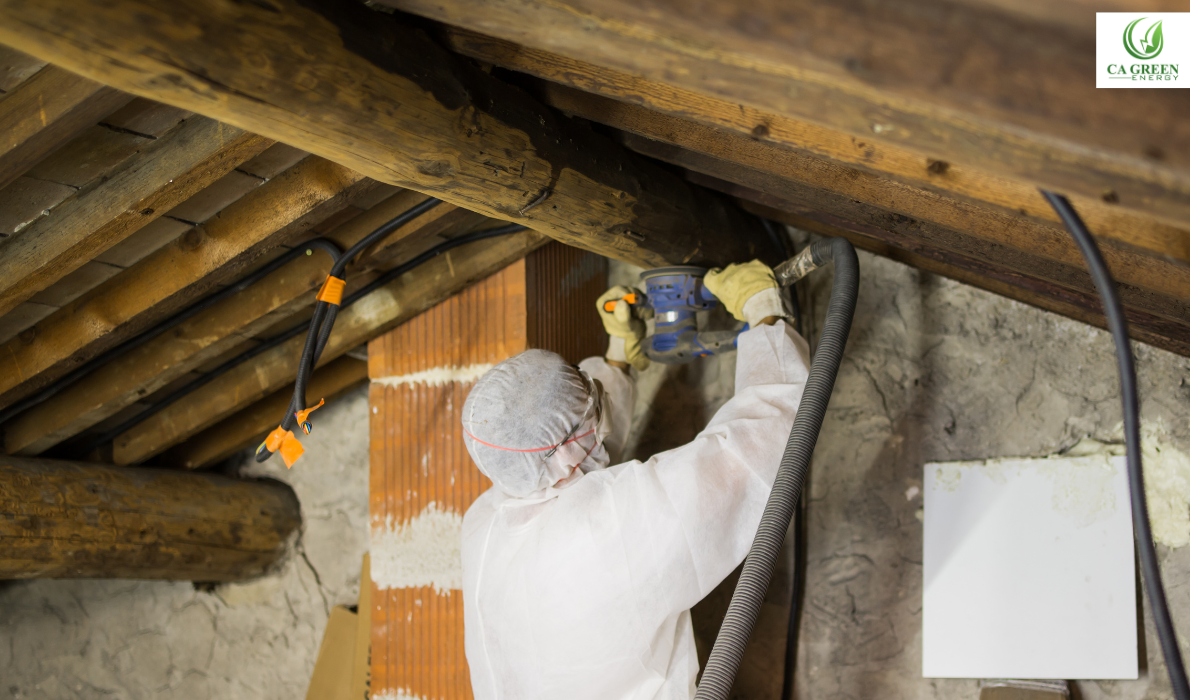
The difference air sealing can make in attic comfort and temperature regulation
Are you tired of dealing with an uncomfortable attic that is either too hot in the summer or too cold in the winter? Proper air sealing can significantly affect your attic space’s comfort and temperature regulation. By sealing off gaps, cracks, and leaks in your attic, you can prevent unwanted air infiltration, ensuring that hot or cold air from outside does not seep into your living spaces.
When your attic is sealed correctly, it becomes a more controlled environment, reducing the strain on your HVAC system. This means your home stays more comfortable year-round without overworking your heating or cooling system. Additionally, a well-sealed attic can help minimize temperature fluctuations between rooms, creating a more consistent and enjoyable living environment.
Enhanced Indoor Air Quality with Proper Air Sealing
Proper air sealing improves attic comfort and temperature regulation, enhances indoor air quality, and reduces energy bills. Gaps or cracks in your attic allow dust, pollen, and other outdoor pollutants to enter your living spaces, leading to respiratory issues, allergies, and poor indoor air quality. By sealing off these openings, you can create a cleaner and healthier living environment for you and your family.
Proper air sealing improves indoor air quality and contributes to energy savings. When your attic is tightly sealed, it prevents conditioned air from escaping and unconditioned air from entering your living spaces. This means your HVAC system doesn’t have to work as hard to maintain the desired temperature, resulting in lower energy consumption and reduced utility bills.
Unlock Long-Term Savings and Comfort!
If you’re a homeowner in California and want to improve your home’s energy efficiency, air-sealing your attic is a smart investment. Our professional services and expertise in air sealing can help you achieve long-term energy savings and a more comfortable living environment.
Contact us for a comprehensive attic assessment. Our trained professionals can identify air leaks and provide personalized recommendations for air sealing your attic. Don’t wait any longer – start saving energy and money with attic air sealing today.