The importance of battery backup installation
Understanding the Need for Battery Backup Systems
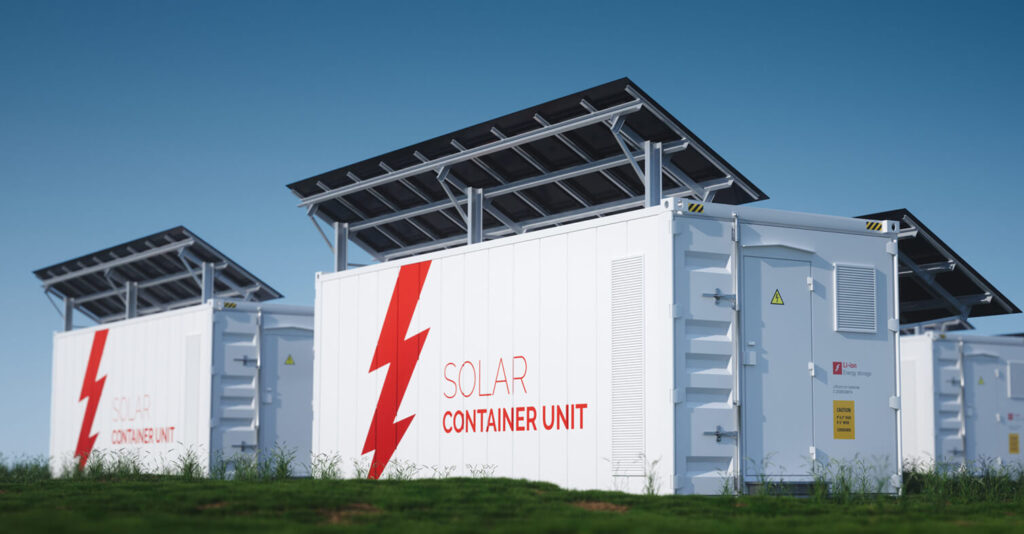
In today’s world, where we heavily rely on technology for our daily activities, it is crucial to ensure a continuous power supply. Battery backup systems provide an effective solution to mitigate the impact of power outages. Whether you are a homeowner or a business owner, installing a battery backup system can prove to be highly beneficial.
Impact of Power Outages on Homeowners
Power outages can happen unexpectedly, disrupting our daily routines and causing inconvenience. Here are some ways power outages can impact homeowners:
- Medical Considerations: Individuals who rely on medical equipment that requires a continuous power supply, such as ventilators or oxygen concentrators, may face life-threatening situations during a power outage.
- Productivity: Power outages can disrupt work-from-home setups, impacting productivity and causing financial losses.
- Inconvenience: Without power, homeowners may face difficulties performing basic tasks such as cooking, heating water, or charging essential electronic devices.
Installing a battery backup system can help mitigate these issues by providing a reliable power source during outages. Let’s take a look at the benefits of battery backup installation:
- Continuous Power Supply: A battery backup system ensures an uninterrupted power supply during outages, enabling homeowners to continue their daily activities without disruption.
- Preservation of Appliances: By having a backup power source, homeowners can prevent damage to electrical appliances and minimize potential food spoilage.
- Security: Battery backup systems can keep security systems, including alarms and surveillance cameras, operational during power outages, ensuring the safety of your property.
- Reliability: Battery backup systems are designed to provide reliable power during outages. They have a longer lifespan compared to portable generators, providing peace of mind.
- Flexibility: Battery backup systems can be customized according to your needs. You can choose the capacity and number of batteries based on your power consumption requirements.
Battery Backup Technology Explained
How Battery Backup Systems Work
Battery backup systems are designed to provide a reliable source of power during times of outage or disruption. These systems typically consist of a battery, an AC-DC inverter, and a charger.
The battery is the core component of a backup system. It stores electrical energy in chemical form and converts it into electrical energy when needed.
The AC-DC inverter is responsible for converting the direct current (DC) stored in the battery into alternating current (AC), which can be used to power appliances and devices.
Types of Battery Technologies
There are several types of battery technologies used in backup systems. Each technology has its advantages and limitations.
- Lead-acid batteries: These are the most common type of batteries used in backup systems. They are reliable and cost-effective but have a relatively short lifespan and lower energy density compared to other technologies.
- Lithium-ion batteries: These batteries offer a higher energy density, a longer lifespan, and faster charging capabilities compared to lead-acid batteries. They are also lighter and more compact, making them ideal for portable backup systems. However, they can be more expensive.
- Nickel-cadmium batteries: These batteries have a longer lifespan and higher energy density than lead-acid batteries. They are also more resistant to high temperatures and have a faster charging rate. However, they contain toxic materials and are less environmentally friendly.
- Flow batteries: These batteries store energy in the form of liquid electrolytes stored in external tanks. They offer scalability, a longer lifespan, and deep discharge capabilities. However, they are still relatively expensive and have a lower energy density compared to other technologies.
Benefits of Battery Backup Installation
Ensuring Continuous Power Supply
Investing in a battery backup system for your home offers a range of advantages beyond just providing reliable power. Here are a few reasons why you should consider installing a backup solar battery:
- Energy Independence: With a battery backup system, you can achieve energy independence by relying less on the electrical grid. Some residential solar systems draw energy from the grid when battery reserves are low, ensuring that your home always has power. Other systems are even compatible with off-grid solar systems, making you completely independent of the larger electrical grid.
- Seamless Transition During Outages: Battery backup systems are designed to automatically switch to battery power when the main power supply is interrupted. This ensures a seamless transition and uninterrupted power for your connected devices. You won’t have to worry about disruptions or inconveniences caused by power outages.
- Cost Savings: By installing a battery backup system, you can save on your electricity bills. During times of peak electricity demand, such as evenings or when utility rates are higher, you can rely on your stored battery power instead of drawing from the grid. This can help reduce your overall energy costs.
Protection against Power Surges and Voltage Fluctuations
In addition to a continuous power supply, a battery backup system protects against power surges and voltage fluctuations. Here are the benefits:
- Security for Electronics: Power surges and voltage fluctuations can damage electronic devices, such as televisions, computers, and appliances. A battery backup system acts as a buffer, stabilizing the electrical supply to your devices and protecting them from potential damage.
- Safety for Sensitive Equipment: Certain equipment, such as medical devices or home security systems, may be more sensitive to power fluctuations. With a battery backup system, you can ensure that these essential devices remain powered and operational during outages or fluctuations.
- Peace of Mind: Knowing that your home is protected from the negative effects of power surges and voltage fluctuations can provide peace of mind. You can rest easy knowing that your electronics and sensitive equipment are safeguarded against potential damage.
Choosing the Right Battery Backup System
Factors to Consider When Selecting a Battery Backup System
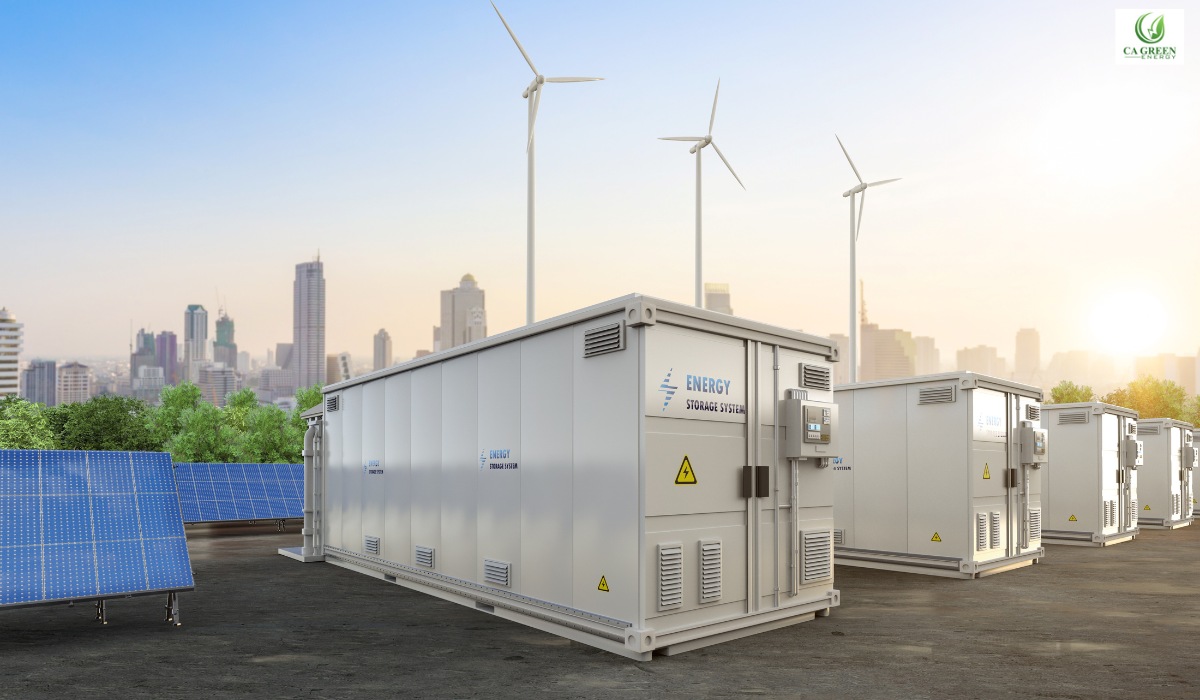
When choosing a battery backup system, there are a few key factors to consider to ensure you select the right system for your needs:
- Power requirements: Determine the power requirements of your home or specific appliances that you want to back up. This will help you determine the capacity and size of the battery backup system needed.
- Budget: Consider your budget for a battery backup system. Different battery technologies have varying costs, with lithium-ion batteries generally being more expensive but offering better performance and longevity.
- Space availability: Evaluate the available space for installing the battery backup system. Some technologies, like lithium-ion batteries, are more compact and can be installed in smaller spaces.
- Efficiency: Look for systems that offer high efficiency in converting stored energy into usable power. This will minimize energy loss and ensure optimal performance.
- Scalability: Consider whether you may need to expand your battery backup system in the future. Some technologies, like flow batteries, offer scalability options and allow for easier system expansion.
Sizing and capacity requirements
Proper sizing and capacity are crucial for ensuring your battery backup system can meet your power needs during outages. Here are a few points to remember:
- Determine your load requirements: calculate the total power consumption of the appliances and devices you want to power during an outage. This will help you determine the minimum capacity needed for your battery backup system.
- Assess your energy usage patterns: Consider your typical energy usage patterns to estimate the duration of backup power needed. This will help you determine the required battery capacity to meet your backup power needs.
- Consider peak loads: Take into account any appliances or equipment that have high power demands, such as air conditioners or heaters. Ensure your battery backup system is capable of handling such peak loads.
- Consult with a professional: To ensure accurate sizing and capacity determination, it is recommended to consult with a professional installer or system designer who can assess your specific needs and help you select the right battery backup system.
By considering these factors and properly sizing your battery backup system, you can ensure reliable backup power for your home during outages or disruptions. Remember to consult with professionals and do thorough research to make an informed decision on the right battery backup system for your needs.
Battery Backup Installation Process
Overview of the Installation Procedure
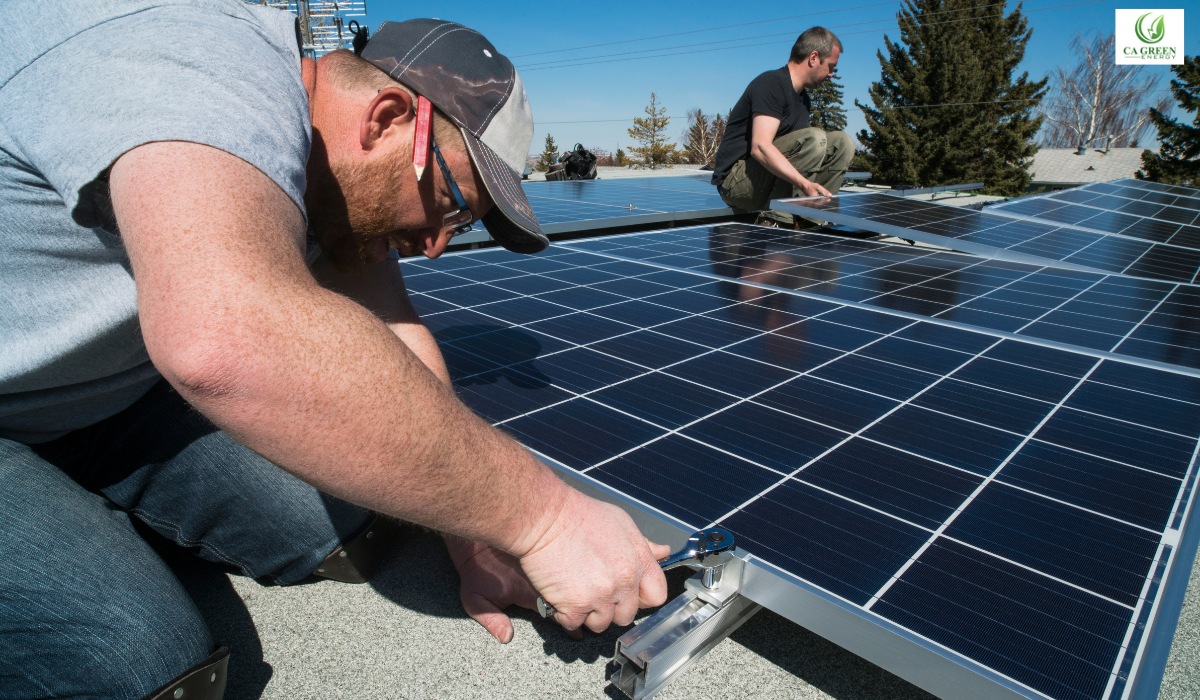
Installing a battery backup system for your existing solar panel system can provide you with reliable backup power during outages. Here is an overview of the installation process to help you get started:
- Determine the location: Choose a suitable location for your battery backup system. It should be close to your solar panels and in a well-ventilated area. Make sure there is enough space to accommodate the battery system and that it meets any local regulations or requirements.
- Install the battery system: Mount the battery system on the wall or a sturdy structure, following the manufacturer’s instructions. Properly secure the system to ensure safety and stability.
- Connect the solar panels: Connect the solar panels to the battery backup system using the appropriate cables and connectors. Ensure that the connections are tight and secure to prevent any power loss.
- Inverter installation: If your battery backup system requires an inverter, follow the manufacturer’s instructions to install it properly. The inverter converts the stored energy from the battery into AC power that can be used to power your home during outages.
- Test the system: Once the installation is complete, test the battery backup system to ensure that it is functioning correctly. Test its ability to provide backup power during outages and check if it can charge effectively using solar energy.
Safety Measures and Best Practices
As with any electrical installation, it is important to prioritize safety during the battery backup installation process. Here are some safety measures and best practices to keep in mind:
- Work with a professional: If you are not familiar with electrical installations, it is best to hire a professional installer or seek assistance from a qualified technician. They have the knowledge and experience to ensure a safe and proper installation.
- Follow manufacturer instructions: Always refer to the manufacturer’s instructions for the specific battery backup system you are installing. Adhere to the recommended installation practices to avoid any safety hazards or malfunctioning of the system.
- Turn off the power: Before starting any installation work, ensure that the power to your solar panel system is turned off. This will prevent electrical accidents and protect you from any live wires.
- Use proper tools and equipment: Use the appropriate tools and equipment for the installation process. Ensure that they are in good working condition and suitable for the task at hand. Follow safety guidelines when handling tools and equipment to prevent injuries.
- Proper wiring and grounding: Ensure that all wiring and grounding connections are done correctly. Improper wiring and grounding can lead to electrical hazards and system malfunctions. If unsure, seek professional assistance.
Maintenance and monitoring
Regular Maintenance for Optimal Performance
To ensure that your battery backup system performs optimally and lasts for its intended lifespan, regular maintenance is necessary. Here are some maintenance tasks to keep in mind:
- Battery inspection: Regularly inspect the battery for any signs of physical damage, corrosion, or leaking. If any issues are observed, contact a professional for further inspection and repair.
- Cleanliness: Keep the battery and its surroundings clean. Remove any debris, dust, or dirt that may accumulate over time, as these can affect the performance and efficiency of the system.
- Temperature control: Extreme temperatures can have an impact on battery performance. Ensure that the battery is installed in an environment with suitable temperature control to prevent overheating or freezing.
- Voltage checks: Periodically check the voltage levels of the battery to ensure they are within the manufacturer’s recommended range. Deviations from the recommended voltage range may indicate an issue with the battery or the charging system.
- Terminal maintenance: Inspect the battery terminals for any signs of corrosion or loose connections. Clean the terminals if necessary, and ensure they are securely tightened to maintain proper electrical contact.
- Battery life assessment: Monitor the health and performance of the battery over time. Keep track of its capacity and any noticeable changes in its performance. If significant degradation is observed, it may be necessary to replace the battery.
Monitoring and troubleshooting
Monitoring your battery backup system allows you to stay informed about its performance and detect any potential issues. Here are some key aspects of monitoring and troubleshooting:
- Real-time monitoring: Consider installing a monitoring system that provides real-time data on the performance of your battery backup system. This can help you identify any anomalies or deviations from normal operation.
- Alerts and notifications: Set up alerts and notifications to receive updates on the status of your battery backup system. This can include low battery warnings or system faults that require attention.
- Performance analysis: Regularly analyze the performance data from your battery backup system to assess its efficiency and effectiveness. Look for any patterns or trends that may indicate areas for improvement or potential issues.
- Troubleshooting guidelines: Familiarise yourself with troubleshooting guidelines provided by the manufacturer or installer of your battery backup system. This can help you troubleshoot common issues and resolve them promptly.
- Professional assistance: If you encounter any complex issues or are unsure how to address a problem, seek assistance from a professional technician or installer. They have the expertise to diagnose and resolve more intricate problems.
By performing regular maintenance tasks and monitoring the performance of your battery backup system, you can ensure its optimal functionality and address any issues promptly. Remember to follow the manufacturer’s guidelines and consult professionals when needed to maximize the reliability and longevity of your battery backup system.
Financial incentives and rebates
Available financial incentives in California
California offers various financial incentives to encourage the adoption of battery storage systems. These incentives aim to offset the initial costs and make the investment more affordable for homeowners and businesses. Here are some of the available financial incentives in California:
- Federal Investment Tax Credit (ITC): The federal government offers a tax credit of 26% for the installation of battery storage systems. This credit can significantly reduce the upfront costs of the system and increase the return on investment.
- Self-Generation Incentive Programme (SGIP): SGIP provides financial incentives for the installation of battery storage systems that can deliver electricity during grid outages. The incentives vary based on the capacity and performance of the system, with higher incentives for systems located in areas prone to wildfires or with high energy demand.
- Net Energy Metering (NEM): NEM allows customers with solar panels and battery storage systems to offset their electricity usage by exporting excess energy back to the grid. This results in credits on their electricity bills, effectively reducing their overall energy costs.
- Property Assessed Clean Energy (PACE) Financing: PACE programs enable property owners to finance the upfront costs of battery storage systems through special assessments added to their property tax bill. This financing option offers favorable terms and longer repayment periods, making it easier to afford the installation.
Rebate Programmes for Battery Backup Installation
In addition to financial incentives, there are rebate programs available specifically for battery backup installations in California. These programs aim to further support the adoption of battery storage systems and increase energy resilience. Here are some notable rebate programs:
- California Self-Generation Incentive Programme (SGIP) Equity Resilience (ER) Budget: This program provides additional incentives for residential properties located in disadvantaged communities that have experienced grid outages in the past. The incentives aim to improve energy resilience in these communities and reduce the impact of future outages.
- California Public Utilities Commission (CPUC) Regional Capacity Procurement Mechanism (RCPM): RCPM offers long-term contracts to ensure the availability of energy storage resources during peak demand periods. The program encourages the installation of battery storage systems to strengthen the grid and support clean energy goals.
- Community Energy Resilience Pilot Programme (CERPP): CERPP focuses on supporting the deployment of battery storage systems in critical facilities, such as hospitals, emergency response centers, and communities. The program aims to enhance energy resilience in vulnerable communities and improve emergency response capabilities.
These rebate programs can significantly offset the costs of battery backup installations and make them more accessible to a wider range of consumers. It is important to research and take advantage of these incentives and rebate programs to maximize the financial benefits of investing in battery storage systems.