Air sealing inspection is a process that involves identifying and sealing small holes and air leaks in a home’s exterior. These holes and leaks can lead to energy waste, uncomfortable drafts, and the infiltration of outdoor air pollutants into the house.
During an air sealing inspection, professionals use various techniques to locate areas where air is escaping or entering the home. They may conduct blower door tests, thermal imaging scans, or visual inspections to identify problem areas. Once the air leakage points are identified, they are sealed using caulk, weatherstripping, foam, or other appropriate materials.
Importance of Air Sealing Inspection in California
Air sealing inspection is essential in California because it focuses on energy efficiency and clean energy initiatives. Here are some reasons why air sealing inspection is crucial in the state:
1. Energy efficiency: Air leaks can significantly impact a home’s energy efficiency. By sealing these leaks, homeowners can reduce the amount of conditioned air that escapes and unconditioned air that enters their homes. This can lead to lower energy bills and a more comfortable living environment.
2. Environmental impact: Sealing air leaks can also positively impact the environment. By reducing energy consumption, homeowners can decrease their carbon footprint and contribute to a cleaner and greener California.
3. Health and comfort: Air leaks can bring in outdoor pollutants such as dust, pollen, and allergens, affecting indoor air quality and residents’ health. Sealing these leaks allows homeowners to create a healthier and more comfortable living space.
4. Compliance with building codes: In California, building codes and standards require homes to meet specific energy efficiency criteria. By conducting air sealing inspections, homeowners can ensure their homes comply with these regulations.
5. Cost savings: Air sealing can result in significant cost savings over time. By reducing energy loss, homeowners can save on heating and cooling expenses, resulting in a return on their investment in air sealing.
Benefits of Air Sealing Inspection
Improved Energy Efficiency
Completing an air sealing inspection in your home can have several benefits, the most significant of which is improved energy efficiency. Air sealing involves closing up small holes and leaks in your home’s exterior. By addressing these areas of air leakage, you can prevent the wastage of energy.
An air sealing inspection helps identify problem areas where air leakage occurs, allowing you to target areas for improvement.
- By sealing up these gaps, you can reduce the amount of conditioned air that escapes your home and prevent outdoor air pollutants from entering. This, in turn, can lead to significant energy savings, as your HVAC system won’t have to work as hard to maintain a comfortable indoor temperature.
- Improved energy efficiency means your home will require less energy to heat and cool, resulting in lower energy bills and reduced environmental impact.
Enhanced Indoor Comfort
Air leaks and drafts can create uncomfortable conditions inside your home. You can undergo an air-sealing inspection and subsequent repairs to enhance indoor comfort.
- By closing up gaps and holes in your home’s exterior, you can eliminate drafts and cold spots, making your living spaces more comfortable throughout the year. Air sealing also helps maintain a consistent indoor temperature, ensuring no drastic temperature fluctuations from room to room.
- By preventing outdoor air pollutants from entering your home, you can improve indoor air quality, leading to a healthier and more comfortable living environment.
Air Sealing Inspection Process
Initial Assessment and Evaluation
- The air-sealing inspection begins with an initial assessment and evaluation of your home.
- During this step, a professional inspector will thoroughly examine your home’s exterior, looking for areas of air leakage and drafts.
- They may use tools such as a blower door test or infrared cameras to identify problem areas.
- This assessment is essential as it helps determine the extent of air leakage in your home and guides the inspection process.
Identification and Sealing of Air Leaks
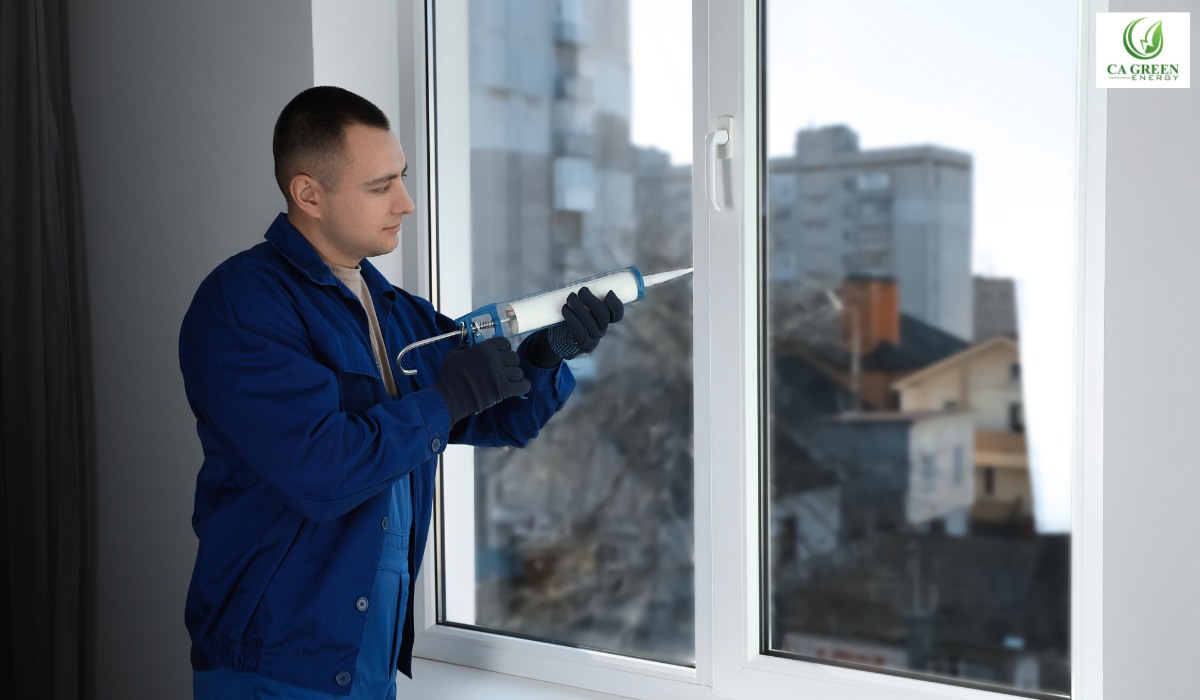
- Once the initial assessment is complete, the inspector will identify and seal your home’s air leaks.
- They will focus on windows, doors, electrical outlets, plumbing penetrations, and attic access points.
- The inspector will effectively close up these gaps and holes using caulking, weatherstripping, and other sealing materials.
- By sealing these areas, the inspector ensures that conditioned air remains inside your home and prevents outdoor air pollutants from entering. They will also check for insulation gaps or deficiencies that may contribute to air leakage and address those as necessary.
Throughout the air sealing inspection process, the inspector will provide recommendations and suggestions for improving energy efficiency and addressing comfort issues. They may also suggest other measures, such as insulation upgrades, that can further enhance energy savings and comfort.
Tools and Techniques Used in Air Sealing Inspection
Thermal Imaging Technology
Thermal imaging technology is a valuable tool used during air sealing inspections. This technology utilizes infrared cameras to detect areas of heat loss and air leakage in your home’s exterior. Here’s how it works:
- Infrared cameras capture the thermal radiation emitted by objects and convert it into a visual image. This allows inspectors to identify temperature variations and locate areas where air leaks or infiltrates the home.
- Using thermal imaging, inspectors can quickly identify problem areas that may not be visible to the naked eye, such as behind walls or hard-to-reach spaces.
- With this information, homeowners can prioritize their air-sealing efforts and target the areas with the most significant potential for energy savings.
Blower Door Testing
Another essential technique used during air sealing inspections is blower door testing. This test measures the air tightness of your home and identifies areas of air leakage. Here’s how it works:
- A blower door is a powerful fan temporarily mounted in an exterior door frame. It creates a pressure difference between the inside and outside of the home, simulating the effect of wind on the structure.
- As the fan blows air out of the house, a technician uses a smoke pencil or infrared camera to detect areas where air is infiltrating or escaping.
- The blower door test results provide valuable information about your home’s overall air tightness and specific areas for improvement. Together, thermal imaging technology and blower door testing comprehensively assess your home’s air sealing needs.
If you are considering an air sealing inspection, hiring a certified professional who is experienced in using these tools and techniques is advisable. They can provide you with a thorough assessment of your home’s air sealing needs and recommend the most effective solutions.
Remember, air sealing is crucial in improving energy efficiency and indoor comfort.
Importance of Professional Air Sealing Inspection
Expertise and Experience
A professional air sealing inspection is crucial to ensure the job is done correctly. Certified professionals have the expertise and experience to assess your home and identify the areas that require air sealing. They are trained to use specialized tools such as thermal imaging cameras and blower doors to detect air leaks in your home’s exterior.
Compliance with Building Energy Efficiency Standards
Professional air sealing inspections also help homeowners comply with building energy efficiency standards. These standards are set by regulatory bodies to ensure that homes meet specific energy efficiency requirements. By hiring a certified professional, you can be confident that your air sealing improvements will meet or exceed these standards.
Using thermal imaging technology and blower door testing, professionals can identify problems that may not be visible to the naked eye. This allows you to prioritize your air sealing efforts and address the areas with the highest potential for energy savings.
Common Air Leakage Points in Homes
Windows and Doors
Windows and doors are common areas in homes where air leakage occurs. Here are some factors that contribute to air leakage and how they can be addressed:
- Gaps and cracks: Over time, windows and doors can develop gaps and cracks, allowing air to leak in or out. These gaps can be caused by poor installation, aging materials, or inadequate weatherstripping.
- Weatherstripping: Weatherstripping helps seal gaps around windows and doors to prevent air leakage. It can be made of various materials, such as rubber, foam, or vinyl, and should be appropriately installed to effectively stop air infiltration. To address air leakage in windows and doors, homeowners can:
- Inspect and replace damaged weatherstripping: Regularly check the condition of the weatherstripping around windows and doors. If it is damaged or worn out, replace it to maintain an airtight seal.
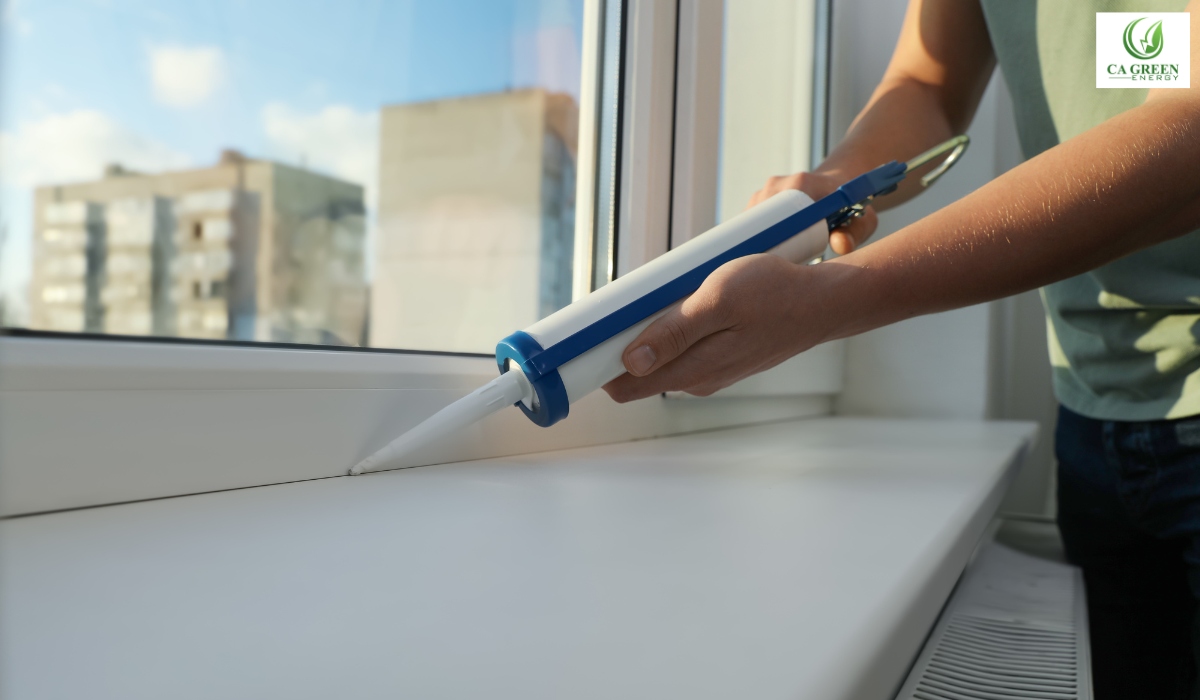
- Use caulk or sealant: Apply caulk or sealant around the frames of windows and doors to seal any gaps or cracks. This can help prevent air leakage and improve energy efficiency.
Attic and Basement
The attic and basement are other areas where air leakage commonly occurs. Here are some factors to consider and how to address them:
- Attic vents and openings: Attic vents and openings are intended to allow for proper ventilation. However, if they are not sealed properly, they can become sources of air leakage. Common areas where air can leak include vents, access doors, and electrical penetrations.
- Basement windows and foundation cracks: Basements often have windows or cracks that allow air to enter or escape. These areas should be adequately sealed to prevent air leakage. To address air leakage in the attic and basement, homeowners can:
- Seal attic vents and openings: Inspect attic vents and openings to ensure they are adequately sealed. Use weatherstripping or foam sealant to seal any gaps or cracks.
- Seal basement windows and foundation cracks: Use caulk or sealant to seal any gaps or cracks around basement windows or in the foundation. This can help prevent air leakage and improve energy efficiency.
Cost and ROI of Air Sealing Inspection
Cost of Air Sealing Inspection
Air sealing inspections typically cost between $ 200 and $ 600, depending on the size and complexity of the home. On average, homeowners can expect to pay between $200 and $600 for a professional air-sealing inspection. This cost includes assessing air leakage points, identifying problem areas, and recommending improvements.
It’s important to note that this cost does not include the actual air sealing upgrades, which will incur additional costs. The inspection serves as the first step in identifying areas that require attention and allows homeowners to prioritize and plan for the necessary upgrades.
Tips for Maintaining Air Sealing
Regular Inspections and Maintenance
Regular inspections and maintenance are essential for maintaining the effectiveness of air sealing in your home. Here are some tips to help you keep your home airtight:
- Schedule annual inspections: It is recommended to schedule annual inspections with a professional energy auditor or contractor to assess the condition of your home’s air sealing. They can identify any areas that may need repair or improvement.
- Check weatherstripping: Regularly inspect the weatherstripping around windows and doors for any signs of wear or damage. Replace it as needed to ensure a proper seal and prevent air leakage.
- Test for air leaks: Conduct regular air leakage tests using a smoke pencil or infrared camera. These tools can help you identify hidden leaks that may not be visible to the naked eye.
- Seal gaps and cracks promptly: If you notice any gaps or cracks in windows, doors, or other areas, seal them promptly using caulk or sealant. This will help prevent air leakage and maintain energy efficiency.
Maintaining air sealing in your home is crucial for energy efficiency and indoor comfort. Regular inspections, prompt repair of gaps and cracks, and monitoring of energy consumption are essential practices to ensure the effectiveness of air sealing. These steps can improve indoor air quality, reduce energy waste, and enjoy a more comfortable living environment.