Insulation and air sealing are essential aspects of improving the energy efficiency of homes in California. These measures help to reduce energy waste by preventing air leakage and heat transfer, resulting in lower energy bills and increased comfort for homeowners. In addition, air sealing can also contribute to better indoor air quality by reducing the infiltration of outdoor pollutants.
Insulation: A Key Home Performance Upgrade
Insulation is a critical component of a well-sealed and energy-efficient home. It helps to create a thermal boundary, preventing heat transfer between the house’s interior and exterior. This means that during the hot summer months, cool air produced by the air conditioning system is less likely to escape, and during the cold winter months, warm air produced by the heating system is less likely to seep out.
Some of the benefits of insulation include:
- Energy Savings: Well-insulated homes require less heating and cooling, lowering energy bills. According to the U.S. Department of Energy, homeowners can save up to 15% on heating and cooling costs by properly insulating their homes.
- Increased Comfort: Insulation helps to maintain a consistent and comfortable indoor temperature throughout the year. It reduces drafts and cold spots, ensuring the rooms are evenly heated or cooled.
- Noise Reduction: Insulation also serves as a sound barrier, reducing noise transmission outside the home, such as traffic or neighbors.
Air sealing, on the other hand, focuses on sealing gaps and cracks in the home’s exterior to prevent air leakage.
The Benefits of Air Sealing
Reducing Energy Waste: Saving Money and the Environment
Air sealing your home helps reduce energy waste and saves you money on your utility bills. When your home is sealed correctly, it prevents air leakage, accounting for up to 30% of energy waste in a typical home. By sealing gaps, cracks, and holes in your home’s envelope, you can minimize the amount of conditioned air that escapes and unconditioned air that enters, helping to maintain a more consistent indoor temperature.
Taking the Load off Your HVAC System: Increased Efficiency
When your home is sealed correctly, it reduces the load on your HVAC (Heating, Ventilation, and Air Conditioning) system. Your HVAC system can operate more efficiently and effectively by preventing air leakage. When air leaks are sealed, your HVAC system doesn’t have to work as hard to compensate for the loss of conditioned air, which can extend its lifespan and reduce the need for costly repairs or premature replacement.
Improving Indoor Air Quality: Keeping Pollutants Out
Air sealing your home not only helps improve energy efficiency but also improves indoor air quality. When properly sealed, your home acts as a barrier against outdoor air pollutants, such as dust, pollen, and allergens. This is especially important for individuals with respiratory conditions or allergies. By preventing these pollutants from entering your home, you can create a healthier living environment for you and your family.
How to Air Seal Your Home
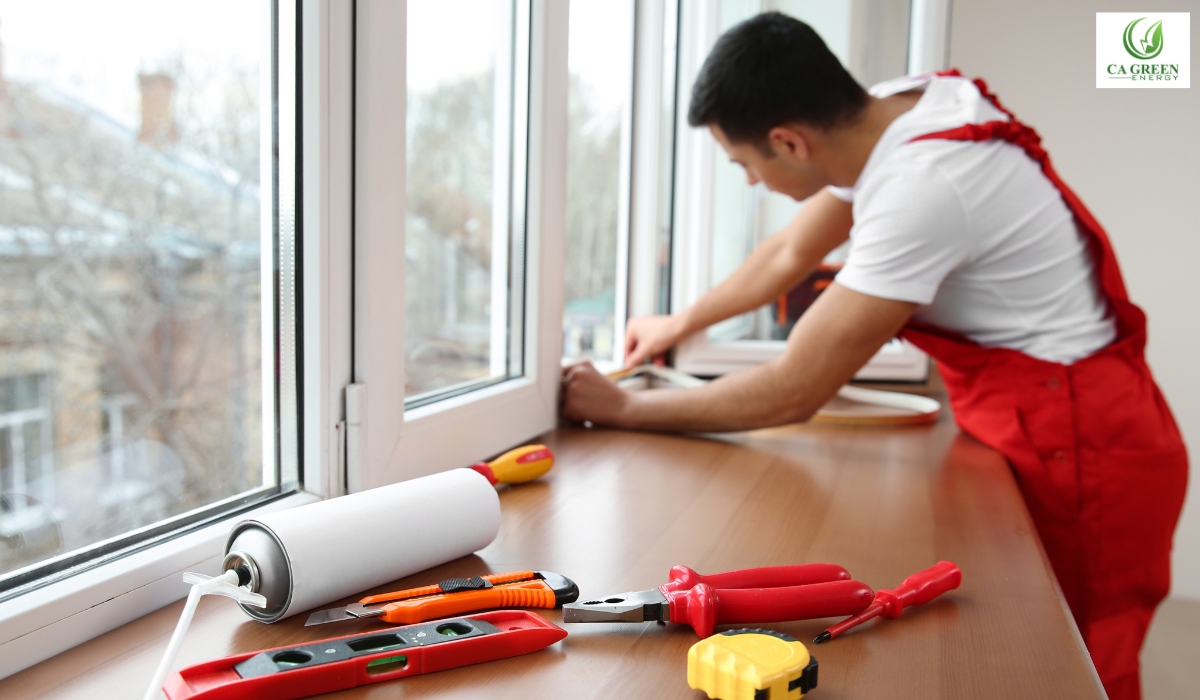
Identifying Air Leakage Points: Where to Look
To effectively air seal your home, you must identify areas where air leakage commonly occurs. Here are some key places to check for air leaks:
- Windows and doors: Check for gaps and cracks around the frames, worn weatherstripping, and inadequate seals.
- Attic: Look for gaps around vents, pipes, and electrical outlets, as well as areas where insulation is missing or damaged.
- Basement and crawlspace: Inspect the foundation walls for cracks and gaps and check for leaks around utility penetrations.
- Electrical outlets and switches: These can be a source of air leakage if not properly insulated.
Sealing Air Leaks: Techniques and Materials
Once you have identified the areas of air leakage, you can start sealing them using various techniques and materials. Here are some standard methods for air sealing:
- Caulking: Use caulk to seal cracks and gaps in stationary components such as windows and door frames.
- Weatherstripping: Install weatherstripping around movable components such as windows and doors to create a tight seal when closed.
- Spray foam: Use expanding spray foam to fill more significant gaps and holes in the building envelope.
- Insulation: Add insulation to missing or insufficient areas, such as attics and crawlspaces.
When choosing materials for air sealing, look for products specifically designed for this purpose and ensure they are appropriate for your sealing area. It’s also essential to follow the manufacturer’s instructions for proper installation.
Sealing Common Problem Areas: Windows, Doors, and Attics
Windows, doors, and attics are common areas where air leaks occur. Here are some tips for sealing these problem areas:
- Windows: Apply weatherstripping around the edges of windows and install window film or use window insulator kits to improve insulation.
- Doors: Install door sweeps or weatherstripping along the bottom of exterior doors and ensure the door frame is sealed correctly.
- Attics: Seal gaps and cracks in the attic floor and around vents, pipes, and electrical outlets. Add insulation to achieve the recommended R-value for your climate.
By focusing on these critical areas, you can significantly reduce air leakage in your home and enjoy the benefits of improved energy efficiency and comfort.
Financial Incentives for Air Sealing
California Rebates: Saving on Energy Upgrades
In California, various rebate programs can help offset the costs of air sealing your home. These rebates typically offer a certain amount of money per square foot of air sealing, allowing you to save on the project’s upfront costs. The specific rebate amount and eligibility requirements may vary depending on your location and the program you are applying for.
Federal Tax Credits: Benefits for Homeowners
In addition to state rebates, federal tax credits are available for air sealing your home. The Non-Business Energy Property Tax Credit allows homeowners to claim a tax credit of up to 10% of the cost of eligible energy efficiency upgrades, including air sealing. This tax credit has a maximum cap, but it can still provide substantial savings for homeowners. By claiming this tax credit, you can lower your tax liability while investing in energy-saving improvements for your home.
Choosing the Right Insulation Material for Your Home
When it comes to choosing insulation for your home, there are several options available. The most common types of insulation include:
- Fiberglass insulation: Made from spun glass fibers, fiberglass insulation is affordable and widely available. It can be installed in various forms, such as batts, rolls, or loose fill. Fiberglass insulation effectively reduces heat transfer and is a popular choice for new construction and retrofitting existing homes.
- Cellulose insulation: Made from recycled paper, cellulose insulation is eco-friendly. It is typically blown into attics and walls as loose fill. Cellulose insulation effectively reduces air leaks and can provide added fire resistance.
- Spray foam insulation: Made from a mixture of chemicals, spray foam insulation expands to fill gaps and cracks, creating an airtight seal. It offers excellent insulation performance and can help improve indoor air quality by reducing allergens and pollutants. However, it is more expensive than other insulation types.
- Rigid foam insulation: Made from polystyrene or polyisocyanurate, rigid foam insulation provides a high level of insulation and can be used in various applications, such as insulating basement walls or under-slab foundations. It offers excellent moisture resistance and can contribute to improved indoor air quality.
When choosing insulation, consider factors such as R-value (the measure of thermal resistance), installation requirements, and your specific home’s needs. Consulting with a professional insulation contractor can help you determine the most suitable insulation material and installation method for your home.
DIY vs Professional Air Sealing
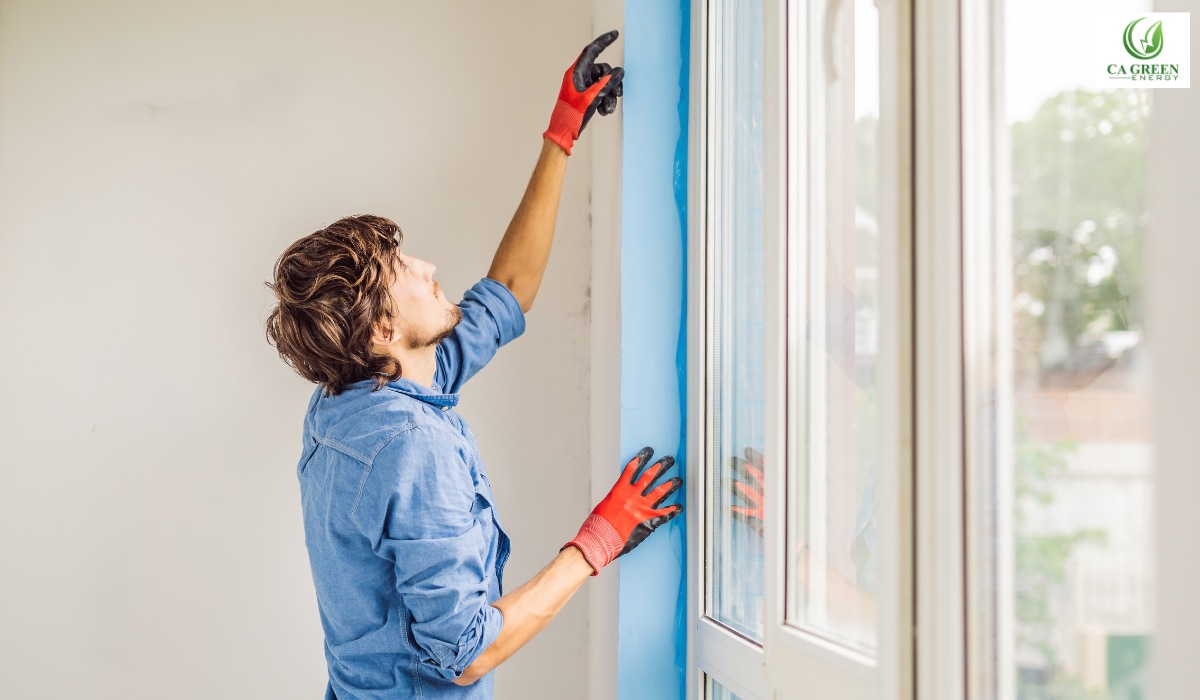
Pros and Cons of DIY Air Sealing
There are advantages and disadvantages to doing air sealing as a DIY project. It’s essential to weigh these factors before deciding whether to tackle the job on your own:
- Cost savings: One of the main benefits of DIY air sealing is that it can save money. Hiring a professional contractor can be expensive, so doing it yourself can help keep costs down.
- Flexibility: DIY air sealing allows you to work at your own pace and on your schedule. You have complete control over the project and can address specific areas of concern in your home.
- Learning experience: Taking on a DIY air sealing project can be a valuable learning experience. You can educate yourself on the importance of air sealing, learn about the building science behind it, and gain practical skills.
- Time and effort: Air sealing can be time-consuming and physically demanding. It requires locating and sealing all the air leaks in your home, which can be daunting and tedious.
- Quality of work: Without the proper knowledge and expertise, it’s possible to miss some air leaks or not seal them adequately. This could result in reduced energy savings and less effective air sealing.
Benefits of Hiring a Professional: Efficiency and Expertise
While DIY air sealing has its benefits, there are also advantages to hiring a professional contractor:
- Efficiency: A professional contractor has the experience and knowledge to quickly and efficiently locate and seal air leaks in your home. They have the tools and equipment needed to perform the job effectively.
- Expertise: Professional contractors specialize in air sealing and deeply understand building science. They know the most effective techniques and materials to achieve optimal results.
- Quality assurance: Hiring a professional ensures the air sealing work meets high standards. They can identify and address all air leaks, ensuring maximum energy savings and improved comfort in your home.
- Warranty and guarantees: Professional contractors often offer warranties or guarantees. This provides peace of mind, knowing that if any issues arise, the contractor will return to fix them at no additional cost.
Improving Energy Efficiency in California
Supplementing air sealing with insulation is crucial in improving your home’s energy efficiency. By reducing air leaks and drafts, air sealing helps create a more comfortable living environment while reducing energy waste. Insulation, however, minimizes heat transfer, maintains consistent temperatures, and reduces the need for excessive heating and cooling.
Understanding the benefits of air sealing, debunking common myths, and taking action can significantly improve your home’s energy efficiency. Start air sealing your home today and create a more comfortable and energy-efficient living environment while reducing your impact on the environment.