The importance of having a home generator in California
If you live in California, having a home generator can be essential for various reasons. Although the state has not banned the possession or operation of gas-powered generators, the recent ban on their sale starting in 2028 has raised concerns among residents. Here are a few reasons why having a home generator in California is important:
- Power outages: California is prone to power outages due to various factors, such as extreme weather conditions, wildfires, and infrastructure issues. During these outages, having a generator can provide you with backup power, ensuring that your essential appliances and devices continue to function.
- Emergency preparedness: California is prone to natural disasters such as earthquakes, wildfires, and floods. In such situations, having a home generator can be crucial for maintaining communication, powering medical devices, and providing comfort during extended periods without electricity.
- Off-grid living: Many Californians choose to live in rural or remote areas where access to reliable grid electricity may be limited. In these cases, a home generator becomes a lifeline for necessities like lighting, heating, and refrigeration.
California cities adopting the National Fire Protection Association standard 110
In addition to the ban on the sale of gas-powered generators, some California cities have also started adopting the National Fire Protection Association (NFPA) standard 110. This standard sets guidelines for the installation, operation, and maintenance of emergency and standby power systems, including generators.
The NFPA Standard 110 requires that generators be located outside of buildings, properly ventilated, and regularly maintained to ensure safe operation. It also outlines specific requirements for fuel storage, electrical connections, and automatic transfer switches.
Understanding CARB-compliant house generators
What are CARB-compliant house generators?
A CARB-compliant house generator refers to a backup generator that meets the regulations set by the California Air Resources Board (CARB). These regulations are specifically designed to control and reduce air pollution from small engines, including generators.
CARB has implemented stringent emission standards for generators to protect public health and the environment. CARB-compliant house generators are equipped with advanced technologies and emission control systems to ensure that their carbon monoxide and nitrogen oxide emissions are within acceptable limits.
Benefits of using CARB-compliant house generators
- Environmental Friendliness: CARB-compliant house generators emit significantly lower levels of pollutants compared to non-compliant generators. This helps reduce air pollution and contributes to the overall well-being of the community.
- Compliance with Regulations: By using CARB-compliant house generators, homeowners can ensure that they comply with the regulations set by CARB. This is particularly important in California, where CARB regulations are strictly enforced.
- Noise Reduction: CARB-compliant house generators are designed to operate quietly, reducing noise pollution in residential areas. This is an added benefit for homeowners who prioritize peace and tranquility in their surroundings.
- Reliable Power Supply: During power outages or emergencies, CARB-compliant house generators provide a reliable source of backup power. This ensures that essential appliances and systems, such as refrigerators, heating, and medical equipment, can continue to function.
- Peace of Mind: Knowing that you have a CARB-compliant house generator installed provides peace of mind, as you are prepared for any unforeseen situations that may interrupt the regular power supply. This is especially important in areas prone to natural disasters or frequent power outages.
- Extended Generator Lifespan: CARB-compliant house generators often incorporate advanced technologies and emission control systems, which can help prolong the lifespan of the generator. This means fewer repairs and replacements, resulting in cost savings in the long run.
- Eligibility for Incentives: In some cases, homeowners who install CARB-compliant generators may be eligible for incentives or rebates offered by the government or utility companies. These incentives can help offset the initial cost of purchasing and installing a CARB-compliant house generator.
Factors Affecting the Cost of House Generators
Understanding the factors that contribute to the overall cost
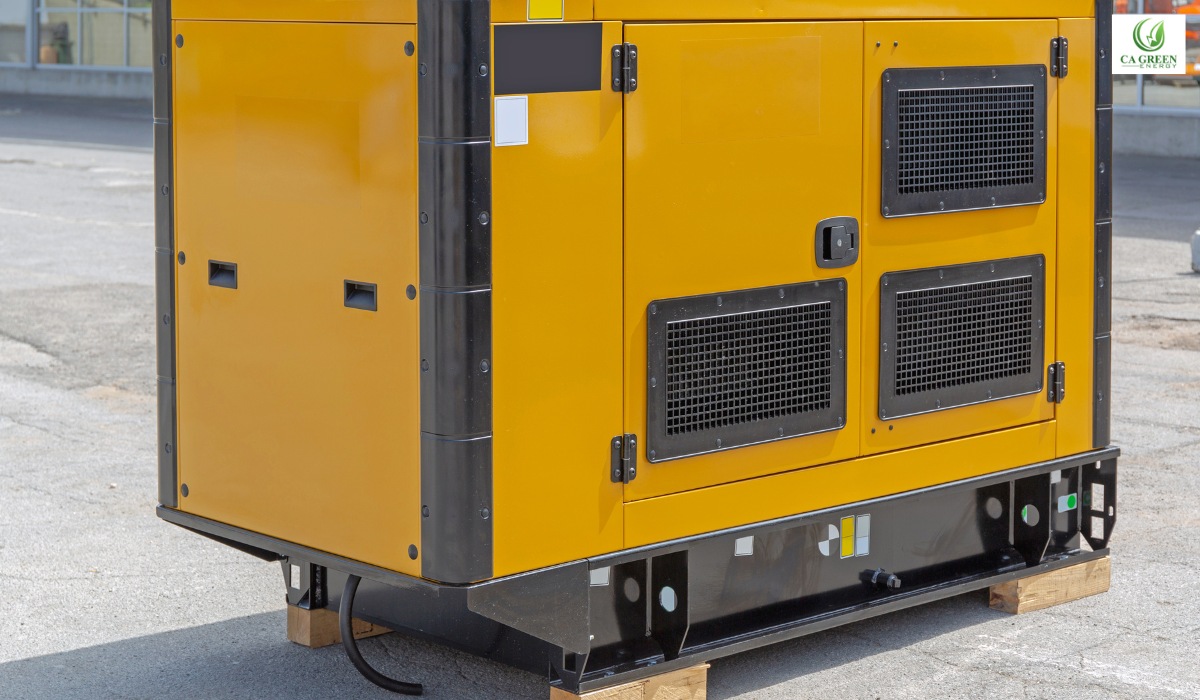
Several factors determine the cost of installing a house generator. It’s important to understand these factors to make an informed decision and budget appropriately. Here are some of the key factors that can affect the cost:
- Generator Size and Power Output: The size and power output of the generator play a significant role in determining the cost. Larger generators with higher power output capabilities will generally be more expensive than smaller ones.
- Fuel Type: The type of fuel the generator uses can also impact its cost. Different fuel types, such as diesel, natural gas, or propane, come with their own set of costs and availability considerations.
- Installation Requirements: The complexity of the installation process can affect the cost. Factors like site preparation, electrical wiring, and necessary permits can add to the overall cost of the installation.
- Additional Features and Accessories: Optional features and accessories, such as automatic transfer switches, remote monitoring systems, and soundproof enclosures, can increase the cost of the generator.
- Location: The location of your property can also impact the cost of installing a house generator. Factors like accessibility, local building codes, and labor costs can vary by location and contribute to the overall cost.
How to calculate the cost of installing a house generator
Calculating the cost of installing a house generator involves considering several factors. Here’s a step-by-step guide to help you estimate the cost:
- Determine your power needs: Assess your power requirements by identifying the essential appliances and systems you want to power during an outage.
- Choose the appropriate generator size: Select a generator size that can meet your power needs. Consider factors like the starting wattage of your appliances and the total wattage requirement.
- Research generator models and features: Explore different generator models and their features to find the one that best fits your requirements and budget.
- Obtain quotes from reputable installers: Contact reputable generator installers and request quotes for the installation, including any additional features or accessories you would like.
- Consider ongoing maintenance and fuel costs: Remember to factor in the ongoing costs of maintenance and fueling when calculating the overall cost of owning a house generator.
- Budget for installation and any additional requirements: Allocate a budget for the installation process and any additional requirements, such as permits or site preparation.
By considering these factors and following these steps, you can estimate the cost of installing a house generator and make a well-informed decision. Remember to consult with professionals who specialize in generator installations to get accurate cost estimates and ensure a smooth and efficient installation process.
Benefits of Having a Permanent Stationary Generator
Ensuring uninterrupted power supply during outages
Having a permanent stationary generator installed in your home or business can provide you with the peace of mind of knowing that you will have a reliable source of power during outages. Whether it’s a natural disaster, a utility company issue, or a Public Safety Power Shutoff (PSPS), a generator can keep your lights on, your appliances running, and your essential systems powered. You won’t have to worry about spoiled food, disrupted work, or discomfort due to a lack of power. A permanent stationary generator can seamlessly kick in as soon as the power goes out, ensuring that your life can continue as normal.
Peace of mind and added value to your property
In addition to providing an uninterrupted power supply, a permanent stationary generator can also add value to your property. Potential buyers or renters will see the generator as a valuable asset, especially in areas prone to power outages or with limited access to reliable power. Knowing that a property has a generator can give peace of mind to homeowners and businesses alike, knowing that they will be able to continue their daily routines even during emergencies.
Moreover, having a permanent stationary generator can also provide peace of mind for residents who rely on medical equipment or have specific power needs due to health conditions. The assurance of continuous power can be a significant relief for those who depend on electricity to run critical medical equipment or devices.
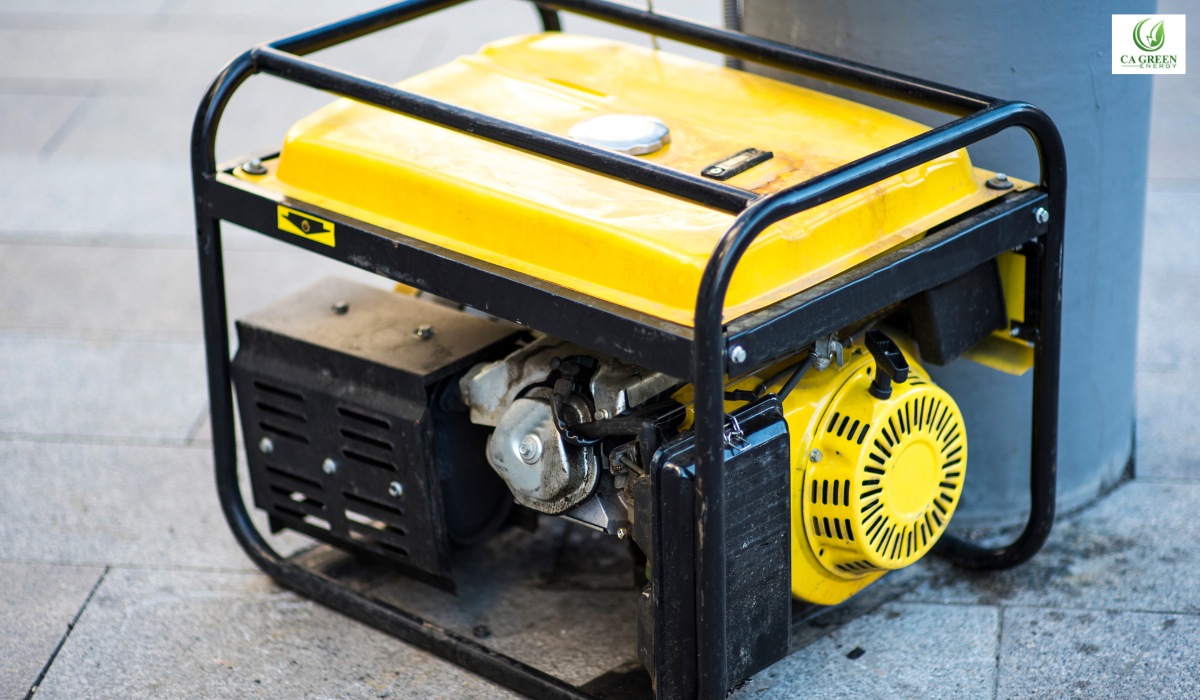
Compliance and Safety Measures for House Generators
Following the National Fire Protection Association Standard 110
When it comes to installing a permanent stationary generator in your home, it is crucial to prioritise safety. One essential standard to follow is the National Fire Protection Association (NFPA) Standard 110. This standard provides guidelines for the proper installation, operation, and maintenance of emergency and standby power systems.
Adhering to NFPA Standard 110 ensures that your generator is installed correctly and in a safe location. It outlines requirements for ventilation, fuel storage, electrical connections, and other critical aspects of generator installation. Following these guidelines helps prevent fire hazards, fuel leaks, and electrical malfunctions, reducing the risk of accidents or damage to your property.
Ensuring safety and compliance with local regulations
In addition to following NFPA Standard 110, it is essential to comply with local regulations and codes when installing a house generator. Each city or county may have specific requirements for generator installation, such as setback distances, noise limitations, and permitting processes. It is crucial to research and understand these regulations to ensure that your generator installation is legal and safe.
Key Takeaways:
- Permanent stationary generators provide uninterrupted power supply during outages and add value to your property.
- Ensure compliance with CARB regulations for generator usage during public safety power shutoffs.
- Prioritise safety by following NFPA Standard 110 for generator installation and maintenance.
- comply with local regulations and codes to ensure legal and safe generator installation.
- Regular maintenance and repair services are essential to keep your generator running smoothly.
- Work with a professional generator installation company to ensure compliance and receive expert guidance.