Overview of the importance of electrical panel upgrades in California
Keeping your electrical panel in good condition is crucial for the safety and functionality of your electrical system. The International Association of Certified Home Inspectors recommends regularly checking your electrical panel for any signs of damage, such as corrosion or scorching. Even if there are no repairs needed, it is important to make maintenance of your electrical panel a routine part of your home care.
Benefits of a 200-amp electrical panel upgrade
If you are considering an electrical panel upgrade, there are several benefits to choosing a 200-amp panel:
1. Increased Capacity: An electrical panel with 200 amps provides a higher capacity for electricity, allowing you to power more appliances and devices simultaneously without overloading the system. This is particularly important in modern homes, where electricity demand has significantly increased.
2. Improved Safety: Upgrading to a 200-amp panel ensures that your electrical system can handle the electrical load without overheating or causing potential hazards. This is especially important if you have added new electrical devices or appliances to your home.
3. Future-Proofing: With the increasing reliance on electronic devices and smart home technologies, a 200-amp electrical panel upgrade allows for future expansion and adaptability. It provides the flexibility to meet the demands of new technologies without the need for further upgrades soon.
4. Enhanced Property Value: Upgrading your electrical panel to a 200-amp system adds value to your property. Potential home buyers recognize the importance of having a reliable and efficient electrical system, and a 200-amp panel can be a selling point for your home.
5. Compliance with Building Codes: In many areas, including California, certain building codes require a minimum capacity of 200 amps for new construction or major renovations. Upgrading to a 200-amp panel ensures compliance with these codes and avoids any potential issues with inspections or permits in the future.
Understanding Electrical Panels
What is an electrical panel?
An electrical panel, also known as a breaker box or distribution board, is a crucial component of your home’s electrical system. It is where electricity enters your home and is distributed to various circuits throughout the house. The panel houses circuit breakers or fuses that control the flow of electricity to different areas, ensuring safety and preventing overloading.
Functions and components of an electrical panel
The primary function of an electrical panel is to regulate and protect the electrical system in your home. It provides a centralized location for circuit breakers or fuses that control the distribution of electricity. Here are some essential components of an electrical panel:
- Main breaker: This is a large switch that shuts off power to the entire house. It is used during emergencies or maintenance activities.
- Circuit breakers: These are individual switches or breakers that control the flow of electricity to specific circuits or areas of your home. When a circuit detects an overload or short circuit, the breaker trips to prevent damage or fire hazards.
- Grounding bus: It is a metal bar or rod that connects the neutral wires from circuits to the ground. It helps divert excess electrical current in case of a fault or surge.
- Neutral bus: This is a metal bar where the neutral wires from circuits are connected. It ensures the flow of return current to complete the electrical circuit.
- Hot bus: It is a metal bar to which the hot wires from circuits are connected. The hot wires carry electricity from the main power lines to various circuits in your home.
It is important to understand the basics of your electrical panel to ensure its proper maintenance and functionality. Regular inspection of the panel and its components is crucial to identifying any signs of damage or wear and tear. It is advisable to consult with a professional electrician for any upgrades or replacements needed.
Signs That You Need a Panel Upgrade
Common signs of an outdated electrical panel
If your electrical panel is older than 25 to 40 years, you likely need to upgrade it. However, other signs indicate the need for a panel upgrade. Here are some common signs to look out for:
1. Frequent circuit breaker trips: If your circuit breakers are constantly tripping or if you find yourself frequently resetting them, it could be a sign that your electrical panel is not able to handle the electrical load of your home. This can be particularly problematic if you have added new appliances or upgraded your home’s electrical system.
2. Flickering lights: If you notice that your lights are flickering or dimming when using certain appliances, it could be a sign that your electrical panel is not providing sufficient power. This can be a safety hazard and should be addressed immediately.
3. Buzzing or crackling sounds: If you hear buzzing or crackling sounds coming from your electrical panel, it could indicate loose connections or faulty wiring. A qualified electrician should look into this because it might be a fire hazard.
4. Outdated panel design: Older electrical panels may not meet the current safety standards and may not have the capacity to handle the electrical demands of modern homes. If your panel has a fuse-based system instead of circuit breakers or if it does not have a proper grounding, it is a clear indication that an upgrade is needed.
Safety risks associated with an old panel
Using an outdated electrical panel can pose several safety risks to your home and family. Here are some potential dangers associated with an old panel:
1. Electrical fires: Faulty wiring, loose connections, and overloaded circuits can all increase the risk of electrical fires. Upgrading your panel can help ensure that your electrical system is up to code and can handle the electrical load of your home.
2. Electrocution hazards: Outdated panels may not have proper grounding, which can increase the risk of electrical shocks or electrocution. Grounding is essential for diverting excess electrical current in the event of a fault or surge.
3. Inadequate surge protection: Older panels may not have built-in surge protection, leaving your appliances and electronics vulnerable to power surges. A panel upgrade can include the installation of surge protection devices to safeguard your valuable electronics.
4. Insurance and code compliance: Many insurance companies require homes to have up-to-date electrical panels for coverage. Additionally, if you plan on selling your home, an outdated panel may not meet the requirements of building codes and may need to be upgraded to ensure a smooth transaction.
Benefits of a 200-amp Electrical Panel Upgrade
Increased electrical capacity for modern homes
With the advancements in technology and the increasing number of electronic devices in our homes, the electricity demand has significantly increased. Many older homes are equipped with 100-amp electrical panels, which may not be sufficient to handle the power requirements of today’s modern appliances and equipment.
Upgrading to a 200-amp electrical panel provides you with a higher electrical capacity, allowing you to safely power all your devices without the risk of overloading the system. It provides ample power for running multiple appliances simultaneously, such as air conditioners, heaters, electric vehicles, and home entertainment systems.
Enhanced safety features and protection against electrical hazards
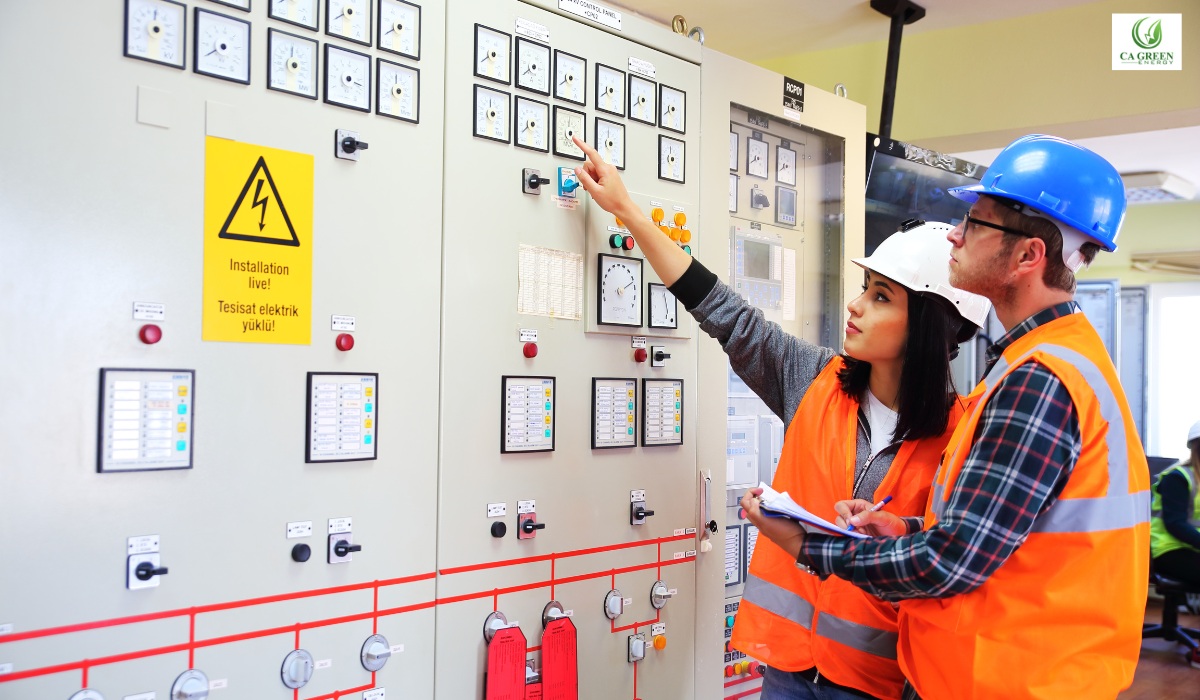
Electrical panels play a crucial role in protecting your home and family from electrical hazards. Upgrading to a 200-amp panel comes with several safety features that provide additional protection.
- Overload protection: A 200-amp panel can accommodate more circuits and distribute the load evenly, reducing the chances of overload and tripping breakers.
- Fire prevention: An outdated electrical panel can increase the risk of electrical fires due to outdated wiring, faulty breakers, or inadequate grounding. Upgrading to a 200-amp panel ensures that your electrical system meets the latest safety standards, reducing the risk of fire.
- Compatibility: A 200-amp panel is designed to handle the electrical needs of modern appliances and equipment. It provides the necessary power without straining the system, reducing the likelihood of electrical accidents and failures.
- Room for expansion: With a 200-amp panel, you have the flexibility to add new circuits or devices in the future without the need for further upgrades. It allows for future expansion of your electrical system, making it more adaptable to your changing needs.
Choosing the Right Electrical Panel Upgrade
Factors to consider when selecting a 200-amp electrical panel upgrade
When upgrading to a 200-amp electrical panel, there are a few important factors to consider to ensure you choose the right one for your needs:
1. Quality and reliability: Look for a reputable brand that is known for manufacturing high-quality electrical panels. Investing in a reliable panel will ensure the safety and longevity of your electrical system.
2. Available space: Measure the available space in your electrical room to determine the size of the panel that can be accommodated. It’s crucial to choose a panel that fits properly and allows for easy access.
3. Number of circuits: Consider the number of circuits you currently have and anticipate the need for future expansions. A 200-amp panel typically allows for more circuits than a 100-amp panel, providing you with greater flexibility.
4. Compatibility with existing wiring: Ensure that the panel you choose is compatible with your existing wiring. Hiring a certified electrician can help you assess the compatibility and make any necessary adjustments.
5. Budget: Determine your budget for the panel upgrade. While it’s essential to invest in a quality panel, you should also consider your financial constraints.
Comparing different brands and models
To help you make an informed decision, here’s a comparison of some popular brands and models of 200-amp electrical panels:
| Brand | Model | Features | Price Range |
|---|---|---|---|
| Siemens | PL series |
|
$200-$400 |
| Square D | QO series |
|
$250-$500 |
| Eaton | CH series |
|
$300-$600 |
The Installation Process
A step-by-step guide to installing a 200-amp electrical panel
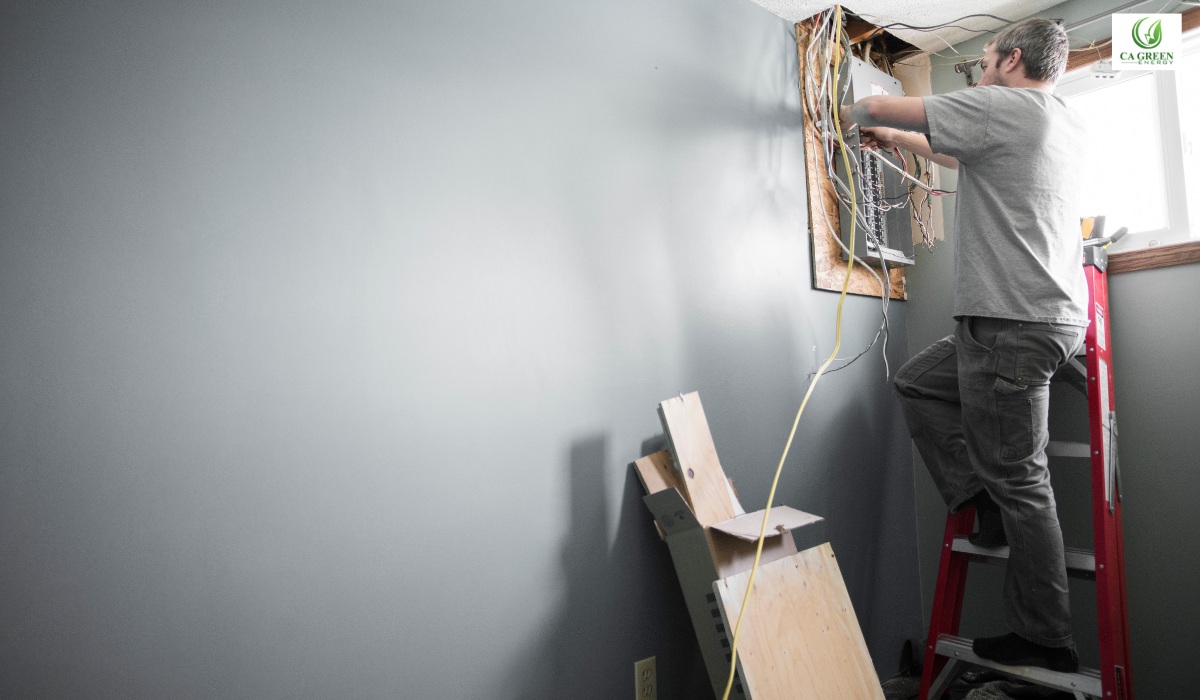
1. Consultation and assessment: A certified electrician will visit your home to conduct an assessment and determine the feasibility of upgrading to a 200-amp electrical panel. They will also discuss your electrical needs and provide recommendations based on your specific requirements.
2. Obtaining permits: The electrician will handle the necessary paperwork and obtain the required permits from the city. This ensures that the installation meets all the local building codes and safety regulations.
3. Disconnecting power: Before starting the installation, the electrician will disconnect the power supply to ensure a safe working environment.
4. Removing the old panel: The existing electrical panel will be carefully removed, taking all necessary precautions to avoid damage to the surrounding wiring and circuits.
5. Installing the new panel: The new 200-amp electrical panel will be positioned at a suitable location, keeping in mind factors such as accessibility and ventilation requirements. The wiring will be connected to the new panel, ensuring proper grounding and secure connections.
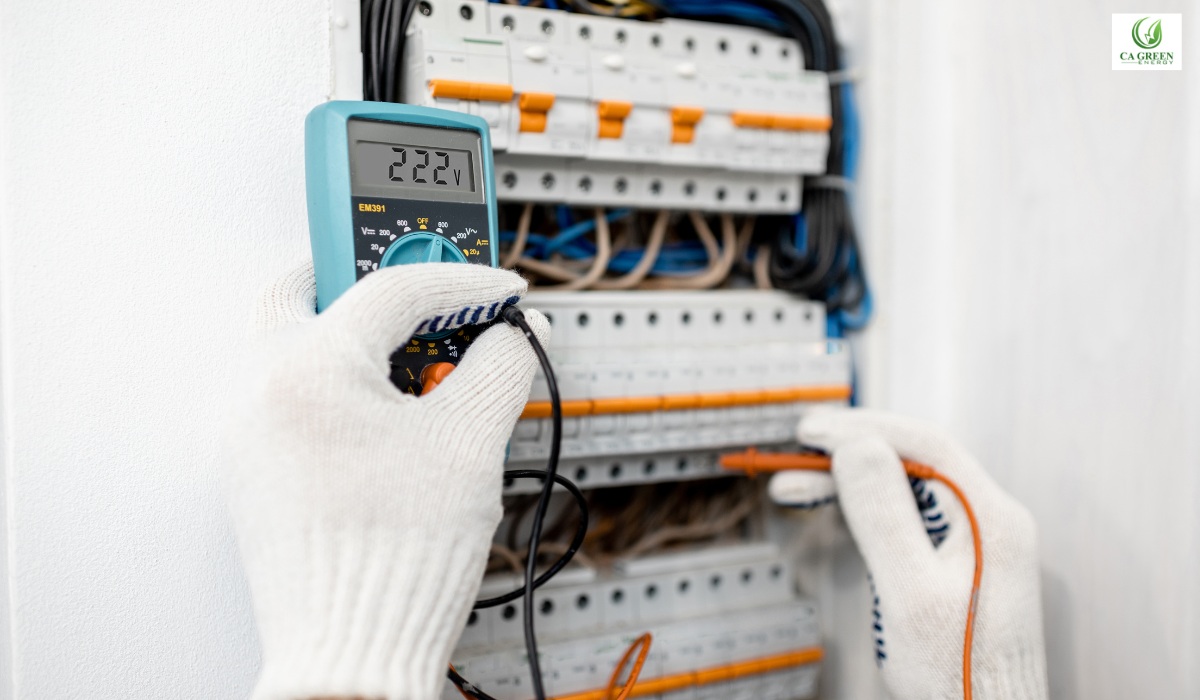
6. Testing and inspection: Once the installation is complete, the electrician will thoroughly test the new panel to ensure it is functioning correctly. They will also conduct a final inspection to verify compliance with all safety standards and regulations.
7. Cleanup and removal: The electrician will clean up the work area and dispose of any old materials, leaving your home neat.
Safety precautions during installation
Installing a 200-amp electrical panel involves working with high-voltage electrical systems, which poses potential risks. To ensure safety during the installation process, the following precautions are taken:
1. Power disconnection: The electrician will disconnect the power supply before starting any work. This prevents accidental electrocution and protects both the electrician and the homeowner.
2. Proper grounding: The electrical panel will be securely grounded to prevent electrical shocks and ensure the safe operation of the entire electrical system.
3. Correct sizing and wiring: The electrician will carefully select and install the appropriate size of wires and breakers to handle the increased electrical capacity. This prevents overheating and reduces the risk of electrical fires.
4. Compliance with regulations: The installation will be carried out according to the local building codes and safety regulations, ensuring a safe and code-compliant electrical system.
5. Testing and inspection: Thorough testing and inspection are conducted to verify the proper functioning of the new panel and ensure compliance with safety standards.
It is important to hire a certified and experienced electrician to install a 200-amp electrical panel. They have the knowledge and expertise to handle complex electrical work safely and efficiently.
Cost and Warranty
The average cost of a 200-amp electrical panel upgrade in California
The cost of upgrading to a 200-amp electrical panel in California can vary depending on several factors. On average, homeowners can expect to pay between $1,500 and $3,000 for the installation. However, it’s important to note that this is just an estimate, and the actual cost may be higher or lower depending on the specific requirements of your home.
Several factors can impact the cost of the upgrade, including:
Size of the home: Larger homes may require more extensive wiring and panel upgrades, which can increase the overall cost.
It’s important to consult with a certified electrician to get an accurate estimate for your specific home. They will assess your electrical needs and provide a detailed quote based on the complexity of the installation.
Understanding the warranty coverage
When upgrading to a 200-amp electrical panel, it’s essential to understand the warranty coverage provided by the manufacturer and the electrician. Here are some key points to consider:
Maintenance and service plans: Some electricians may offer maintenance or service plans for your electrical panel, which can provide additional coverage and peace of mind. These plans often include regular inspections, cleaning, and minor repairs if needed. It’s worth considering these plans, as they can help ensure the longevity and optimal performance of your electrical panel.