How Does Solar Energy Work?
Solar energy is a renewable power source derived from the sun’s rays. It is a clean and sustainable energy that can be harnessed through solar panels. These panels comprise photovoltaic (PV) cells, which can convert sunlight directly into electricity. Solar energy can also be used for heating purposes through solar thermal systems.
Importance of Solar Energy in Renewable Energy
Solar energy is vital in transitioning to a more sustainable and clean future. Here are some reasons why solar energy is essential in the renewable energy landscape:
1. Renewable and Sustainable: Solar energy is renewable, meaning it will not deplete over time. We will have a constant energy source as long as the sun exists. Solar power does not contribute to greenhouse gas emissions or air pollution, making it a sustainable option for power generation.
2. Energy Independence: Solar energy allows individuals, communities, and businesses to generate their own electricity. This reduces dependence on fossil fuels and the grid, leading to greater energy independence and stability.
3. Cost Savings: Investing in solar power can significantly save costs over time. Once installed, solar panels require minimal maintenance, and the energy generated is free. You can reduce or even eliminate your electricity bills with the right solar system.
4. Job Creation: The solar industry has experienced significant growth in recent years, creating numerous jobs. From solar panel installation to manufacturing and maintenance, the solar industry has the potential to create employment opportunities and stimulate economic growth.
5. Grid Resilience: Solar power can improve the resilience of the electrical grid. Solar energy reduces transmission and distribution losses by generating electricity closer to where it is consumed. This can help prevent power outages and enhance grid reliability during extreme weather events or emergencies.
6. Environmental Benefits: Solar power is a clean energy source that does not produce harmful emissions. By transitioning to solar energy, we can reduce our carbon footprint and mitigate the impacts of climate change.
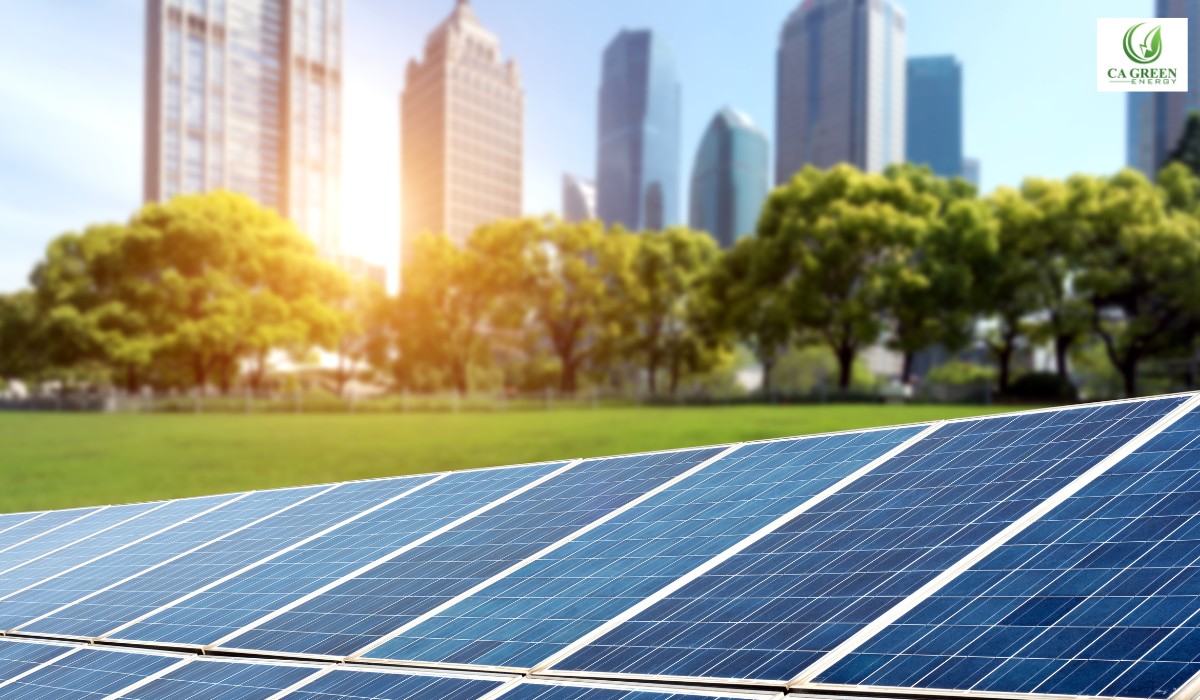
Solar Photovoltaic (PV) Technology
How Does Solar PV Technology Work?
Solar PV technology is a way to convert sunlight directly into electricity. The process involves using solar panels, also known as solar cells, to harness the sun’s energy. Here’s a breakdown of how solar PV technology works:
1. Absorption of Sunlight: Solar panels consist of multiple solar cells made of a semiconductor material, usually silicon. When sunlight hits these cells, they absorb the photons from the sun’s rays.
2. Photovoltaic Effect: The absorbed photons energize the electrons in the semiconductor material, causing them to move and create an electric current. This phenomenon is called the photovoltaic effect.
3. Generating Direct Current (DC): The electric current generated by the movement of electrons is direct current (DC). However, most household appliances and the electrical grid operate on alternating current (AC).
4. Inverter Conversion: An inverter is connected to the solar panels to convert the DC electricity into usable AC electricity. The inverter transforms the DC into AC, aligning it with the electrical grid’s voltage and frequency.
5. Use and Distribution: The converted AC electricity can power your home’s electrical appliances and lighting. Any excess unused electricity is fed back into the grid, and you may receive credits or compensation for the energy you’ve generated.
Benefits and Applications of Solar PV Technology
Solar PV technology offers numerous benefits and can be applied in various ways:
1. Renewable Energy Source: Solar power is clean and renewable, reducing greenhouse gas emissions and dependence on fossil fuels.
2. Cost Savings: By generating electricity through solar panels, you can lower your energy bills and save money in the long run.
3. Grid Independence: Solar PV systems can provide power in remote areas where grid connection may be challenging, enhancing energy access in such regions.
4. Scalability: Solar PV systems can be installed on a small scale, such as residential rooftops, or a larger scale, such as solar farms, making them versatile for different applications.
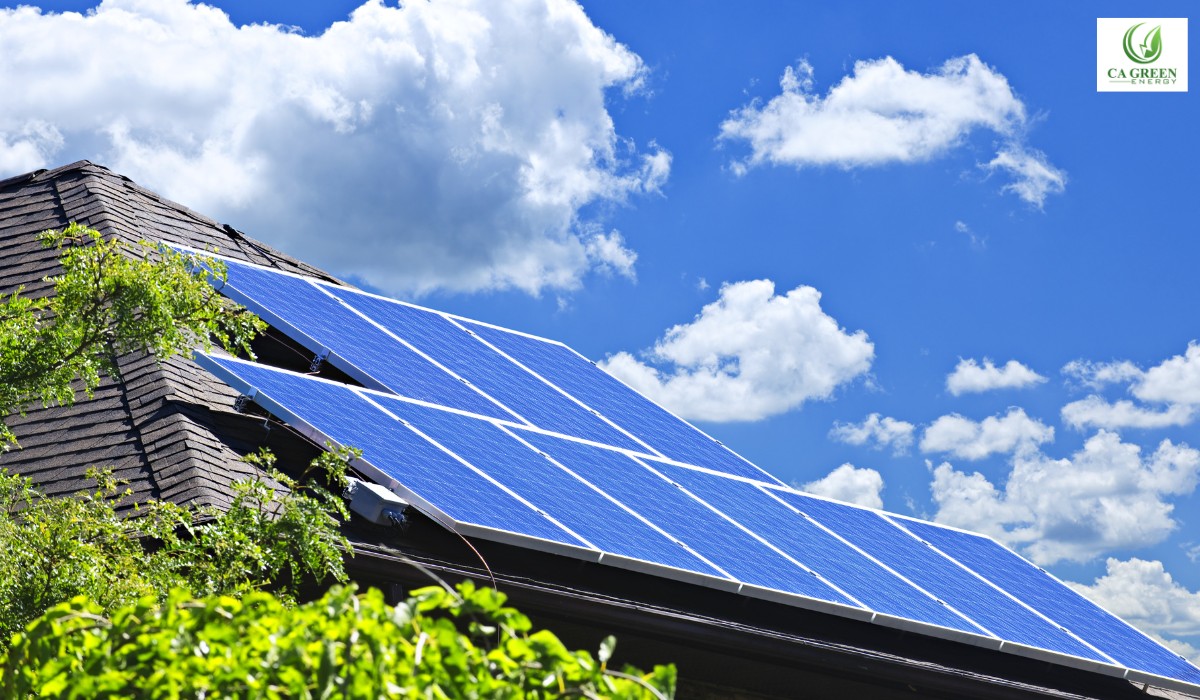
Concentrating Solar Power (CSP) Technology
How Does CSP Technology Work?
Concentrating Solar Power (CSP) technology utilizes mirrors or lenses to concentrate sunlight onto a receiver, which absorbs and converts solar energy into heat. This heat is then used to generate electricity through conventional power cycles. Here’s a breakdown of how CSP technology works:
1. Concentration of Sunlight: Mirrors or lenses concentrate sunlight onto a receiver. This concentration significantly increases the intensity of the sunlight, making it more effective for generating heat.
2. Absorption and Conversion: The receiver, usually located at the top of a tower, is designed to capture and absorb the concentrated sunlight. The absorbed sunlight heats a working fluid within the receiver, such as a liquid or gas.
3. Heat Transfer: The heated working fluid transfers its heat to a heat transfer medium, such as water or oil, through a heat exchanger. This process converts the solar energy into thermal energy.
Passive Solar Technology
Harnessing Heat from the Sun for Warmth
Passive solar technology utilizes the sun’s energy for heating without the need for active mechanical systems. This approach uses the sun’s heat and light to naturally warm buildings. Here’s how passive solar technology works:
1. Orientation and Design: Passive solar buildings are strategically designed and oriented to maximize solar gain. This means positioning windows, walls, and roofs to capture the sun’s energy during winter while minimizing heat gain during summer.
2. Solar Heat Collection: The thermal mass is the main component of passive solar heating systems. This can be materials like concrete, stone, or water that can absorb and store heat from the sun. When sunlight enters the building through windows, it is absorbed by the thermal mass, which then slowly releases heat as the temperature cools.
3. Direct Gain Systems: The direct gain system is a standard passive solar heating technique. This involves positioning large south-facing windows to allow sunlight to enter and directly heat the living space. During the day, the thermal mass absorbs the heat; at night, it radiates that heat back into the room.