Overview of the importance of EV charging stations in California
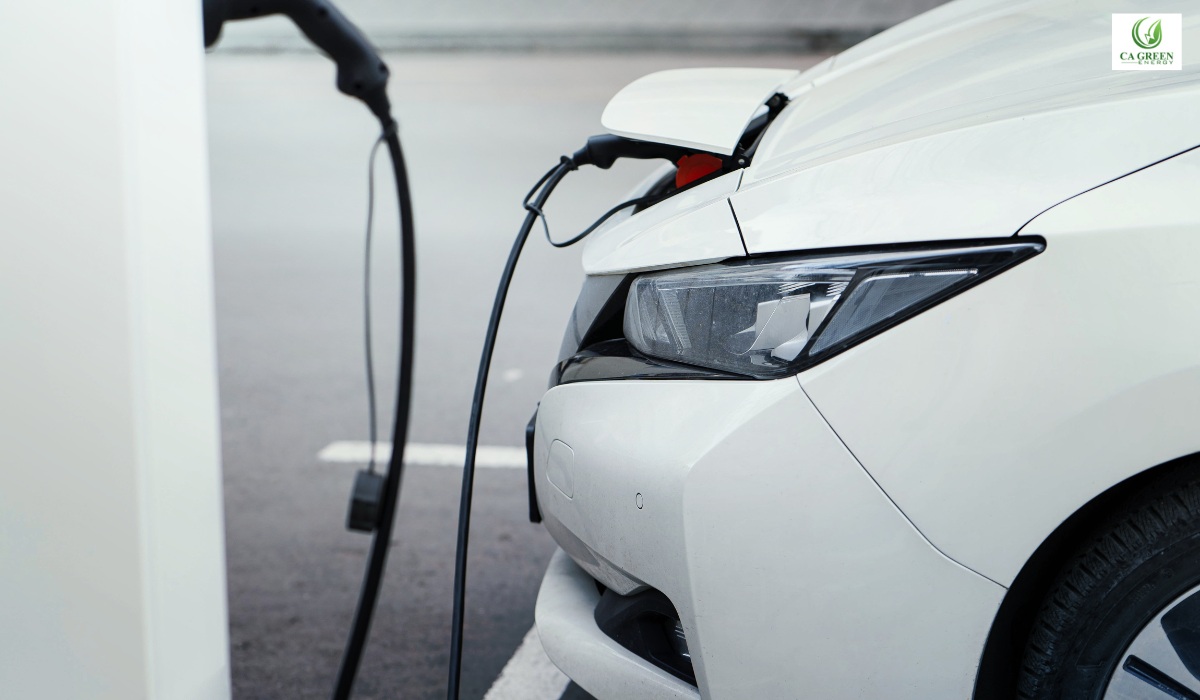
The Electric Highway program in California aims to increase the accessibility and availability of EV charging stations throughout the state. These charging stations are strategically placed along highways, making it easier for EV owners to travel longer distances without worrying about running out of charge. Some important points to note about EV charging stations in California include:
- Availability: The U.S. Department of Energy provides a comprehensive listing of public charging stations, making it easy for EV owners to find a charging station near their location. In-car navigation systems and mobile apps are also useful tools for locating charging stations.
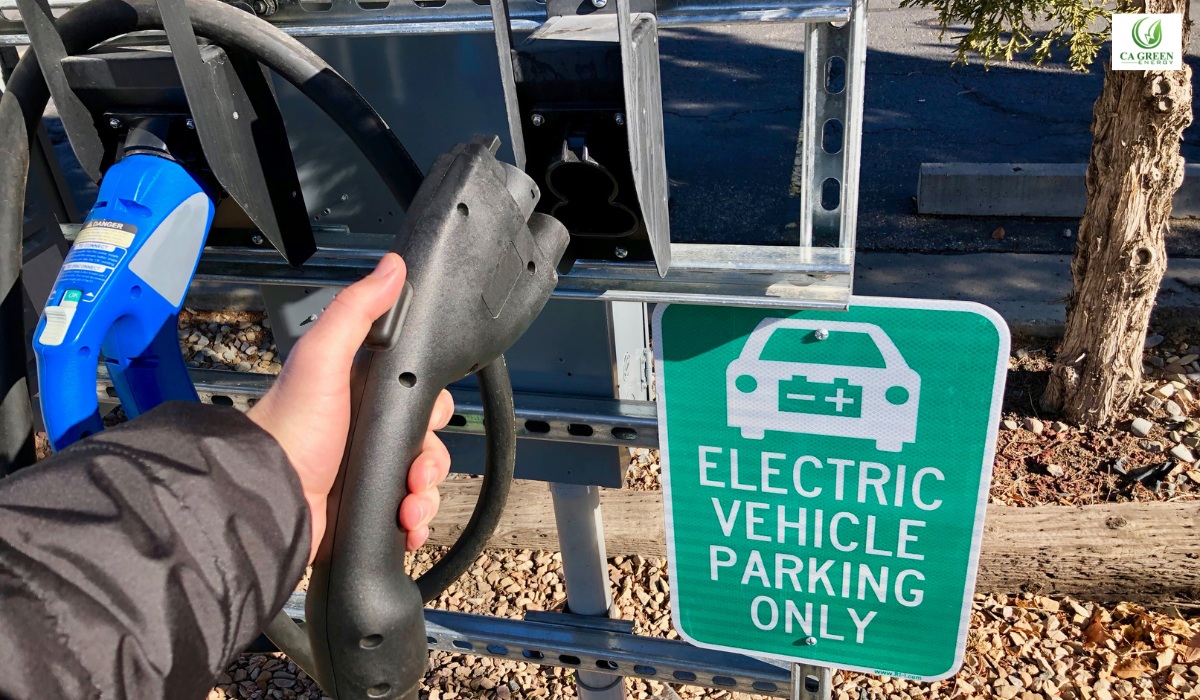
- Charging options: EV owners may need a key fob or RFID card to operate charging stations. Prices for charging may vary depending on the equipment vendor.
- Infrastructure growth: The Electric Highway program not only benefits EV owners but also contributes to industry growth and job creation. As the demand for EVs increases, more charging stations will be needed, creating opportunities for the development and expansion of charging infrastructure.
Benefits of using EV charging stations in California
The use of EV charging stations in California offers several benefits for both individuals and the environment. Some key advantages include:
- Environmental impact: By shifting from traditional gasoline-powered vehicles to EVs, we can significantly reduce greenhouse gas emissions and air pollution. EVs produce zero tailpipe emissions, helping to improve air quality and mitigate climate change.
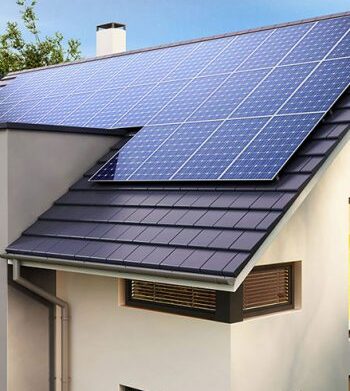
- Energy independence: Electric vehicles rely on electricity as their primary source of power, reducing our dependence on foreign oil. By utilizing renewable energy sources to charge EVs, we can further enhance energy independence and reduce our carbon footprint.
- Cost savings: EVs offer lower operating and maintenance costs compared to traditional vehicles. Fuel costs for EVs are typically lower than gasoline prices, and routine maintenance requirements are minimal. Additionally, some charging stations offer free charging or discounted rates, providing further cost savings for EV owners.
California Energy Commission
Role of California Energy Commission in promoting EV charging infrastructure
- The California Energy Commission plays a crucial role in promoting and supporting the development of EV charging infrastructure in the state. Its goal is to create a clean, modern, and thriving California by encouraging the adoption of electric vehicles and reducing greenhouse gas emissions.
- The commission is responsible for administering various programs and initiatives that provide funding and incentives to expand the EV charging network. These programs include the Electric Vehicle Charging Infrastructure Program (EVCIP) and the Alternative and Renewable Fuel and Vehicle Technology Program (ARFVTP).
- Through these programs, the commission provides grants and financial support to businesses, local governments, and other organizations to install EV charging stations. This helps increase the availability and accessibility of charging infrastructure across California.
- Additionally, the commission works closely with utility companies to ensure that the electrical grid can support the increased demand for electric vehicles. It collaborates on planning and implementing smart charging strategies to optimize the use of renewable energy and minimize the impact on the grid.
- The commission also engages in research and development activities to explore innovative technologies and solutions for EV charging. This includes studying battery storage, vehicle-to-grid integration, and advanced charging technologies to improve the efficiency and effectiveness of charging infrastructure.
Contact information and location of California Energy Commission
- The California Energy Commission is located at 715 P Street, Sacramento, CA 95814. This is the main office where the commission carries out its regulatory and administrative functions.
- For inquiries regarding EV charging infrastructure and related programs, individuals can contact the California Energy Commission through their website or by calling their main office at (916) 654-5106.
- The commission’s website provides detailed information on its programs, initiatives, and resources for promoting electric vehicles and charging infrastructure in California. It also offers access to various reports, studies, and publications related to clean energy and transportation.
- Individuals interested in pursuing a career with the California Energy Commission can visit their careers page on the commission’s website. It provides information on current job openings, application processes, and the benefits of working for the commission in its mission to create a cleaner and more sustainable California.
West Coast Electric Highway
Explanation of the West Coast Electric Highway
The West Coast Electric Highway is a network of charging stations for electric vehicles (EVs) that spans the entire West Coast of the United States. The initiative is led by the Oregon Department of Transportation, with support from the California Governor’s Office and Plug-In BC in British Columbia, Canada. This collaborative effort aims to create a reliable and convenient charging infrastructure for EV drivers along major highways.
Advantages of the extensive network of EV charging stations along Interstate 5
- Seamless travel: With hundreds of DC fast chargers and thousands of Level 2 charging units, the West Coast Electric Highway ensures that EV drivers can travel along Interstate 5 without worrying about running out of battery power. The network covers a vast distance, from Canada down to the Mexican border, making long-distance EV travel feasible and convenient.
- Accessible locations: The charging stations along the West Coast Electric Highway are strategically located near popular amenities such as shopping centers, fueling stations, and restaurants. This means that EV drivers can charge their vehicles while taking a break, running errands, or grabbing a meal, making the charging process more convenient and integrated into their daily activities.
- Up-to-date information: The West Coast Electric Highway network constantly updates its database to provide accurate and current information on charging station availability and pricing. This ensures that EV drivers can plan their trips accordingly and have access to real-time information on available charging options.
- Collaboration between government and industry partners: The West Coast Electric Highway is a collaborative effort between government agencies and industry partners. This collaboration ensures that the charging infrastructure is developed in a way that meets the needs of both EV drivers and the private sector. It also helps foster innovation and investment in clean transportation technologies.
- User-friendly experience: The West Coast Electric Highway network prioritizes user experience, with user reviews and ratings available for each charging station. This allows EV drivers to make informed decisions about which stations to use based on the experiences of others. Additionally, the mobile app integration provides easy access to charging station information and navigation directions, making it convenient for EV drivers on the go.
Charging Station Locations
Finding EV charging stations in California using online platforms
If you’re an electric vehicle (EV) driver in California, finding charging stations along your route is essential for a seamless journey. Several online platforms can help you locate EV charging stations in California, making it easier for you to plan your trips and ensure a reliable charging infrastructure. Here are some tips for finding charging stations using these online platforms:
- PlugShare: PlugShare is a popular online platform that provides a comprehensive database of EV charging stations in California and across the country. The platform allows users to search for charging stations based on location, amenities, and charging networks. PlugShare also allows users to leave reviews and ratings for charging stations, providing valuable insights for other EV drivers.
- ChargePoint: ChargePoint is another widely used online platform for locating charging stations in California. ChargePoint provides real-time information on the availability of charging stations, allowing you to plan your trips accordingly. The platform also offers a mobile app for easy access to charging station information and navigation directions.
- EVgo: EVgo is a charging network that operates numerous fast-charging stations across California. Their online platform and mobile app provide users with up-to-date information on the availability and pricing of chargers. EVgo also offers a membership program, allowing subscribers to access their charging stations at discounted rates.
Tips for locating charging stations in different regions of California
California is a large state with diverse landscapes and regions. Here are some tips for finding charging stations in different areas of California:
- Urban areas: In major cities like Los Angeles, San Francisco, and San Diego, there are numerous charging stations available. Use online platforms like PlugShare and ChargePoint to locate charging stations near your destination or along your route.
- Rural areas: While charging stations may be less common in rural areas, California still has options for EV drivers. Look for charging stations at hotels, shopping centers, and tourist attractions. Utilize online platforms to identify charging station availability in rural areas.
- Highways and interstates: The West Coast Electric Highway, which spans along Interstate 5, provides a reliable and extensive network of charging stations for long-distance travel. Use the online platforms mentioned above to find charging stations along highways and interstates.
- National parks: If you’re planning a visit to one of California’s beautiful national parks, check in advance if they have charging stations available. Some national parks, like Yosemite and Joshua Tree, offer charging options to accommodate EV drivers.
Charging Station Features
Common features and amenities available at EV charging stations
When searching for EV charging stations in California, you may come across various features and amenities offered at these stations. Here are some common ones you might find:
- Level 2 chargers: Level 2 chargers are the most common type of charging stations and can be found at most locations. These chargers provide a moderate charging speed, typically adding about 25 miles of range per hour of charging.
- DC fast chargers: DC fast chargers, also known as Level 3 chargers, are high-speed chargers that can quickly recharge your electric vehicle. They are especially beneficial for long-distance travel and can add up to 80 miles of range in just 20 minutes of charging.
- Charging networks: Different charging networks operate in California, such as ChargePoint, EVgo, and Electrify America. Some stations are exclusive to certain networks, while others accept multiple networks. It’s important to check which networks are available at your desired charging station to ensure compatibility with your EV.
- Payment options: Charging stations may offer various payment methods, including credit card payment, mobile apps, or unique membership cards. It’s essential to understand the payment options available and ensure they are convenient for you.
- Amenities: Many charging stations offer amenities to enhance your charging experience. These amenities can include Wi-Fi access, clean restrooms, comfortable waiting areas, and nearby shops or restaurants to keep you entertained while your vehicle charges.
Factors to consider when choosing a charging station
When choosing a charging station, there are several factors you should consider to ensure a smooth charging experience. These factors include:
- Location: Choose a charging station that is conveniently located along your route or near your destination. Consider the distance from major highways, urban areas, and tourist attractions to find a station that suits your needs.
- Availability: Check the online platforms mentioned earlier to determine the availability of charging stations. Real-time information can help you avoid any potential charging station congestion or long waiting times.
- Speed of charging: If you’re on a time-sensitive journey, consider using DC fast chargers for quick recharge times. However, if you have more time, Level 2 chargers might be sufficient.
- Cost: Evaluate the charging costs associated with each station. Some stations may offer free charging, while others may require payment. Take into account not only the charging costs but also any additional parking fees or time limitations.
- Reviews and ratings: Utilize online platforms to read reviews and ratings for charging stations. This can give you insights into the reliability, cleanliness, and overall quality of the station.
Taking these factors into account will help you choose the most suitable charging station for your needs. With the extensive network of charging stations available in California and the various amenities they offer, you can confidently rely on EV charging infrastructure to power your journey.
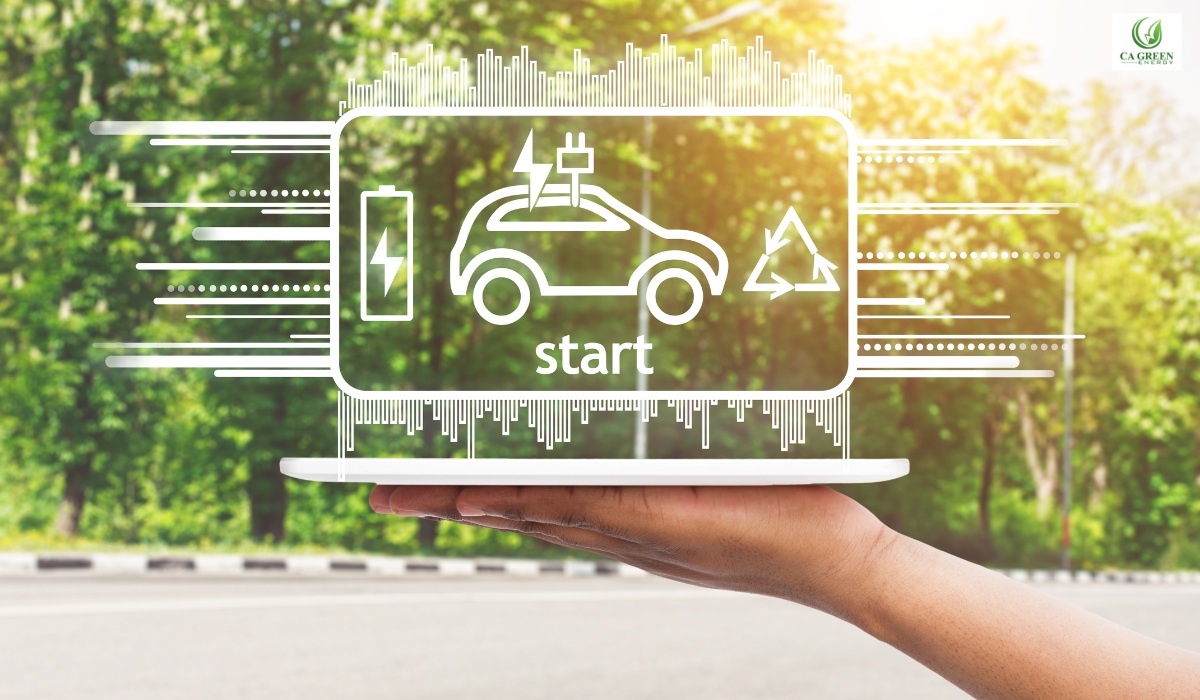
Environmental Impact
Benefits of using EV charging stations for the environment
When you choose to use EV charging stations in California, you contribute to several environmental benefits:
- Reduced greenhouse gas emissions: Electric vehicles produce zero tailpipe emissions, which means they do not contribute to air pollution. By using EV charging stations instead of relying on gasoline-powered vehicles, you help to reduce greenhouse gas emissions and combat climate change.
- Improved air quality: The use of electric vehicles and charging stations helps to improve air quality in California. By reducing the number of gasoline-powered vehicles on the road, you reduce the emission of pollutants such as nitrogen oxides and particulate matter, which can have detrimental effects on human health.
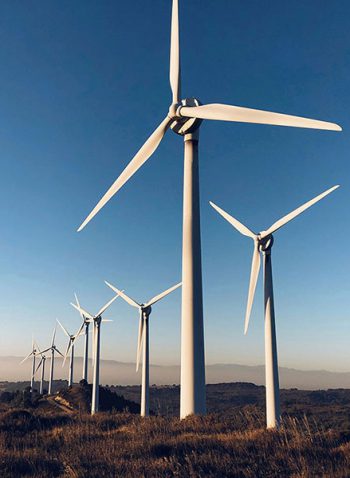
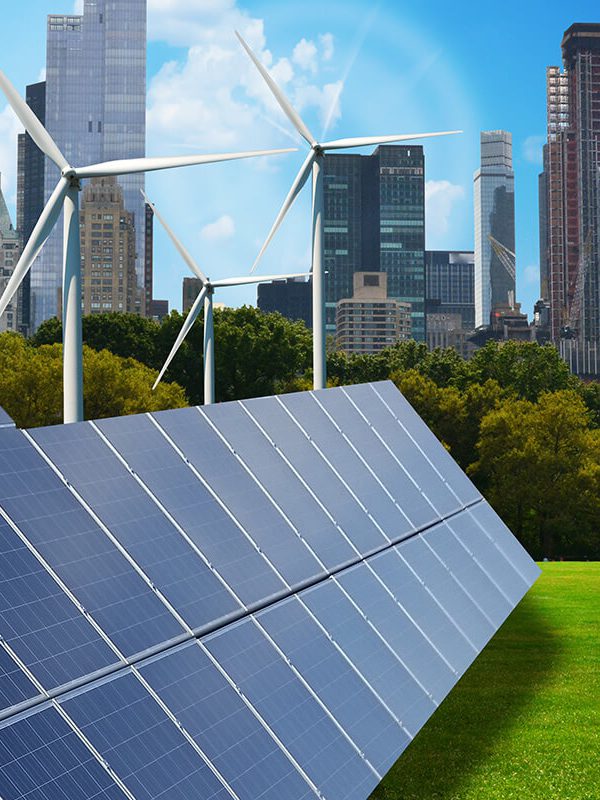
- Decreased dependence on fossil fuels: Electric vehicles rely on electricity as their source of power, which can be generated from renewable energy sources such as solar and wind. By choosing to charge your EV at charging stations, you support the development and use of clean energy, reducing the reliance on fossil fuels and promoting a sustainable energy future.
- Noise pollution reduction: Electric vehicles are generally quieter than their gasoline-powered counterparts, resulting in a reduction in noise pollution. This is particularly beneficial in urban areas, where noise pollution can have negative effects on the well-being of residents.
Reduction in greenhouse gas emissions by switching to electric vehicles
By switching to electric vehicles and utilizing EV charging stations, you can significantly reduce greenhouse gas emissions in California. Here are some statistics on the environmental impact of electric vehicles:
- According to the California Air Resources Board, transportation accounts for approximately 40% of greenhouse gas emissions in the state. By transitioning to electric vehicles, these emissions can be reduced significantly.
- A study conducted by the Union of Concerned Scientists found that electric vehicles produced around 50% less greenhouse gas emissions compared to gasoline-powered vehicles over their lifetime.
- The California Energy Commission estimates that the adoption of electric vehicles can result in a reduction of about 10 million metric tons of greenhouse gas emissions per year by 2030.
- Charging an electric vehicle with electricity generated from renewable sources can further decrease greenhouse gas emissions by eliminating the carbon emissions associated with electricity generation.
Switching to electric vehicles and utilizing EV charging stations is a crucial step towards reducing greenhouse gas emissions and mitigating the effects of climate change. By making this transition, you can contribute to a cleaner, more sustainable California environment for future generations.