Clean Energy Credits in California
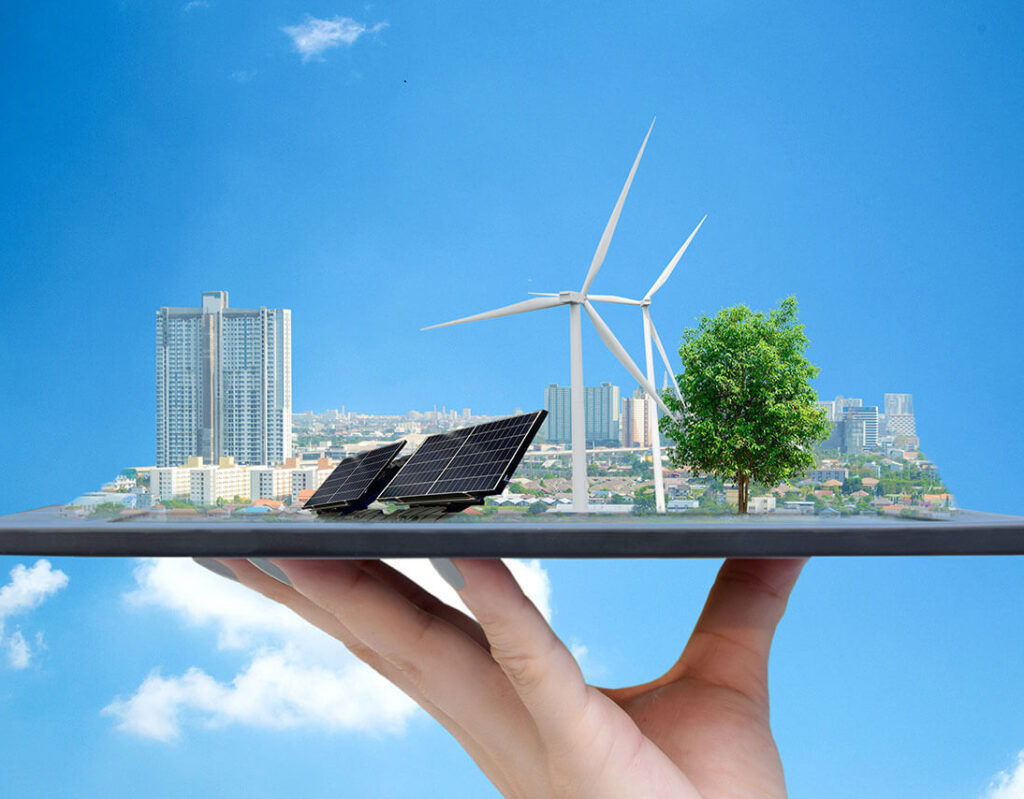
California offers numerous clean energy rebates and incentives to promote energy efficiency and the use of renewable energy sources. These incentives are designed to encourage individuals and businesses to invest in clean energy upgrades, such as solar panels or energy-efficient appliances. By taking advantage of these programs, Californians can reduce their energy consumption, lower their utility bills, and contribute to a cleaner and more sustainable environment.
Benefits of Clean Energy Credits
There are several benefits to taking advantage of clean energy credits in California:
- Financial Savings: Utilizing clean energy credits can result in significant financial savings. By implementing energy-efficient upgrades, such as insulation or solar panels, residents and businesses can reduce their energy consumption and lower their utility bills. Additionally, tax credits and incentives can help offset the initial cost of installing clean energy technologies.
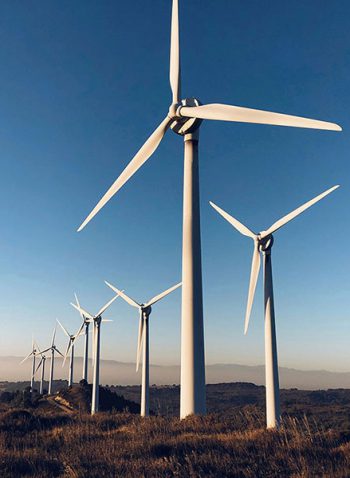
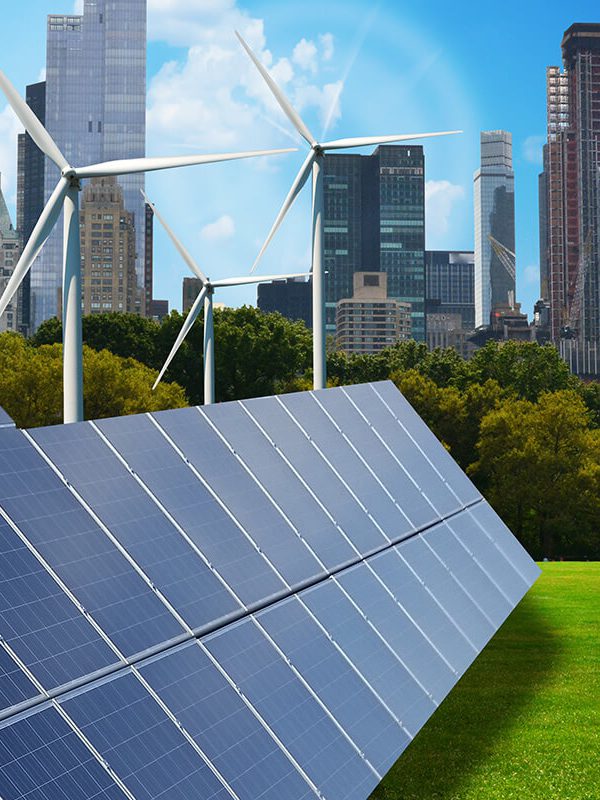
- Environmental Impact: Choosing clean energy options helps reduce greenhouse gas emissions and environmental pollution. By using renewable energy sources, such as solar or wind power, individuals and businesses can mitigate their carbon footprint and contribute to a cleaner and healthier environment.
- Energy Independence: Investing in clean energy technologies promotes energy independence. By generating electricity from renewable sources, individuals and businesses become less reliant on traditional energy sources, such as fossil fuels. This reduces the vulnerability to fluctuations in energy prices and supply disruptions.
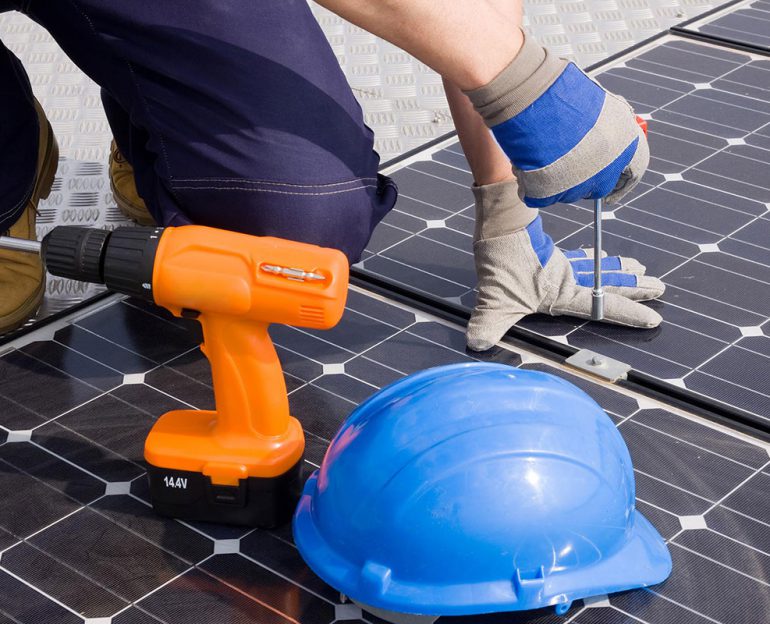
- Job Creation: Transitioning to a clean energy economy can create jobs. The growth of the clean energy sector creates opportunities for skilled workers in fields such as solar panel installation, energy auditing, and energy-efficient construction. This job growth translates into economic benefits for local communities and the state as a whole.
- Public Health Benefits: Clean energy technologies improve air quality by reducing emissions of pollutants and greenhouse gases. This leads to improved respiratory health and a decrease in related health issues. Additionally, the use of clean energy can reduce the reliance on fossil fuels, which are associated with pollution and negative health impacts.
By taking advantage of the various clean energy rebates and incentives offered in California, individuals and businesses can contribute to a more sustainable future while benefiting from financial savings and other advantages. These incentives make it easier for Californians to make energy-efficient upgrades, reduce their environmental impact, and improve their overall quality of life.
California Solar Investment Tax Credit (SITC)
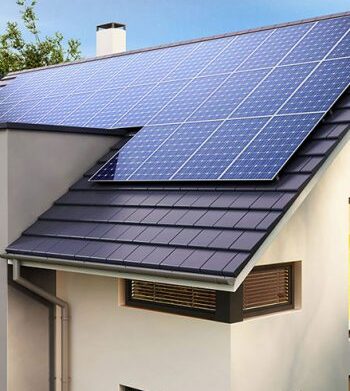
The Solar Investment Tax Credit (SITC) is a federal tax credit that provides financial incentives for individuals and businesses to invest in solar power. It was established to encourage the adoption of clean energy and reduce reliance on fossil fuels. The SITC allows eligible taxpayers to claim a credit of 30% of their total solar installation costs. This means that if you spend $15,000 on your solar installation, you can reduce your federal tax liability by $4,500.
Eligibility criteria for the SITC
To be eligible for the Solar Investment Tax Credit, there are a few criteria that must be met:
- Ownership: The taxpayer must own the solar panel system. Leased systems are not eligible for the credit.
- Installation year: The solar panel system must be installed and placed in service in the same tax year that the credit is claimed. If the installation is not completed by the end of the tax year, the credit cannot be claimed.
- Residential or commercial property: The solar panel system can be installed on both residential and commercial properties. However, the credit does not apply to systems installed on rental properties.
- New installations: The credit only applies to new solar panel installations. It does not apply to repairs or replacements of existing systems.
- Authorized installation: The solar panel system must be installed by a qualified solar contractor who meets the necessary licensing and certification requirements.
It’s important to note that the SITC is a federal tax credit, so it applies to taxpayers across the United States. However, some states also offer their own solar tax incentives or rebates in addition to the federal credit. This means that individuals and businesses in California may be eligible for additional incentives at the state level.
California New Solar Homes Partnership (NSHP)
The New Solar Homes Partnership (NSHP) is a program in California that provides financial incentives and support for the installation of solar energy systems in new residential construction. It was established to promote clean energy solutions and reduce greenhouse gas emissions in the state. The program is administered by the California Energy Commission (CEC) and offers incentives to builders, developers, and homeowners who choose to incorporate solar power into their new homes.
To participate in the NSHP program, builders and developers must follow certain guidelines and meet specific requirements. These include:
- Eligible New Construction: The NSHP applies to new residential construction projects that are located in the service territories of investor-owned utilities in California, including Pacific Gas and Electric, Southern California Edison, and San Diego Gas and Electric.
- Solar System Requirements: The program requires the installation of solar energy systems with a minimum capacity of 1 kilowatt (kW) for single-family homes and 1.5 kW for multi-family homes. The installed systems must meet specific technical standards and be interconnected with the electric grid.
- Third-Party Verification: Builders are required to work with a third-party verifier to ensure compliance with the program guidelines. The verifier will assess the installation and performance of the solar energy system and provide the necessary documentation for participation in the NSHP.
Incentives and benefits offered by NSHP
The NSHP offers several incentives and benefits to participants, including:
- Performance-Based Incentives: Builders and developers receive upfront performance-based incentives based on the expected energy generation of the solar energy system. The incentives are calculated using a performance-based incentive structure, which takes into account factors such as system size, expected energy generation, and the time-of-use rates applicable in the area.
- Marketing Support: Participants in the NSHP program receive marketing and promotional support from the CEC. This includes the use of the NSHP logo and branding materials, as well as listing the home as a “solar home” on the program’s website.
- Customer Education: The program provides resources and support to educate homeowners about the benefits of solar energy and energy efficiency. This includes information on system operation and maintenance, energy savings, and cost savings.
- Environmental Benefits: By participating in the NSHP program, builders and homeowners contribute to the reduction of greenhouse gas emissions and the promotion of clean energy solutions in California. This helps to address climate change and improve the overall environmental sustainability of the state.
It’s important to note that the NSHP incentives are only available for new residential construction projects and not for existing homes. Additionally, the program has specific guidelines and requirements that must be followed to qualify for the incentives.
California Rebate for Electric Vehicles (CVRP)
The California Rebate for Electric Vehicles (CVRP) is a state program that provides financial incentives for individuals and businesses to purchase or lease electric vehicles (EVs). The CVRP aims to encourage the adoption of clean energy transportation and reduce greenhouse gas emissions. The rebate amount varies depending on the type of vehicle and the income level of the applicant.
How to qualify for the CVRP
To qualify for the CVRP, there are a few criteria that must be met:
- Vehicle eligibility: The vehicle must be a new, eligible BEV, PHEV, or FCEV. Used vehicles are not eligible for the rebate.
- Residency: The applicant must be a California resident and purchase or lease the vehicle from a participating dealership or authorized online retailer.
- Income qualifications: The rebate amount varies based on the applicant’s income level. To qualify for the highest rebate amount, the applicant’s annual household income must be below certain limits. Higher-income limits apply for fuel-cell electric vehicles.
- Documentation: The applicant must provide documentation to prove vehicle ownership or lease, residency, and income eligibility. This may include vehicle registration, lease agreements, utility bills, and income tax returns.
- Timing: The vehicle purchase or lease must occur within the program eligibility period. It’s important to check the CVRP website for the most up-to-date eligibility dates.
Applicants should submit their CVRP application as soon as possible after purchasing or leasing an eligible vehicle, as the funding is limited. The application process can be completed online, and applicants will receive a notification of approval or denial within a few weeks.
In addition to the CVRP, California also offers other incentives for electric vehicle owners, such as access to high-occupancy vehicle (HOV) lanes, reduced vehicle registration fees, and exemptions from certain emissions testing requirements.

California Net Energy Metering (NEM) Program
The California Net Energy Metering (NEM) Program is a billing arrangement that allows customers with solar and other renewable energy systems to receive credit on their electricity bills for the excess energy they generate. Under this program, customers who generate more electricity than they consume can sell the surplus back to the utility company, offsetting their energy costs.
Advantages and eligibility requirements
The NEM program offers several advantages for customers who invest in renewable energy systems:
- Cost savings: By generating their electricity, customers can significantly reduce their energy bills. The excess energy produced can offset their consumption during periods of low generation, such as at night or during cloudy days.
- Environmental benefits: Renewable energy systems, such as solar panels, produce clean energy and reduce greenhouse gas emissions. By participating in the NEM program, customers can make a positive impact on the environment by reducing their reliance on fossil fuels.
To be eligible for the NEM program, customers must meet the following requirements:
- Installation requirements: Customers must install a renewable energy system, such as solar panels or wind turbines, on their property. The system must be interconnected to the utility grid and meet certain technical and safety standards.
- Interconnection agreement: Customers must enter into an interconnection agreement with their utility company. This agreement outlines the terms and conditions of the NEM program, including the billing arrangement and system performance requirements.
- System size limitations: The size of the renewable energy system is usually limited to the customer’s electricity consumption. The program typically allows for the installation of a system that meets up to 100% of the customer’s average annual electricity usage.
- Net meter installation: Customers must have a net meter installed by their utility company. This meter measures both the electricity consumed from the grid and the excess electricity sent back to the grid. The net meter ensures an accurate calculation of the customer’s energy credits and charges.
By taking advantage of the NEM program, customers can not only save on their electricity bills but also contribute to a more sustainable energy future. The program promotes the adoption of renewable energy systems and supports California’s goals of reducing greenhouse gas emissions and increasing the use of clean energy sources.
California Energy Upgrade Financing Program
The California Energy Upgrade Financing Program is a state initiative that provides financial assistance to homeowners in California who want to make energy-efficient upgrades to their homes. The program aims to promote energy conservation, reduce greenhouse gas emissions, and lower energy bills for homeowners.
Financing options and benefits
The Energy Upgrade Financing Program offers homeowners several financing options to choose from, including low-interest loans and property-assessed clean energy (PACE) financing. These financing options allow homeowners to spread out the cost of their energy upgrades over time, making them more affordable and accessible.
Some key benefits of participating in the Energy Upgrade Financing Program include:
- Lower energy bills: By making energy-efficient upgrades to their homes, homeowners can reduce their energy consumption and lower their monthly utility bills. This can lead to significant savings over time.
- Increased comfort: Energy-efficient upgrades, such as insulation and HVAC improvements, can help regulate indoor temperature and create a more comfortable living environment.
- Reduced environmental impact: Energy-efficient homes use less energy, resulting in reduced greenhouse gas emissions and a smaller carbon footprint. By participating in the Energy Upgrade Financing Program, homeowners can contribute to a more sustainable future.
- Increased property value: Energy-efficient upgrades can increase the value of a home and make it more desirable to potential buyers in the future.
Homeowners need to research and compare the available financing options to determine which one best meets their needs. The Energy Upgrade Financing Program provides resources and support to help homeowners navigate the application process and choose the right financing option for their energy upgrade projects.
California Low-Income Weatherization Program (LIWP)
The California Low-Income Weatherization Program (LIWP) is designed to assist low-income households in making energy-efficient improvements to their homes. The program aims to reduce energy consumption, lower utility bills, and improve the overall comfort and safety of homes for low-income individuals and families.
Through the LIWP, eligible low-income households can access a wide range of weatherization services and measures, including insulation, air sealing, HVAC upgrades, and more. These improvements help to reduce energy waste and improve the energy efficiency of homes, leading to significant cost savings and environmental benefits.
The LIWP program is administered by local weatherization agencies and organizations throughout California. Eligibility requirements may vary, but generally, households must meet specific income guidelines and be located in a designated low-income area to qualify for assistance.

Assistance is available for low-income households.
The LIWP provides eligible low-income households with comprehensive weatherization services at no cost. Some of the assistance that may be available includes:
- Insulation and air sealing: The LIWP offers insulation and air sealing services to improve the energy efficiency of homes. Proper insulation helps to keep the indoor temperature stable and reduces the need for excessive heating or cooling, resulting in energy savings.
- Appliance upgrades: The program may assist with the replacement of old, inefficient appliances with more energy-efficient models. This can help low-income households reduce their energy consumption and lower their utility bills.
- HVAC upgrades: The LIWP may offer HVAC system upgrades or repairs to improve the efficiency and performance of heating and cooling systems. This helps to ensure that low-income households have a comfortable living environment while reducing energy waste.
- Energy education and conservation tips: The program also offers energy education and conservation tips to help low-income households understand how to reduce their energy consumption and make the most of the weatherization improvements in their homes.
By participating in the LIWP, low-income households can benefit from reduced energy bills, improved home comfort, and a decreased environmental impact. The program helps to alleviate the financial burden of high energy costs for low-income individuals and families, allowing them to save money and maintain a healthy living environment.
Incentives for installing clean energy systems
The Self-Generation Incentive Program offers several incentives to encourage the installation of clean energy systems in California. These incentives vary depending on the type and capacity of the system, and they are designed to make the adoption of clean energy more financially viable for homeowners and businesses.
Some of the key incentives provided by the program include:
- Performance-based incentives: Homeowners and businesses that install eligible clean energy systems can receive performance-based incentives. These incentives are calculated based on the actual energy generation or storage capacity of the system and can provide financial support over a fixed period.
- Equity budget incentives: The Self-Generation Incentive Program sets aside a portion of its funds specifically for low-income and disadvantaged communities. Homeowners and businesses in these communities can receive additional incentives to further reduce the cost of installing clean energy systems.
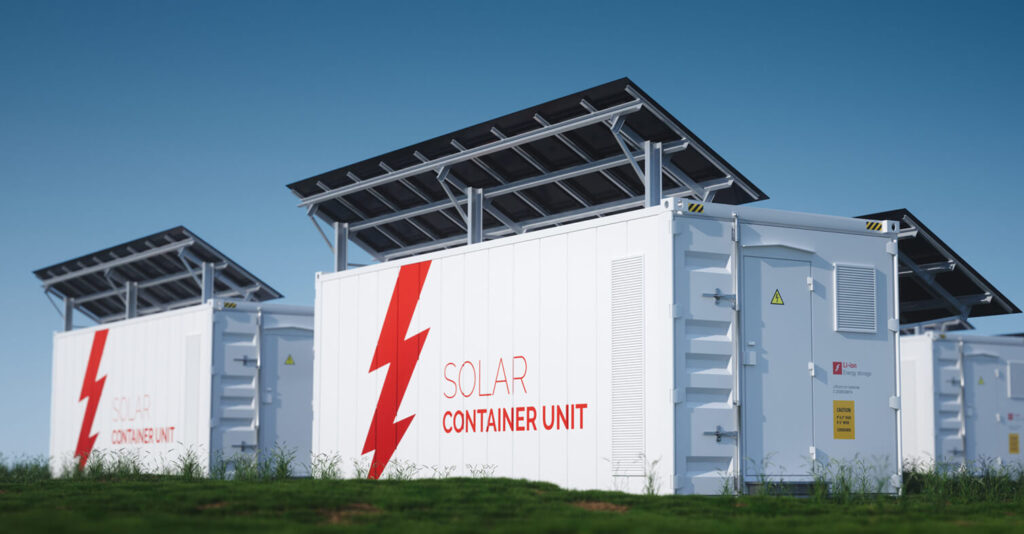
- Energy storage incentives: In recognition of the importance of energy storage for enhancing grid reliability and resilience, the program offers higher incentives for the installation of energy storage systems. These incentives aim to encourage the adoption of energy storage technologies, which can store excess renewable energy for later use and help balance the grid during peak demand periods.
- Emerging technology incentives: The Self-Generation Incentive Program also provides incentives for emerging clean energy technologies, such as advanced energy storage, renewable natural gas, and pipeline biogas. These incentives are designed to foster the development and deployment of innovative clean energy solutions.
By participating in the Self-Generation Incentive Program, homeowners and businesses can not only reduce their reliance on traditional energy sources but also contribute to a more efficient and resilient energy system in California. The program not only provides financial incentives but also supports the growth of the clean energy industry, creates jobs, and helps achieve the state’s clean energy goals.