Overview of Backup Generator Installation
Backup generators are essential for industries such as construction, healthcare, and manufacturing, where uninterrupted power supply is crucial.
In California, the need for backup power systems has become even more significant due to the implementation of strict clean standards for generators. This has pushed industries to explore alternative solutions that are both reliable and sustainable.
Benefits of Backup Generators
Backup generators offer a range of benefits for businesses and individuals, especially in areas where power outages are common or during emergencies. Some of the key benefits include:
- Reliable Power Supply: Backup generators ensure a constant and uninterrupted power supply, allowing businesses to operate smoothly even during blackouts or grid failures. This is particularly crucial for industries that rely heavily on continuous power, such as hospitals, data centers, and manufacturing plants.
- Protection of Critical Equipment: Power outages can be detrimental to expensive and sensitive equipment. Backup generators offer a steady source of power, shielding machinery and equipment from harm from erratic power fluctuations.
- Business Continuity: With backup generators, businesses can continue their operations without disruption, minimizing downtime and potential financial losses. This is especially important for industries that cannot afford to halt operations, such as retail, hospitality, and telecommunications.
- Safety and Security: Backup generators ensure that essential systems, such as lighting, security alarms, and fire suppression systems, remain functional during power outages. This helps maintain a safe and secure environment for employees and customers.
- Peace of Mind: Having a backup generator installed gives individuals and businesses peace of mind, knowing that they are prepared for unexpected power disruptions. This allows them to focus on their core operations without worrying about the inconvenience or potential losses caused by power outages.
Types of Backup Generators
Standby backup generators
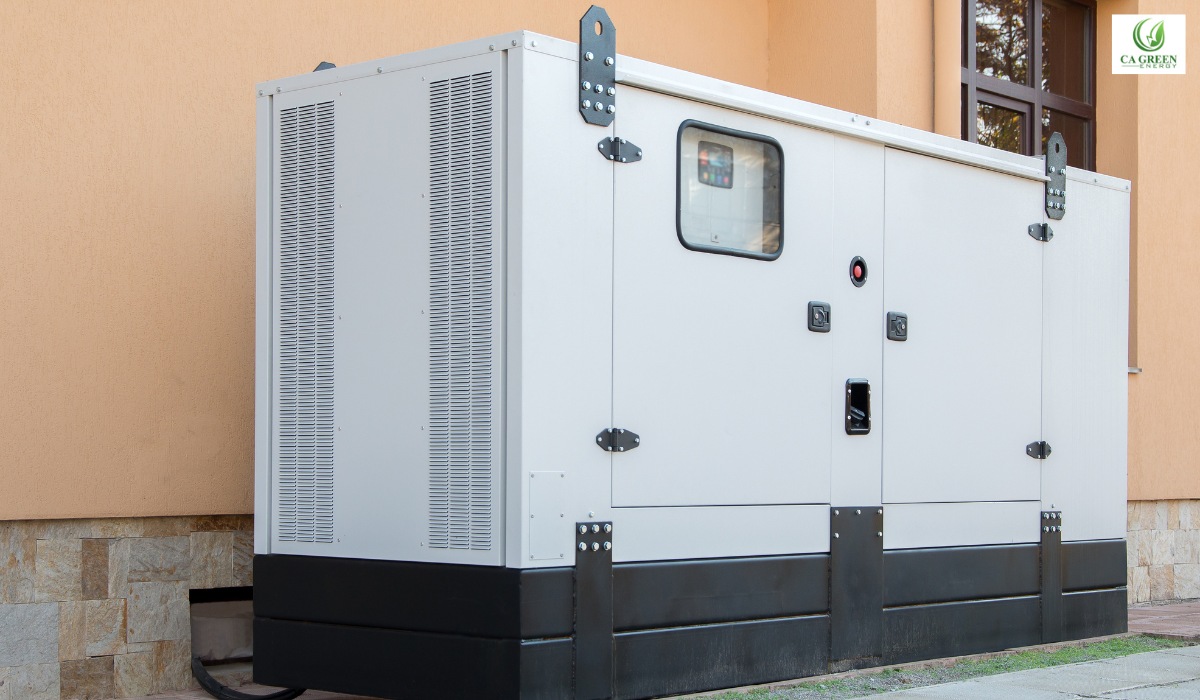
Standby backup generators are permanent fixtures that are installed outside a building and connected directly to the electrical system. They are designed to automatically turn on when there is a power outage and provide a seamless transition of power. Here are the key features of standby backup generators:
- Automatic operation: Standby generators are equipped with an automatic transfer switch that detects when the main power source fails and automatically starts the generator within seconds.
- Permanent installation: Standby generators are professionally installed and require a dedicated fuel source, such as natural gas or propane. They are often connected to the building’s existing electrical system and can power the entire building or selected circuits.
- Higher capacity: Standby generators are available in a wide range of sizes, from small units that can provide power to essential circuits to large units that can power an entire commercial building.
- Quiet operation: Standby generators are designed to operate quietly, thanks to advanced technology and sound insulation.
- Maintenance requirements: Standby generators require regular maintenance to ensure they are in optimal working condition. This includes periodic testing, fuel and oil changes, and inspections by a qualified technician.
Portable backup generators
Portable backup generators are versatile and can be used in various applications, from outdoor events to emergency power backup. Here are the key features of portable backup generators:
- Mobility: Portable generators are designed to be easily moved and transported to different locations. They often come with wheels and handles for easy maneuverability.
- Manual operation: Portable generators need to be manually started and connected to the electrical system using extension cords. They do not have an automatic transfer switch like standby generators.
- Limited capacity: Portable generators are available in a range of sizes, but they generally have a lower power output compared to standby generators. They are suitable for powering essential appliances and electronics during power outages.
- Noise levels: Portable generators can be noisy, especially older models. However, advancements in technology have led to the development of quieter models.
- Fuel options: Portable generators can be powered by various fuels, including gasoline, propane, and diesel. The choice of fuel depends on availability, convenience, and cost.
When comparing the two types of backup generators, here are some key considerations:
- Cost: Standby generators are generally more expensive to purchase and install compared to portable generators.
- Installation: Standby generators require professional installation, while portable generators can be set up by homeowners.
- Power output: Standby generators have a higher power output and can power the entire building, while portable generators have a limited capacity.
- Convenience: Standby generators offer automatic operation and seamless power transfer, while portable generators require manual operation and connection.
Ultimately, the choice between standby and portable backup generators depends on individual needs, budget, and the level of power backup required. Both options provide a reliable source of power during outages, and it’s important to consider factors like capacity, fuel source, and noise levels when making a decision.
Factors to Consider When Choosing a Backup Generator
Power Capacity and Load Management
When comparing backup generators, one of the most important factors to consider is their power capacity. Standby generators have a higher power output and can provide electricity for the entire building, while portable generators have a limited capacity and are suitable for powering essential appliances and electronics. It is essential to assess your power needs during an outage and determine if a standby or portable generator can meet those requirements.
Load management is another crucial consideration. Standby generators are designed to handle the entire electrical load of a building, while portable generators may require load shedding to manage power distribution effectively. Load shedding involves prioritizing essential circuits or appliances, which means certain parts of the building may be without power during an outage.
Fuel type and efficiency
The choice of fuel type for your backup generator is important. Standby generators often utilize natural gas or propane, which can be a convenient and reliable fuel source. These generators are typically connected directly to the building’s gas supply, ensuring a steady fuel source during an outage. Portable generators, on the other hand, can be powered by various fuels, such as gasoline, propane, or diesel. The availability, cost, and convenience of the fuel should be considered when choosing a generator.
In addition to power capacity, load management, fuel type, and efficiency, other factors to consider when choosing a backup generator include:
Noise levels: Some backup generators can be quite noisy, especially older models. If noise is a concern, look for generators with advanced sound insulation and technology.
Installation and maintenance: Standby generators require professional installation, while portable generators can be set up by homeowners. Standby generators also require regular maintenance to ensure optimal performance.
Reliability and Durability: It is important to choose a backup generator that is reliable and durable, able to withstand a range of weather conditions, and provides consistent power during outages.
Budget: The initial cost and long-term operating costs of a backup generator should be considered when making a decision. Standby generators tend to have a higher upfront cost but may offer more long-term savings in fuel consumption and maintenance.
Generator Placement and Safety Measures
Proper placement of backup generators
When installing a backup generator, it is important to consider its placement to ensure optimal performance and safety. Here are some guidelines for proper generator placement:
- Outdoor Placement: Backup generators should be installed outdoors, away from windows, doors, and vents. This prevents the accumulation of exhaust fumes and reduces the risk of carbon monoxide poisoning. Generators should be positioned on a level surface, such as a concrete pad or gravel base, to ensure stability.
- Clearance: Generators should have adequate clearance on all sides for proper ventilation and maintenance access. Typically, a minimum of 3–5 feet of space is recommended. This allows for proper airflow and prevents overheating.
- Distance from Combustible Materials: Generators should be placed at least 5 feet away from any combustible material, such as buildings, fences, or vegetation. This reduces the risk of fire and ensures safe operation.
- Exhaust Direction: The exhaust of the generator should be directed away from the building and any occupied areas. This helps to minimize noise and prevent the entry of exhaust gases into the building.
Safety Measures to Follow
In addition to proper placement, it is important to follow safety measures when operating a backup generator:
- Carbon Monoxide Detection: Install carbon monoxide detectors in your home, especially near sleeping areas. Generators can produce the odorless and colorless gas known as carbon monoxide. Early detection of carbon monoxide is crucial for your safety.
- Proper Ventilation: Ensure that the generator’s exhaust is directed away from windows, doors, and vents. This helps prevent the accumulation of exhaust gases in the building and reduces the risk of carbon monoxide poisoning.
- Fuel Storage: Store fuel for the generator in approved containers in a cool and well-ventilated area away from any heat sources or open flames. Do not store an excessive amount of fuel, as it can be a safety hazard.
- Electrical Connections: Follow the manufacturer’s instructions for proper electrical connections. Avoid overloading the generator and use heavy-duty extension cords designed for outdoor use.
- Maintenance: Regularly inspect and maintain the generator to ensure its proper operation. This entails performing the manufacturer’s recommended oil checks, cleaning or replacing air filters, and scheduling professional servicing.
- Fire Safety: Have a fire extinguisher nearby and know how to use it. In case of a fire or emergency, always prioritize your safety and contact the appropriate authorities for assistance.
By following these generator placement guidelines and safety measures, you can ensure that your backup generator is installed and operated safely and efficiently. It is crucial to prioritize safety and take the necessary precautions to protect yourself and your property during power outages.

Maintenance and servicing of backup generators
Regular maintenance requirements
To ensure that your backup generator remains in optimal condition and is ready to provide power during an outage, regular maintenance is essential. Here are some common maintenance tasks that should be performed on your backup generator:
Checking fuel levels: Regularly check the fuel levels of your standby generator to ensure that it is adequately fueled in case of an emergency. Portable generators should also have sufficient fuel before operation.
Inspecting and cleaning air filters: Dirty air filters can impact the performance of your generator. Regularly inspect, clean, or replace the air filters to ensure proper airflow and fuel efficiency.
Testing the battery: The battery is a crucial component of the backup generator. Regularly test the battery to ensure that it is functioning properly, and replace it if necessary.
Inspecting and cleaning spark plugs: Spark plugs can become dirty or corroded over time, affecting the generator’s starting ability. Inspect and clean or replace the spark plugs as needed.
Checking and adjusting belts and connections: Over time, belts and connections can loosen or wear out. Regularly check and adjust belts and connections to ensure proper operation.
Professional Servicing Recommendations
While regular maintenance tasks can be performed by homeowners, it is recommended to have your backup generator professionally serviced at least once a year. Here’s why professional servicing is important:
Expert inspection and troubleshooting: Professional technicians have the expertise and tools to thoroughly inspect your generator for any issues and troubleshoot any problems that may arise.
Preventive maintenance: Professional servicing can include tasks such as oil changes, coolant checks, and voltage regulation adjustments to prevent potential problems before they occur.
Warranty maintenance: Many backup generator manufacturers require regular professional servicing to maintain warranty coverage. By adhering to warranty requirements, you can avoid potentially costly repairs.
Peace of mind: Having your backup generator professionally serviced gives you peace of mind knowing that it is in the best condition possible to provide reliable power during an outage.
Remember to keep records of all maintenance and servicing activities performed on your backup generator. This will help track its performance and ensure that it continues to operate at its best.
Environmental Considerations
Impact of Backup Generators on the Environment
Backup generators, especially those that use combustion engines, have a significant impact on the environment. Here are some key ways in which they contribute to environmental pollution:
- Carbon emissions: Gas-powered generators emit carbon dioxide, a greenhouse gas that contributes to climate change. These emissions contribute to air pollution and can worsen the effects of global warming.
- Toxic particulate matter: The burning of fuel in backup generators releases toxic particulates into the atmosphere. These particulates can harm human health, especially for those with respiratory conditions.
- Noise pollution: Backup generators can be noisy, especially if they are older models or have not been properly maintained. This noise pollution can disrupt the peace and tranquility of the surrounding environment.
Eco-friendly Alternatives
Fortunately, there are eco-friendly alternatives to traditional backup generators that can help reduce their environmental impact. Here are some options to consider:
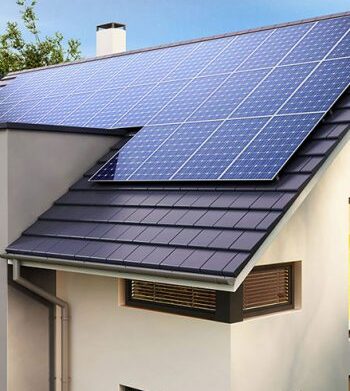
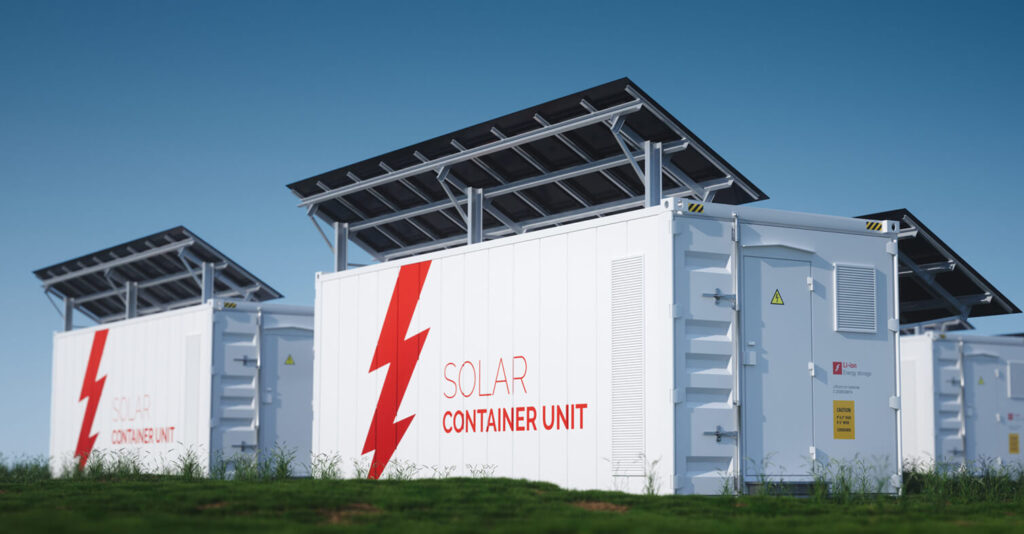
- Solar backup systems: Solar power is a clean and renewable energy source. Installing solar panels and a battery storage system can provide backup power without the need for a combustion engine.
- Wind turbines: wind power is another renewable energy source that can be harnessed to provide backup power. Small wind turbines can be installed to generate electricity during an outage.
- Battery storage systems: Battery storage systems can store excess energy generated from renewable sources, such as solar or wind power. These batteries can then be used to provide backup power when needed.
- Energy-efficient generators: If a backup generator is still necessary, consider investing in an energy-efficient model. These generators are designed to minimize fuel consumption and reduce emissions.
- Hybrid systems: Hybrid systems combine renewable energy sources with a small backup generator. This setup allows for a continuous power supply while reducing reliance on fossil fuels.