Overview of Residential Energy Audits in California
California is a state known for its commitment to clean and sustainable energy practices. Residential energy audits play a crucial role in helping homeowners in California reduce their energy consumption and contribute to the state’s energy efficiency goals. These audits are detailed examinations of a home’s energy use, focusing on identifying systems that are operating inefficiently and recommending cost-effective energy efficiency measures.
During a professional energy audit, trained technicians perform a thorough evaluation of your home’s energy systems, including heating, cooling, insulation, ventilation, and appliances. They use specialized equipment and techniques to detect energy waste and assess the overall efficiency of your home.
The importance of energy efficiency in homes
Energy efficiency in homes is not only beneficial for the environment but also for homeowners’ wallets. By reducing energy waste, homeowners can lower their utility bills and save money in the long run.
Furthermore, energy audits help to identify the actual sources of energy waste in a home. Whether it’s poor insulation, outdated appliances, or inefficient heating and cooling systems, an energy audit pinpoints the areas that need improvement. By addressing these issues, homeowners can enhance the comfort and livability of their homes while reducing their carbon footprint.
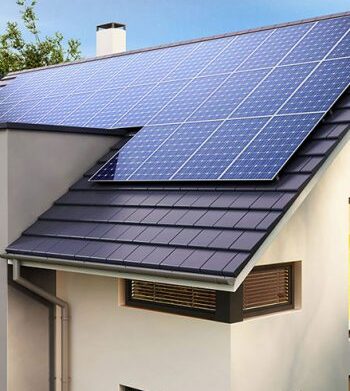
The comprehensive plan developed during an energy audit serves as a roadmap for making targeted energy efficiency upgrades. These upgrades can range from simple fixes like sealing air leaks and adding insulation to more significant investments like upgrading to energy-efficient appliances or installing solar panels. By implementing these improvements, homeowners can significantly reduce their energy consumption and contribute to a more sustainable future.
Understanding Energy Audits
Definition and Purpose of an Energy Audit
An energy audit is a detailed examination of a building’s energy use to identify areas of inefficiency. It helps pinpoint which systems or appliances are using excessive energy and provides recommendations for improvements. The purpose of an energy audit is to reduce energy waste, improve energy efficiency, and ultimately save money on utility bills.
The U.S. Department of Energy defines an energy audit as a check-up on the things that use or save energy in a home. It involves comprehensive testing and evaluation of the home’s energy usage, including a financial analysis to identify cost-effective energy efficiency measures.
Benefits of Conducting an Energy Audit
Energy audits offer numerous benefits for homeowners. Here are some key advantages:
- Identify Energy Waste: Energy audits help homeowners identify the sources of energy waste in their homes. By pinpointing areas of inefficiency, such as insulation gaps or inefficient appliances, homeowners can take targeted actions to reduce energy consumption.
- Reduce Guesswork in Home Improvement Upgrades: By conducting an energy audit, homeowners can avoid guesswork when it comes to home improvement upgrades. The audit provides detailed information about the energy performance of different systems and appliances, helping homeowners make informed decisions about where to invest their time and money for maximum energy savings.
- Develop a Comprehensive Improvement Plan: Energy audits provide a comprehensive assessment of a home’s energy usage, allowing homeowners to develop a customized plan to improve energy efficiency. This plan may include upgrading insulation, sealing air leaks, replacing outdated appliances, or installing energy-efficient lighting.
- Improve Comfort: Energy audits not only help homeowners save on energy costs but also improve the comfort of their homes. By identifying and addressing areas of drafts, poor insulation, and other energy-related issues, homeowners can create a more comfortable living environment for themselves and their families.
- Find Trustworthy Contractors: When it comes to scheduling an energy audit, homeowners can use reputable contractor databases like the Clean Energy Connection to find trustworthy and knowledgeable professionals. These contractors have the expertise to conduct thorough energy audits, provide accurate recommendations, and assist with the implementation of energy efficiency measures.
The energy audit process
Step-by-Step Guide to a Residential Energy Audit
- Scheduling the Audit: Contact a reputable energy audit contractor like the Clean Energy Connection to schedule an appointment for your residential energy audit.
- Initial Assessment: The auditor will begin by conducting a preliminary assessment of your home, gathering information about its size, age, and energy-consuming systems.
- On-Site Inspection: The auditor will perform a thorough inspection of your home, examining various aspects such as insulation, air sealing, HVAC systems, lighting, and appliances. They will use specialized tools and equipment to assess energy use and identify any areas of waste or inefficiency.
- Data Collection: The auditor will collect data on energy usage, such as utility bills and meter readings, to analyze your energy consumption patterns.
- Blower Door Test: This test measures the air tightness of your home. The auditor will use a specialized fan and pressure gauge to assess the amount of air leakage, which can contribute to energy waste.
- Thermographic Inspection: Infrared cameras may be used to detect areas of heat loss or air leakage in your home. These cameras visualize temperature differences, helping the auditor identify insulation gaps or poorly sealed areas.
- Appliance and System Efficiency Analysis: The auditor will assess the efficiency of your appliances and systems, such as HVAC units and water heaters, to determine if they are operating optimally or need upgrades.
- Data Analysis and Recommendations: The auditor will analyze the gathered data and provide you with a detailed energy audit report. This report will identify areas of energy waste, prioritize improvements, and provide recommendations for energy-efficient upgrades.
Common Tools and Techniques Used in Energy Audits
During a residential energy audit, auditors may use a variety of tools and techniques to assess your home’s energy efficiency. Some common ones include:
- Blower Door: This tool measures air leakage in your home by creating a pressure difference between the interior and exterior. It helps identify areas of drafts and air leakage, which can contribute to energy waste.
- Infrared Cameras: These cameras detect temperature differences in your home, helping auditors identify areas of heat loss or air leakage. They can visualize insulation gaps, poorly sealed windows or doors, and other areas that may require improvement.
- Energy Metres: Auditors use energy meters to measure and analyze energy consumption throughout your home. These meters provide valuable data on usage patterns and help identify areas where energy waste occurs.
- Combustion Analyzers: These devices are used to assess the performance and efficiency of combustion appliances, such as furnaces or water heaters. They measure parameters such as carbon monoxide levels and combustion efficiency.
- Data Loggers: These devices record energy usage over a specific period, providing detailed information on energy consumption patterns. This data helps auditors make accurate recommendations for energy-saving improvements.
By using these tools and techniques, energy auditors can gather data and assess the energy performance of your home. This information allows them to provide accurate recommendations and help you develop a customized plan to improve energy efficiency, reduce energy waste, and save money on utility bills.
Finding a Qualified Energy Audit Contractor
How to Choose the Right Energy Audit Company
When it comes to finding a qualified energy audit contractor for your California home, you want to ensure you choose a reputable and knowledgeable company. Here are some tips to help you find the right energy audit company:
- Research and read reviews: Start by researching different energy audit companies in your area. Look for companies that specialize in residential energy audits and have a good track record. Read reviews and testimonials from previous customers to get an idea of their expertise and customer satisfaction.
- Licensing and Certifications: Check if the energy audit company holds the necessary licenses and certifications. These credentials validate the company’s expertise and adherence to industry standards. Look for certifications such as the Building Performance Institute (BPI) and the Home Energy Rating System (HERS).
- Experience and Expertise: Find out how long the company has been in business and their experience in conducting energy audits. Look for companies that have a team of trained professionals with expertise in energy efficiency and building science.
- Comprehensive Audit Process: Inquire about the company’s audit process and what it includes. A thorough energy audit should involve a detailed examination of your home’s energy usage, including testing, measurements, and analysis. Ask about the specific tests and diagnostics they perform, such as blower door testing, infrared imaging, and duct leakage testing.
- Clear Reporting and Recommendations: Ask the energy audit company about their reporting process. A reputable company should provide a clear and detailed report with specific recommendations for improving energy efficiency. The report should outline energy-saving measures, potential cost savings, and payback periods for recommended upgrades.
The Clean Energy Connection: Connecting Homeowners with Contractors
To simplify the process of finding a qualified energy audit contractor, you can utilize resources like the Clean Energy Connection. The Clean Energy Connection is a platform that connects homeowners in California with qualified clean energy contractors throughout the state.
By using the Clean Energy Connection’s contractor database, you can easily find trustworthy and knowledgeable contractors to schedule an energy audit with. These contractors have been screened and vetted for their expertise in energy efficiency and their commitment to providing quality services.
Analysing Energy Bills
Understanding and Analysing Home Energy Bills
Analyzing your home energy bills is an important step in identifying areas where you can reduce your energy consumption and save money. By understanding your energy bills and the information they provide, you can make informed decisions about energy efficiency upgrades and changes in your habits. Here are some key points to consider when analyzing your home energy bills:
- Energy Usage: Take note of the total amount of energy used during the billing period. This is typically measured in kilowatt-hours (kWh) for electricity and therms for natural gas. By tracking your energy usage over time, you can identify any significant changes or trends.
- Rates and Tariffs: Understand the rates and tariffs applied to your energy bills. Different utilities may have different rate structures, such as tiered rates, time-of-use rates, or fixed rates. Knowing how your energy usage is priced can help you optimize your consumption patterns to save money.
- Billing Period: Pay attention to the length of the billing period. Energy bills are usually issued monthly, but some utilities may have billing cycles that span longer or shorter periods. Understanding the billing period can help you compare your energy usage from one period to another accurately.
- Meter Readings: Check the meter readings listed on your bill. Compare the current reading with the previous reading to determine the amount of energy consumed during the billing period. If you have smart meters, you can also monitor your energy usage in real-time through online portals or mobile apps provided by your utility.
Identifying Usage Patterns and Areas for Cost Savings
Analyzing your energy bills can provide valuable insights into your usage patterns and areas where you can make cost savings. Here are some areas to focus on when analyzing your bills:
- Seasonal Variations: Look for seasonal variations in your energy usage. Energy bills tend to be higher during peak seasons, such as summer or winter, when cooling or heating needs increase. Identifying these patterns can help you plan for energy-efficient improvements specific to each season.
- High Energy Consumption: Identify any appliances or behaviors that contribute to high energy consumption. This can include inefficient appliances, leaving lights or electronics on when not in use, or running appliances during peak-rate periods. By addressing these energy-intensive habits, you can reduce your overall energy usage.
- Energy Efficiency Upgrades: Consider the potential impact of energy efficiency upgrades on your bills. Energy-efficient appliances, insulation, weather-stripping, and smart home technologies can all contribute to reducing your energy consumption. Calculate the potential cost savings and payback periods for these upgrades to make informed decisions.
- Rebates and Incentives: Check if your utility offers any rebates or incentives for energy efficiency upgrades. Taking advantage of these programs can help offset the upfront costs of improvements and provide additional savings over time.
By analyzing your energy bills, you can gain a better understanding of your energy usage patterns and identify areas where you can make changes to reduce your energy consumption and save money. Armed with this information, you can make informed decisions about energy efficiency upgrades and changes in your habits to create a more energy-efficient and cost-effective home.
Developing an Energy Efficiency Plan
Creating a Project Plan to Reduce Energy Waste
To effectively reduce energy waste in your home, it is important to create a project plan that addresses specific areas of improvement. Here are some steps to consider when developing your energy efficiency plan:
- Energy Audit: Start by conducting an energy audit of your home. This assessment will help identify areas of energy waste and prioritize the most effective solutions. You can hire an energy audit contractor to perform a comprehensive evaluation of your home’s energy performance.
- Prioritise Improvements: Based on the findings of the energy audit, prioritize the recommended improvements. Focus on areas that will have the greatest impact on reducing energy waste and improving efficiency. Consider factors such as potential energy savings, cost-effectiveness, and the projected payback period of each upgrade.
- Insulation and Air Sealing: One of the most effective ways to reduce energy waste is to ensure that your home is properly insulated and air-sealed. This includes sealing air leaks, adding insulation to walls and attics, and insulating ductwork. These measures help to prevent heat transfer, keeping your home more comfortable and reducing the need for heating and cooling.
- HVAC Upgrades: Upgrading your heating, ventilation, and air conditioning (HVAC) system can significantly improve energy efficiency. Consider installing a programmable thermostat, high-efficiency HVAC units, or even geothermal heating and cooling systems. These upgrades can reduce energy consumption and lower your heating and cooling costs.
- Energy-efficient Lighting: Replace traditional incandescent bulbs with energy-efficient alternatives such as LED or CFL bulbs. These types of lighting use less energy and last longer, resulting in savings on your electricity bills.
Strategies for lowering heating and cooling costs
Heating and cooling costs often make up a significant portion of a homeowner’s energy expenses. Implementing strategies to lower these costs can have a substantial impact on your energy bills. Here are some strategies to consider:
- Proper HVAC Maintenance: Ensure that your HVAC system is regularly maintained, including cleaning or replacing air filters, checking for duct leaks, and scheduling professional tune-ups. A well-maintained system operates more efficiently, reducing energy waste.
- Smart Thermostat: Consider installing a smart thermostat that allows you to program temperature settings based on your schedule and preferences. These thermostats can learn your habits and adjust the temperature accordingly, saving energy when you are away or asleep.
- Insulation: As mentioned earlier, adequate insulation is crucial for reducing heating and cooling costs. Insulate your walls, attic, and crawl spaces to minimize heat transfer and maintain a comfortable indoor temperature.
- Energy-efficient Windows: If your budget allows, consider upgrading to energy-efficient windows. These windows are designed to reduce heat transfer and improve insulation, keeping your home cooler in the summer and warmer in the winter.
- Sealing Air Leaks: Identify and seal any gaps or cracks around windows, doors, and other areas where air can escape. Use weather-stripping or caulking to prevent drafts and improve energy efficiency.
By developing a project plan that includes these strategies, you can significantly reduce energy waste, lower heating and cooling costs, and improve the overall energy efficiency of your home. Remember to consult with experts and contractors to ensure that you make informed decisions and choose the most effective upgrades for your specific situation.

Improving indoor air quality
Addressing Air Quality Issues in the Home
Improving indoor air quality is essential for creating a healthier home environment. Poor indoor air quality can lead to various health issues, including respiratory problems, allergies, and asthma. Here are some steps you can take to address air quality issues in your home:
- Identify Potential Sources: Start by identifying potential sources of indoor air pollution. These can include chemicals from cleaning products, tobacco smoke, pet dander, mold, and volatile organic compounds (VOCs) emitted from furniture and building materials. By pinpointing these sources, you can take targeted actions to reduce their impact.
- Proper Ventilation: Ventilation is crucial for maintaining good indoor air quality. Ensure that your home has proper ventilation systems in place, such as exhaust fans in bathrooms and kitchens. Consider installing a whole-house ventilation system, which continuously brings in fresh air and expels stale air, improving air circulation.
- Regular Maintenance: Regularly maintaining your HVAC system and other appliances can prevent the accumulation of dust, mold, and other contaminants. Change air filters regularly to ensure efficient air circulation and cleaner indoor air. Schedule professional maintenance for your HVAC system to ensure its optimal performance.
- Air Sealing: Addressing air leaks in your home through proper air sealing can help prevent the infiltration of outdoor pollutants and improve indoor air quality. Common areas for air leaks include windows, doors, walls, and ductwork. Seal these gaps with weatherstripping, caulk, or foam insulation to improve energy efficiency and air quality.
Ventilation and Filtration Systems for a Healthier Home
In addition to addressing air quality issues, installing ventilation and filtration systems can further improve the air quality in your home. Here are some options to consider:
- Mechanical Ventilation: Mechanical ventilation systems, such as heat recovery ventilators (HRVs) and energy recovery ventilators (ERVs), exchange stale indoor air with fresh outdoor air while recovering heat or energy from the outgoing air. These systems help maintain air quality while minimizing energy loss.
- Air Purifiers: Air purifiers, also known as air cleaners, remove airborne particles, allergens, and pollutants from the air. They can be particularly beneficial for individuals with respiratory conditions or allergies. Look for air purifiers with HEPA filters, which are highly efficient at capturing microscopic particles.
- HVAC Filters: Upgrading your HVAC system’s air filters to higher-efficiency options can help remove more pollutants from the air. Consider using filters with a Minimum Efficiency Reporting Value (MERV) rating of 8 or higher to capture smaller particles effectively.
- Duct Cleaning: Over time, dust, mold, and other contaminants can accumulate in your home’s ductwork, reducing indoor air quality. Schedule periodic duct cleaning to remove these pollutants and ensure cleaner air throughout your home.
Improving indoor air quality is an essential step in creating a healthier and more comfortable home. By addressing air quality issues, ensuring proper ventilation, and installing filtration systems, you can breathe easier and enjoy a cleaner living environment.