Solar panels are a popular and cost-effective way to harness the power of the sun to generate electricity. As a homeowner, you may have installed solar panels to reduce your carbon footprint and save on your energy bills. However, it is essential to understand that solar panels have a limited lifespan and require maintenance and care to ensure optimal performance over time. In this blog post, we will explore the importance of extending the lifespan of your solar panels and discuss the factors that can impact their longevity.
Importance of Extending Solar Panel Lifespan
Extending the lifespan of your solar panels is crucial for maximizing your return on investment and ensuring long-term savings. Here are some key reasons why it is essential to prioritize the longevity of your solar panels:
1. Cost savings: Solar panels can be a significant investment, and maximizing their lifespan allows you to fully realize the financial benefits. By extending their life, you can enjoy reduced energy costs for a more extended period, adding substantial savings over time.
2. Environmental impact: Solar panels are an eco-friendly energy solution; the longer they last, the more significant the positive impact on the environment. Using solar energy for a longer duration can significantly reduce your carbon footprint and help combat climate change.
3. System efficiency: As solar panels age, their efficiency can decline. By proactively maintaining and extending their lifespan, you can ensure that your solar system continues to operate at its optimum level, maximizing the energy output and minimizing potential disruptions.
Factors that Affect Solar Panel Lifespan
Several factors can influence the lifespan of your solar panels. It is essential to be aware of these factors and take appropriate measures to protect and extend their life.
1. Manufacturer quality: The quality and reputation of the solar panel manufacturer play a significant role in determining their lifespan. Investing in high-quality panels from trusted manufacturers can provide peace of mind and ensure durability.
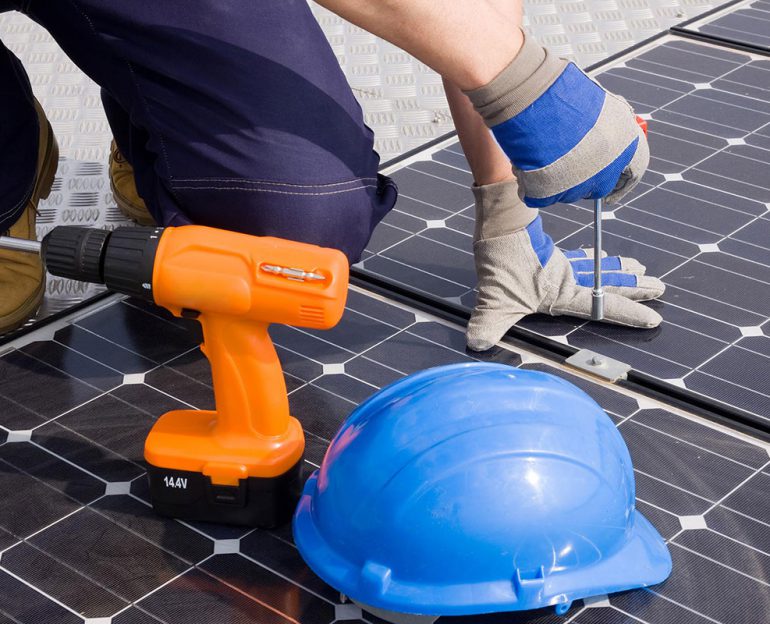
2. Installation quality: Proper installation is crucial for the long-term performance of solar panels. Poor installation practices can lead to issues such as water leakage, structural damage, or electrical malfunctions, which can shorten lifespan. Hiring a professional and experienced installer is essential.
3. Maintenance and cleaning: Regular maintenance, inspection, and cleaning of your solar panels are essential to prevent dirt, debris, or bird droppings from accumulating and affecting their performance. Develop a maintenance schedule and ensure that it is followed consistently.
4. Climate and weather conditions: The climate and weather conditions in your area can impact the lifespan of your solar panels. Extreme temperatures, heavy snowfall, hailstorms, and high winds can cause damage. Consider these factors when selecting solar panels and take appropriate steps to protect them.
Proper Installation and Placement
Ensuring correct mounting and positioning of solar panels
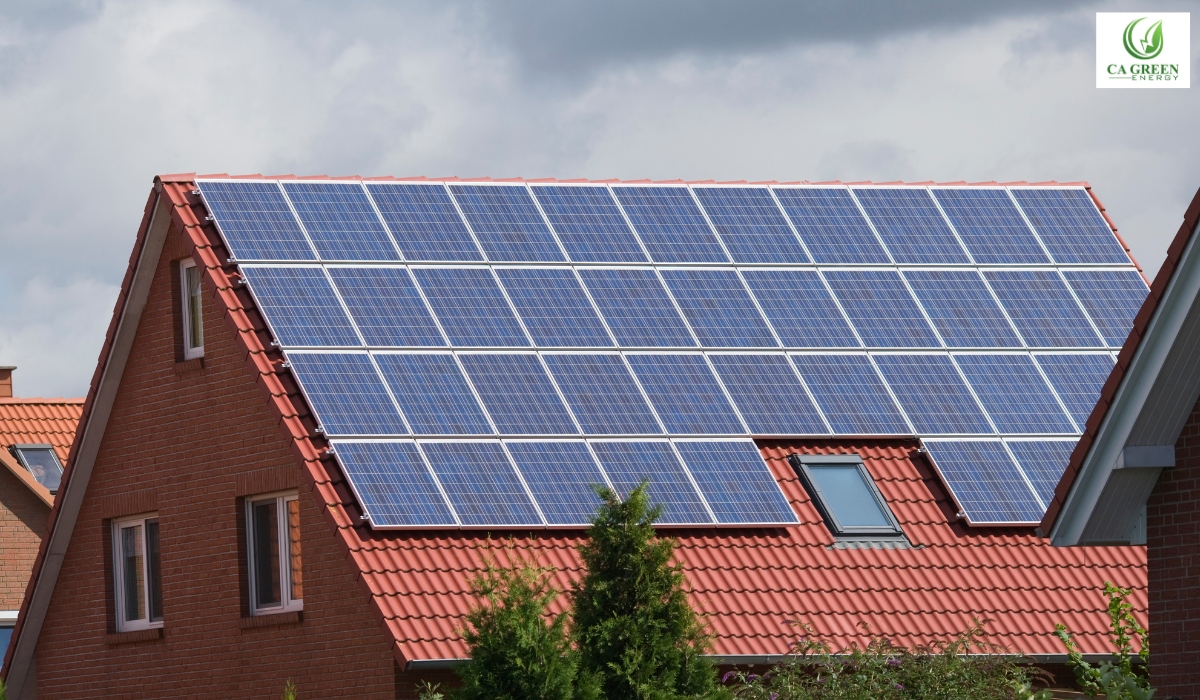
Installing solar panels on your property is a great way to harness the sun’s power and reduce your reliance on traditional energy sources. However, to optimize the performance and efficiency of your solar panels, it is crucial to ensure proper installation and placement. Here are some key considerations to keep in mind:
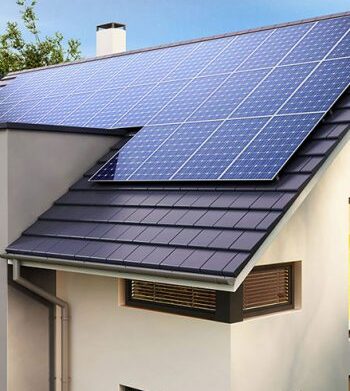
- Roof suitability: Before installing solar panels, evaluate the suitability of your roof. It should have a structure strong enough to support the weight of the panels, and it should receive adequate sunlight throughout the day.
- Panel orientation: The orientation of the solar panels plays a significant role in maximizing energy production. In the Northern Hemisphere, panels should typically face south to capture the most sunlight. In the Southern Hemisphere, they should face north. However, the optimal orientation may vary depending on location and specific circumstances.
- Panel angle: The angle of inclination also affects the performance of solar panels. Optimizing the angle based on your location’s latitude can enhance sunlight absorption. However, seasonal variations and shading must also be considered when determining the panel angle.
- Shade analysis: Shadows can significantly reduce the efficiency of solar panels. Perform a shade analysis of your property to identify potential obstructions, such as nearby buildings, trees, or chimneys. Consider these factors when deciding where to install your solar panels to avoid shading issues.
Considering Factors such as Angle, Orientation, and Shading
When planning the installation of your solar panels, take into account additional factors that can influence their performance:
- Local climate: Different climates can impact solar panel performance. Understanding the local weather patterns, including cloud cover and temperature variations, can help you predict the production of your solar system more accurately.
- Maintenance accessibility: Ensure your solar panels are easily accessible for maintenance and cleaning. Regular maintenance, including cleaning debris or snow, is essential to keep panels operating efficiently and to extend their lifespan.
- Regulatory requirements: Familiarize yourself with any local regulations and building codes that may impact the installation of solar panels on your property. Some areas may have specific rules regarding installation permits, setback requirements, or size limitations.
- System monitoring: Implement a system to monitor the performance of your solar panels. This could include regularly checking their output or investing in a monitoring system that provides real-time data, allowing you to identify any potential issues promptly.
Regular Cleaning and Maintenance
Regularly cleaning solar panels to remove dust, dirt, and debris
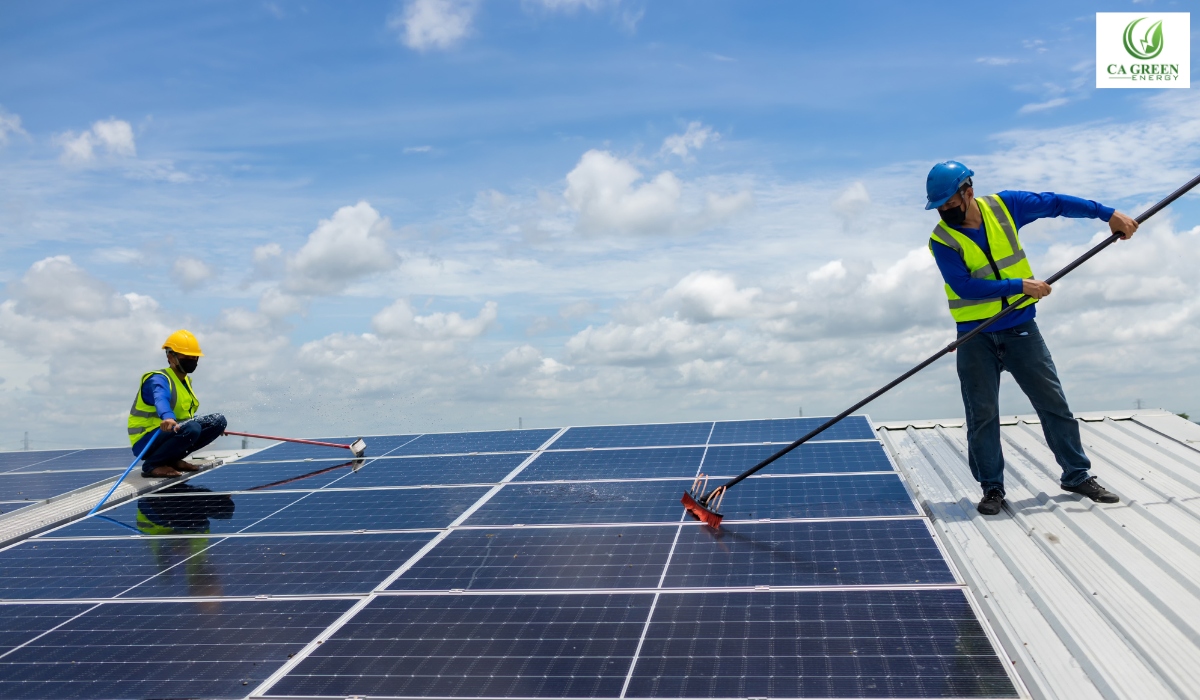
Regular cleaning is essential to ensure the longevity and optimal performance of your solar panels. Over time, dust, dirt, and debris can accumulate on the surface of the panels, reducing their ability to absorb sunlight. Here are some tips for effective cleaning:
- Frequency: It is recommended that your solar panels be cleaned at least twice a year. However, if you live in an area with high dust, pollen, or pollution levels, you may need to clean them more frequently.
- Cleaning method: Use a soft cloth or sponge and a mild soap solution to clean the panels’ surface. Avoid using abrasive materials or harsh chemicals, which can scratch or damage the panels. Rinse thoroughly with clean water to remove any soap residue.
- Safety precautions: Before cleaning, ensure the panels are not hot to the touch to prevent burns. Use a stable ladder or platform and exercise caution to avoid slipping or falling. If you are unsure about cleaning the panels, consider hiring a professional service.
- Monitoring performance: After cleaning, monitor your solar system’s performance to ensure it is functioning optimally. If you notice a significant drop in energy production, it may indicate the need for additional cleaning or maintenance.
Inspecting Physical Damage and Addressing it Promptly
Regular inspections are essential to identify any physical damage to your solar panels and address it promptly. Here are some critical steps to follow:
- Visual inspection: Examine the panels regularly for any signs of physical damage, such as cracks, chips, or loose connections. Inspect the mounting system and wiring as well. Contact a professional installer or technician for further assessment if you notice any issues.
- Weather-related damage: Extreme weather events like hailstorms or strong winds can damage your solar panels. After severe weather, inspect the panels for any visible signs of damage and have them repaired or replaced if necessary.
- Wildlife protection: In some areas, wildlife like birds or squirrels may attempt to nest or damage your solar panels. Install protective measures, such as wire mesh or bird spikes, to prevent damage caused by wildlife.
- Warranty coverage: Review the warranty terms and conditions provided by the manufacturer or installer. Understand what damages are covered and ensure that you report any issues within the specified warranty period.
Regularly cleaning your solar panels and promptly addressing any physical damage can prolong their lifespan and maintain their efficiency. Consult with a professional for guidance on proper cleaning techniques and to ensure that any repairs are done correctly. Incorporating these maintenance practices into your routine can help you get the most out of your solar system for years.
Monitoring Performance and Efficiency
Using monitoring systems to track performance and detect any issues
To ensure the longevity of your solar panels, it is crucial to monitor their performance regularly. By implementing a monitoring system, you can track the energy production and identify any potential issues that may arise. Here are a few key considerations when it comes to monitoring your solar system:
- Real-time data: Invest in a monitoring system that provides real-time data on the performance of your solar panels. This will allow you to monitor energy production and promptly detect any fluctuations or anomalies.
- Alert notifications: Choose a monitoring system that can send you alert notifications in case of any performance issues or malfunctions. This will enable you to take immediate action and ensure the optimal functioning of your solar system.
- Remote monitoring: Opt for a monitoring system that allows you to access the performance data of your solar panels remotely. This way, you can monitor your solar system’s performance even when you are away from home.
- Professional assistance: If you are uncomfortable monitoring your solar panels, consider hiring a professional monitoring service. They can regularly check the performance data and take necessary actions to address any issues.
Protection from Extreme Weather Conditions
Protecting solar panels from extreme temperatures, hail, and storms
Extreme weather conditions can pose a risk to the lifespan of your solar panels. Taking precautions to protect them can help ensure their durability. Here are some ways to shield your solar panels from harm:
- Temperature insulation: Extreme temperatures, both very high and very low, can impact the performance of solar panels. Insulating materials can help regulate the panels’ temperature, protecting them from potential damage.
- Hail protection: Hailstorms can cause significant damage to solar panels. Install a protective layer, such as a hail guard, to shield the panels from hailstones. This barrier will absorb the impact and minimize the risk of cracks or breakage.
- Storm preparedness: Severe storms, including strong winds and heavy rainfall, can affect the structural integrity of solar panels. Ensure that the panels are securely fastened to withstand strong winds. Additionally, proper sealing and waterproofing can prevent water leakage into the system.
Upgrading and Replacing Components
Upgrading outdated or inefficient components for improved performance and longevity
To ensure your solar panels’ long-term durability and efficiency, it is important to consider upgrading any outdated or inefficient components. Technology in the solar industry is constantly evolving, and newer components may offer better performance and longevity. Here are a few components to consider upgrading:
- Inverter: The inverter is an essential part of your solar system that converts the DC power generated by the panels into usable AC power for your home. Upgrading to a more efficient and advanced inverter can significantly improve energy production and system performance.
- Mounting system: The mounting system securely holds the solar panels. If you notice any signs of wear or if your mounting system is outdated, upgrading to a more robust and durable system may be beneficial. This can help prevent damage from strong winds, heavy snow, or other adverse weather conditions.
- Wiring and connectors: Over time, the wiring and connectors in your solar system may deteriorate or become less efficient. Upgrading to higher-quality wiring and connectors can help improve energy transfer and reduce the risk of electrical issues or power loss.
Replacing any Faulty or Damaged Parts
In addition to upgrading components, it is crucial to promptly replace any faulty or damaged parts in your solar system. Ignoring or delaying repairs can lead to further damage and reduce the overall lifespan of your panels. Here are some parts to keep an eye on and replace if necessary:
- Broken or cracked panels: If you notice any broken or cracked solar panels, they must be replaced. Damaged panels can affect the overall performance of your system and reduce energy production.
- Faulty wiring or connections: Faulty wiring or connections can lead to electrical issues and safety hazards. If you experience any irregularities in your system or suspect wiring or connection problems, a professional should inspect and replace them.
- Inverter failures: Inverter failures can significantly impact your solar system’s performance. If you notice any signs of inverter malfunction, such as reduced energy production or error messages, it must be replaced promptly to avoid further damage.
By upgrading outdated components and promptly replacing faulty or damaged parts, you can improve the performance and longevity of your solar system. Regular maintenance and inspection by a professional can help identify potential issues early on and ensure that your system operates efficiently for years.
Long-Lasting and Efficient Solar Panel
Regular monitoring and maintenance of your solar system are essential for identifying and addressing potential issues before they escalate. Cleaning your panels, inspecting the components for damage or loose connections, and staying informed about the condition of the electrical grid in your area will help ensure the longevity and optimal performance of your solar panels.
In conclusion, by following these practices, you can extend the lifespan of your solar panels and enjoy the benefits of renewable energy for years to come. Investing in reputable installers and conducting thorough research will build a strong foundation for longevity in your solar system. By protecting against power surges, voltage fluctuations, electrical faults, and grid issues, you can maximize the efficiency of your panels and minimize the risk of damage. Regular monitoring, maintenance, and staying informed about the condition of your system and the electrical grid will further contribute to your solar panels’ long-lasting and efficient use.