Welcome to Green California!
California has long been at the forefront of environmental progress and is recognized as a global leader in sustainable initiatives. The state sets bold goals and implements innovative policies to combat climate change and promote clean energy. From economy-wide greenhouse gas limits to climate emissions standards for cars, California has taken numerous steps to reduce its carbon footprint and create a more sustainable future.
California’s commitment to sustainability
California aims to achieve 100% renewable energy by 2045, making it the first state in the nation to set such an ambitious target. This commitment demonstrates the state’s determination to transition away from fossil fuels and embrace clean energy sources like solar and wind power. By investing in renewable energy, California not only reduces greenhouse gas emissions but also stimulates economic growth and creates jobs in the clean energy sector.
Furthermore, California has set a target of reducing greenhouse gas emissions by 40% by 2030. This reduction goal is an integral part of the state’s efforts to combat climate change and mitigate its impact on the environment. By implementing policies to promote energy efficiency, sustainable transportation, and decarbonization, California aims to drive down carbon emissions and create a more sustainable future for generations to come.
One of California’s notable achievements is its leadership in the adoption of zero-emission vehicles (ZEVs). The state has set a sales target of 100% ZEVs for light-duty vehicles by 2035. This ambitious target not only promotes the use of electric vehicles but also serves as an incentive for the development of innovative and sustainable transportation solutions. By encouraging the adoption of ZEVs, California plays a significant role in reducing air pollution and improving air quality in urban areas.
In conclusion, California’s commitment to sustainability is evident in its ambitious goals, innovative policies, and significant investments. By leading the way in climate action and clean energy, California sets an example for other states and countries to follow. The state’s determination to create a more sustainable future demonstrates its understanding of the urgent need to address climate change and protect the environment for future generations.

Climate and Clean Energy Goals
California’s Clean Energy Commitment by 2045
California has set an ambitious goal to achieve 100% renewable energy by the year 2045. This commitment reflects the state’s determination to transition away from fossil fuels and rely on clean and sustainable sources of energy. By embracing renewable energy technologies such as solar, wind, and geothermal power, California aims to reduce its carbon footprint and mitigate the impacts of climate change.
40% GHG Reduction Target by 2030
In addition to its clean energy commitment, California has also established a target to reduce its greenhouse gas (GHG) emissions by 40% by the year 2030. This reduction target is a crucial step towards meeting the state’s long-term climate goals and ensuring a sustainable and resilient future. By implementing various strategies such as improving energy efficiency, promoting electric vehicles, and investing in cleaner industries, California is working towards achieving this significant GHG reduction.
California’s Climate and Sustainability Goals
California has a strong track record of leading the way in climate and environmental sustainability. It was the first state in the nation to implement an economy-wide greenhouse gas limit, signaling its commitment to combat climate change at a systemic level. Additionally, California introduced the first-ever climate emissions standards for cars, which has paved the way for cleaner and more fuel-efficient vehicles on the roads.
Furthermore, California has been successful in attracting significant investments in clean energy and sustainable transportation. Since 2014, there has been over $9.3 billion invested in various clean energy projects across the state. These investments not only contribute to reducing GHG emissions but also drive economic growth, job creation, and technological advancements.
Sustainable State Government Operations
California Governor’s Office of Business and Economic Development
The California Governor’s Office of Business and Economic Development (GO-Biz) is leading the way in promoting sustainable practices in state government operations. GO-Biz is committed to ensuring that California’s economic growth is aligned with environmental sustainability. By working closely with businesses, local governments, and other stakeholders, GO-Biz aims to create a thriving economy while minimizing environmental impacts.
GO-Biz provides support and resources to businesses interested in implementing sustainable practices. They offer incentives and grants to encourage the adoption of energy-efficient technologies, renewable energy sources, and environmentally friendly manufacturing processes. By assisting businesses in reducing their carbon footprint, GO-Biz contributes to California’s overall sustainability goals.
Leading by example in environmental practices
California state government agencies are also committed to leading by example in their environmental practices. These agencies have implemented several initiatives to reduce their carbon emissions, conserve water, and promote waste reduction. Some of the key practices include:
1. Energy efficiency: State buildings are retrofitted with energy-efficient lighting, heating, and cooling systems to minimize energy consumption.
2. Renewable energy: Government agencies install solar panels or purchase renewable energy credits to offset their electricity usage.
3. Water conservation: Water-efficient fixtures and landscaping techniques are employed to reduce water consumption in government buildings and facilities.
4. Waste reduction and recycling: Recycling programs are implemented, and efforts are made to minimize waste generation through sustainable procurement practices.
5. Sustainable transportation: Government agencies encourage the use of public transportation, carpooling, and electric vehicles among their employees.
Through these sustainable practices, the California state government aims to reduce its environmental footprint and demonstrate its commitment to a cleaner and more sustainable future.

Sustainable Transportation
Light-Duty ZEV Sales Target by 2035
As part of California’s commitment to clean energy and reducing greenhouse gas emissions, the state has set a target to achieve 100% zero-emission light-duty vehicle sales by 2035. This ambitious goal is aimed at accelerating the adoption of electric vehicles (EVs) and phasing out the use of internal combustion engine vehicles.
Advancing electric vehicle adoption
To encourage the widespread use of electric vehicles, the state of California has implemented several initiatives and programs:
1. Incentives and grants: California offers various incentives and grants to promote the purchase of electric vehicles. These include financial incentives for consumers, tax credits, and rebates.
2. Charging infrastructure: The state has been investing in the development of charging infrastructure to support the growing number of EVs on the roads. This includes the installation of charging stations in public places, workplaces, and residential areas.
3. Clean Vehicle Rebate Project (CVRP): The CVRP provides rebates to individuals, businesses, and government entities who purchase or lease eligible clean vehicles, including electric vehicles. The rebate amount depends on the type of vehicle and income eligibility criteria.
4. Zero-Emission Vehicle (ZEV) mandate: California has a ZEV mandate that requires vehicle manufacturers to produce and deliver a certain percentage of ZEVs each year. This policy helps increase the availability and variety of electric vehicles on the market.
5. Public transportation electrification: The state is also working towards electrifying public transportation systems by promoting the use of electric buses and trains. This not only reduces emissions but also provides cleaner and more sustainable transportation options for the public.
By promoting sustainable transportation through the adoption of electric vehicles, California aims to reduce air pollution, decrease dependence on fossil fuels, and combat climate change. These efforts not only contribute to a cleaner environment but also support the growth of the electric vehicle industry, creating new economic opportunities and jobs.
Renewable Energy Initiatives
Promoting solar and wind energy production
The California state government is actively promoting the production of solar and wind energy as part of its commitment to renewable energy. Through various initiatives and programs, the government aims to increase the use of clean energy sources and reduce reliance on fossil fuels.
One of the key programs is the California Solar Initiative (CSI), which provides incentives and rebates to homeowners, businesses, and public entities for installing solar panels. This program has been highly successful in encouraging solar adoption and has contributed to the significant growth of solar energy production in the state.
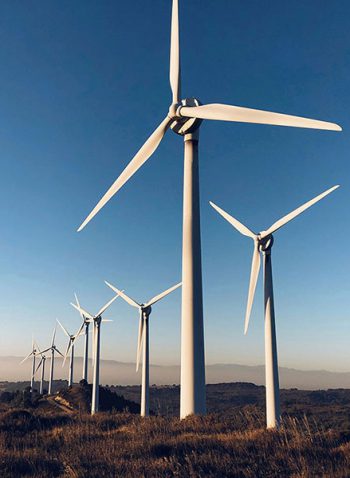
In addition to solar energy, California is also investing in wind energy. The state has abundant wind resources, especially in the coastal areas and mountain passes, making it an ideal location for wind farm development. Through the Renewable Portfolio Standard (RPS) program, the government requires utilities to procure a certain percentage of their electricity from renewable sources, including wind energy.
Green energy innovation and technological advancements
California’s commitment to renewable energy is further strengthened by its support for green energy innovation and technological advancements. The state provides funding and resources for research and development in clean energy technologies, such as energy storage systems and advanced solar technologies.
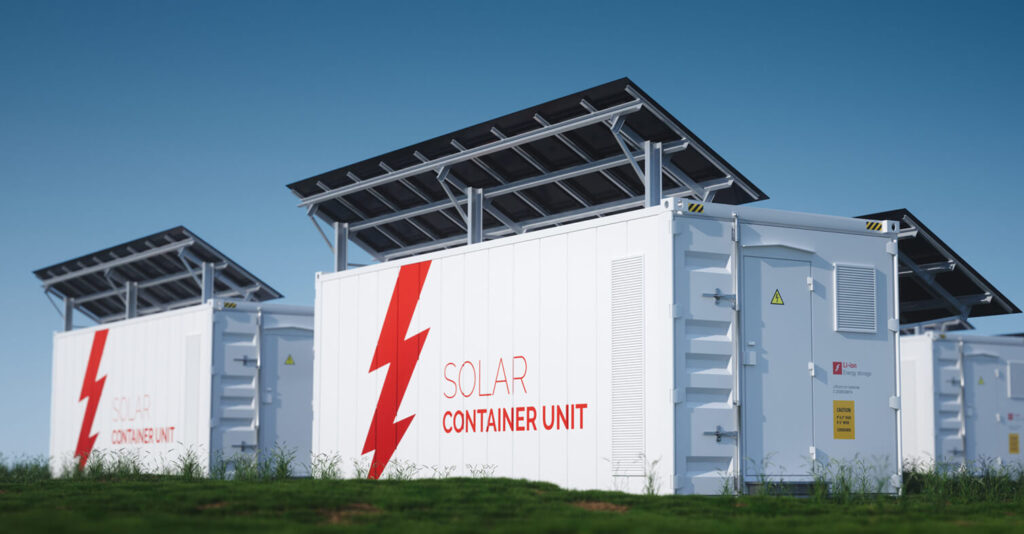
The California Energy Commission (CEC) plays a crucial role in promoting green energy innovation. The CEC invests in research and development projects, grants funds for clean energy startups, and supports the deployment of emerging technologies. This support has led to significant advancements in energy storage, which is crucial for maximizing the use of renewable energy sources.
Furthermore, the state government encourages collaboration between industry, academia, and government agencies to drive innovation and technology transfer. This collaborative approach fosters the development of new green energy solutions and promotes the growth of clean energy industries in California.
Energy Efficiency Programs
Encouraging energy-efficient practices
The California state government is actively encouraging individuals, businesses, and organizations to adopt energy-efficient practices as part of its commitment to reducing energy consumption. By promoting energy efficiency, California aims to lower greenhouse gas emissions, conserve natural resources, and save on energy bills.
To promote energy-efficient practices, the state government offers various programs and incentives. One of the key initiatives is the Energy Upgrade California program, which provides resources and information to help homeowners and businesses make energy-efficient upgrades. This program offers rebates, incentives, and financing options for energy-saving measures such as installing energy-efficient appliances, upgrading insulation, and implementing solar technologies.
Reducing energy consumption and waste
To further reduce energy consumption and waste, the California state government has implemented several initiatives and regulations. One of the key regulations is Title 24 Building Energy Efficiency Standards, which set minimum requirements for energy efficiency in new construction and major renovations. These standards cover various aspects of building design and operation, including lighting, HVAC systems, insulation, and ventilation. By enforcing these standards, the state ensures that new buildings are designed to be energy-efficient from the start.
In addition to building standards, the state government also promotes energy-efficient transportation. The Clean Vehicle Rebate Program offers incentives for individuals and businesses who purchase or lease electric, hybrid, or fuel cell vehicles. By encouraging the use of clean vehicles, the state aims to reduce greenhouse gas emissions from the transportation sector, which is a significant contributor to climate change.

Collaboration and Partnerships
Public-private partnerships for sustainable solutions
The California state government recognizes the importance of collaboration and partnerships in achieving sustainable solutions for clean energy. By working together with private companies, non-profit organizations, and research institutions, California aims to tackle the challenges of climate change and promote the adoption of renewable energy.
One example of a successful public-private partnership is the California Energy Commission’s (CEC) collaboration with industry leaders to develop and implement energy storage technologies. Through partnerships with companies like Tesla, California has been able to advance the development and deployment of energy storage systems, which are essential for storing excess renewable energy and ensuring a reliable and resilient clean energy grid.
The state government also partners with non-profit organizations and community groups to support clean energy initiatives at the local level. These partnerships help to identify and address the specific needs and challenges of different communities, ensuring that clean energy solutions are accessible and beneficial to all.
Working together towards a greener future
In addition to public-private partnerships, California promotes collaboration between government agencies, academia, and research institutions to drive innovation and technology transfer in the clean energy sector.
The California Energy Commission’s EPIC program (Electric Program Investment Charge) funds research projects and partnerships between universities and industry to develop cutting-edge clean energy technologies. This collaboration between researchers and industry experts helps to accelerate the development and commercialization of clean energy solutions.
Furthermore, California’s research institutions, such as the Lawrence Berkeley National Laboratory and the California Institute for Energy and Environment, play a crucial role in advancing clean energy research and providing valuable insights and expertise to inform policy decisions.