What is a hybrid solar system?
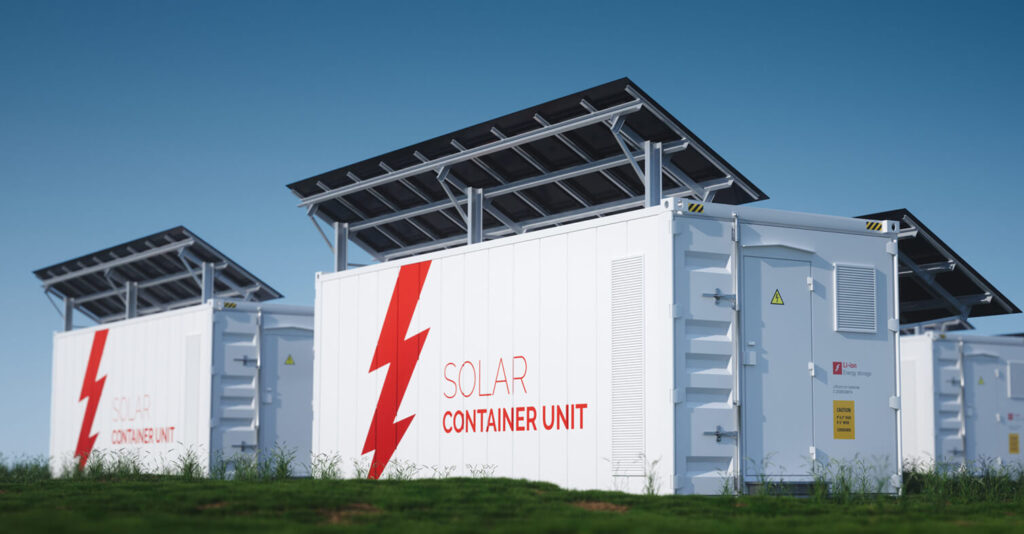
A hybrid solar system is a type of solar power system that combines the benefits of both grid-tied and off-grid systems. It typically consists of solar panels, batteries, inverters, and a grid-tied interface. Unlike traditional grid-tied systems that do not have batteries, hybrid systems allow you to store excess solar energy for later use.
Additionally, hybrid systems can still be connected to the utility grid, which means you can still draw power from the grid when your solar panels cannot meet your energy needs. This provides a backup power source during high demand or low sunlight periods.
Advantages of hybrid solar systems
1. Energy independence: One of the main advantages of hybrid solar systems is that they provide a degree of energy independence. By combining solar panels with batteries, you can store excess solar energy and use it during periods of high demand or when the grid is down.
2. Reduced electricity bills: When your hybrid solar system generates more energy than you consume, the excess power can be stored in the batteries or fed back into the grid. This allows you to offset your electricity bills and earn credits from your utility company.
3. Increased reliability: Hybrid solar systems offer increased reliability and resilience. If there is a power outage or grid failure, the batteries in the system can provide backup power, ensuring that critical appliances and systems continue to function.
4. Environmental benefits: Hybrid systems harness solar energy, reducing reliance on fossil fuels and lowering carbon emissions. This makes them an environmentally friendly option for generating electricity.
Components of Hybrid Solar Systems
Solar panels and their functions
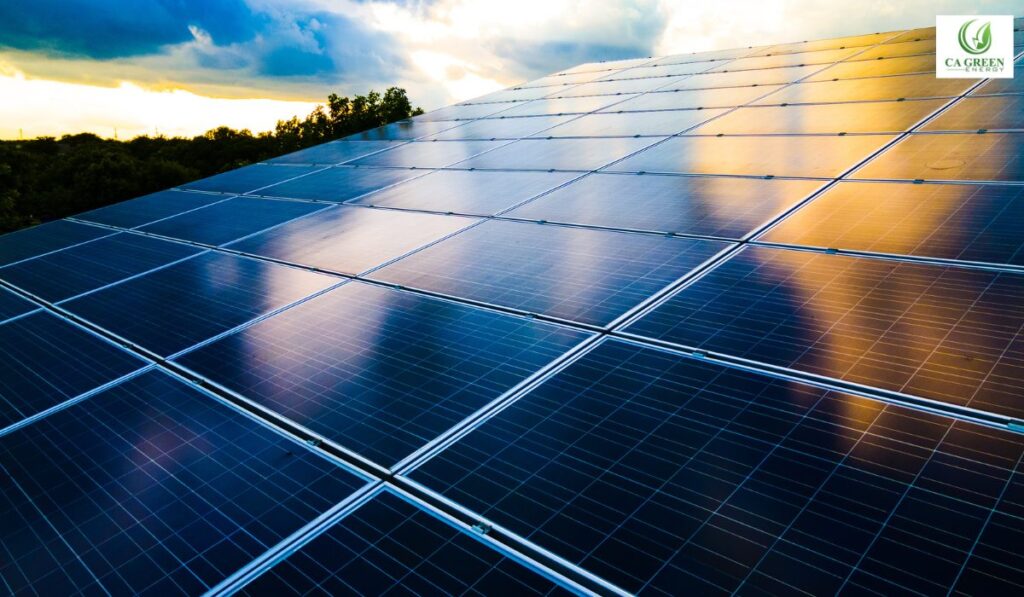
Solar panels are the main component of a hybrid solar system. They are responsible for converting sunlight into usable electricity through the photovoltaic effect. The panels consist of multiple solar cells, typically silicon, which generate a direct current (DC) when exposed to sunlight. This DC electricity is converted into alternating current (AC) power using an inverter, making it compatible with the electrical grid.
Hybrid inverters and their role in the system
Hybrid inverters are another essential component of a hybrid solar system. They can work with both grid-connected and off-grid systems. The primary function of a hybrid inverter is to convert the DC electricity generated by the solar panels into AC electricity for use in the home.
Hybrid inverters also come with advanced monitoring and control capabilities. They allow homeowners to track their solar system’s performance, monitor energy production and consumption, and adjust settings for optimal energy management. Some hybrid inverters also offer backup power functionality, allowing the system to supply electricity during power outages.
Battery Storage in Hybrid Solar Systems
Why battery storage is essential in a hybrid system
Battery storage is an essential component of a hybrid solar system as it allows homeowners to store excess energy generated by their solar panels for later use. Here are some reasons why battery storage is essential in a hybrid system:
Types of batteries used in hybrid solar systems
Different types of batteries are used in hybrid solar systems, each with its advantages and considerations. Here are some common types of batteries used in hybrid solar systems:
1. Lead-acid batteries: These are the most common and affordable batteries used in hybrid systems. They have a relatively low energy density but are suitable for low-cost applications. Lead-acid batteries require regular maintenance and shorter lifespans than other battery types.
2. Lithium-ion batteries: Lithium-ion batteries are becoming increasingly popular in hybrid solar systems due to their high energy density and longer lifespan. They have a higher upfront cost but require minimal maintenance. Lithium-ion batteries are also lighter and more compact, making them suitable for installations where space is limited.
3. Saltwater batteries: Saltwater batteries are a more environmentally friendly option compared to traditional battery chemistries. They are non-toxic and have a longer lifespan than lead-acid batteries. However, saltwater batteries have a lower energy density and may need to be more efficient in extreme temperature conditions.
4. Flow batteries: Flow batteries are a relatively new technology in hybrid solar systems. They store energy as electrolytes in external tanks, allowing for unlimited capacity expansion. Flow batteries have a longer lifespan and can withstand more charge-discharge cycles than other battery types. However, they are still more expensive and less common in residential applications.
How Hybrid Solar Systems Work
Generating electricity from solar panels
Solar panels are a critical component of a hybrid solar system. They capture sunlight and convert it into electricity through the photovoltaic effect. Made up of multiple solar cells, typically silicon, the panels generate a direct current (DC) when exposed to sunlight. This DC electricity is converted into alternating current (AC) power using an inverter, making it compatible with the electrical grid.
Utilizing battery storage for energy management
A vital component of a hybrid solar system is the battery storage. These batteries store the excess electricity generated by the solar panels, allowing homeowners to use it when the panels are not producing enough energy. The hybrid inverter manages the flow of electricity, prioritizing using solar energy to power the home’s electrical needs and charging the batteries if there is a surplus.
On-Grid Capabilities of Hybrid Solar Systems
Benefits of being connected to the grid
One significant advantage of a hybrid solar system is its ability to be connected to the electrical grid. Homeowners can use grid power whenever needed by staying connected to the grid.
This is particularly useful during periods of low sunlight or when the energy demand exceeds what the solar panels can generate. Here are some benefits of being connected to the grid:
- Backup power: In a hybrid solar system, being connected to the grid provides a backup power source. When solar panels are not producing enough electricity or during power outages, homeowners can draw power from the grid to meet their energy needs. This ensures a reliable and continuous supply of electricity.
- Reduction in battery size: The ability to rely on the grid for backup power allows homeowners to reduce the size of their battery storage system.
- Net metering: Connecting to the grid enables homeowners to use net metering. Net metering allows excess electricity generated by solar panels to be returned to the grid. In return, homeowners receive credits on their utility bills. This not only reduces electricity costs but also promotes the use of renewable energy.
Using grid power during high-demand periods
Another advantage of on-grid capabilities in hybrid solar systems is the ability to use grid power during high energy demand periods. When electricity demand is high, such as during peak hours or hot summer days when air conditioning is high, homeowners can tap into the grid for additional power. This helps to offset the strain on the solar panels and batteries, ensuring a stable and uninterrupted power supply.
Off-Grid Capabilities of Hybrid Solar Systems
Independence from the grid
With a hybrid solar system, you can disconnect from the electrical grid and operate independently. This means you can generate your electricity and not rely on utility companies for power. By installing a hybrid solar system, you can reduce your dependence on the grid and make your home more self-sufficient.
Powering your home during grid failures
One of the advantages of a hybrid solar system is its ability to provide power during grid outages. When the grid fails, your hybrid system can automatically switch to off-grid mode, utilizing the stored energy in the batteries to power your home. This ensures that you have a continuous supply of electricity even when the grid is down.
During extended power outages, the hybrid inverter can draw power from solar panels and batteries to keep essential devices and appliances running. This can be a lifesaver when access to electricity is critical, such as during severe weather events or natural disasters.
Cost and Return on Investment of Hybrid Solar Systems
Initial costs and long-term savings
When considering a hybrid solar system, evaluating the initial costs and potential long-term savings is essential. The initial costs of installing a hybrid solar system can be higher than a grid-tied system without batteries.
This is because you need to invest not only in solar panels but also in batteries and inverters for the off-grid capabilities. However, it’s worth noting that battery costs have decreased over time, making hybrid systems more affordable.
Calculating the ROI of a hybrid solar system
To determine a hybrid solar system’s return on investment (ROI), you need to consider both the upfront costs and the potential savings over time. The ROI is typically measured by the payback period, which is the time it takes for your savings to equal or surpass the initial investment.
Advancements in hybrid solar technology
Significant advancements in hybrid solar technology have occurred in recent years. This has improved the efficiency and performance of hybrid systems, making them an even more attractive option for homeowners. With advancements in battery storage technology, hybrid systems can now store excess energy generated during the day for use at night or during cloudy periods. This ensures a stable and reliable power supply even when the sun is not shining.
Prospects and sustainability impact
The prospects for hybrid solar systems are promising. As technology advances, we can expect to see further reductions in the cost of batteries and improvements in their performance. This will make hybrid systems even more affordable and accessible to a broader range of homeowners.
A hybrid solar system offers a compelling solution for homeowners looking to harness the benefits of solar power while maintaining the flexibility and reliability of the grid. Although they involve higher upfront costs, the long-term savings, protection against rising electricity prices, and potential for earning money from excess energy make them a worthwhile investment.