Air Source Heat Pumps
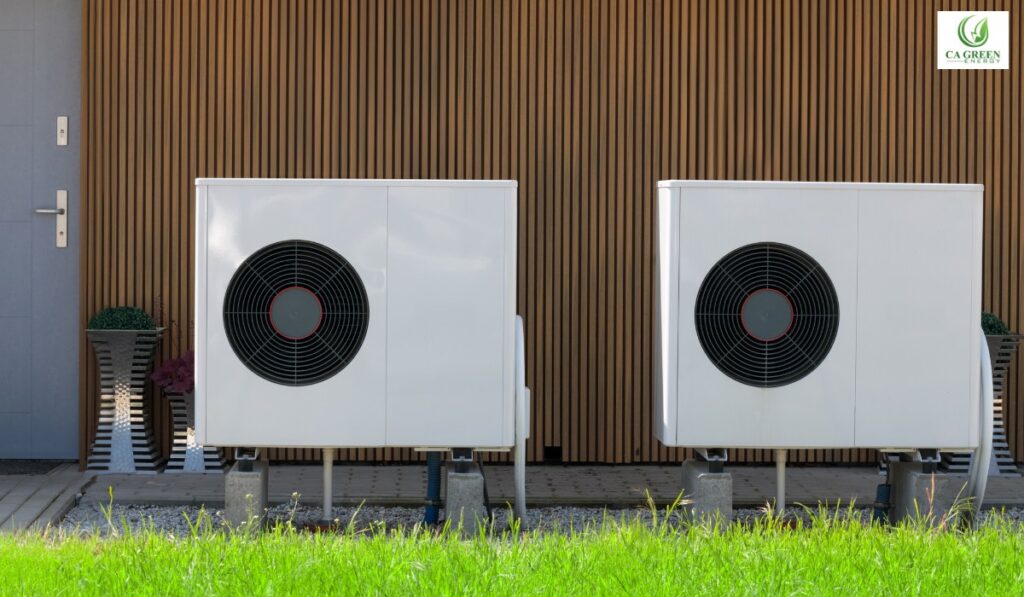
Air source heat pumps are a type of heat pump that extract heat from the air outside and transfer it into the home during the winter months. When summer comes, they reverse the process, extracting heat from the indoor air and transferring it outside to cool the home.
Air source heat pumps operate based on the refrigeration principle, using refrigerant to absorb and release heat energy.
Benefits of using Air Source Heat Pumps in California
There are several reasons why air-source heat pumps are ideal for California’s climate. Here are some of the key benefits:
Energy Efficiency
One of the main advantages of heat pumps is their energy efficiency. Compared to traditional heating methods like furnaces, heat pumps consume less energy while providing the same comfort level. They achieve this by transferring heat instead of generating it, reducing energy usage, and lowering utility bills.
Environmental Friendliness
Heat pumps are considered environmentally friendly heating and cooling solutions. By relying on electricity to transfer heat, they reduce the need for fossil fuels and help decrease greenhouse gas emissions.
Year-round Comfort
Heat pumps provide heating and cooling capabilities, making them suitable for California’s mild climate. The same system that keeps your home warm in the winter can also keep it cool during summer. This eliminates the need for separate heating and cooling systems, saving space and installation costs.
Long-term Savings
While heat pump installation may require an initial investment, the long-term savings can outweigh the upfront costs. With energy-efficient operation and potential utility rebates, homeowners can expect lower energy bills and a return on their investment over time.
Improved Indoor Air Quality
Heat pumps have filters that help improve indoor air quality by capturing dust, pollen, and other allergens. These filters keep the air clean and fresh, benefiting households with allergy sufferers or individuals with respiratory conditions.
In conclusion, heat pump installation in California offers numerous benefits, including energy efficiency, environmental friendliness, year-round comfort, long-term savings, and improved indoor air quality.
How Air Source Heat Pumps Work
Explanation of the technology behind Air Source Heat Pumps
Air Source Heat Pumps (ASHPs) are heat pumps that transfer heat from the outside air to the inside of a building, providing heating and cooling. They use a refrigerant that absorbs heat from the outside air and delivers it to the indoor space.
Here is a step-by-step explanation of how ASHPs work:
- The process starts with the evaporator located outside the building. The evaporator contains a refrigerant with a low boiling point, usually hydrofluorocarbon (HFC).
- As the outside air flows over the evaporator, the heat from the air is transferred to the refrigerant, causing it to evaporate into a gas.
- The gas refrigerant then moves into the compressor, which increases its pressure and temperature. This process requires energy, typically electricity, to operate.
- The hot gas refrigerant then moves into the condenser, which is located inside the building. As the indoor air flows over the condenser, the heat from the refrigerant is transferred to the indoor space.
- The refrigerant is now cooled and condensed into a liquid form, returning to the evaporator, and the process starts again.
Efficiency and energy savings of Air Source Heat Pumps
One of the main benefits of ASHPs is their energy efficiency, which can lead to significant energy savings and reduced greenhouse gas emissions. Here are some reasons why ASHPs are more efficient than traditional heating methods:
- ASHPs don’t generate heat; they transfer it from one place to another. This means they can provide the same heat with less energy than a traditional furnace, which burns fuel to create heat.
- ASHPs can operate in reverse during the warmer months, cooling by absorbing heat from the indoor space and releasing it outside. This eliminates the need for a separate air conditioning system and reduces energy consumption.
- ASHPs utilize advanced technology, such as variable speed compressors and fan motors, to adjust the system output to match the heating or cooling demand. This ensures that the system operates at its most efficient level and saves energy.
- Many ASHPs also have integrated smart controls and programmable thermostats, allowing homeowners to optimize their heating and cooling settings for maximum efficiency.
Considerations for Installing Air Source Heat Pumps in California
Climate Suitability for Air Source Heat Pumps in California
When considering air source heat pump installation in California, one of the first factors is climate suitability. Fortunately, California’s moderate climate makes it ideal for heat pump usage.
Heat pumps transfer heat from one place to another instead of generating heat, making them perfect for mild winters and warm summers.
Key features to look for in a unit
When comparing different air source heat pump units, consider these key features:
1. Variable-speed compressor: A heat pump with a variable-speed compressor can adjust its speed based on the heating or cooling demand, resulting in more efficient and consistent comfort.
2. Programmable thermostat: Look for a programmable thermostat that allows you to set customized schedules and optimize energy usage.
3. Energy-saving modes: Some heat pumps offer energy-saving modes, such as eco-friendly or sleep mode, which can help reduce energy consumption when you’re away or asleep.
4. Smart technology integration: Consider units compatible with smart home systems. These systems allow you to control and monitor your heat pump remotely through your smartphone or other connected devices.
5. Warranty: Look for a heat pump with a comprehensive warranty that covers both parts and labor. This will provide peace of mind and protection against any potential issues.
Environmental Impact of Air Source Heat Pumps
Comparison of carbon emissions between Air Source Heat Pumps and traditional heating systems
Regarding reducing carbon emissions, air source heat pumps (ASHPs) are far more environmentally friendly than traditional heating systems such as gas furnaces. Here’s a comparison of the carbon emissions produced by ASHPs and traditional heating systems:
– ASHPs: Air source heat pumps work by extracting heat from the ambient air and transferring it indoors for heating. Since they do not directly burn fossil fuels to generate heat, they have significantly lower carbon emissions than gas furnaces.
– Gas Furnaces: Traditional gas furnaces burn natural gas, which emits carbon dioxide (CO2) into the atmosphere. CO2 is a greenhouse gas that contributes to climate change. Gas furnaces are also less efficient than ASHPs, leading to higher energy consumption and carbon emissions.
According to the U.S. Environmental Protection Agency (EPA), ASHPs can reduce carbon emissions by up to 40% compared to gas furnaces. This reduction in carbon emissions makes ASHPs a more sustainable and eco-friendly choice for heating.
Contribution to reducing greenhouse gas emissions in California
California is at the forefront of environmental regulations and has set ambitious carbon reduction goals. In line with these goals, the state plans to ban the sale of new gas furnaces and water heaters by 2030. This move highlights the importance of transitioning to cleaner energy sources like air source heat pumps.
We can significantly reduce greenhouse gas emissions by installing ASHPs in homes and buildings across California. Here’s how ASHPs contribute to reducing emissions in the state:
1. Lower Carbon Emissions: As mentioned earlier, ASHPs produce fewer carbon emissions compared to traditional heating systems. By replacing gas furnaces with ASHPs, California can significantly reduce CO2 emissions, creating a cleaner environment.
2. Renewable Energy Integration: ASHPs can also be powered by renewable energy sources such as solar or wind power. Combining ASHPs with clean energy generation can further reduce reliance on fossil fuels and decrease greenhouse gas emissions.
3. Energy Efficiency: ASHPs are highly energy efficient, providing heating and cooling with minimal energy consumption. This efficiency reduces the overall energy demand and lowers the carbon footprint associated with energy generation.
By embracing air-source heat pumps and adopting clean energy practices, California can make substantial strides in reducing greenhouse gas emissions and achieving its carbon reduction goals.
In conclusion, air-source heat pumps offer numerous benefits, including energy-efficient heating and cooling, flexible installation options, and significant environmental advantages. Installing and maintaining ASHPs can help reduce your carbon footprint while enjoying reliable and comfortable indoor climate control.
Recommendations for homeowners considering installation
If you’re considering installing an air-source heat pump in your California home, here are some recommendations:
1. Consult with a Professional: Reach out to HVAC professionals specializing in heat pump installation for expert guidance and recommendations based on your needs and home requirements.
2. Consider Energy Efficiency: Look for ASHP models with high energy efficiency ratings, such as those certified by ENERGY STAR. These units will provide more significant savings and environmental benefits in the long run.
3. Evaluate Your Home’s Insulation: Ensure that your home is adequately insulated to maximize the efficiency of your ASHP. Good insulation will help keep the conditioned air inside and prevent energy wastage.
4. Explore Incentives and Rebates: Research available incentives, grants, and rebates offered by local utility companies, government programs, or other organizations. These financial incentives can offset the initial cost of installation.
5. Regular Maintenance: Schedule regular maintenance for your ASHP to ensure optimal performance and longevity. Regularly cleaning or replacing air filters and inspecting the system will help maintain efficiency.