Spray foam insulation is a type of insulation that is applied to surfaces in a liquid form and expands into a foam-like substance. It is made by combining two chemicals, polyol resin and isocyanate, which react when mixed. This reaction causes the mixture to expand and harden into foam insulation.
Applying spray foam insulation involves using a spray gun to apply the liquid mixture to the desired surface. Once applied, the foam expands and fills in gaps or cracks, creating a seamless and continuous insulation layer. This tight seal helps to protect against air leakage and improve energy efficiency.
Spray foam insulation is known for its excellent insulation properties. It has a high R-value, which measures its thermal resistance. This means that it can effectively resist the transfer of heat and cold, keeping the indoor temperature more stable and reducing energy consumption.
Types of Spray Foam Insulation
There are two main types of spray foam insulation: open-cell and closed-cell.
Open-cell spray foam insulation comprises not completely closed cells, allowing air to fill the spaces within the material. This type of insulation is less dense and has a lower R-value than closed-cell insulation. However, it is more affordable and provides good sound insulation.
On the other hand, closed-cell spray foam insulation comprises wholly closed cells, making it denser and more rigid. This type of insulation has a higher R-value and provides better moisture resistance than open-cell insulation. It is also more expensive.
Benefits of Spray Foam Insulation
Energy efficiency and cost savings
Spray foam insulation offers numerous benefits regarding energy efficiency and cost savings. Here are some key advantages:
- Reduced energy consumption: Spray foam insulation creates a tight seal, preventing air leaks and limiting the energy needed to heat or cool a space. This can result in significant energy savings and lower utility bills.
- Improved insulation performance: Compared to other insulation materials, spray foam has a higher R-value, meaning it provides better thermal resistance. This allows for better temperature control and reduced energy loss through walls and ceilings.
- Minimized air infiltration: Spray foam insulation fills gaps and cracks, creating an airtight barrier. This helps eliminate drafts and prevents conditioned air from escaping, ensuring the indoor temperature remains consistent.
- Durable and long-lasting: Spray foam insulation is known for its durability. It doesn’t sag or settle over time, maintaining its effectiveness for many years. This reduces the need for insulation replacement or repairs, resulting in long-term cost savings.
- Moisture control: Spray foam insulation can resist moisture, preventing water from seeping into the walls and causing damage. This can help prevent mold growth and rot, which can lead to costly repairs.
Improved Comfort and Indoor Air Quality
In addition to energy efficiency and cost savings, spray foam insulation also offers improved comfort and indoor air quality benefits:
- Elimination of cold spots: Spray foam insulation creates a seamless layer, eliminating cold spots commonly found in traditional insulation materials. This helps to maintain a consistent temperature throughout the space, ensuring maximum comfort.
- Noise reduction: Spray foam insulation has excellent soundproofing properties, reducing noise transmission from outside and between rooms. This can result in a quieter and more peaceful indoor environment.
- Air sealing: Spray foam insulation provides an effective air barrier, preventing the entry of outdoor pollutants, allergens, and dust into the living space. This helps to improve indoor air quality, particularly for individuals with respiratory conditions or allergies.
- Improved structural integrity: Spray foam insulation adheres to surfaces, creating a rigid and stable layer. This can help to strengthen the building structure and reduce the risk of issues such as wall or roof damage due to wind or other external factors.
- Non-toxic and environmentally friendly: Many spray foam insulation products are made from renewable resources and have low VOC emissions, making them more sustainable than traditional insulation materials.
Spray Foam Insulation Process
Assessment and planning
Before starting the spray foam insulation process, assessing and planning the project carefully is essential. Here are the steps involved:
- Initial assessment: A professional insulation contractor will visit your property to evaluate its insulation needs. They will assess the current insulation, identify any areas of concern, and determine the best spray foam insulation solution for your specific requirements.
- Energy audit: An energy audit may be conducted to analyze your home’s energy usage and assess its efficiency. This helps to identify areas of improvement and inform the insulation plan.
- Measurement and estimation: Once the assessment is complete, the contractor will measure the areas to be insulated and provide an estimate of the materials and cost involved. This helps you understand the scope of the project and make informed decisions.
- Planning and preparation: With the information gathered, the contractor will create a detailed plan for the insulation installation. This includes determining the type of spray foam insulation (closed cell or open cell), the thickness required, and any specific installation considerations.
Application and installation
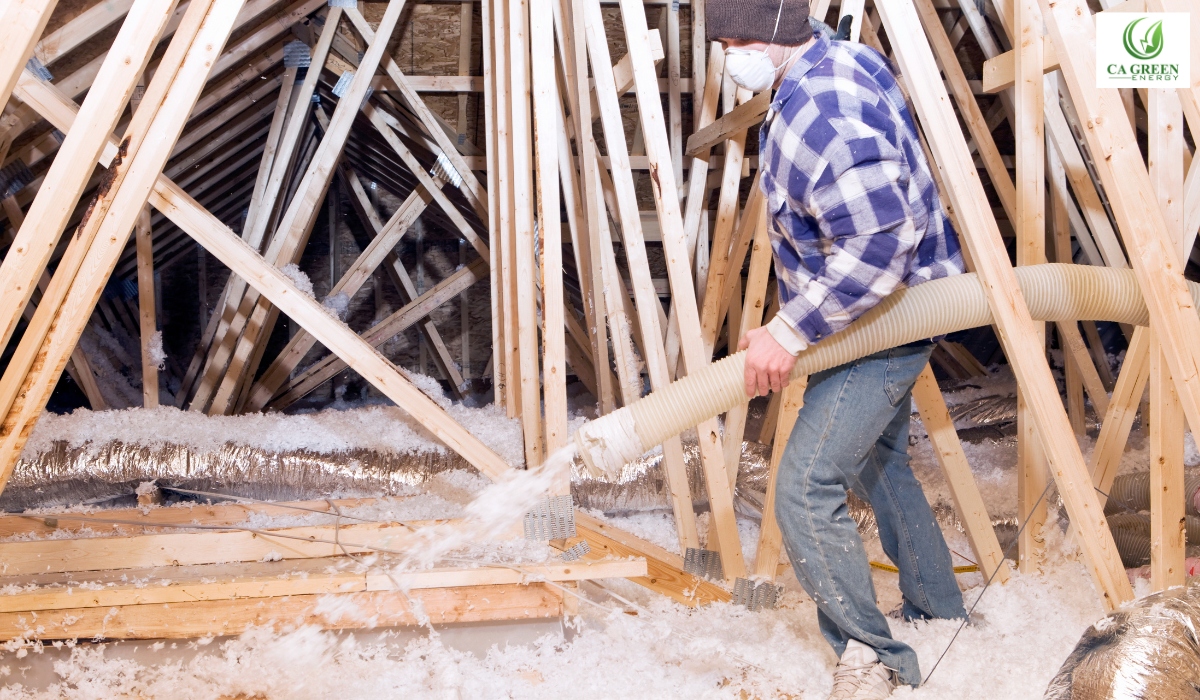
The spray foam insulation can be applied once the assessment and planning stages are complete. Here’s an overview of the application and installation process:
- Surface preparation: The surfaces to be insulated are thoroughly cleaned and prepared for the application of spray foam insulation. This may include removing debris, dirt, or existing insulation materials.
- Protective measures: The contractor will cover and protect any areas that should not receive the spray foam insulation, such as windows, doors, and electrical outlets.
- Mixing and spraying: The spray foam insulation material is mixed on-site using specialized equipment. It is then sprayed onto the surfaces in a controlled manner. The insulation expands and adheres to the surfaces, filling gaps and creating an airtight seal.
- Curing and drying: The spray foam insulation requires time to cure and dry. The contractor will instruct how long to wait before the area can be safely accessed or further work can occur.
- Quality assurance: After the foam has dried, the contractor will inspect the insulation to ensure it meets the required standards. Any necessary touch-ups or adjustments will be made to ensure a satisfactory result.
Following this process, you can upgrade your home’s insulation with spray foam and enjoy improved energy efficiency, comfort, and indoor air quality.
Spray Foam Insulation vs. Traditional Insulation
Comparison of R-values and thermal performance
When insulating your home, choosing the right type of insulation is essential. Spray foam insulation offers several advantages over traditional insulation materials. Here is a comparison of R-values and thermal performance between spray foam insulation and traditional insulation:
- R-value: R-value measures thermal resistance, indicating how well insulation materials resist heat flow. Spray foam insulation generally has a higher R-value than traditional insulation materials, such as fiberglass or cellulose. This means that spray foam provides better insulation and can effectively keep your home warm in winter and cool in summer.
- Air sealing: One of the key benefits of spray foam insulation is its ability to create an airtight seal. Traditional insulation materials like fiberglass batts or blown-in cellulose may leave gaps and cracks, allowing air leakage. Spray foam insulation fills and seals these gaps, minimizing air infiltration and creating a more energy-efficient and comfortable living environment.
- Moisture resistance: Spray foam insulation has excellent moisture resistance properties, preventing water from seeping into the walls and causing damage. Traditional insulation materials like fiberglass can absorb moisture and become less effective over time. Spray foam insulation can help to protect your home from moisture-related issues, such as mold growth and rot.
Long-term Durability and Maintenance
Another advantage of spray foam insulation is its long-term durability and low maintenance requirements. Here are some key points to consider:
- Durability: Spray foam insulation is known for its longevity. It doesn’t sag or settle over time, maintaining its effectiveness for many years. Traditional insulation materials like fiberglass can compress or degrade over time, requiring replacement or additional insulation.
- Maintenance: Spray foam insulation requires minimal maintenance once installed. It does not require regular inspections or replacements like traditional insulation materials. In the long run, this can save you money and time, as you won’t need to invest in ongoing maintenance or replacements.
Spray foam insulation offers several advantages over traditional insulation materials. It provides
- higher R-values,
- better thermal performance,
- superior air sealing,
- moisture resistance,
- noise reduction, and
- long-term durability.
Its low maintenance requirements and environmental friendliness make it an excellent choice for homeowners looking for an efficient and sustainable insulation solution.
Choosing a Spray Foam Insulation Contractor
The importance of hiring a professional
When installing spray foam insulation in your home, it is essential to hire a professional contractor. Here are a few reasons why hiring a professional is essential:
- Experience and expertise: Professional spray foam insulation contractors have the necessary experience and expertise to install the insulation correctly. They are trained in the techniques and best practices of applying spray foam, ensuring it is evenly distributed and adequately adheres to surfaces. This helps to maximize the effectiveness of the insulation and prevent any potential issues.
- Safety: Spray foam insulation involves using chemicals and machinery, which can be hazardous if improperly handled. Professional contractors are trained in safety protocols and have the necessary equipment to ensure a safe installation. They follow safety guidelines to protect themselves, their homes, and the occupants from any potential harm.
- Quality assurance: Hiring a professional contractor ensures quality work. They use high-quality materials and equipment, ensuring the insulation is installed correctly and performs as expected. Additionally, professional contractors often provide warranties for their work, giving you peace of mind knowing that any issues will be addressed.
Regulations and incentives for spray foam insulation
California has implemented regulations and incentives for using spray foam insulation in homes to encourage energy efficiency. Spray foam insulation can help meet the California Energy Efficiency Standards and reduce energy consumption. Additionally, homeowners may qualify for rebates and incentives from utility companies and local government programs.
It’s important to note that spray foam insulation should be installed by trained professionals who follow industry guidelines and safety protocols. Hiring a certified spray foam insulation contractor ensures proper installation and maximum benefits.
Spray Foam Insulation Compare to Other Insulation Materials
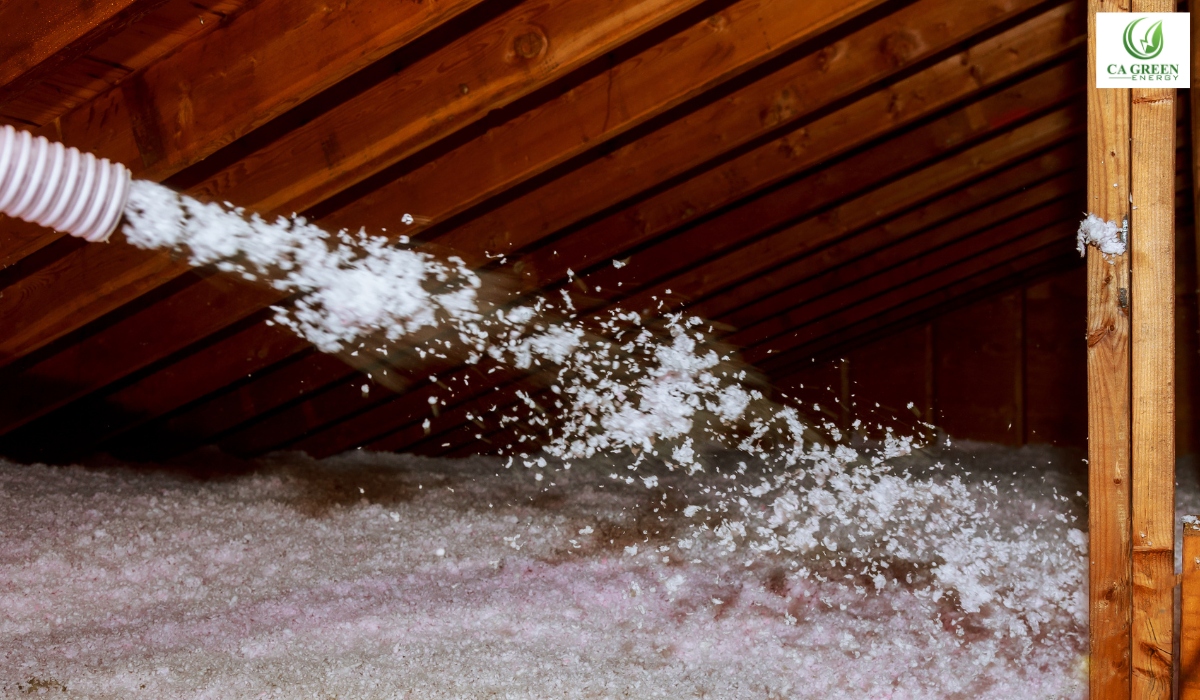
Spray foam insulation offers several advantages over other materials, such as fiberglass or cellulose. Here is a comparison:
Spray foam insulation:
- Provides superior air sealing properties, reducing drafts and energy loss
- Offers a high R-value, providing adequate thermal insulation
- Acts as a moisture barrier, preventing mold and mildew growth
- Reduces noise transmission, providing soundproofing benefits
- Is long-lasting and requires minimal maintenance
- Contributes to energy efficiency and sustainable living
Other insulation materials (fiberglass, cellulose):
- May allow air leakage and drafts
- Have lower R-values compared to spray foam insulation
- Can absorb moisture, leading to mold and degradation over time
- May not provide significant noise reduction
- May require regular maintenance and replacements
Why Spray Foam Insulation is the Best Choice
Energy Efficiency
Spray foam insulation provides excellent thermal insulation, helping to reduce heat transfer and maintain a consistent indoor temperature. This can result in significant energy savings and lower utility bills, especially in a climate like California, where hot summers and mild winters are typical.
Air Sealing
One of the significant benefits of spray foam insulation is its ability to seal gaps, cracks, and air leaks. This helps to prevent drafts and reduces energy loss from the home. Homeowners can enjoy improved indoor comfort and a more efficient HVAC system by sealing these air leaks.
Moisture Resistance
Spray foam insulation is a moisture barrier, preventing water vapor from entering the home. This can help to prevent mold and mildew growth, as well as protect the structural integrity of the building. In a humid climate like California, moisture resistance is significant.
Contact information for California Green Energy
If you are considering spray foam insulation for your California home, contact California Green Energy for professional insulation services. We have trained and certified insulation contractors who can assess your home’s needs and recommend the most suitable insulation solution.
Don’t hesitate to contact California Green Energy to learn more about the benefits of spray foam insulation and how it can improve your home’s energy efficiency and comfort.