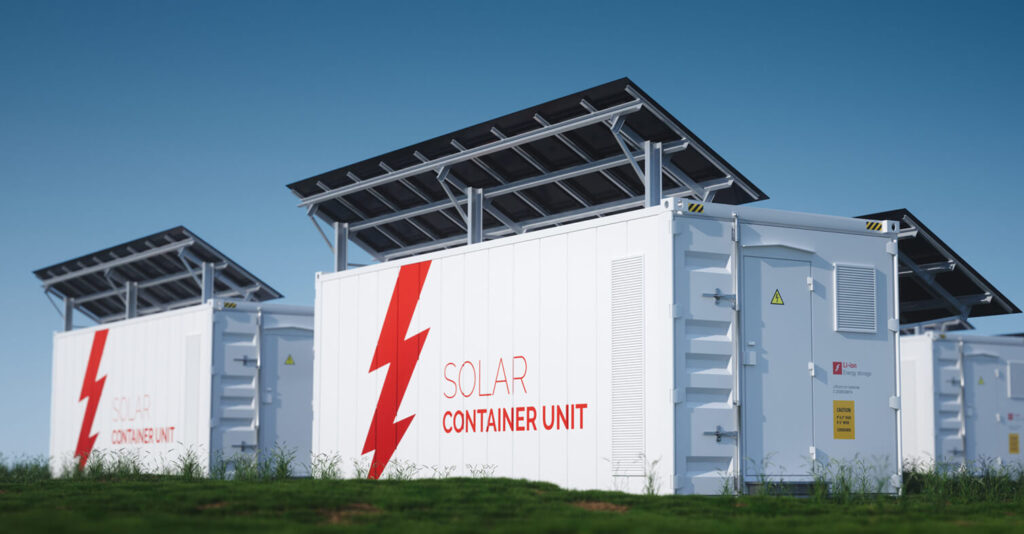
Overview of California’s commitment to solar energy
California has set ambitious goals for renewable energy, with a particular emphasis on solar power. The state aims to achieve 100% clean energy by 2045. The recognition of the environmental and financial advantages of solar power is what motivates this commitment to renewable energy. Solar energy is a clean and renewable source of electricity that does not produce greenhouse gas emissions or air pollutants. By transitioning to solar power, California can reduce its reliance on fossil fuels and contribute to the fight against climate change.
The importance of understanding solar laws and regulations in California
While California is a strong supporter of solar energy, some specific laws and regulations govern the installation and operation of solar systems. It is important for individuals and businesses considering solar to understand these requirements to ensure compliance and maximize the benefits of solar energy.
Some key regulations to be aware of include permitting requirements, interconnection standards, and building codes. Each city and county in California may have its permitting process and requirements for solar installations. It is important to research and follow the local regulations to obtain the necessary permits for installing a solar system.
Interconnection standards dictate how solar energy systems are connected to the electrical grid. Understanding these standards is essential for ensuring a smooth connection and proper operation of the solar system. Additionally, building codes may dictate the design and installation requirements for solar systems, such as roof load limitations and setback requirements.
By understanding and complying with solar laws and regulations, individuals and businesses in California can avoid potential legal issues and ensure that their solar installations are safe and efficient. Moreover, understanding these regulations can help solar system owners take advantage of available incentives and programs.
Understanding the California Solar Mandate
Explanation of the California Solar Mandate
The California Solar Mandate is a regulation that requires all new residential buildings to include a solar energy system. This mandate was implemented to reduce greenhouse gas emissions and promote the use of renewable energy sources. By requiring new homes to be built with solar panels, the state aims to improve energy efficiency and decrease reliance on fossil fuels.
Requirements for new residential buildings
Under the California Solar Mandate, all new residential buildings with three stories or less must include a solar energy system. The size of the system will depend on various factors, such as the location, building size, and orientation. The California Energy Commission has provided guidelines on the minimum requirements for solar energy systems, including the number of solar panels and their energy generation capacity. Builders and homeowners can consult these guidelines to ensure compliance with the mandate.
Exceptions to the mandate
While the California Solar Mandate applies to most new residential buildings, there are some exceptions. One exception includes buildings where solar panels are not feasible due to structural or shade issues. For instance, if there are tall trees all around a building that cast shadows on the roof all day, it might be exempt from the rule. Additionally, buildings that receive electricity from another renewable energy source, such as a wind turbine, may also be exempt from the solar mandate.
Another exception to the mandate is for buildings that are part of a larger master-planned community. In these cases, the solar energy requirements may be met at the community level instead of in individual buildings. This allows for flexibility in meeting the mandate while still achieving the overall goal of promoting renewable energy.
It is important to note that the California Solar Mandate only applies to new residential buildings and does not require existing homes to install solar panels. However, homeowners are encouraged to consider adding solar energy systems to their properties to take advantage of the numerous benefits, such as reduced energy bills and increased property value.

The California Solar Panel Law and Commercial Properties
Overview of the California Solar Panel Law
The California Solar Panel Law, also known as the California Solar Mandate, is a regulation that requires all new residential buildings to include a solar energy system. While the mandate primarily targets residential properties, it is important to understand how it can also impact commercial properties. Commercial buildings can greatly benefit from incorporating solar energy systems, as it can lead to significant cost savings on electricity bills and help reduce environmental impact.
Requirements for commercial properties
Unlike residential buildings, commercial properties are not required to install solar energy systems under the California Solar Panel Law. However, incorporating solar panels into commercial buildings can still bring numerous advantages. Companies can take advantage of various financial incentives and tax credits offered by the state and federal governments to offset the costs of installing solar panels. Additionally, commercial properties with solar energy systems can benefit from lower electricity bills, especially during peak energy consumption hours.
Advantages of incorporating solar energy into commercial buildings
There are several advantages to incorporating solar energy into commercial buildings:
1. Cost savings: Solar energy systems can significantly reduce electricity bills for commercial properties. By generating their clean energy, businesses can reduce their dependence on the grid and save on energy expenses.
2. Environmental benefits: Commercial buildings are major contributors to greenhouse gas emissions. By incorporating solar energy, businesses can greatly reduce their carbon footprint and contribute to a cleaner environment.
3. Increased property value: Commercial properties with solar energy systems often have higher property values. Many potential buyers or tenants see solar energy as an attractive feature, demonstrating the property owner’s commitment to sustainability and cost savings.
4. Brand image and marketing opportunities: Incorporating solar energy in commercial buildings can enhance a company’s brand image and reputation as a socially responsible organization. It can also provide marketing opportunities, showcasing the company’s commitment to sustainable practices to customers, investors, and the community.
5. Energy resilience: Solar energy systems can provide a degree of energy independence and resilience. In the event of power outages or disruptions, commercial properties with solar panels can continue to generate and use electricity, ensuring uninterrupted operations.
Businesses need to consider the numerous advantages of incorporating solar energy into their commercial properties. While the California Solar Panel Law does not require commercial buildings to install solar panels, the benefits of doing so can be substantial. From cost savings to environmental sustainability, solar energy can play a crucial role in the success and sustainability of commercial properties in California.
California Building Codes and Solar Energy
The importance of complying with building codes in California
When it comes to incorporating solar energy systems in commercial buildings in California, property owners and developers must comply with the state’s building codes. The state establishes building codes to ensure the security, structural integrity, and energy efficiency of buildings. Complying with these codes is necessary to obtain the required permits and approvals for solar installations.
Specific codes related to solar energy systems
In California, there are specific building codes that govern the installation and design of solar energy systems. These codes ensure that the systems are installed correctly, safely, and effectively. Some of the key codes include:
1. California Residential Code (CRC): The CRC provides guidelines and requirements for solar energy systems in residential buildings.
2. California Building Code (CBC): The CBC includes regulations for solar energy installations in commercial buildings.
3. California Energy Code (CEC): The CEC mandates energy efficiency standards for buildings, including requirements for solar energy systems.
4. National Electrical Code (NEC): The NEC sets safety standards for electrical installations, including solar panel systems.
Property owners and developers need to work with experienced professionals who are familiar with these codes to ensure compliance and the smooth installation of solar energy systems.
Roles and responsibilities of PV contractors
Photovoltaic (PV) contractors play a crucial role in the successful installation of solar energy systems. They are responsible for designing, installing, and maintaining the systems, ensuring that they comply with building codes and regulations. Some of their key responsibilities include:
1. Design and engineering: PV contractors assess the property and determine the optimal design and size of the solar energy system. They consider factors such as available roof space, shading, and energy consumption.
2. Permitting and approvals: PV contractors handle the necessary permits and approvals required for the installation of solar energy systems. This includes submitting plans, obtaining approvals from local authorities, and coordinating inspections.
3. Installation and wiring: PV contractors are responsible for installing solar panels, inverters, and other system components. They ensure that the wiring is correctly done and that the system is safely connected to the electrical grid.
4. Testing and commissioning: Once the installation is complete, PV contractors test the system to ensure proper functioning. They also assist with the commissioning process, which involves verifying that the system is generating electricity as expected.
5. Maintenance and repairs: PV contractors provide ongoing maintenance and repair services for solar energy systems. This includes regular inspections, cleaning, and troubleshooting any issues that may arise.
By working with qualified PV contractors, property owners and developers can ensure that their solar energy systems are installed correctly, comply with building codes, and operate efficiently.

Impact on Energy Consumption and the Environment
Positive effects of solar energy on energy consumption
Installing solar energy systems on commercial properties can have several positive effects on energy consumption. Here are some key benefits:
Reduces reliance on traditional energy sources: By generating electricity from solar energy, businesses can reduce their dependence on fossil fuels and other non-renewable energy sources. This helps to diversify the energy mix and promote energy independence.
Decreases electricity bills: Solar panels produce electricity that can offset the amount of energy that businesses need to purchase from the grid. This can result in significant cost savings on electricity bills, especially in areas with high electricity rates.
Provides energy security: Solar energy is a reliable and constant source of power, as long as the sun is shining. By installing solar energy systems, businesses can ensure a stable source of electricity, even during grid disruptions or power outages.
Supports energy efficiency: Incorporating solar energy systems often goes hand in hand with implementing energy-efficient practices in commercial properties. By optimizing energy usage and generating electricity on-site, businesses can reduce overall energy consumption and operate more sustainably.
Reducing greenhouse gas emissions and contributing to a greener California
Solar energy is a clean and renewable energy source that helps reduce greenhouse gas emissions and combat climate change. Here’s how solar energy contributes to a greener California:
Carbon footprint reduction: Solar energy systems produce electricity without emitting greenhouse gases such as carbon dioxide. By switching to solar, businesses can significantly reduce their carbon footprint and help mitigate climate change.
Air pollution reduction: Traditional energy sources, such as coal and natural gas, release pollutants into the air when burned. By using solar energy, businesses can help improve air quality and reduce the negative health impacts associated with air pollution.
Supports renewable energy targets: California has set ambitious renewable energy targets, aiming to generate 100% of its electricity from clean sources by 2045. By installing solar energy systems, businesses play a crucial role in achieving these targets and transitioning to a sustainable energy future.
Demonstrates corporate social responsibility: Embracing solar energy demonstrates a commitment to sustainability and environmental stewardship. It can enhance a business’s reputation, attract environmentally conscious customers, and align with corporate social responsibility goals.