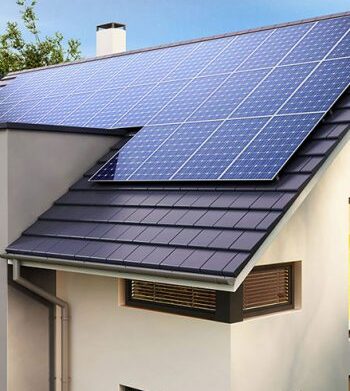
In California’s sun-kissed landscapes, a revolutionary transformation is taking place on rooftops across the state – installing residential solar panels. As the Golden State embraces sustainable living, homeowners harness the power of abundant sunshine to reduce their carbon footprint and unlock the potential for substantial energy savings.
The installation process seamlessly integrates cutting-edge solar technology with the distinctive California lifestyle, offering residents a clean and renewable energy solution. With a commitment to environmental stewardship and a vision for a greener future, solar panel installations are not just a change in energy source but a bold statement of progress towards a sustainable and eco-conscious way of life.
Benefits of Going Solar with California Green Energy
Harnessing the power of solar energy through panel installation offers many benefits, making it a wise and eco-friendly investment. Here’s a brief overview:
- Cost Savings: Significantly reduces electricity bills, providing long-term financial relief.
- Environmental Impact: Drastically lowers carbon footprint, contributing to a cleaner and greener planet.
- Renewable Energy Source: Utilizes an abundant and sustainable resource – the sun.
- Energy Independence: Reduces reliance on conventional power grids, fostering self-sufficiency.
- Government Incentives: Qualifies for various incentives, tax credits, and rebates, promoting affordability.
- Increased Property Value: Enhances the resale value of homes due to eco-friendly features.
- Low Maintenance: Requires minimal upkeep, offering hassle-free energy production.
- Long Lifespan: Solar panels are durable, ensuring a reliable energy source for decades.
- Technological Advancements: Continual solar technology advancements increase efficiency over time.
Embracing solar panel installation goes beyond immediate financial gains, positioning individuals as contributors to a sustainable and energy-efficient future.
Residential Solar Panel Installation Process
1. Consultation and Assessment
- Consultation and Assessment
- Contact a reputable solar panel installation company to schedule a consultation.
- During the consultation, a solar expert will assess your property’s solar potential, including roof orientation and shading.
- They will also discuss your energy consumption and financial goals.
2. Design and Proposal
- Based on the assessment, the solar company will create a customized solar panel system design for your home.
- They will calculate the number of solar panels needed and determine the optimal placement.
- You will receive a proposal that includes the total cost, available incentives, and estimated energy savings.
3. Financing and Permits
- Explore financing options, including loans, leases, and power purchase agreements (PPAs).
- The solar company will assist in obtaining the necessary permits and approvals from your local building department and utility company.
4. Installation
- The solar panel installation team will schedule a date for the installation.
- They will secure the necessary equipment, such as solar panels, mounting hardware, and inverters.
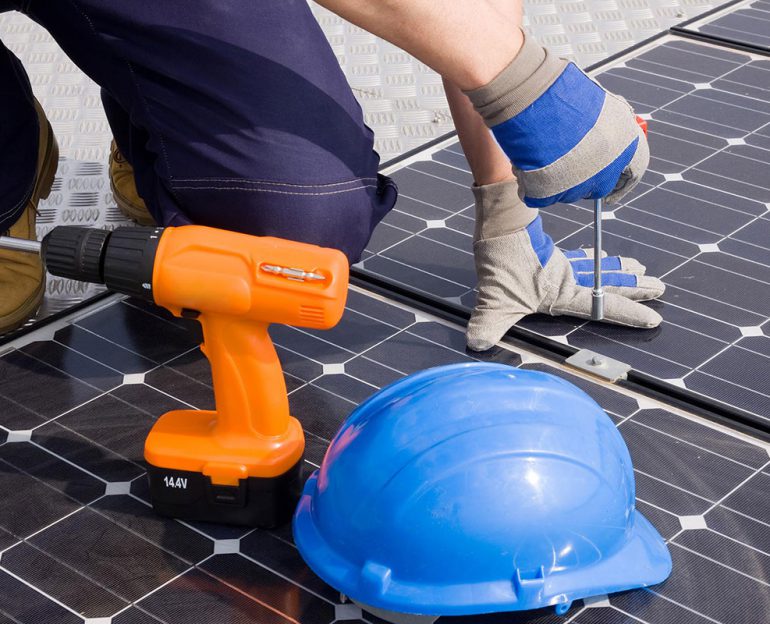
- According to the design plan, the team will install the solar panels on your rooftop or ground-mounted system.
- Electrical wiring will be connected, and the inverter will be installed to convert the solar energy into usable electricity.
5. Inspection and Interconnection
- The local building department will conduct a final inspection to ensure compliance with safety codes.
- Once the system passes inspection, the solar company will assist in completing the interconnection process with your utility company.
- This will allow you to receive credit for any excess electricity your system produces through net metering.
- Activation and Monitoring
- Once the system is activated, you can start enjoying the benefits of solar energy.
- A monitoring system will track the performance of your solar panel system and alert you to any issues.
- Regular maintenance and cleaning of the solar panels will help ensure optimal efficiency.
Factors to Consider Before Installing Solar Panels

Before installing solar panels on your residential property, there are several factors to consider:
1. Cost and Financing Options
- Determine your budget and explore financing options that best suit your financial situation.
- Research available incentives, rebates, and tax credits to help offset the initial investment.
2. Energy Needs and Consumption
- Analyze your energy consumption to determine the size and capacity of the solar panel system you will need.
- Consider future changes in energy needs, such as potential additions to your household or changes in energy usage patterns.
3. Roof Suitability
- Evaluate the condition and orientation of your roof to ensure it is suitable for solar panel installation.
- Consider roof age, shading from nearby trees or buildings, and the available roof space.
4. Local Regulations and Permits
- Research local regulations, homeowner association rules, and permitting requirements for installing solar panels in your area.
- Check if your utility company offers specific solar panel installation incentives or programs.
5. Maintenance and Warranty
- Understand the maintenance requirements of solar panels, including regular cleaning and inspections.
- Review the warranty provided by the solar panel manufacturer and the installation company.
Installing solar panels on your residential property can provide long-term financial and environmental benefits. By following the step-by-step installation process and considering essential factors beforehand, you can make an informed decision and enjoy the advantages of clean, renewable energy in your home.
Types of Solar Panels Offered by California Green Energy
At California Green Energy, we offer various solar panel options to meet our customers’ unique needs and preferences. Here are some of the types of solar panels we provide:
1. Monocrystalline Solar Panels
- Monocrystalline panels are made from a single crystal structure and are known for their high efficiency and sleek appearance.
- These panels use a more complex manufacturing process, costing more than other options.
- Monocrystalline panels are ideal for homeowners with limited roof space but a higher energy demand.
2. Polycrystalline Solar Panels
- Polycrystalline solar panels are made by melting and casting multiple silicon fragments together.
- They have a slightly lower efficiency than monocrystalline panels but are more affordable.
- Polycrystalline panels suit homeowners with ample roof space and a lower energy demand.
3. Thin-Film Solar Panels
- Thin-film solar panels are made by depositing a thin layer of semiconductor material onto a substrate.
- These panels are less efficient than crystalline panels but have the advantage of flexibility and versatility.
- Thin-film panels are often used in applications where aesthetics and flexibility are essential, such as curved or irregular surfaces.
4. Bifacial Solar Panels
- Bifacial solar panels can generate electricity from both sides of the panel by capturing sunlight reflected from the ground or other surfaces.
- These panels can provide higher energy yields than traditional panels, making them a good option for homeowners in areas with a high albedo.
- Bifacial panels are typically more expensive but can result in a higher return on investment over time.
Financing Options for Residential Solar Panel Installation
When considering the installation of solar panels on your home, it is essential to explore financing options that suit your financial situation. Here are some standard financing options available for residential solar panel installation:
1. Loans: Many financial institutions offer solar loans specifically designed for homeowners. These loans allow you to finance the upfront costs of the solar panel installation and pay it back over time with interest.
2. Leases: Solar leases or power purchase agreements (PPAs) are another popular financing option. With a lease, you rent the solar panel system from a solar company, paying a fixed monthly fee. This option requires minimal upfront costs, but you do not own the solar panels.
3. Property Assessed Clean Energy (PACE) Programs: Some states and municipalities offer PACE programs that allow homeowners to finance energy-efficient upgrades, including solar panel installations, through assessments on their property taxes.
4. Home Equity Loans or Lines of Credit: If you have sufficient equity in your home, you may be able to use a home equity loan or line of credit to finance your solar panel installation. These options typically offer lower interest rates compared to other financing options.
Available Tax Credits and Rebates
To make solar panel installations more affordable, various tax credits and rebates are available to homeowners. Here are some incentives you can take advantage of in California:
1. Federal Investment Tax Credit (ITC): The ITC allows homeowners to deduct a percentage of the cost of their solar panel system from their federal income taxes. Currently, the ITC offers a 26% tax credit for qualified solar installations. However, please note that the percentage is subject to change, so it is essential to consult with a tax professional for the most up-to-date information.
2. California Solar Initiative (CSI) Rebates: The CSI program offers rebates for residential solar installations based on the system’s size and performance. The rebate amount gradually decreases over time as more solar installations are completed.
3. Property Tax Exemptions: In California, solar energy systems are exempt from property tax assessments. This exemption helps homeowners save on property taxes, making solar panel installations even more financially advantageous.
4. Net Energy Metering (NEM): The NEM program allows homeowners with solar panel systems to receive credits on their utility bills for any excess electricity generated. These credits can offset future electricity usage, reducing your overall energy costs.
By taking advantage of these financing options and incentives, homeowners in California can significantly reduce the upfront costs of solar panel installations and enjoy long-term financial savings from reduced energy bills. To make an informed decision, it is essential to research and understand the requirements and qualifications for each financing option and incentive. Consulting with a reputable solar panel installation company can help you navigate the financing and incentive options.
Tips for Maintaining Solar Panels

Proper maintenance of your solar panels is essential to ensure optimal performance and longevity. Here are some tips to help you maintain your solar panel system:
1. Regular Cleaning: Keep your solar panels clean by removing any dirt, dust, leaves, or debris that may accumulate on the surface. Use a soft brush or a gentle stream of water to clean the panels. Avoid using abrasive materials or harsh chemicals, as they can damage the panels.
2. Inspect for Damage: Regularly inspect your solar panels for signs of damage, such as cracks, loose wires, or broken connections. If you notice any issues, contact a professional installer to promptly assess and repair the damage.
3. Monitor Energy Production: Monitor your solar panel’s energy production to ensure it generates the expected amount of electricity. Monitoring systems can help you identify any performance issues or potential problems with the system.
4. Trim Surrounding Vegetation: Trim any trees or branches that may cast shadows on your solar panels. Shading can significantly reduce the system’s performance, so it’s essential to maintain clear access to sunlight.
5. Be Mindful of Weather Conditions: While solar panels are designed to withstand various weather conditions, extreme weather events such as hailstorms or heavy snowfall can cause damage. If you live in an area prone to severe weather, taking appropriate precautions and seeking professional advice is essential.
Powering Tomorrow, Today: Embrace Solar in California
Residential solar panel installation isn’t just a change in energy source; it’s a commitment to a sustainable lifestyle. By seamlessly integrating cutting-edge technology with the Californian way of life, homeowners reduce their carbon footprint and unlock substantial energy savings.
As the Golden State leads the way in sustainable living, embracing solar panel installations becomes a bold statement of progress toward a cleaner, greener, and eco-conscious future. The benefits are immense, from cost savings to environmental impact, renewable energy, and beyond. California Green Energy’s tailored solutions and diverse panel options make the journey toward a solar-powered home seamless. Join the movement and power your tomorrow today.