Overview of solar energy and its importance in California
Investing in solar energy can bring numerous benefits to homeowners. Here are some of the key advantages:
- Reduced electricity bills: By installing solar panels, homeowners can significantly reduce their dependence on traditional electricity sources. The sun’s energy is free, which means homeowners can generate their electricity and save money on utility bills.
- Environmentally friendly: Solar energy is a clean and green source of energy. It does not release harmful pollutants or greenhouse gases into the atmosphere, making it an environmentally friendly alternative to fossil fuels.
- Energy independence: By generating their electricity, homeowners become less reliant on the grid, providing them with energy independence. This can be particularly beneficial during power outages or emergencies when the grid is not functioning.
- Increased home value: Homes equipped with solar panels often have a higher market value. This is because solar energy is seen as a desirable and sustainable feature, attracting potential buyers who prioritize energy efficiency.
- Long-term savings: Although the initial cost of installing solar panels may seem expensive, they can lead to long-term savings. As electricity prices continue to rise, homeowners with solar panels can enjoy fixed electricity costs and potentially save a significant amount of money over time.
- Contribution to a Sustainable Future: By adopting solar energy, homeowners contribute to a more sustainable future by reducing their reliance on fossil fuels and minimizing their carbon footprint.
- California’s Solar Rights Act
Explanation of the Solar Rights Act and its purpose
The California Solar Rights Act is a piece of legislation that was enacted to promote the use of solar energy and protect the rights of Californians to install and use solar energy systems on their properties. The act aims to remove any barriers or restrictions that may hinder or discourage individuals from installing solar energy systems in their homes or businesses.
The primary purpose of the Solar Rights Act is to ensure that California residents have the freedom to generate their own clean, renewable energy and reduce their dependence on fossil fuels. By encouraging the widespread use of solar energy, the state aims to reduce greenhouse gas emissions and combat climate change.
Additionally, the act aims to promote energy independence, reduce utility bills, and create jobs in the renewable energy sector.
Overview of California Civil Code Sections 714 and 714.1
The California Civil Code Sections 714 and 714.1 are the key provisions of the Solar Rights Act. These sections protect the rights of property owners to install and operate solar energy systems on their properties, subject to certain conditions and limitations.
This means that property owners cannot be restricted from installing solar panels or other solar energy systems by agreements or restrictions placed on the property. The act ensures that property owners have the right to harness the sun’s energy for their use.
California Civil Code, Section 714
Explanation of the provisions under California Civil Code Section 714
The California Civil Code Section 714 is a crucial part of the Solar Rights Act that provides homeowners with the rights and protections to install and use solar energy systems on their properties. This section focuses specifically on any restrictions or limitations that deeds, contracts, or covenants may impose.
The purpose of this provision is to ensure that property owners have the freedom to utilize clean, renewable energy and reduce their reliance on traditional fossil fuels. By removing any barriers or restrictions, homeowners are empowered to make environmentally friendly choices and contribute to the fight against climate change.
Rights and responsibilities of homeowners regarding solar installations
California Civil Code Section 714 grants homeowners certain rights and responsibilities about solar installations. Here is an overview of these rights and responsibilities:
- Right to install solar energy systems: Homeowners have the right to install solar panels or other solar energy systems on their properties without facing restrictions from agreements or restrictions placed on the property.
- Right to interconnection and net metering: Homeowners can enter into agreements with their utility companies for interconnecting their solar energy systems to the power grid and utilizing net metering. As a result, they can sell any extra electricity the solar system produces back to the grid, potentially reducing their energy usage.
- HOA restrictions: Homeowners’ associations (HOAs) cannot enact rules or regulations that effectively restrict or hinder the installation of solar energy systems. However, HOAs are permitted to impose reasonable restrictions on the location and manner of installation, as long as they do not significantly impact the system’s cost or efficiency.
Homeowners need to be aware of their rights and responsibilities under Section 714 to ensure a smooth and hassle-free installation process. By understanding these provisions, homeowners can confidently pursue solar energy systems and contribute to a more sustainable future.
California Civil Code Section 714.1
Explanation of the provisions under California Civil Code Section 714.1
California Civil Code Section 714.1 is an important provision under the Solar Rights Act that offers additional protections for property owners who wish to install and operate solar energy systems on their properties. This section prohibits homeowners’ associations (HOAs) from adopting rules or regulations that would effectively restrict or hinder the installation of solar energy systems.
This provision helps to ensure that property owners can maximize the efficiency of their solar energy systems by preventing obstructions that could potentially reduce the amount of sunlight received. By maintaining access to sunlight, property owners can generate more clean, renewable energy and further reduce their reliance on traditional energy sources.
Protection of solar access and restrictions on shading
The provisions under Section 714.1 go beyond protecting the rights of property owners to install and operate solar energy systems. They also ensure that neighboring properties do not create obstructions that could limit the effectiveness of these systems.
It is crucial to keep in mind that the shading restrictions outlined in Section 714.1 are reasonable and essential to keep a solar energy system operating efficiently. They avoid situations where excessive shading brought about by nearby properties could reduce the value and efficiency of a solar system.
These provisions strike a balance between protecting individual property rights and ensuring the overall effectiveness and benefits of solar energy systems. Property owners can enjoy the freedom to harness solar energy while also respecting the rights and needs of their neighbors.
Potential Challenges and Solutions
Discussion on potential challenges faced by homeowners regarding solar rights
Installing and operating solar energy systems can provide numerous benefits for homeowners, including reduced electricity bills and a smaller carbon footprint. However, there are potential challenges that homeowners may encounter when exercising their solar rights under California Civil Code Section 714.1.
Furthermore, homeowners may face challenges in dealing with shading caused by neighboring properties or structures. While Section 714.1 sets limits on shading, disputes may arise with neighbors who do not comply with these provisions. Property owners may find it challenging to resolve these disputes and address shading issues that could affect the efficiency of their solar energy systems.
Proposed solutions and resources to address these challenges
To overcome the challenges related to homeowner associations’ opposition, homeowners must educate themselves about their rights under California Civil Code Section 714.1. By understanding the law and its provisions, homeowners can advocate for their solar rights and communicate with their HOA to reach a resolution that allows for the installation of solar energy systems. Homeowners can also seek legal advice if necessary to ensure their rights are protected.
There are also several resources available to homeowners to help them navigate and overcome challenges related to solar rights. The California Solar Energy Industries Association (CALSEIA) provides information and resources on solar rights in California, including guidance on dealing with HOAs and resolving disputes. Additionally, homeowners can consult with local solar installation companies or solar advocacy organizations for support and advice.
Recent Developments and Future Outlook
Updates on recent changes or amendments to California’s solar rights laws
As of now, there have not been any significant changes or amendments to California’s solar rights laws under Section 714.1 of the California Civil Code. However, homeowners need to stay informed about any updates or revisions to the law that may affect their solar rights. Monitoring legislative developments and seeking legal advice can help homeowners ensure that they are aware of the latest regulations and protections in place.
Predictions and potential future developments in the field of solar energy in California
The future of solar energy in California looks promising, with ongoing efforts to promote its adoption and expansion. Here are some predictions and potential future developments in the field of solar energy:
- Increased accessibility and affordability: As technology continues to advance and economies of scale are realized, the cost of solar energy systems is expected to decline further. This will make solar energy more accessible and affordable for homeowners, driving increased adoption.
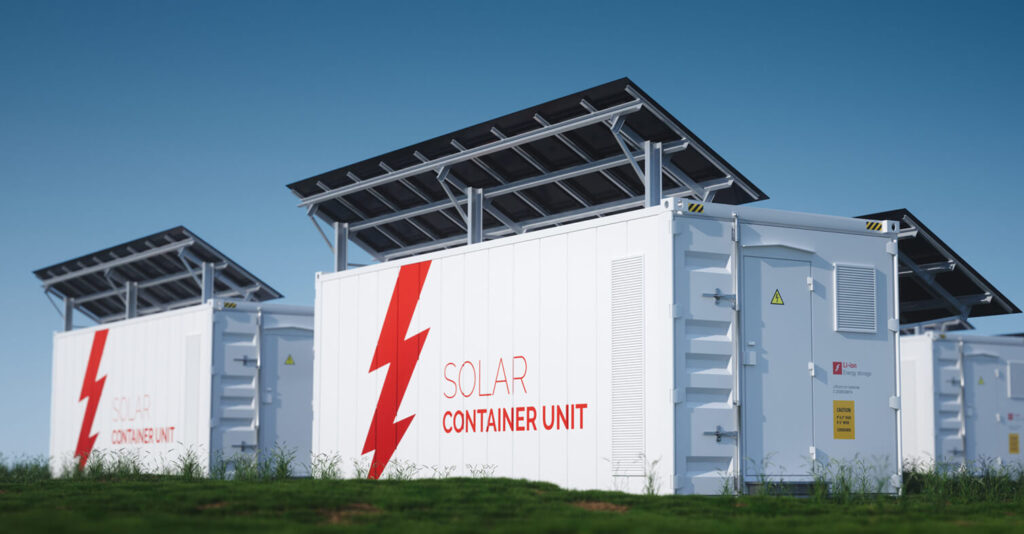
- Integration of energy storage: With the development of efficient and cost-effective energy storage solutions, the integration of solar panels with battery storage systems is likely to become more prevalent. Homeowners will be able to do this to store excess solar energy for use during times of insufficient sunlight or high demand.
- Smart grid integration: The integration of solar energy systems with smart grid technology will enable more efficient management of electricity generation and consumption. This will allow homeowners to optimize their energy usage and potentially participate in grid-balancing programs, providing benefits to both homeowners and the electric grid.
- Supportive policies and incentives: To achieve California’s clean energy goals, it is anticipated that the state will continue to implement supportive policies and incentives for solar energy. This may include financial incentives, tax credits, and streamlined permitting processes, making it easier and more financially viable for homeowners to install solar energy systems.
- Technological advancements: Ongoing advancements in solar panel efficiency, durability, and aesthetics are expected to continue, further enhancing the attractiveness of solar energy systems for homeowners. Innovations in solar panel design, such as photovoltaic windows or flexible solar panels, may open up new possibilities for integrating solar energy into residential properties.