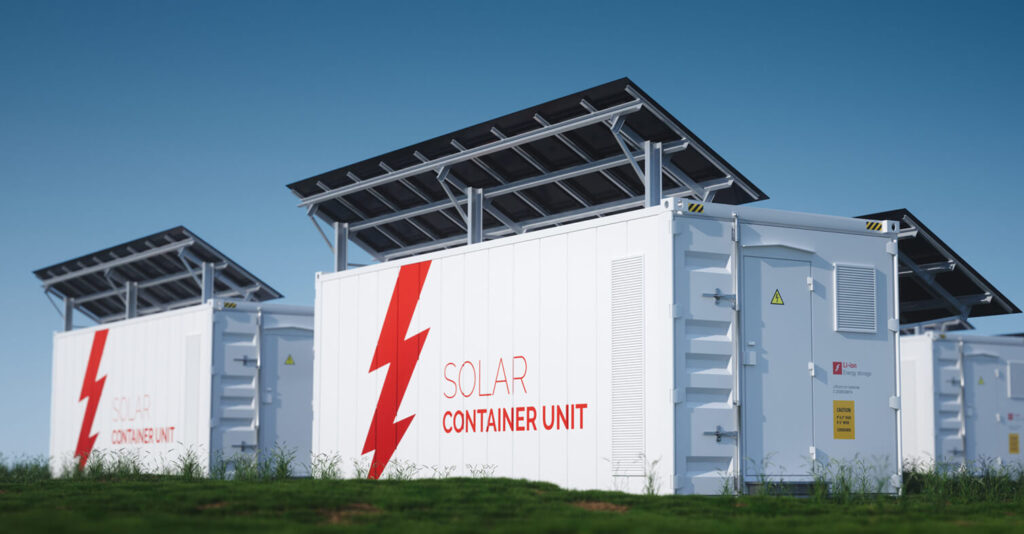
Solar Energy and Traditional Energy
Solar energy is derived from the sun’s rays and is considered renewable. It involves using solar panels to convert sunlight into electricity for various applications.
On the other hand, traditional energy sources are primarily obtained from finite fossil fuels, such as coal, oil, and natural gas. These fuels are burned to generate heat and then used to produce electricity.
Significance of the Comparison
Comparing solar and traditional energy sources is essential for individuals and businesses looking for sustainable and cost-effective options. By understanding the differences between these energy sources, consumers can make informed decisions that align with our needs and values.
Differences Between Solar Energy and Traditional Energy
Energy Sources
Solar energy: Derived from the sun’s rays, a renewable source that will never run out.
Traditional energy: It is primarily obtained from finite fossil fuels, such as coal, oil, and natural gas, which will eventually be depleted.
Environmental Impact
Solar energy has a much smaller environmental impact than traditional energy sources. It produces no greenhouse gas emissions during operation and reduces reliance on fossil fuels, minimizing air and water pollution.
Traditional energy contributes to air and water pollution by releasing greenhouse gases and other harmful pollutants. The extraction, transportation, and combustion of fossil fuels also harm ecosystems and human health.
Costs
Solar energy: Although the initial installation costs may be relatively high, the running costs are significantly lower than traditional energy. The long-term savings on energy bills can outweigh the initial investment.
Traditional energy: Relatively lower initial installation costs but higher long-term operational costs due to the need for constant fuel supply and maintenance. The unpredictable nature of fossil fuel prices can also impact energy costs.
Reliability
Solar energy: Reliability depends on the availability of sunlight. Cloudy days or shaded areas can reduce energy production. However, advancements in energy storage technology, such as batteries, improve reliability by allowing excess energy to be stored for later use.
Traditional energy is relatively more reliable as it is not dependent on weather conditions. However, fuel supply or infrastructure disruptions can still cause energy generation interruptions. Implications.
Solar Energy
Advantages of Solar Energy
Renewable Source: Solar energy is derived from the sun’s rays, which will never run out. This makes it a sustainable and renewable source of energy.
Environmentally Friendly: Solar energy has a minimal environmental impact compared to traditional energy sources. It does not produce greenhouse gas emissions or contribute to air pollution.
Energy Independence: By installing solar panels, individuals and businesses can generate electricity and reduce reliance on traditional energy sources. This provides energy independence and can lead to cost savings in the long run.
Low Operating Costs: Once initial installation costs are covered, solar energy has low operating costs. There are no fuel expenses, and maintenance requirements are minimal.
Disadvantages of Solar Energy
Intermittent Availability: Solar energy depends on sunlight, which means it is unavailable during cloudy days or at night. This requires using energy storage systems or connecting to the traditional power grid.
High Initial Costs: Installing solar panels can be expensive upfront. While long-term savings can be significant, the initial investment may deter some individuals and businesses.
Space Requirements: Solar panels require significant space for installation, which can be a limitation in urban areas or homes with limited roof space.

Traditional Energy
Advantages of Traditional Energy
Established Infrastructure: Traditional energy sources have well-established infrastructure, making them readily available and accessible.
Energy Storage: Fossil fuel-based energy sources can be stored for later use, allowing for a continuous energy supply even during high demand or when renewable sources are unavailable.
Disadvantages of Traditional Energy
Finite Resources: Traditional energy sources, such as coal, oil, and natural gas, are finite and will eventually be depleted. This raises concerns about future energy security.
Environmental Impact: Traditional energy sources contribute to air and water pollution and carbon dioxide emissions, contributing to climate change.
Price Volatility: The prices of traditional energy sources can be volatile due to factors such as geopolitical events, supply and demand, and extraction costs.
Dependency on Imports: Many countries rely on imported fossil fuels, which makes them susceptible to price fluctuations and geopolitical tensions.
Traditional Energy
Advantages of Traditional Energy
Established Infrastructure: Traditional energy sources have well-established infrastructure, making them readily available and accessible. Individuals and businesses can easily access and use traditional energy sources without additional installations or modifications.
Energy Storage: One advantage of traditional energy sources is the ability to store energy for later use. Fossil fuels, for example, can be stored in tanks or underground facilities, allowing for a continuous energy supply even during times of high demand or when renewable sources are not available.
High Energy Density: Traditional energy sources have a higher energy density than renewable sources. This means we can produce more energy from a smaller fuel volume, making them more efficient.
Disadvantages of Traditional Energy
Finite Resources: Traditional energy sources, such as coal, oil, and natural gas, are finite and will eventually be depleted. This raises concerns about future energy security and the need to transition to renewable sources in the long run.
Price Volatility: The prices of traditional energy sources can be volatile and subject to market fluctuations. Factors such as geopolitical events, supply and demand dynamics, and extraction costs can significantly influence energy prices, making them less predictable than solar energy.

Summary of Key Points
– Solar energy is a renewable source that will never deplete, while traditional energy sources are derived from finite fossil fuels.
– Solar energy has a much smaller environmental impact than traditional energy sources.
– Solar energy can be used in various applications such as residential, commercial, agricultural, transportation, and remote areas.
– Traditional energy sources are used for electricity generation, transportation, industrial processes, and heating/cooling.
– Transitioning to solar energy and other renewable sources can help mitigate environmental concerns and ensure a more sustainable energy future.
Evaluation of the Preferred Energy Source
Solar energy is more sustainable and environmentally friendly than traditional energy sources. Its ability to harness the sun’s rays, a renewable source, ensures an unlimited energy supply. Moreover, solar energy has a significantly smaller carbon footprint and does not produce harmful emissions like fossil fuels.
Transitioning to solar energy and other renewable sources is crucial to address these concerns. Governments, businesses, and individuals should invest in solar energy infrastructure and promote its adoption. This will reduce the environmental impact and create a more sustainable and resilient energy future.
In conclusion, solar point is preferred due to its renewable nature, more minor environmental impact, and wide range of applications. By embracing solar energy, we can move towards a cleaner, more sustainable future and reduce our dependence on finite fossil fuels.