What are grid-tied solar systems?
A grid-tied solar system, also known as a grid-connected solar system, is a solar power system connected to the electrical grid. It comprises solar panels, an inverter, and sometimes a battery storage system.
The solar panels convert sunlight into electricity, which is then used to power the home or business. Any excess electricity generated by the solar panels can be fed back into the grid. Sometimes, homeowners may even receive credits or payments for the electricity they contribute to the grid.
Benefits of grid-tied solar systems
There are several benefits to installing a grid-tied solar system:
1. Cost savings: A grid-tied solar system can significantly reduce or even eliminate your electricity bills. By generating your electricity from solar power, you can rely less on electricity from the grid, resulting in substantial cost savings over time.
2. Environmental friendliness: Grid-tied solar systems produce clean, renewable energy from the sun, reducing the reliance on fossil fuels and decreasing greenhouse gas emissions. Choosing a grid-tied solar system can contribute to a greener, more sustainable future.
3. Net metering: Net metering is a program many utility companies offer that allows grid-tied solar system owners to receive credits or payments for the excess electricity they generate. If your solar panels produce more electricity than you consume, the excess electricity is fed back into the grid, and you receive credits or payments for the electricity you contribute. This can further offset your electricity costs and provide additional income.
Components of a Grid-Tied Solar System
Solar panels
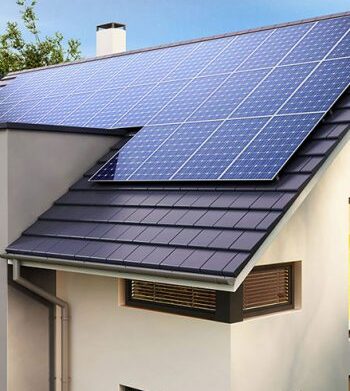
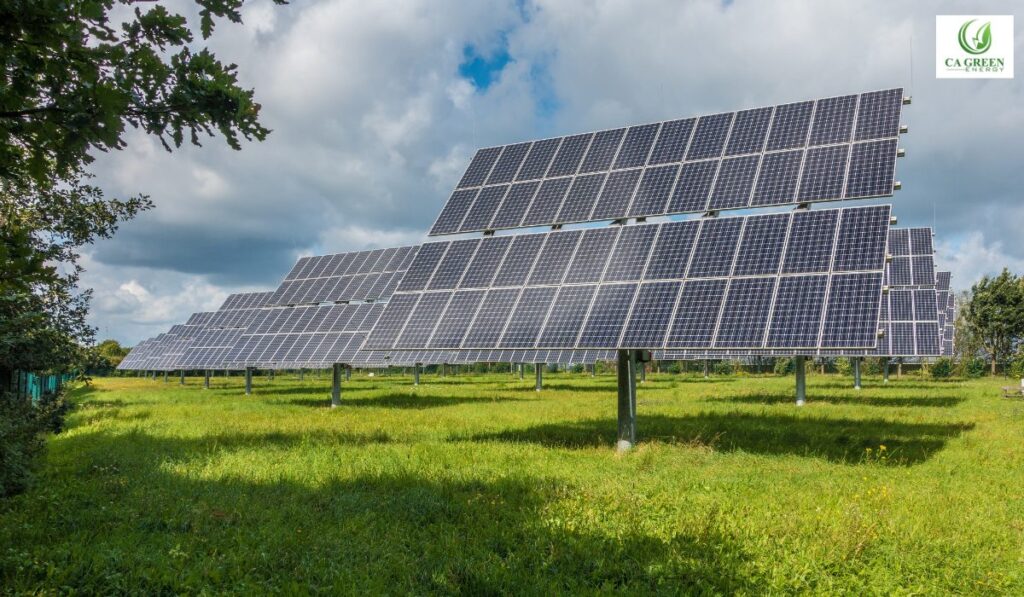
Solar panels are the primary component of a grid-tied solar system. These panels consist of photovoltaic cells that convert sunlight into electricity. They are usually installed on the roof or in an area with maximum sun exposure. Solar panels can vary in size and capacity, depending on the energy requirements of the household or business.
Grid-tie inverter
A grid-tie inverter is an essential component of a grid-tied solar system. Its primary function is to convert the solar panels’ direct current (DC) electricity into alternating current (AC) electricity, which is compatible with the electrical grid.
String combiner box
A string combiner box is another component commonly used in grid-tied solar systems. It houses a series of solar panel strings and acts as a junction box for the wiring. The combiner box also protects the wiring connections from weather elements and provides fuses or circuit breakers for safety.
Electric meter
In a grid-tied solar system, an electric meter (bi-directional or net meter) is installed to measure energy consumption and generation. This meter records the solar system’s power output fed into the grid and the electricity consumed from the grid when the solar system is not providing sufficient power. The difference between these two readings determines the net energy consumption.
Utility grid
The utility grid plays a crucial role in a grid-tied solar system. It serves as the backup source of electricity when the solar system is not generating enough power (e.g., during nighttime or cloudy days).
How Grid-Tied Solar Systems Work
Connecting to the primary electricity grid
Grid-tied solar systems are designed to connect directly to the primary electricity grid. This means that when the solar panels generate electricity, it can either be used immediately by the household or business or fed back into the grid for others to use.
The connection to the grid is made through the grid-tie inverter, which converts the direct current (DC) electricity from the solar panels into alternating current (AC) electricity that is compatible with the grid.
Utilizing power from the solar array
When the sun is shining, and the solar panels generate electricity, the power can run appliances and electrical devices in the household or business.
Advantages of Grid-Tied Solar Systems
Lower electricity bills
The primary advantage of a grid-tied solar system is the significant reduction in electricity bills. By generating your electricity with solar panels and feeding any excess energy back into the grid, you can offset your energy consumption from the utility company, resulting in substantial savings on your monthly electricity bills.
Advantages of Grid-Tied Solar Systems
Lower electricity bills
Investing in a grid-tied solar system can significantly reduce your electricity bills. You generate your electricity with solar panels, and any excess energy is fed back into the grid.
This allows you to offset your energy consumption from the utility company, resulting in substantial savings on your monthly bills.
Considerations for choosing a grid-tied system for your home or business
When considering a grid-tied solar system, it is essential to keep a few factors in mind:
Backup power: Grid-tied systems do not provide backup power during grid outages. If having power during outages is essential to you, a hybrid system with battery storage may be a better option.
Financing and incentives: Government incentives, such as the Federal Investment Tax Credit, can help reduce the upfront cost of a grid-tied system. Additionally, various financing options, such as loans or power purchase agreements, are available to make the system more affordable.
Overall, grid-tied solar systems offer a reliable and cost-effective way to offset your electricity bills and contribute to renewable energy generation. By choosing a grid-tied system and taking advantage of available incentives and financing options, you can positively impact your wallet and the environment.