Solar power is a sustainable and renewable energy source recently gaining popularity. While solar panels are designed to absorb sunlight and convert it into electricity, many wonder if we can still generate power at night. In this blog post, we will explore the concept of using solar energy at night and discuss its feasibility.
Overview of using solar energy at night in California
California is known for its abundant sunshine, making it an ideal location for harnessing solar power. However, the amount of sunlight available at night is limited.
Solar panels rely on sunlight to generate electricity, so solar energy production at night is a complex challenge.
Importance of finding alternative energy sources
Finding alternative sources of energy is crucial for a sustainable future. The reliance on fossil fuels for power generation has led to environmental issues such as air pollution and climate change.
Solar energy is a clean and renewable energy source that can help reduce our dependence on fossil fuels. Exploring the potential of using solar energy at night can further enhance the benefits of solar power. Now, let’s explore the challenges and possibilities of solar power at night.
Understanding Net Metering
Explanation of net metering and how it works
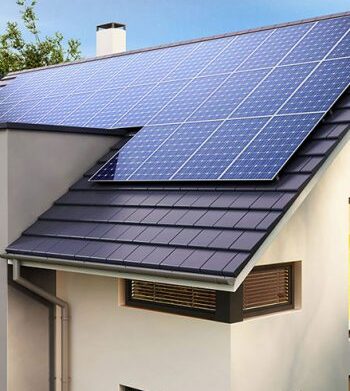
Net metering is a billing arrangement that allows residential solar customers to receive credit for the excess electricity we generate from solar panels and send them back to the grid. It is a simple concept with significant benefits for the environment and the customers. Here’s how net metering works:
1. Solar panels generate electricity: When the sun shines on the solar panels installed on your rooftop, we convert the sunlight into electricity. This generated electricity can power your home’s appliances and meet your electricity needs.
2. Excess electricity is sent back to the grid: If your solar panels generate more electricity than your home needs, the excess is sent back to the grid. This surplus power is usually sent back during the daytime when the sun is at its peak, and your electricity demand is lower.
3. Credit for excess electricity: You receive credits for the excess electricity you send back to the grid through net metering. These credits are applied to your electricity bill and can be used to offset the cost of electricity you consume during periods when your solar panels aren’t generating enough power, like at night or on cloudy days.
4. Paying only for the net electricity usage: With net metering, you only pay for the difference between the electricity you consume from the grid and the electricity you generate and send back to the grid. This means that if you generate more electricity than you consume in a given month, you could have a surplus of credits that can be carried forward and used in future months.
Benefits of net metering for residential solar customers
Net metering offers several benefits for residential solar customers:
1. Lower energy bills: By generating your electricity, you can reduce your reliance on the grid and lower your energy bills. With net metering, you can offset the cost of electricity you consume from the grid with credits earned from the excess electricity you send back. This can lead to significant savings over time.
2. Environmental sustainability: Solar power is a clean and renewable energy source that helps reduce greenhouse gas emissions. Investing in solar panels and participating in net metering contributes to a more sustainable future by reducing your carbon footprint.
3. Energy independence: With net metering, you can become more independent by producing electricity. This gives you greater control over your energy usage and reduces your vulnerability to increases in utility rates.
4. Return on investment: Investing in solar panels can provide a return on investment over time. The savings on energy bills and the credits earned through net metering can offset the initial cost of installing the solar panels. Additionally, some states offer incentives and tax credits for residential solar installations, further enhancing the financial benefits.
California’s New Compensation System
Details of California’s new residential solar compensation system
California has implemented a new residential solar compensation system to change how solar customers are compensated for the energy they produce and use. Under this new system, homeowners can earn credits for the excess electricity they generate from solar panels and send them back to the grid.
One of the critical changes in this new compensation system is the ability for solar power customers to size rooftop systems to 150% of current electricity usage. This will allow homeowners to accommodate the future electrification of appliances and personal transportation, enabling them to take full advantage of the benefits of solar power.
Changes in compensation for solar energy produced and used at night
Under the new net metering rules, solar energy produced and used at night is compensated differently. Previously, solar customers could receive a credit for excess electricity generated during the day and sent back to the grid. This credit could then be used to offset the electricity consumed at night.
However, under the new system, solar customers will be compensated differently for the energy produced and used at night. Instead of receiving a credit for excess electricity sent back to the grid during the day, homeowners will pay the regular retail rate for the electricity consumed at night.
Solar Battery Storage Solutions
Introduction to solar battery storage systems
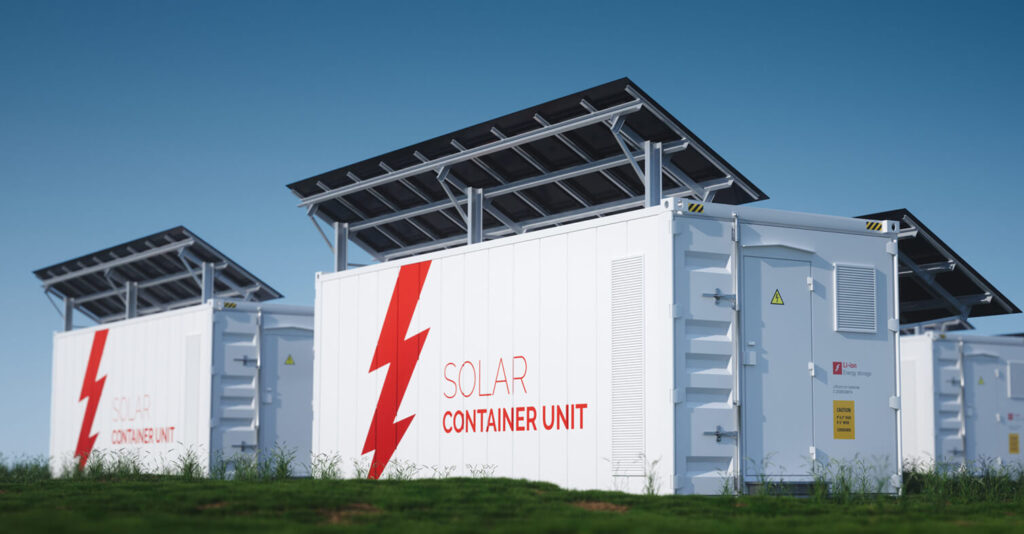
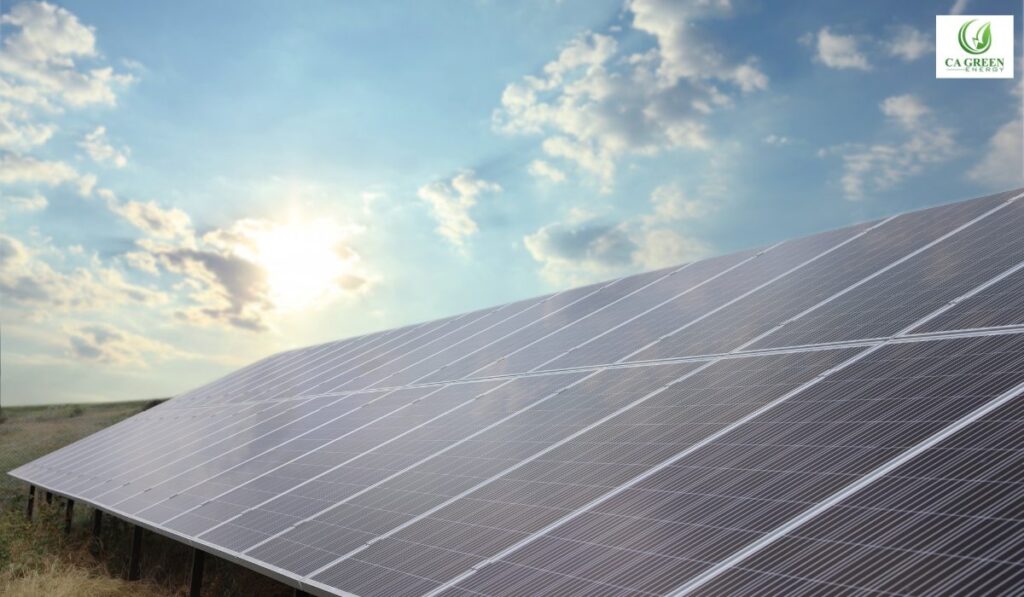
Solar battery storage systems are becoming increasingly popular among residential solar customers in California. These systems allow homeowners to store excess energy generated by solar panels during the day and use it during nighttime or periods of high energy demand. By pairing solar panels with battery storage, homeowners can maximize the value of solar investment and further reduce reliance on the grid.
Advantages of using solar batteries to store excess energy for nighttime use
1. Energy independence and resilience: With solar batteries, homeowners can have greater control over energy usage and become more independent from the grid. Solar battery systems can provide backup power during power outages or grid disruptions, ensuring that essential appliances and devices continue functioning.
2. Lower energy costs: By storing excess solar energy and using it during nighttime or periods of high energy demand, homeowners can further reduce reliance on purchasing electricity from the grid. This can lead to additional cost savings and lower energy bills.
3. Environmental benefits: Pairing solar panels with battery storage promotes environmental sustainability by maximizing clean, renewable energy use. By reducing reliance on fossil fuel-based power plants, homeowners can contribute to a cleaner and greener future, reducing greenhouse gas emissions and combating climate change.
4. Optimization of solar investment: Solar batteries allow homeowners to maximize their solar investment. By storing excess energy that would otherwise be sent back to the grid, homeowners can maximize the value of the electricity they generate and reduce the payback period for their solar panel installation.
5. Grid support and resilience: When more homeowners pair solar systems with battery storage, the grid becomes more resilient and efficient. Batteries can store excess solar energy during periods of low demand and release it back to the grid during peak demand times, reducing strain on the system and enhancing grid stability.
Maximizing Solar Energy Production
Tips for maximizing solar energy production during daylight hours
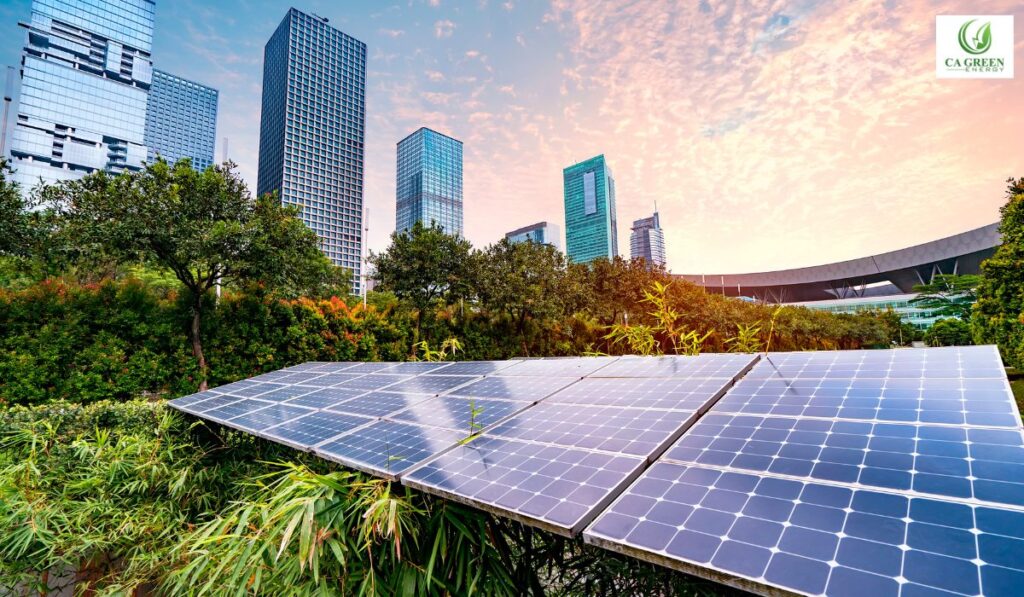
1. Proper Placement: Ensure that your solar panels are installed in a location that receives ample sunlight throughout the day. We should be facing south to maximize exposure to the sun. Avoid shading from trees, buildings, or other obstacles that could block sunlight.
2. Regular Cleaning and Maintenance: Keep your solar panels clean and debris-free to ensure maximum efficiency. Regularly inspect them for any damage or defects that may affect performance. It is recommended to clean the panels with a soft cloth and mild detergent, avoiding using abrasive cleaners.
3. Angle Adjustment: Depending on your geographical location, adjusting the tilt angle of your solar panels can optimize energy production. In the summer, a steeper angle will allow for increased sunlight absorption, while a shallower angle in the winter can help capture more sunlight during shorter days.
4. Monitoring and Optimization: Utilize a solar monitoring system to track the performance of your solar panels. This can help you identify any issues or deviations from expected energy production. Additionally, consider investing in energy optimization tools, such as inverters or optimizers, to maximize the efficiency of your solar panels.
Discussion on the cost-effectiveness of utilizing solar energy at night
Several factors must be considered when evaluating the cost-effectiveness of using solar energy at night. These include the initial investment in solar panels, the cost of battery storage systems, and the potential savings on electricity bills over time.
In addition, advancements in solar battery storage technology have made storing excess energy generated during the day for use at night more cost-effective. While battery storage systems add to the upfront costs of a solar energy system, we can provide peace of mind and further reduce dependence on the grid.
Comparison between electricity rates and savings from solar energy systems
To better understand the cost-effectiveness of nighttime solar energy, let’s compare the electricity rates and potential savings from solar energy systems.
It is also worth mentioning that various government incentives and tax credits are available for solar energy systems, further reducing the overall cost of installation. These incentives help make solar energy a more financially viable option for homeowners.
Prospects for the utilization of renewable energy sources
- Advanced solar panel technology and battery storage systems make solar energy more accessible and reliable.
- Continued development and adoption of renewable energy sources like solar panels are crucial in transitioning to a greener and more sustainable future.
- Government incentives and policies that promote renewable energy can further drive the growth of solar energy systems.
- Integrated renewable energy solutions, such as combining solar panels with battery storage or other renewable sources, can help overcome the challenges of generating electricity at night.