Introduction of Off-Grid Solar Systems
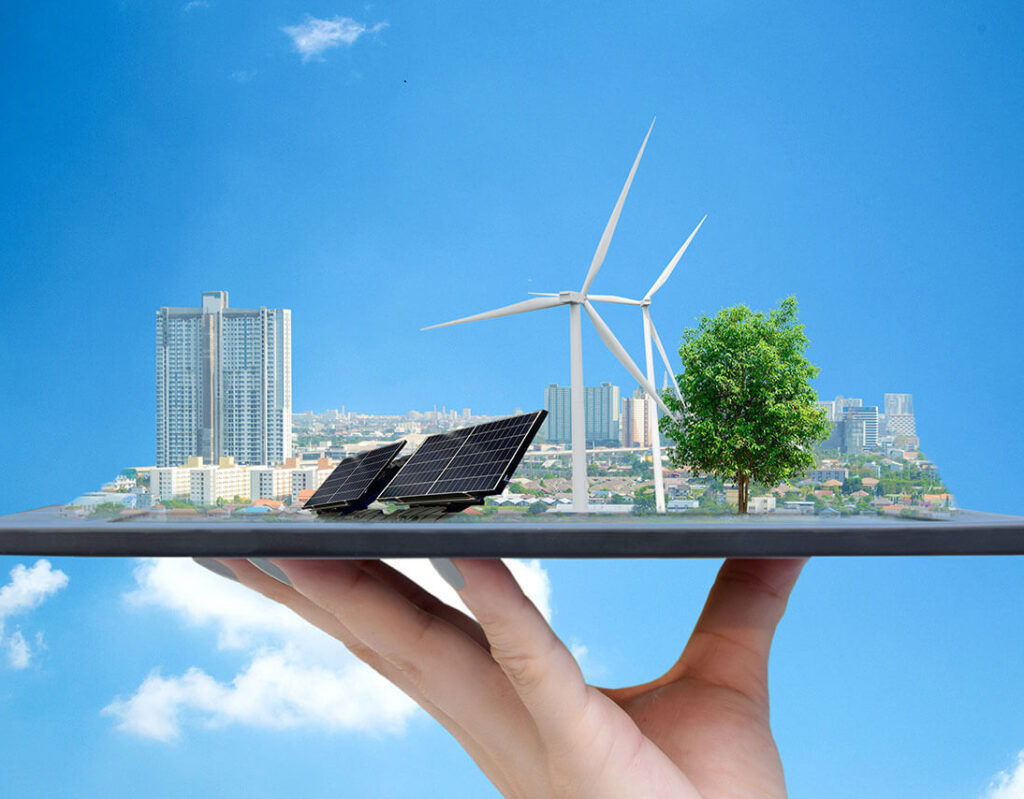
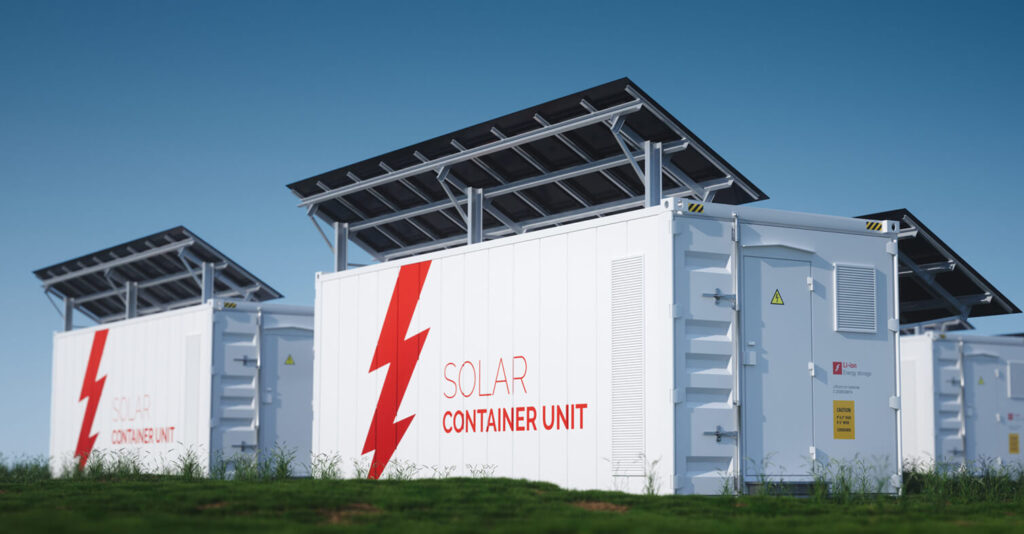
Off-grid solar systems are standalone power systems that operate independently from the electricity grid. They consist of solar panels, charge controllers, inverters, and batteries. These systems harness the sun’s energy, convert it into electricity, and store it in batteries when the sun is not shining.
Advantages of Off-Grid Solar Systems
- Off-grid solar systems offer several advantages, making them an ideal choice for those living in remote locations or wanting to reduce their dependence on the grid:
- Energy Independence: Off-grid solar systems allow you to generate electricity and live independently and away from traditional power sources.
- Cost Savings: Going off the grid can save money on utility bills as you won’t rely on the grid for electricity. Additionally, with the availability of net metering, you can even earn credits or sell excess electricity you generate back to the grid.
- Environmental Benefits: Off-grid solar systems are eco-friendly as they rely on renewable energy from the sun. Solar power can reduce your carbon footprint and create a cleaner and greener environment.
- Versatility: Off-grid solar systems come in various sizes and configurations, allowing you to choose the system that best suits your power needs. Whether you have a small cabin or a large home, an off-grid solar kit is available to meet your requirements.
Components of an Off-Grid Solar System
Solar panels and their efficiency
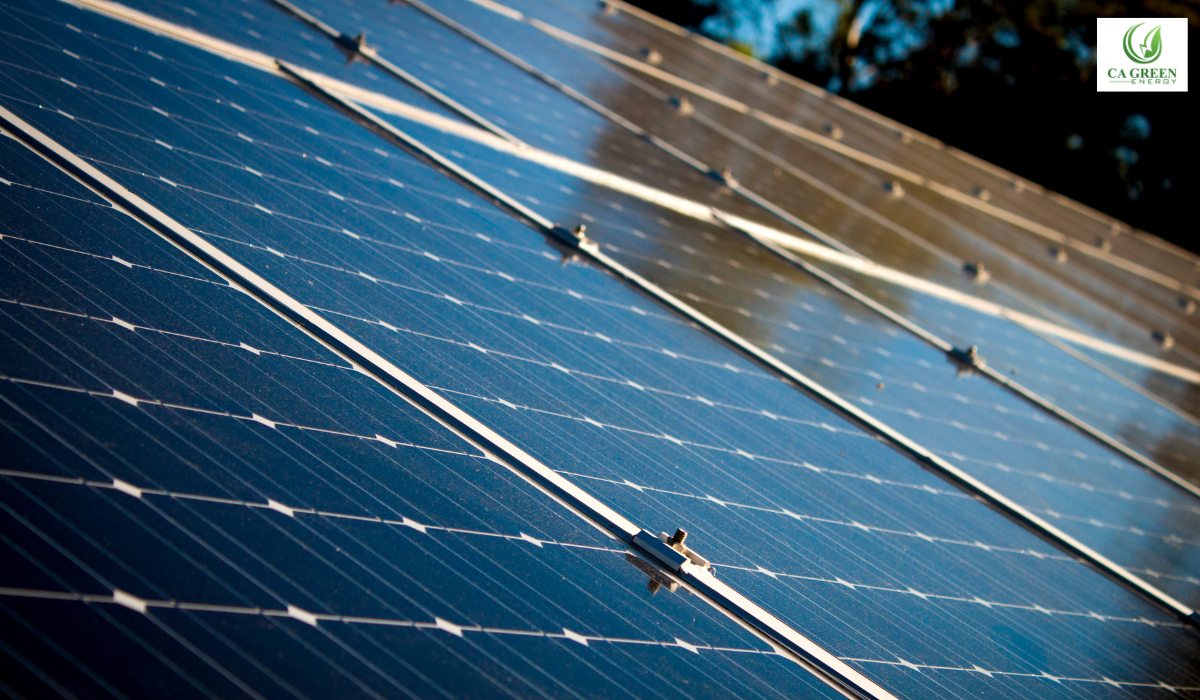
When it comes to off-grid solar systems, the most crucial component is the solar panels. These panels convert sunlight into electricity, which can then be used to power your cabin, home, RV, or any other remote location. The efficiency of the solar panels determines how much electricity they can generate from the available sunlight.
Battery storage and capacity
Another important component of an off-grid solar system is battery storage. This is where the excess electricity generated by the solar panels is stored for later use, mainly when sunlight is unavailable. The capacity of the batteries determines how much energy can be stored and used when needed.
Assess your energy requirements and budget before selecting the most suitable kit for your off-grid location. With the right system, you can enjoy reliable and sustainable power wherever you are.
Sizing an Off-Grid Solar System
Considerations for seasonal variations
When sizing an off-grid solar system, it is essential to consider the seasonal variations in sunlight. The amount of sunlight available may vary throughout the year, with shorter days and less sunlight in winter compared to summer.
To ensure a reliable power supply, it is advisable to size the system to meet the energy needs during the months with the least sunlight.
Off-grid solar Inverters and Charge Controllers
Types of inverters and their functions
When setting up an off-grid solar system, an inverter is essential. The inverter converts the DC (direct current) electricity produced by the solar panels into AC (alternating current) electricity, which can be used to power appliances and devices.
Importance of charge controllers
A charge controller is crucial in an off-grid solar system. It regulates and protects the batteries from overcharging or discharging. It monitors the batteries’ state of charge and ensures that they operate within safe voltage limits.
The charge controller also prevents excessive current from flowing through the batteries, which can damage them and reduce their lifespan.
Wiring and connecting the system components
Proper wiring and connection of the system components are essential for efficiently operating your off-grid solar system. Here’s a step-by-step guide:
1. Start with the solar panels: Connect each panel’s positive and negative leads in series or parallel to achieve the desired voltage and current. Use appropriate wiring and connectors to ensure a secure and reliable connection.
2. Connect the charge controller: Wire the output of the solar panels to the charge controller, ensuring that the polarity is correct. Follow the manufacturer’s instructions for the specific model of charge controller.
3. Connect the batteries: Attach the positive and negative terminals of the batteries to the charge controller. Again, pay attention to the polarity to avoid damaging the system components.
4. Install the inverter: Wire the charge controller’s output to the inverter’s input inverter’s input. Ensure that the inverter can handle the maximum load of your appliances and devices.

Off-Grid Solar System Financing and Incentives
Options for financing an off-grid solar system
When it comes to financing an off-grid solar system, several options are available. Here are some standard options:
1. Out-of-pocket: Paying for the system upfront with your funds is the most straightforward option. While this may require a significant initial investment, it allows you to eliminate ongoing monthly payments and start saving on your electricity bills immediately.
2. Solar loans: Many financial institutions offer solar-specific loans to finance your off-grid solar system. These loans typically have lower interest rates and longer repayment terms than traditional loans, making them an attractive option for many homeowners.
3. Solar leases: With a solar lease, you can “rent” the solar panels and equipment from a solar installation company. The company will install and maintain the system for you in exchange for a monthly lease payment. While you won’t own the system, you can still enjoy the benefits of solar energy at a lower upfront cost.
Future developments in off-grid solar technology
The future of off-grid solar technology looks promising, with ongoing developments focused on improving efficiency, storage capacity, and affordability. Some potential advancements include:
- More efficient solar panels: Research and development efforts aim to create solar panels that absorb more sunlight and convert it into electricity more efficiently.
- Advanced battery technologies: The development of better and more affordable battery technologies will enhance energy storage capabilities and improve the reliability of off-grid solar systems.
- Integration with intelligent grid systems: Future off-grid solar systems may integrate with innovative grid technologies, allowing for better energy management and grid-connected features.
By staying informed about these advancements and considering the best practices from successful case studies, you can make informed decisions when implementing off-grid solar systems for your specific needs. Start your sustainable energy journey and embrace the benefits of off-grid solar power today.