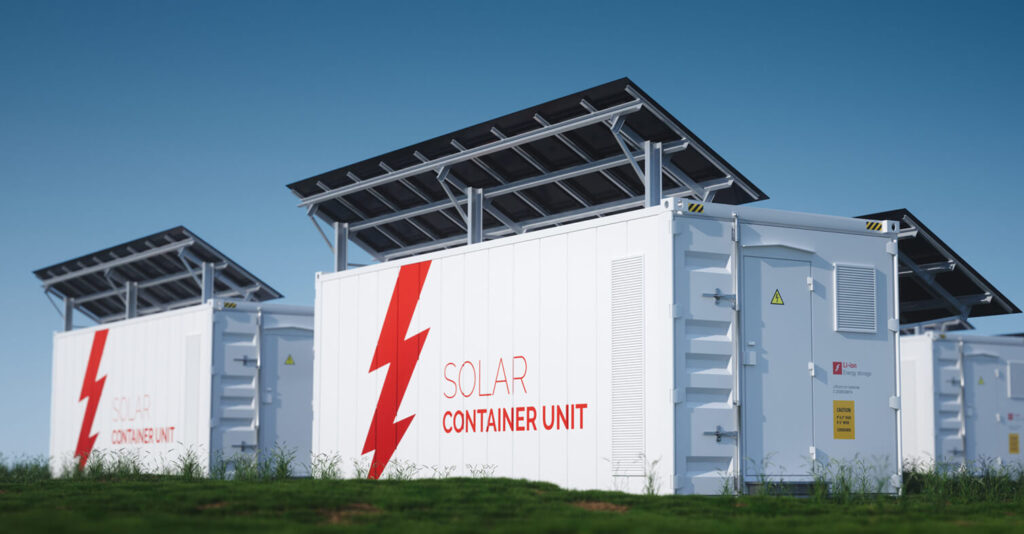
Solar panels are becoming an increasingly popular choice for homeowners looking to reduce their reliance on traditional energy sources and lower their electricity bills. However, installing solar panels can be a significant upfront investment. The good news is that several solar financing options are available to help make solar panels more affordable for homeowners. In this article, we will explore the different financing options and their benefits.
Solar Panel Financing Options
When it comes to financing solar panels, homeowners have several options to choose from:
1. Solar Loans: A solar loan financing option allows homeowners to borrow money to install solar panels. These loans often come with favorable interest rates and flexible repayment terms. By opting for a solar loan, homeowners can spread out the cost of their solar panel installation over several years.
2. Solar Lease: With a solar lease, homeowners can rent solar panels and pay a fixed monthly fee to the solar panel provider. This option is desirable for homeowners who do not want to make a significant upfront investment. However, it’s important to note that with a solar lease, homeowners do not own the panels and may not be eligible for specific incentives or tax credits.
3. Power Purchase Agreement (PPA): A PPA is a contract between the homeowner and a solar panel provider. With a PPA, the homeowner agrees to purchase the electricity the solar panels generate at a predetermined rate. This can be a beneficial option for homeowners who want to save money on their energy bills without the responsibility of owning and maintaining the solar panels.
Importance of Financing for Solar Panel Installation
Financing options for solar panel installation are essential because they allow homeowners to take advantage of solar power’s financial and environmental benefits. Some of the key advantages of installing solar panels include:
1. Lower Energy Bills: Solar panels generate electricity from sunlight, which can help homeowners reduce their reliance on traditional energy sources and lower their monthly energy bills.
2. Increased Home Value: Homes equipped with solar panels are often considered more valuable in the real estate market. Buyers are attracted to the potential energy savings associated with solar panels, making solar-powered homes more marketable.
3. Environmental Benefits: Solar panels produce clean energy without emitting harmful greenhouse gases or pollutants. Homeowners can reduce their carbon footprint by installing solar panels and contributing to a more sustainable future.
Personal Loans
Advantages and Disadvantages of Personal Loans for Solar Panels
Personal loans can be an excellent option for financing your solar panels. Here are some advantages and disadvantages to consider:
Advantages:
- Flexibility: Personal loans allow you to use the funds for any purpose, including purchasing solar panels.
- Lower interest rates: Personal loans typically have lower rates than other financing options, such as credit cards.
- Quick funding: If you qualify for a personal loan, you can receive the funds quickly, allowing you to start your solar panel project sooner.
- No collateral required: Personal loans are unsecured, so you don’t have to put up any collateral, such as your home or car.
Disadvantages:
- Credit requirements: Good credit scores may be required to qualify for personal loans. You may have difficulty securing a personal loan if your credit score is low.
- Repayment terms: Personal loans typically have fixed repayment terms ranging from one to seven years. Before taking out a personal loan, ensure you can comfortably afford the monthly payments.
- Potential fees: Some personal loans may have origination fees or prepayment penalties. Before committing, be sure to review the terms and conditions of the loan.
How to Apply for a Personal Loan for Solar Panels
Applying for a personal loan for solar panels is a straightforward process. Here’s how to get started:
1. Research and compare lenders: Research different lenders and compare their interest rates, loan terms, and eligibility requirements. Look for lenders that specifically offer loans for solar panel installations.
2. Check your credit score: Before applying for a personal loan, check your credit score. If your score is lower than expected, improve it before applying to increase your chances of approval.
3. Gather necessary documents: Most lenders require documentation such as proof of income, bank statements, and identification. Prepare these documents in advance to speed up the application process.
4. Apply online or in person: Many lenders offer online applications, which can be more convenient and faster. Alternatively, you can apply in person at a local branch.
5. Review loan offers: After submitting your application, you’ll receive loan offers from different lenders. Take your time to review each offer, considering the interest rate, repayment terms, and any fees associated with the loan.
6. Choose the best loan offer: Once you’ve reviewed all the loan offers, choose the one that best fits your needs and financial situation.
7. Complete the application process: To finalize your loan, you’ll need to provide any additional documentation requested by the lender. After completing this step, the funds will be disbursed to you.
Before signing any agreements, read and understand the loan terms and conditions carefully. Please contact the lender for clarification if you have any questions or concerns.
By following these steps, you’ll be on your way to securing a personal loan for your solar panel installation.
Government Loan Programs
Government loan programs offer another financing option for solar panels. These programs are designed to make solar energy more accessible and affordable for homeowners. Here’s an overview of some popular government loan programs:
- Federal Housing Administration (FHA): Title I loans are available for home improvements, including solar panel installations. The loan maximum is $25,000 for a single-family residence and $60,000 for a multi-family residence. The repayment term can be up to 20 years.
- Property Assessed Clean Energy (PACE) loans: PACE programs allow homeowners to finance energy-efficient upgrades, including solar panels, through property taxes. The loan is repaid over a set period, typically 5 to 20 years, through an additional property assessment.
- Department of Energy (DOE) loans and grants: The DOE offers various loan and grant programs to support renewable energy projects, including solar panel installations. These programs are typically targeted towards businesses, non-profits, and government entities.
Benefits of Government Loans
Government loans for solar panels offer several benefits and may have specific eligibility requirements. Here are some key points to consider:
- Low-interest rates: Government loans often have lower rates than other financing options, making them more affordable in the long run.
- Longer repayment terms: Government loans may offer longer repayment terms, giving homeowners more flexibility in budgeting their monthly payments.
- Tax incentives: Installing solar panels may make homeowners eligible for federal and state tax incentives, reducing the project’s overall cost.
Contractor Loans
How Contractor Loans Work for Solar Panel Installation
When it comes to financing solar panel installation, one option to consider is a contractor loan. These loans are specifically designed for homeowners who want to work directly with a solar panel contractor for their installation project. Here’s how contractor loans typically work:
- Loan approval process: The approval process for a contractor loan is often streamlined and quicker than that for traditional loans. The solar panel contractor will work closely with the lender to facilitate the loan application and approval process.
- Loan amount: The loan amount will depend on the cost of the solar panel installation. The contractor will provide an estimate for the project, including the cost of materials, labor, and any additional fees. The lender will then determine the loan amount based on this estimate.
- Loan terms: Contractor loans typically have fixed interest rates and repayment terms. However, the terms may vary depending on the lender, so reviewing and comparing different loan options is essential to find the most favorable terms.
Loan Rates and Terms
Factors Affecting Solar Panel Loan Rates
When considering financing options for solar panels, it’s essential to understand the factors that can affect the loan rates you may be offered. Here are some key factors to consider:
- Credit score: Your credit score significantly determines the interest rate you will qualify for. A higher credit score typically results in a lower interest rate, while a lower credit score may result in a higher rate.
- Loan amount and term: The loan amount you need and the repayment term you choose can also impact the loan rates. Generally, more significant loan amounts or longer repayment terms may result in higher rates.
- Type of loan: The type of loan you choose can also affect the interest rate. For example, government loan programs may offer lower rates than private lenders.
- Market conditions: Interest rates are also influenced by market conditions. If interest rates in the overall economy are low, you may be able to secure a lower rate for your solar panel loan.
Understanding Loan Terms and Repayment Options
In addition to loan rates, it’s essential to understand the terms and repayment options associated with solar panel financing. Here are some key points to consider:
- Repayment term: The loan repayment time will vary depending on the lender and the loan program. Choosing a repayment term that aligns with your financial goals and budget is essential.
- Monthly payment: Your payment will depend on the loan amount, interest rate, and repayment term. Use a loan calculator or speak with a loan officer to determine the estimated monthly payment for your solar panel loan.
- Prepayment penalties: Some loan programs may have prepayment penalties, which means you will be charged a fee if you pay off the loan early. Be sure to understand if there are any penalties associated with your loan and factor this into your decision-making process.
- Secured vs. unsecured loans: Solar panel loans can be secured. Secured loans require collateral, such as your home, while unsecured loans do not. Secured loans may offer lower interest rates but come with the risk of losing the collateral if you default.
- Additional fees: It’s essential to review the loan terms and conditions for any additional fees or charges that may apply. These can include application fees, origination fees, or closing costs.
Tax Credits and Incentives
Available Tax Credits and Incentives for Solar Panel Financing
When financing your solar panels, taking advantage of any available tax credits and incentives is essential to help offset the upfront cost. Here are some incentives to consider:
- Federal Investment Tax Credit (ITC): The ITC allows homeowners to deduct a percentage of the cost of their solar panel system from their federal taxes. As of 2021, the ITC offers a 26% credit for residential installations. This credit is set to decrease to 22% in 2023 and expire for residential installations in 2024, so it’s essential to act now to take full advantage of this incentive.
- State and local incentives: Many states and municipalities offer tax incentives for solar panel installations. These incentives can vary greatly depending on your location, so it’s essential to research what is available in your area. Some common incentives include cash rebates, property tax exemptions, and sales tax exemptions.
- Net metering: Net metering is a billing arrangement that allows homeowners with solar panels to receive credit for any excess electricity they generate and send back to the grid. This can help offset the cost of your electricity bill and increase your overall savings.
How to Maximize Tax Benefits for Solar Panel Installation
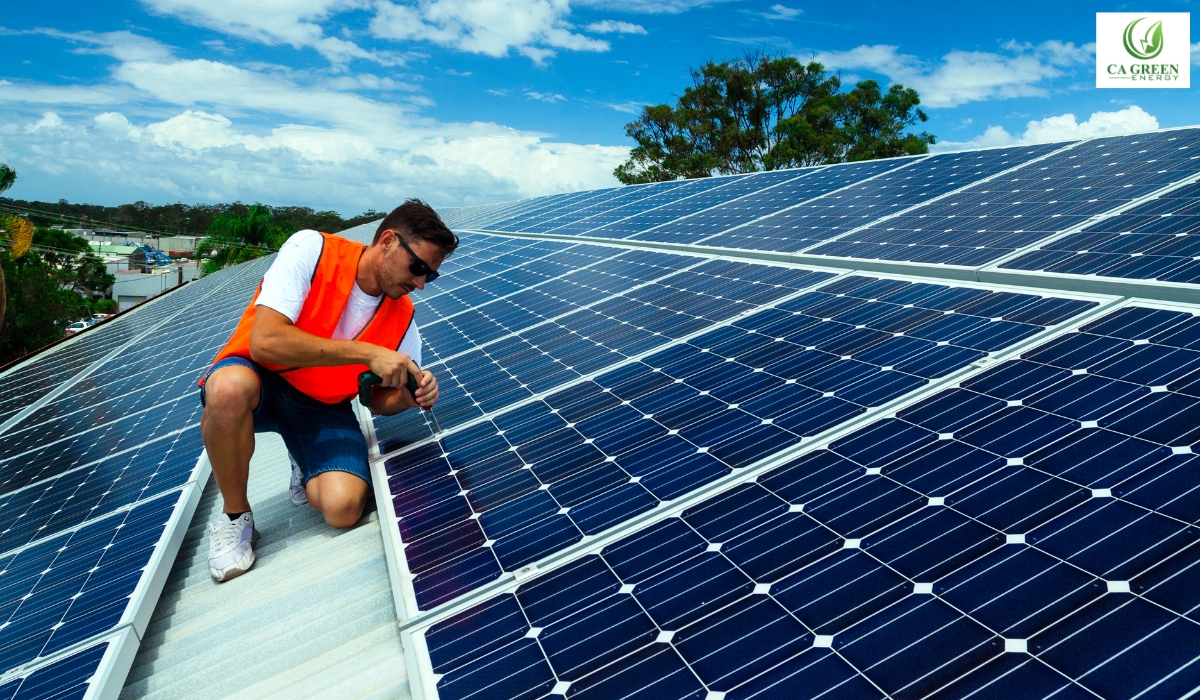
To maximize the tax benefits of your solar panel installation, here are some tips to keep in mind:
1. Consult with a tax professional: Taxes can be complex, especially regarding renewable energy incentives. Consulting with a tax professional can ensure you take full advantage of all available credits and deductions.
2. Keep thorough records: It’s essential to keep detailed records of your solar panel installation and associated costs, including receipts, invoices, and contracts. These records will be necessary when claiming tax credits and incentives.
3. Act before the deadlines: As mentioned earlier, the federal ITC is set to decrease and eventually expire for residential installations. Acting before these deadlines is essential to take full advantage of the credit.
4. Research state and local incentives: In addition to federal incentives, research any state and local incentives that may be available. These incentives can vary widely, so it’s essential to understand what is available in your area.
5. Consider financing options: Some lenders may offer specific solar panel installation options. These loans may have additional benefits, such as lower interest rates or extended repayment terms. Research different lenders and loan programs to find the best option for you.
Choosing the Right Financing Option for Solar Panel Installation
- Assess your financial situation: Evaluate your budget, credit score, and long-term financial goals to determine which financing option best meets your needs. Consider interest rates, repayment terms, and additional fees or charges.
- Compare different options: Research and compare various financing options, including loans, leases, and power purchase agreements. Understand the pros and cons of each option and choose the one that offers the most benefits for your situation.
- Seek professional advice: Consult with a financial advisor or loan officer to better understand the financing programs available. They can provide valuable guidance and help you navigate the intricacies of solar panel financing.
- Consider long-term savings: Look beyond the upfront costs and consider the long-term savings solar panels can provide. Calculate the potential energy savings over time and compare them to the financing costs. This will give you a better idea of the return on investment and the overall affordability of solar panel financing.
Final Thoughts on Solar Panel Financing
Solar panel financing offers a range of options that can make solar panels more affordable for homeowners. Whether you choose a loan, lease, or power purchase agreement, it’s essential to carefully evaluate your financial situation and consider your long-term goals. By doing thorough research, seeking professional advice, and carefully reviewing the terms and conditions, you can choose the financing option that best suits your needs and helps you achieve your solar power goals.
Remember that solar panel financing is a long-term commitment, so ensure that the terms and repayment options are manageable for you over the duration of the agreement. Solar panels help reduce your carbon footprint and provide long-term cost savings on your energy bills. With the right financing option, you can switch to solar energy and reap the benefits for years.