Solar energy and the need for solar panels
Solar energy is a renewable energy source that harnesses the sun’s power to generate electricity. Solar panels, or photovoltaic (PV) panels, are the critical components in this process. We are designed to absorb sunlight and convert it into usable energy.
Additionally, solar energy is abundant and accessible in many parts of the world. Unlike fossil fuels, which are limited and require extraction and transportation, sunlight is readily available and accessible. We can reduce our dependence on finite energy sources by harnessing this abundant resource and creating a more sustainable future.
Benefits of using solar panels for renewable energy
There are numerous benefits to using solar panels for renewable energy generation. Here are some key advantages:
1. Environmental sustainability: Solar panels produce electricity without emitting greenhouse gases or pollutants, making them an environmentally friendly choice. They contribute to reducing air pollution, mitigating climate change, and conserving natural resources.
2. Cost savings: Solar energy offers long-term savings by significantly reducing or eliminating electricity bills. While the initial investment in solar panels may seem high, they have a 25-30-year lifespan and require minimal maintenance, resulting in substantial savings over time.
3. Energy independence: By generating your electricity with solar panels, you can reduce reliance on the grid and become more self-sufficient. This is especially beneficial in regions with unreliable or expensive electricity, as solar energy provides a stable and cost-effective alternative.
4. Flexibility and scalability: Solar panels can be installed on rooftops, ground mounts, or even integrated into building materials, providing flexibility in their placement. They can be easily expanded or reconfigured as energy needs change, making them a scalable solution for any application.
5. Job creation and economic growth: The solar industry’s rapid growth has led to numerous job opportunities and economic development. Solar panel installation, manufacturing, and maintenance require a skilled workforce, driving employment and stimulating local economies.
Monocrystalline Solar Panels
Explanation of monocrystalline solar panels and their features
Monocrystalline solar panels, called single-crystal panels, are made from a single pure silicon crystal cut into several wafers. This manufacturing process is energy-intensive and inefficient, costing more than other solar panel types. However, the use of pure silicon gives monocrystalline panels distinct advantages.
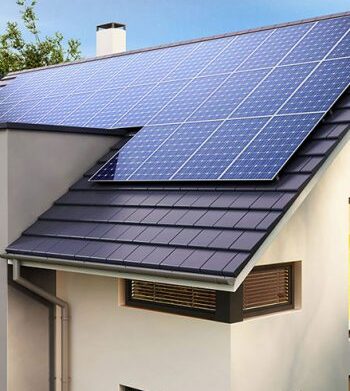
In addition to their dark color, monocrystalline panels are the most space-efficient of the three solar panel types. Their design allows for a higher power output per square meter of installation area, making them ideal for situations where space is limited or when maximum power generation is desired.
Advantages of monocrystalline solar panels over other types
Monocrystalline solar panels offer several advantages over other types of panels, including:
1. Higher efficiency: Monocrystalline panels have the highest efficiency among all solar panel types. Their ability to absorb more sunlight means they can generate more electricity for the same surface area than polycrystalline or thin-film panels. This results in a greater energy output and higher cost savings in the long run.
2. Greater space efficiency: Monocrystalline panels have a higher power output per square meter installation area. This makes them ideal for situations where space is limited or when maximum power generation is desired. Monocrystalline panels can provide the highest power output if you have a small roof or limited space for solar panel installation.
3. Longevity: Monocrystalline panels have a longer lifespan than other solar panel types. With proper maintenance and care, they can last for several decades. This means you can enjoy the benefits of solar power for extended periods without worrying about frequent replacements.
4. Aesthetically pleasing: The dark black color of monocrystalline panels gives them a sleek and modern appearance. They blend well with different architectural styles and are visually appealing. If aesthetics are a priority, monocrystalline panels can add value to your property.
Polycrystalline Solar Panels
Description of polycrystalline solar panels and their characteristics
Polycrystalline solar panels, also known as multi-crystalline panels, are made from silicon crystal fragments that are melted to form solar cells. This manufacturing process is less energy-intensive and more cost-effective than monocrystalline panels, so polycrystalline panels are generally cheaper.
Polycrystalline panels are slightly less efficient than monocrystalline panels. They typically have an efficiency rating between 15% and 17%, which is still considered reasonable for residential and commercial applications. However, if maximizing energy output is a priority, monocrystalline panels would be a better choice.
Comparison of polycrystalline panels with monocrystalline panels
When comparing polycrystalline panels with monocrystalline panels, the following points can be considered:
1. Cost: Polycrystalline panels are generally cheaper than monocrystalline panels. This is because the manufacturing process of polycrystalline panels is less energy-intensive and uses silicon crystal fragments that would otherwise go to waste. If budget is a concern, polycrystalline panels provide a cost-effective option for solar panel installation.
2. Efficiency: Monocrystalline panels are more efficient than polycrystalline panels. Monocrystalline panels can achieve efficiency ratings over 20%, while polycrystalline panels typically range between 15-17%. Monocrystalline panels would be a better choice if maximizing energy output is a priority.
3. Space efficiency: Monocrystalline panels are more space-efficient than polycrystalline panels. Monocrystalline panels have a higher power output per square meter of installation area. If you have limited space for solar panel installation, monocrystalline panels can provide a higher energy output.
4. Appearance: Polycrystalline panels have a distinctive blue color due to the pattern of the silicon crystal fragments. Some people find this blue appearance visually appealing and consider it a unique feature of polycrystalline panels. On the other hand, monocrystalline panels have a dark black color that is often considered sleek and modern.

Thin-film Solar Panels
Explanation of thin-film solar panels and their composition
Thin-film solar panels are a type of solar panel that is made from different materials, unlike crystalline panels that use silicon. These panels are made by depositing a thin layer of photovoltaic material onto a substrate, such as glass or metal. The most common materials used for thin-film panels are cadmium telluride (CdTe), copper indium gallium selenide (CIGS), and amorphous silicon (a-Si).
Factors affecting the cost of solar panel installations
Several factors can influence the cost of solar panel installations. Here are some key factors to consider:
1. System size: The size of the solar panel system will directly impact the total cost. Larger systems will require more panels and often more complex installation processes, which can increase the overall cost.
2. Panel efficiency: Higher-efficiency panels may be more expensive but can result in better energy production and cost savings in the long run.
3. Labor costs: Installation labor costs can vary depending on the project’s complexity, location, and local labor rates. To ensure competitive pricing, obtaining multiple quotes from reputable installers is essential.
4. Permits and inspections: Obtaining permits and scheduling inspections can add to the overall cost of a solar panel installation. These costs will vary depending on local regulations and requirements.
5. Additional equipment: In some cases, additional equipment such as inverters, batteries, or monitoring systems may be necessary. These additional components can increase the total cost of the installation.
Environmental Impact
Discussion on the environmental benefits of solar energy and the impact of different panel types
Solar energy is a renewable source of power with numerous environmental benefits. Solar panels produce electricity by harnessing the sun’s energy without emitting greenhouse gases or other harmful pollutants. This reduces our reliance on fossil fuels and helps mitigate climate change. Additionally, solar energy helps to conserve water resources, as unlike traditional power plants, it does not require any water for operation.
When considering the environmental impact of different panel types, it’s important to note that all solar panels have a favorable environmental profile compared to other forms of electricity generation. However, there are some variations among different panel technologies.
Analysis of the carbon footprint of various panel technologies
Monocrystalline and polycrystalline panels generally have lower carbon footprints compared to thin-film panels. This is because the manufacturing process for thin-film panels uses more energy and materials, resulting in higher carbon emissions. However, it’s important to note that advances in thin-film technology have improved its efficiency and reduced its carbon footprint in recent years.
PERC (Passivated Emitter Rear Cell) technology, which is used in some monocrystalline and polycrystalline panels, has further improved efficiency and reduced the environmental impact of these panels. PERC technology allows for better light absorption and higher electricity production, maximizing the energy output of each panel.