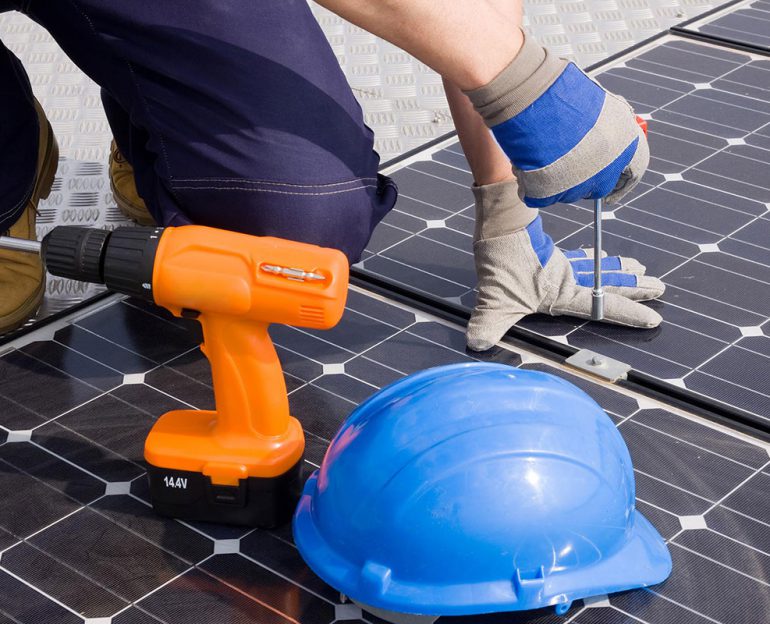
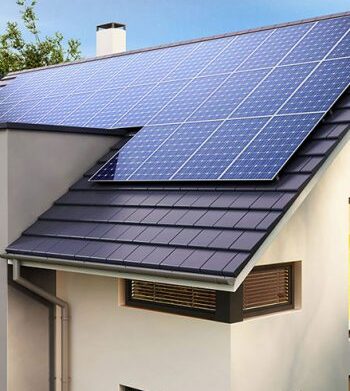
Regular maintenance of your solar panel system is essential to ensure optimal performance and longevity. Here are some reasons why you should prioritize solar panel maintenance:
1. Maximizing energy production: Over time, dust, dirt, and other debris can accumulate on the surface of your solar panels, reducing their ability to generate electricity. Regular cleaning can help remove these obstructions and ensure that your panels are operating at their maximum efficiency.
2. Preventing damage: Extreme weather conditions like storms and hail can potentially damage your solar panels. Regular maintenance allows you to identify and address any issues before they worsen, preventing further damage and costly repairs in the future.
3. Ensuring safety: Solar panel systems involve electrical components, and proper maintenance is essential to ensure your home’s and its occupants’ safety. Regular inspections can help identify potential hazards or faulty wiring and address them promptly.
Benefits of regular solar panel maintenance
By committing to regular solar panel maintenance, you can enjoy the following benefits:
1. Increased energy savings: Clean and adequately maintained solar panels can produce more electricity, so you can enjoy more significant energy savings on your utility bills. Regular maintenance ensures that your panels operate at their peak performance and generate the maximum amount of electricity possible.
2. Extended lifespan: Solar panels are designed to be durable and long-lasting, but regular maintenance can help extend their lifespan even further. By keeping them clean, inspecting them for any signs of damage, and addressing issues promptly, you can ensure that your panels continue to power your home for many years.
3. Peace of mind: Knowing that your solar panel system is well-maintained and optimal gives you peace of mind. You can have confidence in the reliability and efficiency of your panels, allowing you to fully enjoy the benefits of solar energy without worrying about any potential complications.
Cleaning Your Solar Panels
How to clean solar panels effectively
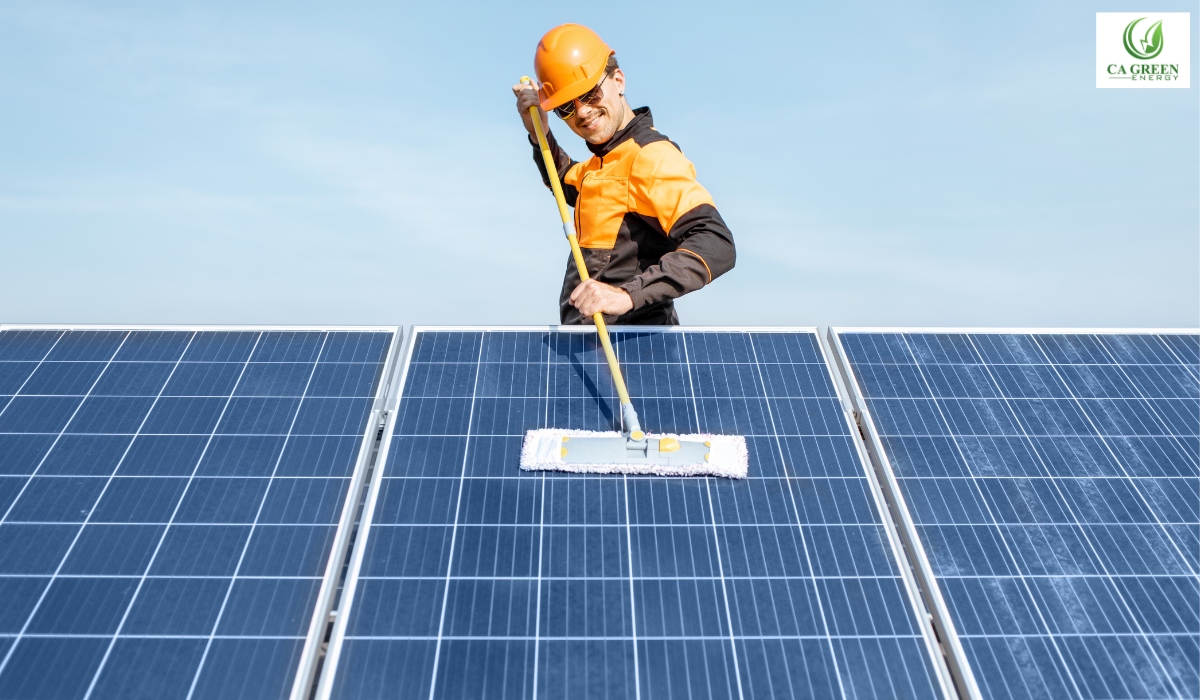
Cleaning your solar panels is essential to their maintenance to ensure optimal performance. Here are some tips to help you clean your solar panels effectively:
- Choose the right time: It’s best to clean your solar panels early or late in the evening when the temperature is more relaxed. This helps prevent the water from evaporating too quickly, allowing you to clean the panels more efficiently.
- Use the right tools: To clean your solar panels, you’ll need a soft brush or sponge, a gentle detergent, and a water source. Avoid using abrasive materials or harsh chemicals that could damage the panels.
- Start with a rinse: Thoroughly rinse your solar panels with water before you begin cleaning. This helps remove any loose dirt or debris, making cleaning more manageable.
- Gently scrub the panels: Dip your brush or sponge into a mixture of water and a mild detergent. Scrub the panels’ surface gently in a circular motion, careful not to apply too much pressure. This helps remove any stubborn dirt or grime.
- Rinse thoroughly: Once you’ve cleaned the panels, rinse them thoroughly with clean water. Remove all traces of the detergent to prevent any residue from affecting their performance and mistakes to avoid during the cleaning process.
Common Mistakes to Avoid
- Using abrasive materials: Avoid using abrasive sponges or brushes, as they can scratch the surface of the solar panels. Stick to soft brushes or sponges to prevent any damage.
- Using harsh chemicals: Harsh chemicals can corrode the protective coating on the panels and affect their performance. Stick to mild detergents or water-based cleaning solutions to ensure the longevity of your solar panels.
- Not turning off the power: Before cleaning your solar panels, turn off the power to ensure your safety. This helps prevent electrical accidents while working on the panels.
- Using excessive water pressure: Avoid high-pressure water sprays as they can potentially damage the panels. Opt for a gentle stream of water to clean the panels effectively.
- Not regular cleaning: Regular cleaning is crucial to maintain the efficiency of your solar panels. Make it a part of your routine maintenance to clean the panels at least twice a year or more frequently if you live in a dusty or high-pollution area. Remember, proper maintenance and regular cleaning will help your solar panels perform optimally and extend their lifespan. If you’re unsure about cleaning your panels, it’s always a good idea to consult a solar specialist who can provide professional cleaning services.
Inspecting for Damage
Signs of potential damage to look out for
Regular inspections are essential when it comes to maintaining the health of your solar panels. Here are some signs of potential damage to look out for:
- Cracks or chips: Inspect the surface of your solar panels for any visible cracks or chips. These can occur due to extreme weather conditions or physical impact, affecting the panels’ performance.
- Delamination: Delamination refers to separating the layers in a solar panel. If you notice any signs of bubbling or peeling on the surface of the panels, it could indicate delamination, which requires immediate attention.
- Discoloration: Note any discoloration on the panels, such as dark spots or uneven patches. This could be a sign of dirt buildup, corrosion, or a faulty panel that needs to be addressed.
- Loose connections: Check the connections between the panels, wiring, and junction boxes. Loose connections can lead to reduced efficiency or even electrical issues, so it’s essential to address them promptly.
How to Conduct a Thorough Inspection of Solar Panels
To ensure the health and functionality of your solar panels, it’s essential to conduct a thorough inspection regularly. Here are the steps to follow:
- Safety first: Before conducting any inspection, ensure your safety by wearing appropriate protective gear and turning off the power to the solar panel system.
- Visual inspection: Carefully examine the surface of each panel for any signs of damage or abnormality. Use a flashlight to check for small cracks or chips that may not be visible in direct sunlight.
- Check the mounting system: Inspect the mounting system and brackets holding the panels. Ensure they are secure and free of rust, corrosion, or damage.
- Inspect the wiring: Trace the wiring from the panels to the inverter and check for any loose or damaged connections. Verify that the wires are properly insulated and free from any fraying or wear.
- Monitor performance: Monitor the performance of your solar panel system. If you notice a significant decrease in energy production or unusual fluctuations, it could indicate a problem that needs to be addressed.
If you notice any damage or are unsure about the condition of your solar panels, it’s recommended that you seek professional help. A solar specialist can conduct a more in-depth inspection and provide necessary repairs or maintenance to ensure your panels work efficiently.
Tools and Methods for Monitoring System’s Performance
There are several tools and methods available to monitor the performance of your solar panel system. Here are some options to consider:
- Online monitoring platforms: Many solar panel manufacturers and installation companies provide online monitoring platforms where you can access real-time data about your system’s performance. These platforms often provide detailed information about energy production, historical data, and alerts for any issues or malfunctions.
- Smart inverters: Some solar inverters have built-in monitoring capabilities. These inverters collect data on energy generation, consumption, and system performance. The information can be accessed through online portals or smartphone apps, providing a convenient way to monitor your system.
- Energy meters: Energy meters can be installed to measure the energy production of your solar panels. These meters provide accurate readings of your energy generation, allowing you to track your system’s performance over time.
- Solar panel monitoring systems: Specific monitoring systems designed to track the performance of solar panels are available. These systems use sensors or modules connected to each panel to measure output. This allows you to monitor the performance of individual panels and quickly identify any issues.
Monitoring your solar panel system is essential for maximizing its performance and efficiency. By tracking energy production, identifying issues, and making necessary adjustments, you can ensure that your system operates optimally and generates maximum energy. Choose the monitoring tools and methods that best suit your needs and regularly review the data to stay informed about your system’s performance.
Handling Vegetation and Shade Issues
How vegetation and shade can impact solar panel performance
Solar panels rely on direct sunlight to generate electricity. When vegetation or shade obstructs the sunlight reaching the panels, it can significantly impact their performance. Here are a few ways vegetation and shade can affect solar panels:
- Reduced energy production: Vegetation, such as trees or nearby plants, can cast shadows on the panels, reducing the amount of sunlight they receive. This can decrease energy production, as shaded panels cannot generate electricity as efficiently.
- Uneven performance: If only a portion of the solar panel array is shaded, the shaded panels will produce less electricity than the unshaded panels. This can result in an imbalance in the system, impacting its overall performance and reducing its energy output.
- Temperature increase: When solar panels are shaded, they can absorb heat from the surrounding environment. The trapped heat can cause the panels to overheat, reducing efficiency and potentially shortening their lifespan.
Strategies for Preventing and Addressing Vegetation
To maximize the performance of your solar panel system and avoid any issues caused by vegetation and shade, here are a few strategies you can implement:
- Site selection: Consider the location carefully when installing your solar panels. Choose an area that receives ample sunlight throughout the day and is free from obstructions like tall buildings or trees. Proper site selection can minimize the chances of encountering vegetation and shade issues in the first place.
- Trimming and pruning: Regularly inspect the surroundings of your solar panels and trim any overgrown trees or foliage that could cast shadows on the panels. Trimming back vegetation helps prevent shading issues and improves the overall aesthetics of your solar panel system.
- Adjustable mounting systems: Consider using adjustable mounting systems for your solar panels. These systems allow you to tilt and adjust the angle of the panels to optimize sunlight exposure. By adjusting the panels to face the sun directly, you can minimize the impact of shading and maximize energy generation.
- Invest in shade analysis tools: Software tools and online resources help you perform shade analysis for your solar panel system. These tools use satellite imagery and data to determine the potential shading impact on your panels. By conducting a shade analysis, you can make informed decisions about panel placement and identify any potential shade sources that need to be addressed.
By taking proactive measures to prevent and address vegetation and shade issues, you can ensure that your solar panel system operates at its optimal performance and continues to generate maximum energy. Regular monitoring and maintenance will help identify any potential issues early on and allow for timely resolution.
Protecting Against Weather and Environmental Factors
How weather conditions can affect solar panel function
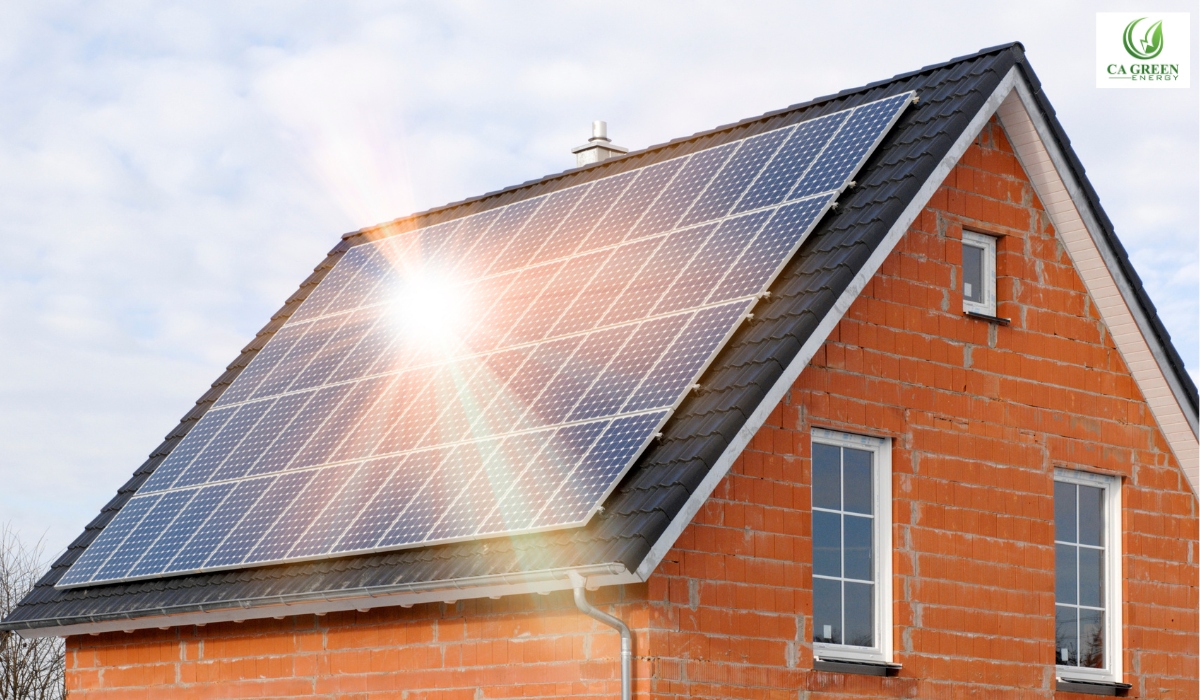
Weather conditions can significantly impact the performance and function of your solar panel system. Understanding how weather conditions affect your panels can help you take the necessary steps to protect and maintain their optimal performance. Here are some common weather conditions and their potential effects on solar panels:
- Extreme heat: High temperatures can cause solar panels to overheat, reducing efficiency and energy production. Proper ventilation and airflow around the panels are essential to prevent excessive heat buildup.
- Freezing temperatures: Cold weather and freezing temperatures can potentially damage solar panels, especially if they are not designed to withstand such conditions. Choosing panels that are rated for the specific climate in which they will be installed is essential.
- Hail and storms: Severe weather events, such as hailstorms or strong winds, can cause physical damage to solar panels. Hail can crack or shatter the glass surface of the panels, while strong winds can dislodge or damage the mounting system. Regular inspections and maintenance can help identify and address any damages caused by extreme weather.
Steps for safeguarding your panels against environmental factors
To protect your solar panels against weather and environmental factors, consider implementing the following steps:
- Choose resilient panels: When selecting solar panels, opt for models designed to withstand the specific weather conditions in your area. Look for panels tested and rated for durability, impact resistance, and temperature tolerance.
- Regular inspections: Schedule regular inspections of your solar panel system to check for any signs of damage or wear. Inspections can help you identify any issues early on so that they can be addressed promptly.
- Secure mounting system: Ensure the mounting system is properly secured and can withstand strong winds and other severe weather events. Reinforce the mounting system if needed and consider using additional measures, such as hurricane straps, for added security.
- Keep panels clean: Regularly clean your solar panels to remove any dirt, dust, or debris that may accumulate on the surface. This will ensure maximum sunlight absorption and prevent any potential damage or reduction in performance due to blockage.
Maintaining Battery Health and Storage Systems
Tips for maintaining the health and longevity of solar panel batteries
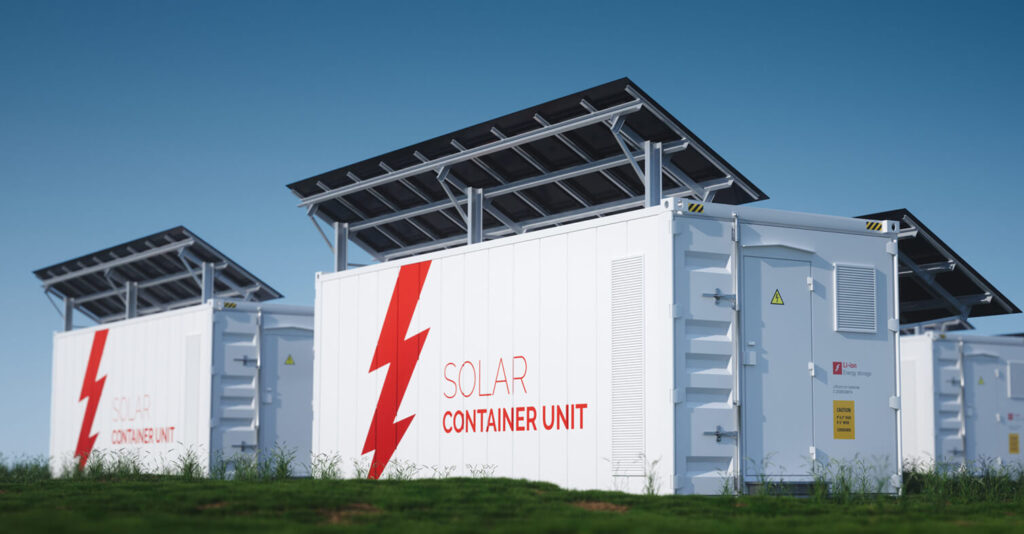
Regarding solar panel systems, battery maintenance is an important aspect to consider. Solar panel batteries store the excess energy generated by your panels for use when the panels are not producing enough power, such as at night. Here are some tips to ensure the health and longevity of your solar panel batteries:
- Regular inspections: Regularly inspect your batteries for signs of damage or deterioration. Look for leaks, corrosion, or unusual behavior. If you notice any issues, it is essential to address them promptly to avoid further damage.
- Proper ventilation: Ensure your battery storage area has proper ventilation. Batteries can produce gases during the charging process, and adequate ventilation helps prevent the buildup of potentially harmful gases. This also helps to regulate the temperature, as excessive heat can shorten battery life.
- Temperature control: Extreme temperatures can negatively impact battery performance and lifespan. Keeping the batteries in a controlled environment, away from direct sunlight or freezing temperatures, is essential. Consider installing insulation or using temperature control devices to maintain optimal operating conditions.
- Regular charging and discharging: To maintain battery health, charging and discharging the batteries be charged and discharged. This helps prevent the buildup of sulfation, which can reduce battery capacity over time. If your system allows, setting up a charging schedule that ensures the batteries are fully charged and cycled regularly is beneficial.
Regular maintenance of your solar panel system, including cleaning the panels and maintaining battery health, is essential for optimal performance and longevity. By following the tips and best practices outlined in this guide, you can ensure that your solar panels continue to power your home effectively for years.