In California, solar panel installation is a popular choice for homeowners looking to reduce their energy costs and positively impact the environment. With the state’s abundant sunshine, solar panels have the potential to save homeowners money and power their homes for decades.
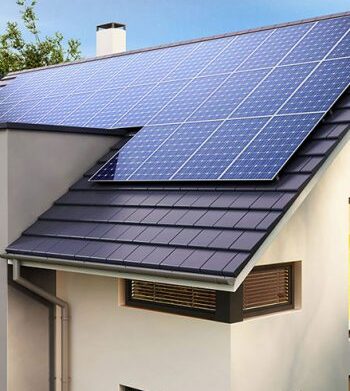
Solar panel systems consist of solar panels, inverters, and other components that convert sunlight into electricity. They are typically installed on rooftops or in other areas with direct sunlight. In California, various solar panel systems are available, ranging from residential to commercial installations.
Benefits of Installing a Solar Panel System
Installing a solar panel system can provide numerous benefits for homeowners in California. Some of the key advantages include:
Their carbon footprint contributes to a cleaner and greener environment.
- Savings on Energy Costs: Solar panels generate electricity from sunlight, which can significantly reduce the energy homeowners need to purchase from the grid. This can result in substantial savings on monthly energy bills.
- Long-Term Investment: Solar panels have an average lifespan of 25 to 30 years, making them a long-term investment for homeowners. Once the system is installed, it requires minimal maintenance and can continue to generate electricity for decades.
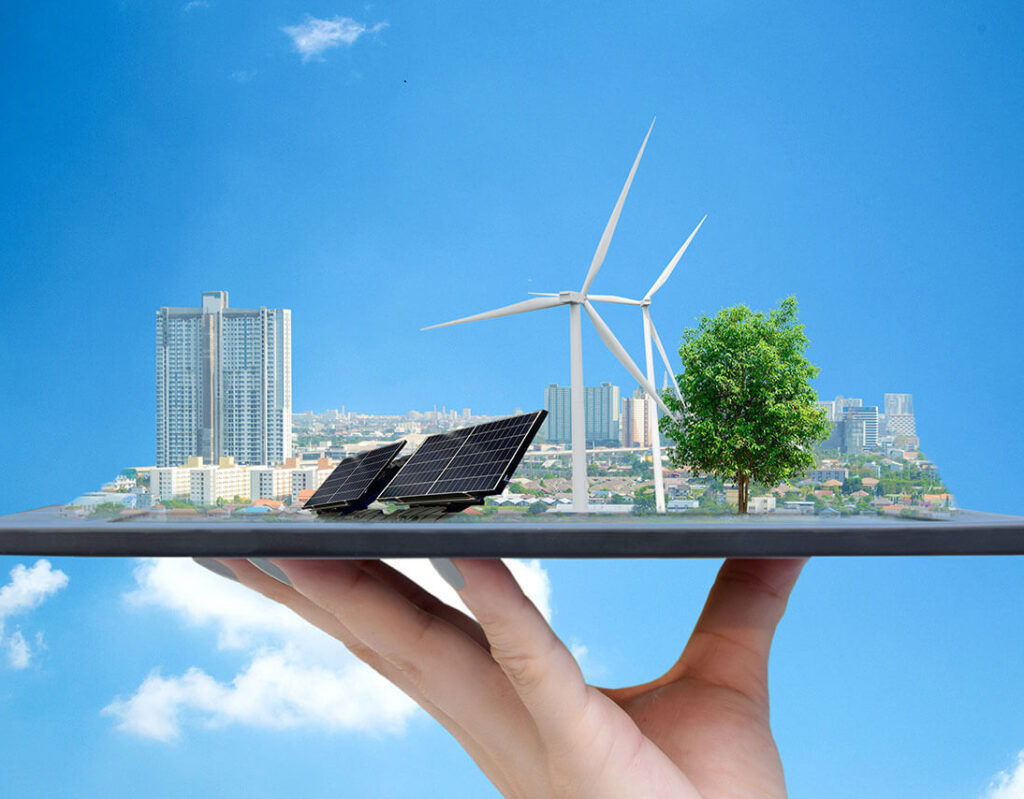
- Environmental Impact: Solar panels produce clean and renewable energy, reducing reliance on fossil fuel-based electricity. By installing solar panels, homeowners can significantly decrease their carbon footprint and contribute to a cleaner and greener environment.
- Increased Home Value: Homes equipped with solar panel systems often have a higher resale value. Potential buyers are attracted to the idea of reduced energy costs and the environmental benefits of solar energy.
- Government Incentives: California offers various incentives and rebates to homeowners who install solar panels, such as the Solar Investment Tax Credit (ITC) and the Net Energy Metering (NEM) program. These incentives can further reduce the upfront installation cost and increase the financial benefits.
Understanding Solar Energy
How solar panels work
Solar panels are designed to convert sunlight into usable electricity for your home. This process is made possible through photovoltaic cells made of semiconductor materials. When sunlight hits these cells, it excites the electrons within them, creating a flow of electricity. This electricity can then power various appliances and devices in your home.
Types of Solar Panel Systems
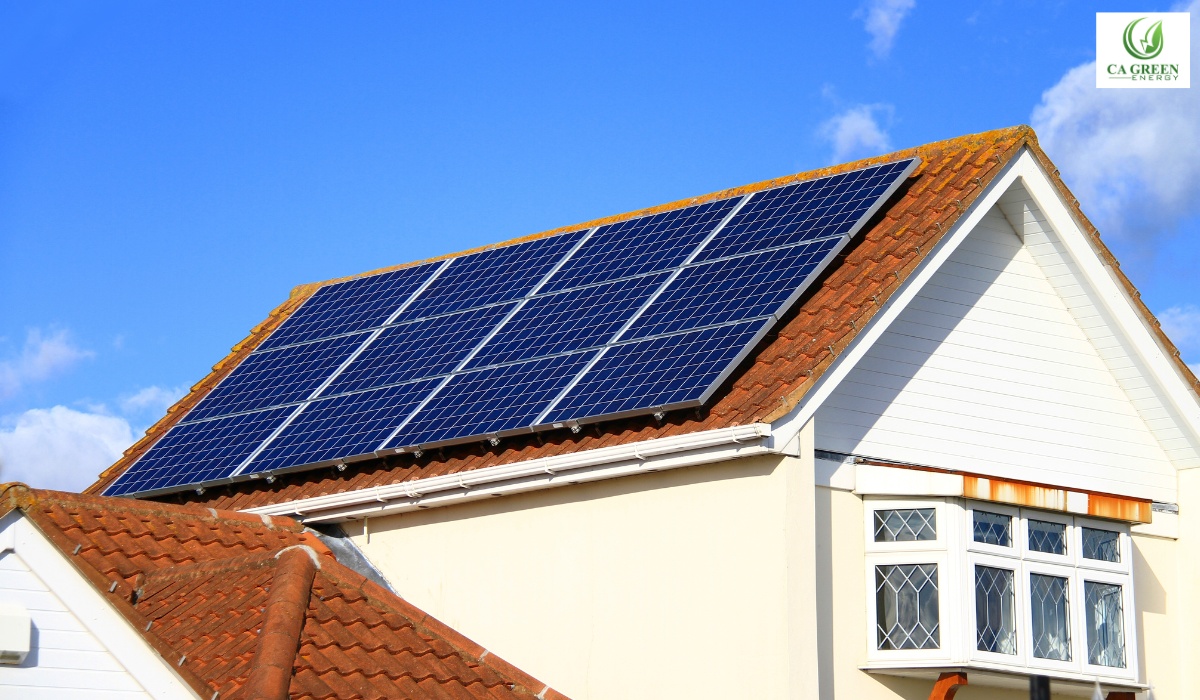
Several types of solar panel systems are available, each with its own advantages and disadvantages. Some popular options include:
- Monocrystalline Solar Panels: Monocrystalline solar panels are renowned for their high efficiency and sleek appearance. Crafted from a single crystal structure, these panels undergo a complex manufacturing process, resulting in a higher upfront cost. Monocrystalline panels offer a durable and efficient solution, ideal for homeowners with limited roof space but a higher energy demand.
- Polycrystalline Solar Panels: Polycrystalline solar panels are manufactured by melting and casting multiple silicon fragments. Though slightly less efficient than monocrystalline panels, they are more affordable. Suited for homeowners with ample roof space and lower energy demand, polycrystalline panels offer a cost-effective yet reliable option for solar energy.
- Thin-Film Solar Panels: Thin-film solar panels distinguish themselves by depositing a thin semiconductor material onto a substrate. While less efficient compared to crystalline panels, they offer flexibility and versatility. Ideal for applications where aesthetics and adaptability are crucial, thin-film panels find use in curved or irregular surfaces, providing a visually versatile and functional solar solution.
- Bifacial Solar Panels: Bifacial solar panels stand out for their ability to generate electricity from both sides of the panel by capturing sunlight reflected from the ground or other surfaces. Despite being typically more expensive, bifacial panels offer higher energy yields, making them a favorable option for homeowners in areas with a high albedo. With a potential for increased return on investment over time, bifacial panels contribute to maximizing solar energy production.
When choosing the right solar panel system for your home, consider efficiency, cost, and available space. Consulting with a reputable solar panel installer can help you determine the best option for your needs.
Home Solar Panel Installation Process
Step-by-step guide to installing solar panels
Installing solar panels on your home can be a complex process, but with the proper guidance, it can be a straightforward and rewarding experience. Here is a step-by-step guide to help you understand the installation process:
- Consultation and assessment: Contact a reputable solar panel installer for a consultation. During this time, they will assess your home’s suitability, considering factors such as roof direction, shading, and available space.
- Design and system sizing: The installer designs a solar panel system tailored to your energy needs, considering factors like average energy consumption, available roof space, and local regulations.
- Permits and paperwork: Before installation, permits and necessary paperwork are obtained, with your solar panel installer handling the permit application process on your behalf.
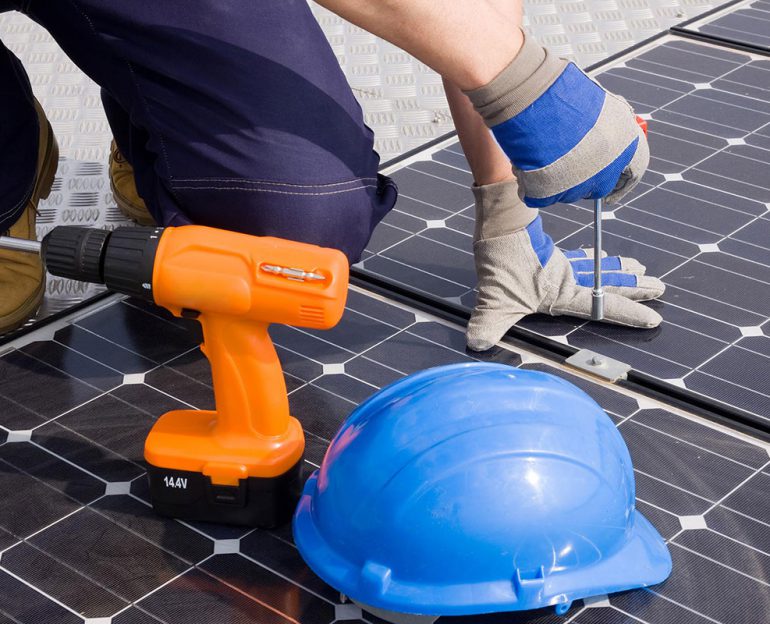
- Installation: Once permits are approved, the installation process begins. The installer securely mounts the solar panels on your roof, installs wiring to connect them to your home’s electrical system, and sets up the inverter.
- Inspection and connection: After insA inspection ensures compliance with local regulations. Upon pa after installation using inspection, the system is connected to your home’s electrical grid.
- Monitoring and maintenance: Ongoing monitoring and maintenance, often provided by solar installers, ensure optimal performance by tracking energy production and identifying potential issues.
Leasing vs. Purchasing Solar Panels
- Ownership: Purchasing solar panels lets you own the system outright, providing long-term financial benefits. Leasing, on the other hand, means you won’t own the panels and won’t benefit from potential increases in home value.
- Financial savings: While leasing may have lower upfront costs, purchasing solar panels can result in more significant long-term savings on electricity bills. Owning the system allows you to take advantage of federal tax credits and other incentives.
- Flexibility: Leasing offers flexibility in terms of relocating or upgrading the system. Purchasing solar panels may limit flexibility, but it provides complete control over the system and the ability to customize it as needed.
- Maintenance and repairs: Lease agreements often include maintenance and repairs, shifting the responsibility to the solar company. When you purchase solar panels, you will be responsible for any maintenance and repairs, but you also have the freedom to choose your service provider.
- Return on investment: Purchasing solar panels typically offers a higher return on investment over time. While leasing may provide immediate cost savings, the long-term financial benefits are more significant with ownership.
Both leasing and purchasing solar panels have advantages and disadvantages. Before deciding on your financial situation, long-term goals, and preferences, consulting with a reputable solar panel installer is essential; exploring different financing options can help you make an informed choice that suits your needs. Remember, the benefits of solar panel installation extend beyond financial savings to reducing your carbon footprint and contributing to a sustainable future.
Tax Credits and Rebates for Solar Panel Installation
In addition to the state and federal incentives mentioned above, other tax credits and rebates can further reduce the cost of solar panel installation in California. Here are a few to consider:
Property tax exemption: Installing solar panels on your home in California can increase its value. However, under the California Solar Property Tax Exclusion, the added value from your solar panel system is excluded from your property tax assessment. You won’t be penalized with higher property taxes for going solar.
Sales tax exemption: California also offers a sales tax exemption for solar panel installations. This means you won’t have to pay sales tax on purchasing your solar panel system, lowering the overall cost.
Solar Investment Tax Credit (ITC) transfer: If you don’t have sufficient tax liability to take full advantage of the Federal Investment Tax Credit, you may be able to transfer the remaining credit to a third party. This can allow you to monetize the tax credit and receive a cash payment.
It’s important to note that the availability and amount of rebates and incentives may vary depending on your location, income level, and solar panel system size. To fully understand the incentives available to you, it’s recommended to consult with a reputable solar panel installer or conduct thorough research.
d the planet.
Importance of Regular Monitoring and Maintenance
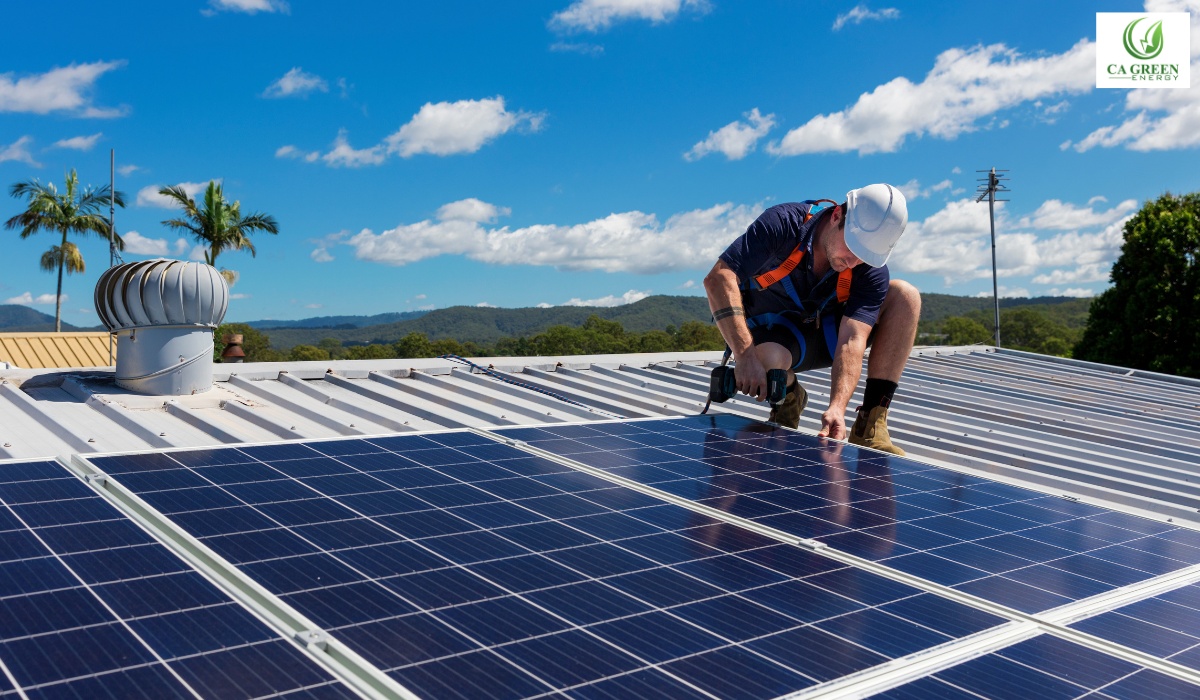
Regular monitoring and maintenance are crucial to ensure optimal performance and longevity of your solar panel system. By monitoring the system’s performance and addressing any issues promptly, you can maximize energy production and avoid potential problems. Here’s why regular monitoring and maintenance are so important:
1. Detecting and resolving issues early: Regular monitoring allows you to promptly identify any issues with your solar panel system. This includes faulty wiring, dirty panels, or reduced energy production. By detecting and addressing these issues early on, you can prevent further damage and ensure your system operates at its full potential.
2. Maximizing energy production: Clean, well-maintained solar panels can generate more electricity. Regular maintenance, such as cleaning dust and debris off the panels, can significantly improve energy production. By maximizing the output of your solar panel system, you can maximize your investment’s financial benefits and environmental impact.
3. Ensuring warranty coverage: Most solar panel manufacturers provide warranties that cover the equipment for a certain period. However, these warranties often require regular maintenance to be valid. By keeping up with maintenance tasks and documenting them, you can ensure that you remain eligible for warranty coverage, protecting your investment.
Tips for Maximizing Energy Production
In addition to regular monitoring and maintenance, here are some tips to help you maximize the energy production of your solar panel system:
1. Keep panels clean: Dirt, dust, and debris can accumulate on the surface of the solar panels over time, reducing their efficiency. Regularly clean the panels with water and a soft brush to remove any buildup and ensure maximum sunlight absorption.
2. Trim surrounding vegetation: Overgrown trees or branches can cast shadows on your solar panels, reducing their exposure to sunlight. Trim any vegetation obstructing the panels’ access to direct sunlight to maximize energy production.
3. Monitor energy consumption: By monitoring your energy consumption, you can identify patterns and adjust your usage to coincide with peak solar production hours. This can help you make the most of the energy generated by your solar panels and further reduce your reliance on the grid.
4. Work with a professional: While monitoring and simple maintenance tasks can be carried out by homeowners, it’s advisable to work with a professional for regular inspections and more complex maintenance procedures. Professional solar panel installers and technicians have the expertise and equipment to ensure your system operates optimally.
Contact California Green Energy for a Consultation and Estimate
If you’re interested in experiencing the advantages of solar energy in your California home, contact California Green Energy today for a consultation and estimate. Our team of experts will guide you through the process and provide you with all the information you need to make an informed decision.
With our seamless installation process, excellent customer service, and high-quality solar products, you can trust us to help you transition to clean, sustainable energy. Join the satisfied customers who have already made the switch and start enjoying the benefits of solar energy in your home. Contact California Green Energy today!