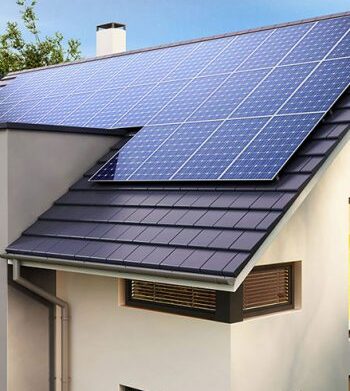
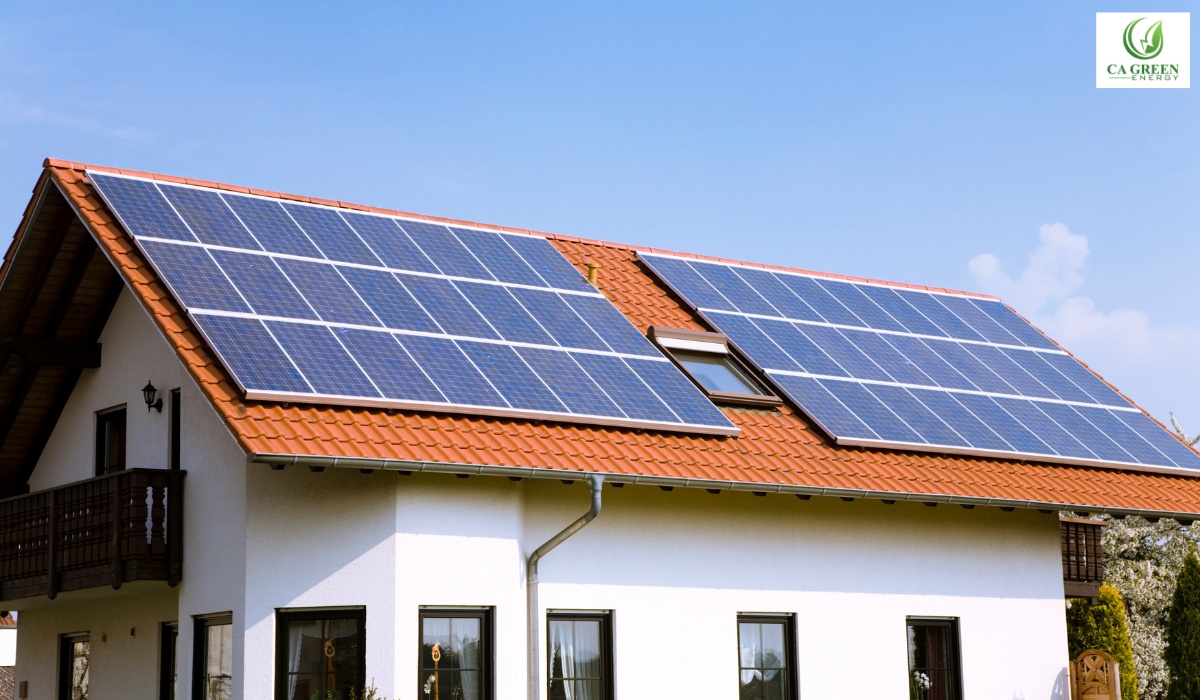
Residential solar panels have emerged as a beacon of sustainable energy solutions, illuminating a greener and more eco-conscious future for homeowners worldwide. These sleek panels, perched atop rooftops like silent sentinels, harness the boundless power of the sun to transform ordinary homes into hubs of clean electricity generation.
With each photon captured, households reduce their carbon footprint and liberate themselves from the shackles of traditional energy dependence. In the sun-drenched landscapes of California and beyond, residential solar panels stand as silent champions of innovation, offering not just a way to save on utility bills but a tangible step towards a brighter, more sustainable tomorrow.
Advantages of Using Solar Energy for Homes
1. Renewable and sustainable: Solar energy is a renewable resource, meaning it will never run out. By harnessing the sun’s power, homeowners can reduce their carbon footprint and contribute to a cleaner environment.
2. Cost savings: Installing solar panels on residential rooftops can significantly reduce electricity bills. Homeowners can generate power and rely less on the grid, resulting in long-term cost savings.
3. Energy independence: Solar panels allow homeowners to become more self-reliant regarding their energy needs. They can generate their power and reduce dependence on traditional energy sources.
4. Increase in property value: Homes equipped with solar panels have been shown to increase in value. Buyers are increasingly interested in energy-efficient homes, and having solar panels can be a selling point.
5. Potential for rebates and incentives: Homeowners can use various rebates and incentives to offset the cost of installing solar panels. The California Self-Generation Incentive Program (SGIP) provides rebates for adding solar storage capacity.
Considering these advantages, it is evident why many Californians have embraced residential solar panels.
Types of Residential Solar Panels
Different types of solar panels are available for residential use
Several types of solar panels are available for residential use, each with advantages and disadvantages. The most common types include monocrystalline, polycrystalline, and thin-film panels.
1. Monocrystalline Panels:
- Made from a single crystal structure, typically silicon.
- They are known for their high efficiency and sleek black appearance.
- It is more expensive compared to other types of panels.
- Perform well in high temperatures and low light conditions.
- Ideal for homeowners with limited roof space.
2. Polycrystalline Panels:
- Made from multiple silicon crystals.
- Typically, they have a blue color due to the manufacturing process.
- Lower efficiency compared to monocrystalline panels.
- It is more affordable compared to monocrystalline panels.
- It is slightly less heat tolerant but still suitable for residential use.
3. Thin-Film Panels:
- It is made from a thin layer of semiconductor material.
- It can be flexible and lightweight, allowing for more installation options.
- Lower efficiency compared to crystalline panels.
- They are less expensive to produce, making them a more affordable option.
- It may require more space for installation due to lower efficiency.
Factors to Consider when Choosing Residential Solar Panels
Installing solar panels on a residential property can be a significant investment. It is essential to carefully consider a few factors before making a decision:
- Available roof space: The amount of available roof space will determine the size and number of solar panels that can be installed. It is crucial to have sufficient roof space free from shade obstruction throughout the day for optimal energy generation.
- Energy needs: Before installing solar panels, it is essential to assess your energy needs. Consider your average monthly energy consumption and determine if solar energy can cover a significant portion of your energy requirements. This will help you determine the size of the solar system needed.
- Roof orientation and tilt: The orientation and tilt of your roof play crucial roles in determining the efficiency of solar panels. Ideally, the roof should face south to maximize exposure to sunlight. However, roofs facing east or west can also be suitable, although they may generate slightly less energy.
- Budget and financing options: Determine your budget for the solar panel installation. Consider whether you have the upfront capital to purchase the panels outright or prefer financing options such as solar loans or leasing arrangements. Evaluate the long-term cost savings versus the upfront investment.
- Warranty and quality: Ensure the solar panels you choose have a reliable warranty. Look for reputable manufacturers with a proven track record. Quality panels are more likely to have a longer lifespan and provide better performance throughout the years.
- Local regulations and permits: Check with your local authorities and homeowners’ association (if applicable) to ensure that you comply with any regulations or restrictions regarding solar panel installations. Obtain the necessary permits and approvals before proceeding.
Assessment of Energy Needs and Available Roof Space
To determine your household’s energy needs, review your electricity bills over a year. Calculate the average monthly consumption and consider any future changes in energy consumption patterns. This will give you an estimate of the solar system size required to meet your needs.
Next, assess the available roof space. Calculate the area available for solar panels by measuring the dimensions of the unobstructed sections of your roof. Remember that the direction and tilt of the roof may impact the usable space for panels.
By carefully considering these factors, you can make an informed decision when choosing residential solar panels. This will ensure that your solar energy system meets your energy needs, maximizes energy generation, and provides a solid return on investment.
Installation Process of Residential Solar Panels
Installing solar panels on a residential property involves several steps to ensure a successful and efficient installation process. Here is a step-by-step guide to installing solar panels:
- Site Assessment: Before starting the installation process, a site assessment should be conducted to evaluate the property’s suitability for solar panel installation. This assessment includes evaluating the roof’s condition, orientation, and available space for solar panels.
- Design and Permitting: Once the site assessment is complete, the solar panel system will be designed based on the property’s specific needs and the available roof space. This design will consider the number of panels, their placement, and the electrical wiring required. The design will also help obtain the necessary permits and approvals from local authorities.
- Roof Preparation: Before installing the solar panels, the roof may need some preparation work, such as repairing any damage, reinforcing the structure if needed, and ensuring a smooth surface for panel placement. This step is crucial to ensure the longevity and stability of the solar panel system.
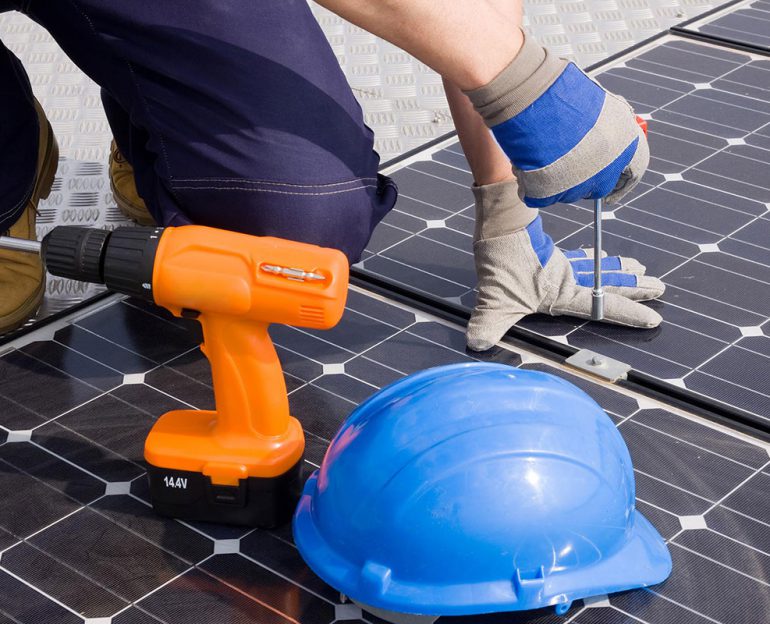
- Panel Installation: The solar panels are installed on the prepared roof surface using mounting brackets or other appropriate mounting systems. The panels are securely attached to the roof, taking into account the recommended spacing and angling for optimal energy generation.
- Wiring and Electrical Connections: Once the panels are in place, electrical wiring is installed to connect them to the property’s electrical system. This includes the installation of inverters, which convert the direct current (DC) generated by the solar panels into usable alternating current (AC) electricity.
- System Testing and Activation: After the electrical connections are made, the system is thoroughly tested to ensure all components work correctly. This includes checking for wiring issues, verifying the panel output, and ensuring the inverter functions correctly. Once the system passes all tests, it can be activated and connected to the primary electrical grid.
Required Permits and Inspections
Before installing solar panels on a residential property, obtaining the necessary permits and undergoing inspections as required by local authorities is essential. The specific permits and inspections may vary depending on the location, but they typically include:
- Building Permit: A building permit is usually required to authorize the installation of solar panels. This permit ensures that the installation meets local building codes and regulations.
- Electrical Permit: An electrical permit is necessary to ensure that the solar panel system’s electrical wiring and connections comply with safety standards.
- Interconnection Agreement: In some cases, an interconnection agreement may be required to establish the connection between the solar system and the primary electrical grid. This agreement ensures compliance with utility requirements and safety protocols.
Once the installation is complete, inspections may be conducted at various stages to verify compliance with the permits and codes. These inspections typically involve reviewing the solar panel system’s structural integrity, electrical connections, and overall safety.
Homeowners must work with qualified and experienced solar installation contractors knowledgeable about permitting and inspection. This ensures the installation is done correctly and efficiently and complies with all relevant regulations.
Maintenance and Upkeep of Residential Solar Panels
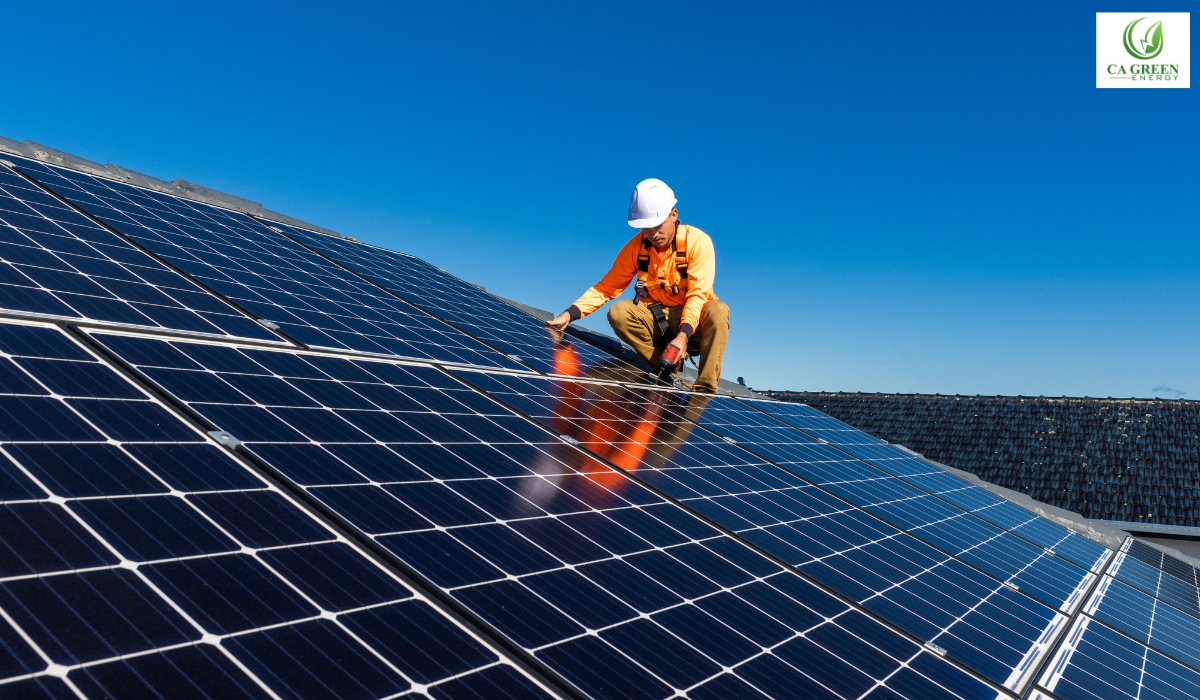
Tips for maintaining and cleaning solar panels
Regular maintenance and cleaning are essential to ensure the optimal performance and longevity of your residential solar panels. Here are some tips to help you keep your solar panels in excellent condition:
- Regular inspection: Schedule regular inspections of your solar panels to check for any signs of damage or malfunctions. Look for loose connections, cracked panels, or dislodged clamps. Contact your solar panel installer or a qualified repair technician if you notice any issues.
- Keep panels clean: Dirt, dust, leaves, and other debris can accumulate on the surface of solar panels, reducing their efficiency. Clean your panels regularly using a soft brush or a gentle stream of water to remove any residue. Avoid harsh chemicals or abrasive materials, as they can damage the panels.
- Monitor energy production: Monitor your solar panel’s energy production. Most solar systems have a monitoring system that allows you to monitor the energy output in real-time. If you notice a sudden decrease in energy production, it may indicate a problem with your panels that needs attention.
Common Issues and Troubleshooting Guide for Efficient Operation
While solar panels are generally low-maintenance, here are some common issues that you may encounter and troubleshooting steps to address them:
- Reduced energy production: If you notice a decrease in the energy output of your solar panels, it could be due to shading, dirt buildup, or a malfunctioning component. Check for shading caused by new structures, trees, or other obstructions that may have emerged over time. Clean the panels if there is dirt buildup and schedule a professional inspection if the issue persists.
- Inverter problems: Inverters are essential components that convert the solar panels’ direct current (DC) generated into usable alternating current (AC) for your home. If you notice a sudden drop in energy production, it could indicate an issue with the inverter. Check the inverter display for error messages and consult a professional if necessary.
- Wiring issues: Loose or damaged wiring can disrupt the flow of electricity from your solar panels to your home. Regularly inspect the wiring connections and ensure they are tight and secure. If you suspect wiring issues, contact a qualified electrician or your solar panel installer for assistance.
- Weather-related damage: Extreme weather conditions such as hailstorms or strong winds can potentially damage solar panels. After a severe weather event, inspect your panels for any visible signs of damage. If you notice any cracks or breaks, contact a professional for repair or replacement.
By following these maintenance tips and addressing any issues promptly, you can maximize the lifespan and performance of your residential solar panels and enjoy the benefits of clean, renewable energy for years to come.
Unlocking the Power of Residential Solar Panels for a Sustainable Future
In conclusion, homeowners who have installed residential solar panels have reported various benefits, including cost savings, environmental impact, energy independence, long-term investment, and increased property value. These real-life experiences demonstrate the advantages of utilizing solar energy for homes despite the maintenance and upfront costs associated with the installation. Proper maintenance and precautions allow residential solar panels to provide clean and sustainable energy for years.
By embracing residential solar panels, homeowners can harness the power of the sun to generate clean and sustainable energy for years to come. It’s time to take advantage of the benefits offered by solar energy and make a positive difference in our homes and communities.