Installing a solar panel system is a significant investment that requires careful planning and professional expertise. While it may seem daunting, considering the numerous advantages of using solar energy, the process is worth the effort. Proper installation ensures optimal performance and longevity for your solar panels, maximizing your investment return.
Here are the main steps involved in the solar panel installation process:
Benefits of Using Solar Energy
1. Cost Savings: Solar energy helps significantly reduce electricity bills. By generating your own clean and renewable energy, you can decrease reliance on traditional energy sources and take advantage of potential government incentives or tax credits.
2. Environmental Impact: Solar energy is a clean source of power that produces no greenhouse gas emissions during operation. Reducing your carbon footprint contributes to a healthier and more sustainable environment.
3. Energy Independence: Solar energy makes you less dependent on utility companies by generating electricity. This gives you a sense of autonomy and protection against rising energy costs.
4. Increase Property Value: Homes with solar panel systems are often more attractive to potential buyers. Installing solar panels can increase the resale value of your property and make it stand out in a competitive real estate market.
Now, let’s delve into the main steps involved in the solar panel installation process:
Engineering Site Visit
During the initial phase of installing a solar panel system, an engineering site visit is conducted to assess the project’s feasibility. This crucial step involves a professional engineer visiting your property to evaluate various aspects of your home and determine if it is suitable for a solar panel installation.
Purpose of the site visit
The engineering site visit’s primary purpose is to evaluate your home’s electrical status and ensure it can support the solar panel system. The engineer will assess the condition of your roof, electrical panel, and other relevant factors to determine the feasibility of the installation. By conducting a thorough evaluation, the engineer can identify potential issues or limitations that must be addressed before the installation.
Evaluating the site’s solar potential
The engineer will also assess your property’s solar potential during the site visit. This involves evaluating your roof’s location, orientation, and shading to determine the sunlight it receives throughout the day. By analyzing these factors, the engineer can determine the optimal placement and positioning of the solar panels to maximize their energy production.
The engineer may use various tools and technologies, such as shade analysis software and solar pathfinder tools, to assess your site’s solar potential accurately. These tools help determine the potential energy output of the solar panels based on the site’s specific conditions.
Next, we will investigate the permits and documentation required to install a solar panel system.
Permits and Documentation
Understanding the necessary permits
Once the engineering site visit is complete and the feasibility of the solar panel installation is confirmed, the next step is to obtain the necessary permits and documentation. Local authorities require these permits to ensure the installation meets safety standards and complies with building codes and regulations.
The specific permits required may vary depending on your location, so it’s essential to consult with your solar installer or local permitting office to determine the exact requirements. However, some common permits that may be necessary for a solar panel installation include:
- A building permit ensures the installation meets structural and safety requirements. It typically involves submitting detailed plans and specifications of the system to the permitting office.
- Electrical permit: Since solar panels involve installing electrical components, an electrical permit may be required to ensure the system meets electrical safety standards.
- Interconnection agreement: This agreement is necessary for grid-connected systems and allows your solar panel system to feed excess energy into the grid. It establishes the terms and conditions of the interconnection and may require approval from your utility provider.
Documentation Required for Solar Panel Installation

In addition to permits, specific documentation requirements must be fulfilled during the solar panel installation process. These documents indicate compliance and ensure the system is eligible for incentives or rebates.
Some common documentation required for a solar panel installation may include:
- Proof of ownership or authorization: This document verifies that you can install solar panels on your property. It may involve proof of property ownership or obtaining permission from the property owner if you are a tenant.
- System specifications: Detailed specifications and technical information about the solar panel system, such as the size and capacity of the system, need to be documented.
- Manufacturer warranties: Documentation of the warranties provided by the solar panel manufacturer and other equipment suppliers may be required.
- Installation contract: A signed contract between you and the solar installer that outlines the scope of work, terms, and payment agreements is an essential document for the installation process.
- Utility documentation: Depending on your location and utility provider, you may need to submit additional documentation related to net metering agreements, interconnection agreements, or incentive programs. It’s essential to record all the permits and documentation related to your solar panel system for future reference and any potential inspections or inquiries.
Ordering Equipment
Researching and selecting the right equipment
This step is crucial as it ensures you choose equipment compatible with your energy needs and budget.
During this stage, it is recommended that you consult with solar professionals or reputable solar companies to guide you through the equipment selection process. They can provide expert advice on the different types of solar panels, inverters, racking systems, and other necessary components to consider.
Factors to consider when selecting equipment include:
- Efficiency: Look for high-efficiency solar panels to maximize the energy output of your system.
- Durability: Consider the durability and warranty provided by the manufacturer to ensure the longevity of the equipment.
- Compatibility: Ensure the selected components are compatible to avoid potential issues during installation.
- Pricing: Compare prices and consider the cost-effectiveness of the equipment. However, remember that quality should not be compromised for price.
Calculating the Required Number of Solar Panels
Determining the required solar panels for your installation is an essential step in ordering. The number of panels needed depends on factors such as your energy consumption, available roof space, and the efficiency of the chosen panels.
To calculate the required number of solar panels, you can follow these steps:
1. Determine your average monthly electricity usage in kilowatt-hours (kWh). This can be obtained from your utility bills.
2. Calculate your daily electricity usage by dividing the monthly usage by 30 (the average number of days in a month).
3. Divide the daily electricity usage by your area’s average peak sun hours. This information can be found online or from the solar professional conducting the site visit.
4. Finally, divide this result by the wattage of a single solar panel to get the approximate number of panels needed.
Remember that this calculation is a rough estimate, and it is always recommended to consult with a solar professional to ensure accurate sizing of your system.
Step-by-Step Guide to Installing Solar Panels
Once you have hired professional installation services, here is a step-by-step guide to what you can expect during the solar panel installation process:
1. Pre-installation preparations: The installation team will visit your property to assess the site and prepare for the installation. This includes measuring the roof, checking for obstacles, and ensuring all equipment and materials are available.
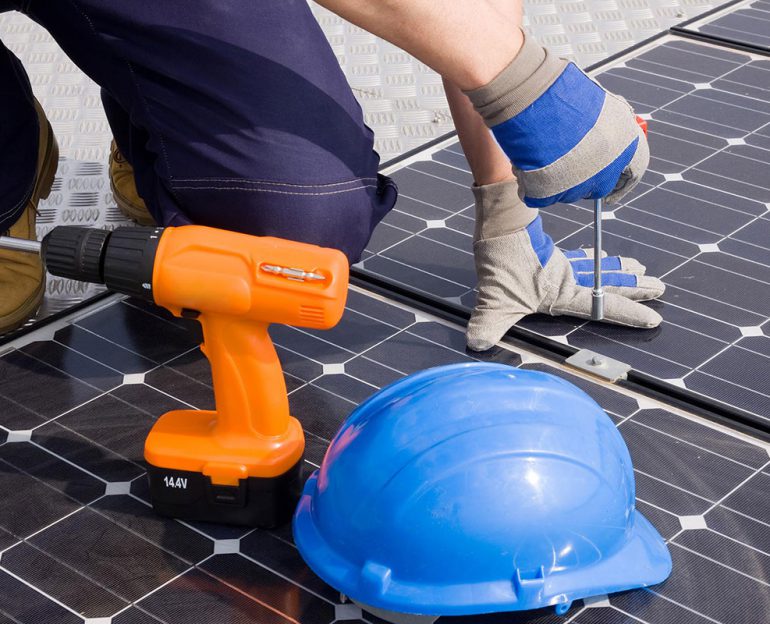
2. Mounting the racking system: The racking system is installed on your roof to support the solar panels. The installation team will secure the racks to ensure stability and durability.
3. Wiring and connection: Wiring connects The solar panels to the racking system. This wiring is carefully installed to ensure proper electrical connections and minimize any risk of damage or malfunction.
4. Panel installation: The solar panels are carefully placed and secured to the racking system. The installation team will ensure that they are correctly aligned and positioned to maximize sun exposure.
5. Testing and commissioning: Once the panels are installed, the system will undergo thorough testing to ensure it functions correctly. This includes checking the system’s wiring, connections, and overall performance.
6. Approval and interconnection: After the installation, the system must be inspected by the local authorities or utility company to ensure compliance with regulations. Once approved, the system can be interconnected with the grid, allowing you to start generating electricity from your solar panels.
It is important to note that the duration of the installation process may vary depending on the size and complexity of your system. However, on average, the installation usually takes one to three days.
Approval and Interconnection

Final inspection and approval process
Once the solar panel installation is complete, the final inspection and approval are the next steps in the process. This step ensures that the installation meets all required safety and quality standards. Here’s what you can expect during this stage:
1. Inspection by the local authorities: A local building department or electrical inspector representative will visit your property to inspect the solar panel system. They will check if the installation meets the building codes and safety regulations.
2. Permit closure: If the inspector approves the installation, they will close the building permit for your solar panel system. This signifies that the installation has met all the requirements.
3. System performance test: The solar panels will be tested after the inspection to ensure they generate electricity efficiently. This test will determine the system’s overall performance and output.
4. Final documentation: Once the inspection and testing are complete, the solar professional will provide you with the necessary documentation, including a certificate of compliance or approval. This documentation is essential for future reference, warranty claims, and potential incentives or rebates.
Connecting the Solar Panel System to The Grid
After the final inspection and approval, the last step in the solar panel installation process is connecting the system to the grid. This step allows your solar panels to generate electricity and supply it to your home or business. Here’s what you can expect during this stage:
1. Utility company coordination: The solar professional will work closely with your local utility company to coordinate the grid connection process. This involves submitting interconnection applications and ensuring compliance with utility regulations.
2. Installation of a power meter (if needed): In some cases, a new bi-directional meter will be installed to measure the electricity flow between your solar system and the grid. This meter accurately measures the amount of electricity your solar panels generate and the excess electricity fed back into the grid.
3. Utility company approval: Once the utility company approves the interconnection application, they will give you permission to start generating electricity and receive credits for any excess energy generated.
4. Activation of the solar panel system: After receiving the utility company’s approval, you can activate your solar panel system and start benefiting from solar-generated electricity. Your solar panels will now supplement your energy consumption, leading to reduced electricity bills and a greener, more sustainable lifestyle.
Remember, the approval and interconnection process ensures that your solar panel system functions optimally and you receive the maximum benefits. It is advisable to work closely with your solar professional and utility company to ensure a smooth transition and start enjoying the advantages of solar energy.
Importance of Professional Assistance
Explanation of why DIY installation is not recommended
Installing solar panels may seem like a straightforward process, but it is not recommended to attempt a DIY installation. Here’s why:
1. Safety concerns: Solar panel installation involves working with electrical components and being on the roof. Without proper training and experience, there is a higher risk of accidents, electrical shocks, and falls. Professional installers have the necessary safety equipment, training, and knowledge to mitigate these risks.
2. Compliance with building codes: Solar panel installations must comply with specific building codes and regulations. Professional installers are familiar with these requirements and can ensure that your installation meets all necessary standards. Non-compliance can lead to safety issues and legal complications.
3. Warranty validity: Most solar panel manufacturers require professional installation to honor the warranty. Attempting a DIY installation may void the warranty, leaving you responsible for future repairs or replacements.
4. Efficiency and performance: Incorrectly installed solar panels may not perform optimally, reducing energy production. Professional installers have the expertise to position the panels correctly, maximizing their efficiency and ensuring you get the most out of your system.
Installing solar panels is a significant investment that requires careful consideration and professional assistance. While attempting a DIY installation to save costs may be tempting, it is not recommended. Hiring experienced professionals ensures a safe and efficient installation process and maximizes the benefits of solar energy for your home or business.